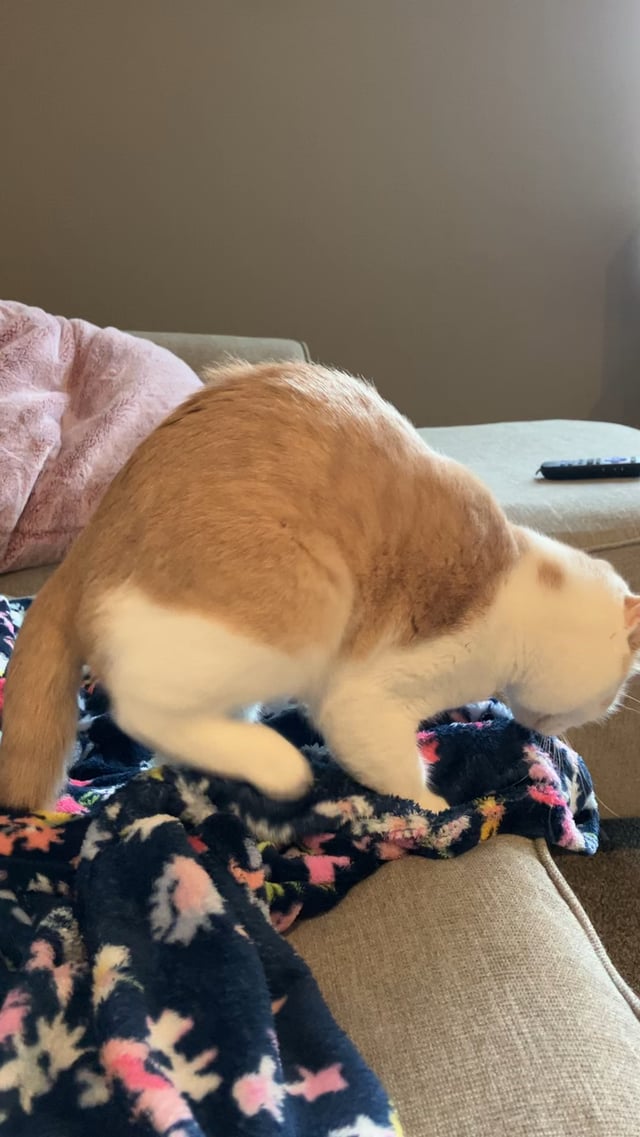
Have you ever caught your cat humping his favorite toy and wondered, “Should I let this happen?” It’s a behavior that can surprise or even confuse you. You might worry if it’s normal, healthy, or something you should stop.
Understanding why your cat does this and what it means can help you make the right choice for your furry friend. Keep reading to discover the reasons behind this curious habit and learn how to respond in a way that keeps your cat happy and comfortable.

Credit: www.reddit.com
Reasons Cats Hump Toys
Cats may hump their toys for several reasons. This behavior can seem strange or funny. Understanding why cats do this helps owners respond wisely. It is not always about mating. Sometimes, it is about feelings or instincts. Let’s explore the main reasons cats hump their toys.
Hormonal Influences
Unneutered male cats often hump due to hormones. Testosterone drives this behavior as part of mating instincts. Female cats may also show this behavior during heat. Spaying or neutering usually reduces humping. Still, some cats keep the habit due to past experiences or strong hormones.
Stress And Anxiety
Cats use humping as a way to relieve stress. It acts like a calming ritual for them. Changes in the environment can increase anxiety. New people, other pets, or loud noises may cause stress. Humping toys helps cats feel more secure and relaxed.
Play And Exploration
Young cats and kittens hump toys during play. It is part of learning and exploring their bodies. They imitate adult cat behavior without mating intent. Play humping helps develop motor skills and social habits. This behavior is usually harmless and short-lived.
Territorial Behavior
Humping can mark territory with scent and touch. Cats have scent glands in their paws and bodies. By humping toys, they leave a unique scent. This signals other cats to stay away. This behavior helps cats feel safe in their space.
Credit: pethelpful.com
When Humping Becomes A Problem
Humping is a natural behavior for cats, but it can become a concern. It turns problematic when it happens too often or causes distress. Watching your cat closely helps identify if the behavior is normal or excessive. Understanding the signs and consequences guides you to take the right steps.
Signs Of Excessive Behavior
- Humping several times a day without stopping
- Ignoring other activities like eating or playing
- Becoming restless or agitated after humping
- Repeating the behavior even after distraction
- Targeting inappropriate objects or people
Potential Health Issues
Excessive humping might signal health problems. It can indicate urinary tract infections or skin allergies. Stress and anxiety may also cause this behavior. Sometimes, hormonal imbalances play a role, especially in unneutered cats. Consulting a vet can rule out medical causes.
Impact On Cat’s Wellbeing
Constant humping can affect your cat’s mental health. It may lead to frustration and anxiety. Social interactions with other pets might suffer. Your cat could become isolated or aggressive. Ensuring a balanced lifestyle keeps your cat happy and healthy.
How To Respond To Humping
Seeing your cat hump his toy might catch you off guard, but how you respond can shape his behavior and comfort level. It’s important to stay calm and understand what your cat may need at that moment. Your reaction can either redirect this natural behavior or help your cat feel more relaxed.
Redirecting Attention
If your cat starts humping a toy, gently shift his focus to something else. Offer a different toy that encourages active play, like a feather wand or laser pointer. This helps break the habit without making your cat feel punished or confused.
Try engaging your cat with interactive play sessions right after noticing the behavior. This can satisfy his energy and reduce the urge to hump objects. Have you noticed which toys excite your cat the most? Use those to guide his attention away from humping.
Providing Enrichment
Sometimes, humping happens because your cat is bored or restless. Adding new activities and challenges to your cat’s environment can lower stress and stop unwanted behaviors.
- Introduce puzzle feeders to make mealtime more stimulating.
- Set up climbing shelves or scratching posts for physical exercise.
- Rotate toys regularly to keep things fresh and interesting.
Enrichment isn’t just about keeping your cat busy—it supports his emotional health too. How often do you change up your cat’s routine or environment to keep him engaged?
Calming Techniques
Sometimes humping is a sign of anxiety or excitement your cat doesn’t know how to handle. Using calming methods can help your cat feel more secure and reduce this behavior naturally.
- Try pheromone diffusers like Feliway to create a soothing atmosphere.
- Spend quiet time petting or gently massaging your cat to lower stress.
- Maintain a consistent daily schedule to give your cat a sense of predictability.
Observe how your cat responds to different calming techniques. Which one seems to ease his tension most effectively? Tailoring your approach to your cat’s unique personality makes a big difference.
Neutering And Its Effects
Neutering plays a big role in a cat’s behavior. It can reduce certain instincts, including humping toys. This surgery stops your cat from producing hormones that drive mating behavior. Many pet owners wonder how neutering changes their cat’s actions and when to expect these changes.
Behavioral Changes Post-neutering
After neutering, cats often show less sexual behavior. Humping toys may decrease or stop altogether. They also tend to roam less, reducing the chance of fights with other cats. Some cats become calmer and less aggressive. Yet, every cat reacts differently to neutering.
Neutering also lowers spraying and marking inside the house. Your cat may focus more on play and rest. However, neutering does not change all behaviors instantly. Some habits take time to fade.
Timing And Expectations
Behavior changes don’t happen the day after surgery. It can take weeks or months for hormones to drop fully. Younger cats tend to show quicker changes. Older cats may need more time to adjust.
Neutering is best before your cat reaches sexual maturity. This helps prevent unwanted behaviors early on. Still, neutering at any age can improve behavior and health. Patience is key after the procedure.
When To Consult A Veterinarian
Cats humping toys can be normal behavior, but sudden changes or frequent actions may need a vet’s attention. Signs like distress, pain, or aggression suggest a check-up is wise. Always watch your cat’s overall health and mood closely.
Understanding when to consult a veterinarian about your cat’s behavior is crucial for ensuring their well-being. While humping can be a normal behavior, sometimes it signals underlying health issues. Observing your cat’s actions and knowing when to seek professional advice can make all the difference.Identifying Medical Concerns
If your cat’s humping seems excessive or is accompanied by other unusual behaviors, it might be time to visit the vet. Conditions like urinary tract infections or hormonal imbalances could be at play. Is your cat also exhibiting signs of distress, such as vocalizing in pain or avoiding the litter box? These could be red flags indicating medical issues that require immediate attention.Behavioral Therapy Options
Once medical concerns are ruled out, consider exploring behavioral therapy. Cats often hump toys to express anxiety or boredom. Providing more stimulation or engaging in interactive play can help redirect this behavior. Have you tried introducing new toys or setting up a play schedule? Simple changes in your cat’s routine can significantly alter their behavior. Consulting with a veterinary behaviorist can also provide tailored strategies for your pet.Surprising Facts About Cat Behavior
Cats show many behaviors that seem strange to us. Their actions can be surprising and often misunderstood. Understanding these behaviors helps build a better bond with your pet. Some behaviors, like humping a toy, are more common than you think. They are part of how cats express themselves and interact with their environment.
Common Misconceptions
Many people think humping means a cat is aggressive or sick. This is not always true. Cats may hump toys to relieve stress or boredom. Sometimes, it is a way to show excitement or comfort. It does not always mean they want to mate. Neutered or spayed cats also show this behavior. It is a normal part of cat expression.
Unique Cat Personalities
Every cat has its own personality. Some cats are calm, others are playful or quirky. Humping a toy can be part of a cat’s unique style. It might be a way to play or feel safe. Some cats do it more than others. Recognizing your cat’s personality helps you understand their actions better.
Comparisons With Other Pets
Unlike dogs, cats show humping less often. Dogs often hump to show dominance or excitement. Cats use other ways to communicate these feelings. Cats may use body language or vocal sounds. Humping toys is just one small part of their behavior. Knowing these differences helps you care for your pet well.
Credit: pethelpful.com
Frequently Asked Questions
Why Does My Cat Hump His Toy?
Cats hump toys as a natural behavior linked to play, stress relief, or sexual instincts. It’s usually harmless unless excessive. This behavior helps them release energy and express dominance or affection.
Is It Okay To Let My Cat Hump Toys?
Yes, allowing your cat to hump toys is generally safe. It helps them relieve stress and engage natural instincts. Just ensure the behavior doesn’t become obsessive or cause damage.
Can Humping Toys Indicate Health Issues In Cats?
Occasional humping usually isn’t a health concern. However, excessive humping may signal stress, hormonal imbalance, or behavioral issues. Consult a vet if the behavior is frequent or disruptive.
How Can I Stop My Cat From Humping Toys?
Distract your cat with interactive play and new toys. Provide enough exercise and mental stimulation. If humping persists, consult a vet or animal behaviorist for advice.
Conclusion
Letting your cat hump his toy is usually normal behavior. It helps them release energy and feel comforted. Watch for signs of stress or aggression. If it becomes too frequent or causes problems, try redirecting their attention. Providing plenty of playtime and affection can help.
Remember, each cat is different and needs patience. Understanding your cat’s habits makes pet care easier and more enjoyable. Trust your instincts and enjoy the bond you share with your furry friend.


Leave a Reply