Taking care of your medium-haired cat’s coat is easier than you might think. If you want your furry friend to look healthy and feel comfortable, grooming is key.
You might be wondering where to start or how often to groom your cat without causing stress. This guide will walk you through simple steps that fit into your routine, helping you keep your cat’s fur shiny and tangle-free. Stick with me, and you’ll discover tips that make grooming a positive experience for both you and your cat.

Credit: www.reddit.com
Choosing The Right Tools
Choosing the right grooming tools for your medium-haired cat can make the entire process smoother and more enjoyable for both of you. The right tools help remove loose hair, prevent mats, and keep your cat’s coat shiny and healthy. Have you ever noticed how some brushes seem to work wonders while others barely touch the surface? Picking the right ones is key to effective grooming.
Types Of Brushes
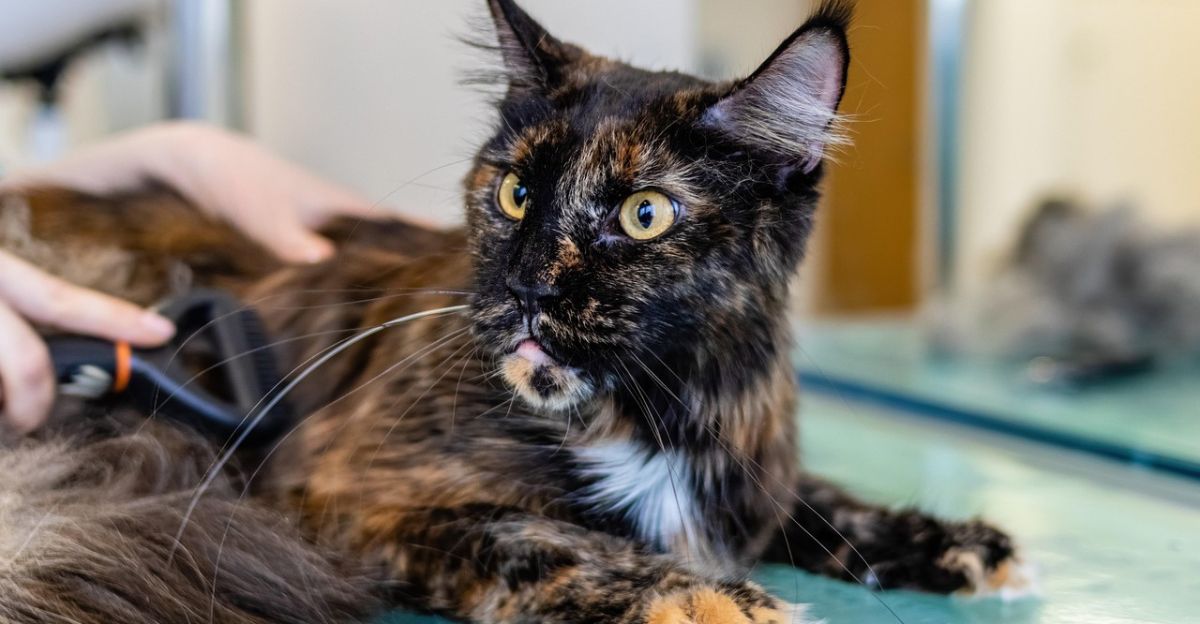
There are several brush types designed to tackle different grooming needs. A slicker brush, with its fine wire bristles, is perfect for detangling and removing loose fur. It’s especially good at reaching through medium-length coats to catch hidden knots.
Another great option is the bristle brush, which helps smooth the coat and distribute natural oils. It also gives your cat a gentle massage, which they often enjoy. You might find that alternating between these brushes works best for your cat’s unique fur texture.
Combs And Grooming Gloves
Combs are excellent for finishing touches. A wide-tooth comb helps remove stubborn tangles, while a fine-tooth comb can catch smaller debris and loose hairs. Using combs regularly can keep mats from forming in tricky spots like behind the ears or under the legs.
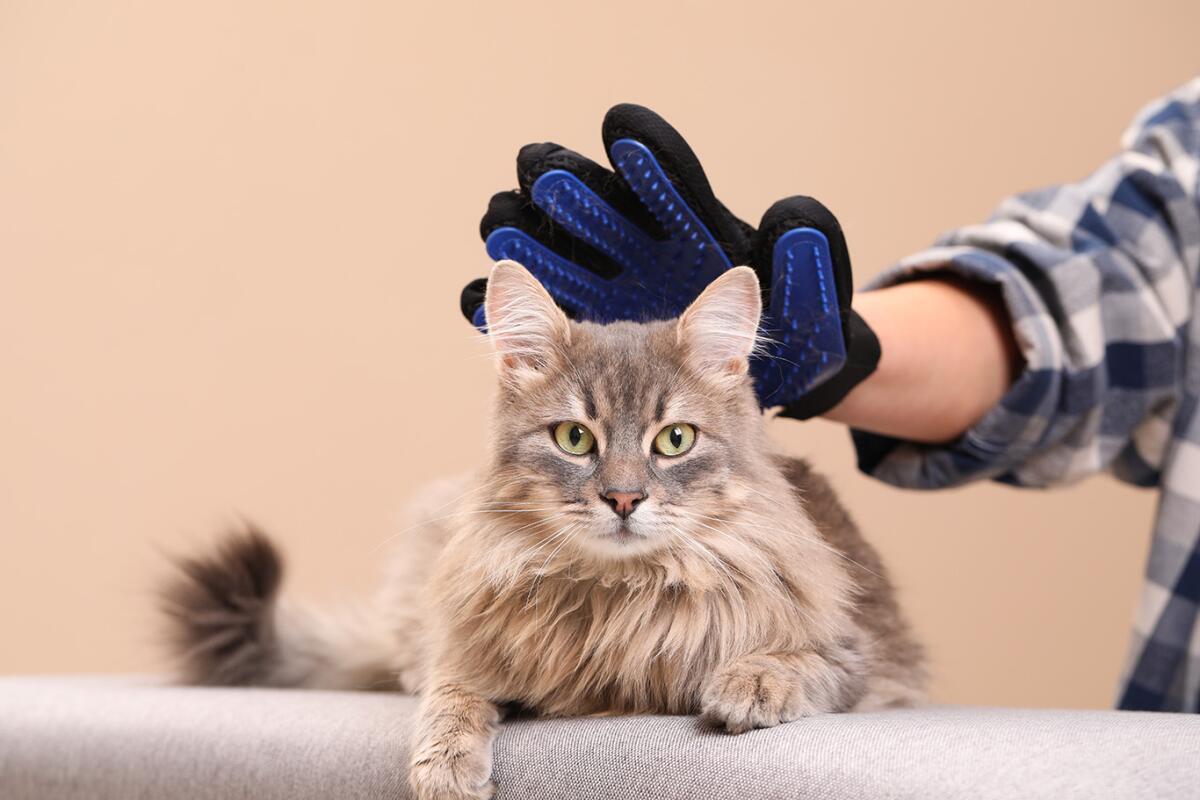
Grooming gloves offer a different approach. They allow you to pet your cat while collecting loose hair simultaneously. Many cats prefer gloves because they feel less like a grooming tool and more like a gentle touch from their favorite human.
Additional Grooming Supplies
Beyond brushes and combs, a few other items can improve your grooming sessions. Nail clippers designed for cats keep claws neat and prevent accidental scratches during grooming. You might also want to have some pet-safe wipes on hand for cleaning paws or wiping away dirt.
Consider a detangling spray formulated for cats if your kitty tends to develop mats quickly. These sprays can make brushing easier and more comfortable. What small changes in your grooming kit could make a big difference for your cat’s comfort?
Preparing Your Cat
Preparing your medium-haired cat for grooming sets the stage for a smooth and stress-free experience. It’s not just about having the right tools; it’s about tuning into your cat’s mood and behavior. Taking time to prepare can turn grooming from a battle into a bonding moment.
Creating A Calm Environment
Your cat picks up on the vibe around them. Choose a quiet room with minimal noise and distractions. Soft lighting and a comfortable temperature help your cat feel safe and relaxed.
Think about adding familiar scents like their favorite blanket or toy nearby. This can ease anxiety and make the space inviting. Have you noticed how your cat behaves differently in a hectic room versus a peaceful one?
Getting Your Cat Comfortable
Before you even reach for a brush, spend a few minutes just sitting quietly with your cat. Let them sniff your hands and get used to your presence. Gentle petting and soft talking go a long way in building trust.
If your cat is new to grooming, try short, positive sessions. Reward calm behavior with treats or affection. This helps your cat associate grooming with good things rather than stress.
Handling Techniques
How you hold and touch your cat matters. Support their body gently but securely to prevent sudden movements. Avoid gripping tightly; instead, use a calm but firm touch.
Pay attention to your cat’s signals—ears back, tail flicking, or tense muscles mean it’s time to pause. Adjust your approach based on their comfort level and always stop if they become distressed.
Brushing Techniques
Brushing is key to keeping a medium-haired cat’s coat healthy and shiny. It removes loose hair and dirt. Brushing also prevents hairballs and mats. Gentle, consistent brushing helps your cat enjoy grooming time.
Brushing Frequency
Brush your cat at least three times a week. More frequent brushing helps during shedding seasons. Daily brushing keeps the coat smooth and reduces hairballs. Short sessions work better than long ones. Watch your cat’s mood to avoid stress.
Direction And Strokes
Brush in the direction of hair growth. Use slow, gentle strokes to avoid pulling. Start from the head and move toward the tail. Use a soft brush or comb made for medium hair. Pay attention to sensitive areas like the belly and legs.
Dealing With Tangles And Mats
Check for tangles or mats during brushing. Gently loosen small tangles with your fingers first. Use a wide-toothed comb for stubborn mats. Hold the fur close to the skin to reduce pulling. Cut mats carefully with scissors only if needed. Seek a groomer if mats are severe.

Credit: www.latimes.com
Bathing Tips For Medium Hair
Bathing a medium-haired cat can feel like a daunting task, but with the right approach, it becomes manageable and even enjoyable for both you and your feline friend. Medium hair requires special care to avoid tangles and keep the coat shiny without drying out the skin. Let’s dive into some practical bathing tips that will make the process smoother and less stressful.
When To Bathe
Not all cats need frequent baths, especially medium-haired ones that usually groom themselves well. You should consider bathing your cat if their fur is visibly dirty, greasy, or if they have gotten into something sticky or smelly.
Also, if your cat has a skin condition or allergies, your vet might recommend regular baths. Avoid bathing too often, as it can strip natural oils and lead to dry skin. How do you know if your cat’s coat needs a bath? Look for dirt buildup, unpleasant odor, or excessive shedding that brushing alone can’t fix.
Choosing Cat-friendly Shampoo
Use only shampoos specifically formulated for cats. Human or dog shampoos can irritate their sensitive skin or disrupt the pH balance. Look for products labeled “hypoallergenic” or “for sensitive skin” if your cat tends to react.
Some shampoos include natural ingredients like oatmeal or aloe vera to soothe the skin. Avoid any with strong fragrances, dyes, or harsh chemicals. If your cat dislikes water, a waterless shampoo might be a good alternative to try first.
Drying Methods
After the bath, your cat’s fur must be dried properly to prevent chills and matting. Use a large, soft towel to gently blot excess water—never rub vigorously as this can tangle the fur.
If your cat tolerates it, a hairdryer on the lowest heat setting can speed up drying. Keep the dryer moving and maintain a safe distance to avoid burns. Otherwise, let your cat air dry in a warm, draft-free room while keeping an eye on them to prevent shivering.
Managing Shedding And Hairballs
Regular brushing helps manage shedding in medium-haired cats. It also reduces hairballs, keeping your cat healthy. Use a gentle brush to remove loose fur and prevent tangles.
Managing the shedding and hairballs of a medium-haired cat requires attention. Cats with medium-length fur can be prone to these issues. Regular grooming helps reduce the amount of loose hair. This minimizes the risk of hairballs forming in their stomach. Along with grooming, a balanced diet and proper hydration play a key role. These strategies keep your feline friend healthy and happy.Regular Grooming Routine
A consistent grooming routine is essential. Brush your cat’s coat at least twice a week. Use a brush designed for medium-haired cats. This helps remove loose fur and dirt. Regular brushing also reduces shedding around your home. It strengthens the bond between you and your cat. Regular grooming sessions make your cat comfortable with being handled.Diet And Hydration Tips
Diet impacts your cat’s coat health. Provide high-quality cat food rich in omega-3 fatty acids. These nutrients improve skin and coat condition. Ensure your cat has access to fresh water at all times. Proper hydration keeps their coat shiny and reduces shedding. Wet food can supplement water intake if needed. Adjust diet portions based on your cat’s activity level.Using Hairball Remedies
Hairball remedies can assist in managing hairballs. They help in the digestion and expulsion of ingested hair. Products like hairball paste or gels are available. These can be mixed with your cat’s food. Choose remedies formulated for cats with natural ingredients. Always consult your vet before starting a new remedy. Monitor your cat’s reaction to ensure their comfort and safety.Nail And Ear Care
Nail and ear care are important parts of grooming a medium-haired cat. Healthy nails keep your cat comfortable and protect your furniture. Clean ears prevent infections and keep your cat happy. Regular checks help spot problems early. These simple steps help your cat feel good and look great.
Trimming Nails Safely
Use sharp, small nail clippers made for cats. Hold your cat’s paw gently but firmly. Press the toe pad to extend the nail. Cut only the clear, white part of the nail. Avoid the pink area called the quick. Cutting the quick causes pain and bleeding.
- Choose a quiet spot with good light.
- Have styptic powder nearby for accidental cuts.
- Trim nails every two to three weeks.
- Offer treats to keep your cat calm.
Cleaning Ears Properly
Use a soft cloth or cotton ball dampened with a vet-approved ear cleaner. Do not insert anything deep into the ear canal. Wipe only the visible parts of the ear. Look for dirt, wax, or bad smells.
- Check ears weekly for redness or swelling.
- Stop if your cat shows pain or discomfort.
- Consult a vet if you see discharge or strong odor.
- Cleaning ears too often can cause irritation.
Signs Of Skin Or Coat Issues
Spotting signs of skin or coat problems early can save your medium-haired cat a lot of discomfort. Healthy fur should be shiny and smooth, while the skin underneath should look clean and free of redness. Paying close attention during grooming helps you catch issues before they get serious.
Identifying Irritations
Look closely at your cat’s fur and skin for any unusual changes. Watch for:
- Red or inflamed patchesthat might indicate irritation or allergies.
- Dry, flaky skinwhich could signal dryness or dandruff.
- Bumps, scabs, or soresthat might be caused by bites or infections.
- Excessive sheddingor bald spots that don’t seem to grow back.
- Excessive scratching or lickingwhich often means your cat feels itchy or uncomfortable.
Have you noticed your cat grooming more than usual or acting restless? These behaviors can hint at skin discomfort that needs attention.
When To Visit The Vet
Some skin issues can be managed at home, but others need professional care. Schedule a vet visit if you see:
- Persistent redness or swelling that doesn’t improve.
- Open wounds or sores that refuse to heal.
- Signs of infection such as pus, foul smell, or heat around the area.
- Sudden hair loss or patches that grow quickly.
- Changes in your cat’s behavior like lethargy or loss of appetite along with skin problems.
Getting a vet’s opinion early can prevent minor issues from becoming painful or dangerous. Remember, your cat can’t tell you what hurts, so your eyes and instincts are the best tools.
Credit: tryfurgo.com
Frequently Asked Questions
How Often Should I Groom A Medium-haired Cat?
You should groom a medium-haired cat at least 2-3 times a week. Regular grooming prevents mats and reduces shedding. It also keeps your cat’s coat healthy and shiny. Consistency is key for maintaining comfort and cleanliness.
What Tools Are Best For Grooming Medium-haired Cats?
Use a slicker brush, comb, and grooming gloves for medium-haired cats. These tools help remove loose fur and prevent tangles. A gentle approach keeps your cat calm and comfortable during grooming sessions.
How Do I Prevent Mats In Medium-haired Cat Fur?
Brush your cat regularly, especially in problem areas like behind ears. Use detangling spray if needed and check for mats often. Early removal of small tangles prevents painful mats and skin issues.
Can Grooming Reduce My Cat’s Shedding?
Yes, regular grooming reduces shedding by removing loose fur. It also distributes natural oils, promoting a healthy coat. Grooming minimizes hairballs and keeps your home cleaner.
Conclusion
Grooming a medium-haired cat keeps their coat healthy and shiny. Regular brushing removes loose hair and prevents mats. It also helps you check for skin problems early. Use gentle strokes to make grooming a calm time. Patience and consistency build trust with your cat.
A well-groomed cat feels comfortable and looks great. Small daily efforts make a big difference over time. Keep grooming simple and enjoy the bonding moments. Your cat will thank you with purrs and happiness.

Leave a Reply