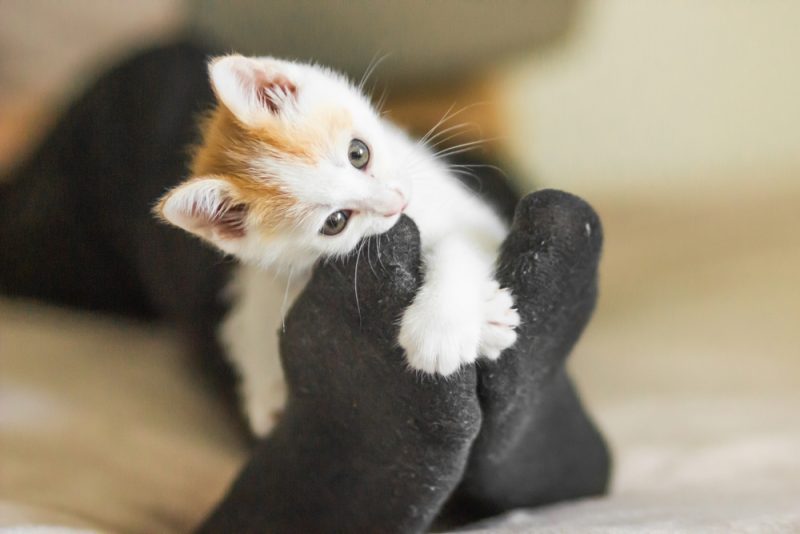
Have you ever wondered if cats with three legs can still keep themselves clean? If you have a three-legged cat or are thinking about adopting one, this question might be on your mind.
Grooming is a big part of a cat’s daily routine, and it helps them stay healthy and happy. But when a cat loses a leg, you might worry if they can manage this important task on their own. Keep reading to discover how your special feline friend adapts, what you can do to help, and why their grooming habits might surprise you.
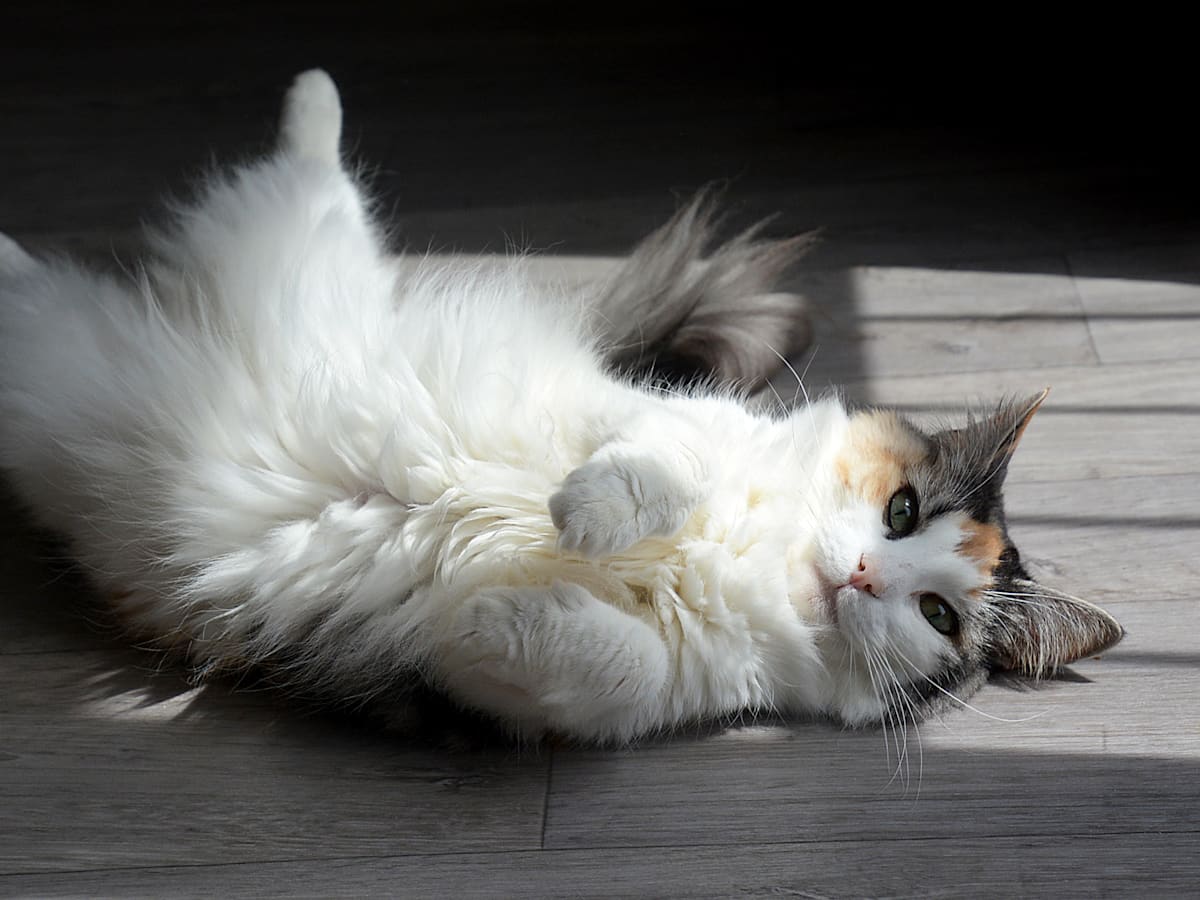
Credit: www.mentalfloss.com
Mobility With Three Legs
Mobility with three legs is a key factor in understanding how a cat manages its daily activities, including grooming. Cats rely heavily on their limbs for balance and movement, so losing a leg means they must adapt quickly. This adjustment affects not just how they walk but also how they reach different parts of their body for cleaning.
Balance And Movement
Balance is essential for cats to move gracefully. With three legs, a cat shifts its weight differently to maintain stability. You might notice that your three-legged cat uses its tail more actively to help keep balance, almost like a natural counterweight.
Movement becomes more deliberate and careful. The cat learns to place its paws in a way that prevents tipping over. This change can slow them down at first, but many cats regain impressive agility over time.
Adjusting To A New Gait
Adapting to a new way of walking is challenging but achievable for cats. They develop a unique gait that helps them conserve energy and maintain balance. You may see them hopping or leaning slightly to one side as they move.
Interestingly, this adjustment also influences how they groom themselves. With one less limb, cats find creative ways to reach spots that might seem difficult. They might twist their body more or use their remaining legs in unconventional ways.
Have you observed your cat finding new positions to clean hard-to-reach areas? This adaptability shows just how resilient and resourceful cats can be.
Grooming Challenges Faced
Cats with three legs face unique challenges when grooming themselves. Grooming is a vital part of a cat’s daily routine. It keeps their fur clean and skin healthy. Losing a leg can affect how well a cat can reach certain areas. This section explores the common grooming difficulties these cats encounter.
Reaching Difficult Spots
Three-legged cats often struggle to reach some parts of their body. Areas like the back, sides, and behind the ears become harder to clean. The missing leg limits their flexibility and balance. They may need extra time to groom these spots carefully. Sometimes, they cannot reach these areas at all.
Changes In Grooming Frequency
Grooming habits can change after losing a leg. Some cats groom less often due to discomfort or difficulty. Others might groom more to cover areas they can still reach easily. The change in routine may cause uneven fur or skin issues. Owners must watch for signs of poor grooming and help when needed.
Adaptations In Grooming Habits
Cats with three legs adjust their grooming habits to stay clean. Losing a limb changes how they reach certain areas. They develop new ways to keep their fur tidy and skin healthy. These adaptations help them maintain comfort and hygiene despite their physical change.
Using The Tongue More
The tongue plays a bigger role in grooming for three-legged cats. Their tongues are rough and strong, perfect for cleaning. They lick themselves more often to remove dirt and loose fur. This extra licking helps cover spots hard to reach with paws. The tongue acts like a built-in brush and cleaner.
Relying On Remaining Limbs
Three-legged cats use their other legs carefully to groom. They stretch and twist to reach different body parts. The remaining limbs work harder to clean areas once covered by the missing leg. Cats may also use their teeth to help groom some spots. Their flexibility and balance improve to support this grooming style.

Credit: bestfriends.org
Role Of Owners In Grooming
Caring for a three-legged cat means you take on a vital role in their grooming routine. These cats often face challenges reaching certain spots, which can lead to discomfort or skin issues if left unattended. Your involvement ensures they stay clean, healthy, and comfortable every day.
Assisting With Difficult Areas
Some spots, like the side where the leg is missing or hard-to-reach areas under the chin, might be tricky for your cat to groom. Gently brushing or wiping these areas helps prevent mats, dirt buildup, and irritation.
Use soft brushes or damp cloths to clean gently, avoiding harsh scrubbing. Observe your cat’s reactions to find what they enjoy and feel comfortable with. This also builds trust and makes grooming a bonding moment.
Maintaining Cleanliness
Keeping your three-legged cat clean is more than just brushing fur. Pay attention to their paws and the stump area to prevent infections or sores.
- Check and clean the stump regularly with pet-safe wipes.
- Trim nails carefully to avoid accidental scratches or discomfort.
- Monitor for any unusual odors or discharge that might signal health problems.
Have you noticed how your cat reacts when you clean these spots? Learning their cues can guide you in providing better care tailored to their needs.
Health Benefits Of Self-grooming
Cats with three legs can still groom themselves, though it may take more time and effort. Self-grooming helps keep their fur clean and skin healthy, supporting overall well-being. This activity also provides comfort and reduces stress for cats with physical challenges.
Cats are naturally meticulous groomers, and self-grooming is vital for their health. Even cats with three legs can maintain their grooming routine, and this ability offers numerous health benefits. Regular grooming helps in keeping their skin and coat in excellent condition, preventing potential health issues.Preventing Skin Issues
Self-grooming plays a crucial role in preventing skin problems. Cats use their tongues to remove dirt, loose hair, and allergens from their fur, which helps in minimizing the risk of skin irritation or infections. A friend of mine had a three-legged cat named Whiskers, who, despite his disability, never suffered from skin issues due to his dedicated grooming habits. Does your cat have a habit of grooming right after meals? It’s not just about looking neat; it’s their way of keeping skin problems at bay. Encouraging your cat to groom can be as simple as ensuring they have a quiet, comfortable space to do so.Maintaining Coat Condition
A well-groomed coat is not just about beauty; it’s a sign of good health. Grooming helps distribute natural oils across the fur, which keeps it shiny and healthy. This is especially important for three-legged cats, as their mobility might be slightly limited, yet their ability to maintain a healthy coat remains essential. Consider the last time you saw a cat with a dull coat. It likely wasn’t grooming regularly, highlighting the importance of this natural habit. Does your cat love a specific brush or grooming tool? Introducing such tools can aid them in maintaining their coat, ensuring they look and feel their best. By observing your cat’s grooming habits, you can gain insights into their overall health. Is your three-legged cat grooming less frequently? This might be a cue to check for underlying health issues.Success Stories Of Three-legged Cats
Many people wonder if cats with three legs can groom themselves effectively. The truth is inspiring—these resilient felines often find ways to keep themselves clean and comfortable. Their success stories show how determination and adaptation can overcome physical challenges.
Real-life Examples
Take Tripod, a three-legged cat who lost a leg in an accident but quickly learned to groom using his remaining limbs. His owner noticed that Tripod uses his tongue with extra care and even adjusts his body position to reach tricky spots.
Another cat, named Lucky, was born with only three legs. Lucky’s grooming routine is impressive because he developed a unique way of balancing on two legs while using the third to clean hard-to-reach areas. These examples show that losing a leg doesn’t stop cats from maintaining their hygiene.
Inspiring Adaptations
How do these cats adapt their grooming habits? Many use their tongues more efficiently, while some rely on their remaining legs to stretch and reach places they couldn’t before. You might notice they take more time grooming, focusing on one area at a time.
Owners can support their cats by providing comfortable resting spots and gentle brushing to help with areas that might be difficult to reach. Watching a three-legged cat groom itself challenges you to rethink what’s possible, doesn’t it?
Credit: www.preventivevet.com
Frequently Asked Questions
Can Three-legged Cats Groom Themselves Effectively?
Yes, three-legged cats can groom themselves effectively. They adapt by using their remaining legs and tongue. Their flexibility and balance help maintain cleanliness despite limb loss.
Do Three-legged Cats Need Help With Grooming?
Most three-legged cats manage grooming independently. However, some may need occasional assistance with hard-to-reach areas. Regular checks ensure they stay clean and healthy.
How Does Losing A Leg Affect A Cat’s Grooming Habits?
Losing a leg can change grooming habits slightly. Cats adjust their movements and positions to groom well. They remain clean and comfortable with time and practice.
Are There Grooming Tools To Help Three-legged Cats?
Special grooming tools like long-handled brushes can help. These tools assist owners in reaching difficult spots. They support proper hygiene when cats need extra aid.
Conclusion
Cats with three legs can still groom themselves well. They adapt their movements to reach most areas. Their strong front legs help clean their face and body. Though grooming may take more time, they stay clean and healthy. Owners should watch for any signs of difficulty or discomfort.
Helping your cat with grooming when needed shows care and love. Cats are resilient and adjust to changes in their bodies. Their natural grooming instincts remain strong despite losing a leg.




Leave a Reply