
Do you have a long-haired cat and wonder if grooming is really necessary? You might think their fur looks beautiful on its own, but there’s more to it than just appearance.
Grooming your long-haired cat can keep them healthy, comfortable, and even happier. If you want to avoid painful mats, reduce shedding, and build a stronger bond with your furry friend, this article is for you. Keep reading to discover why grooming matters and how it can make a big difference in your cat’s life.
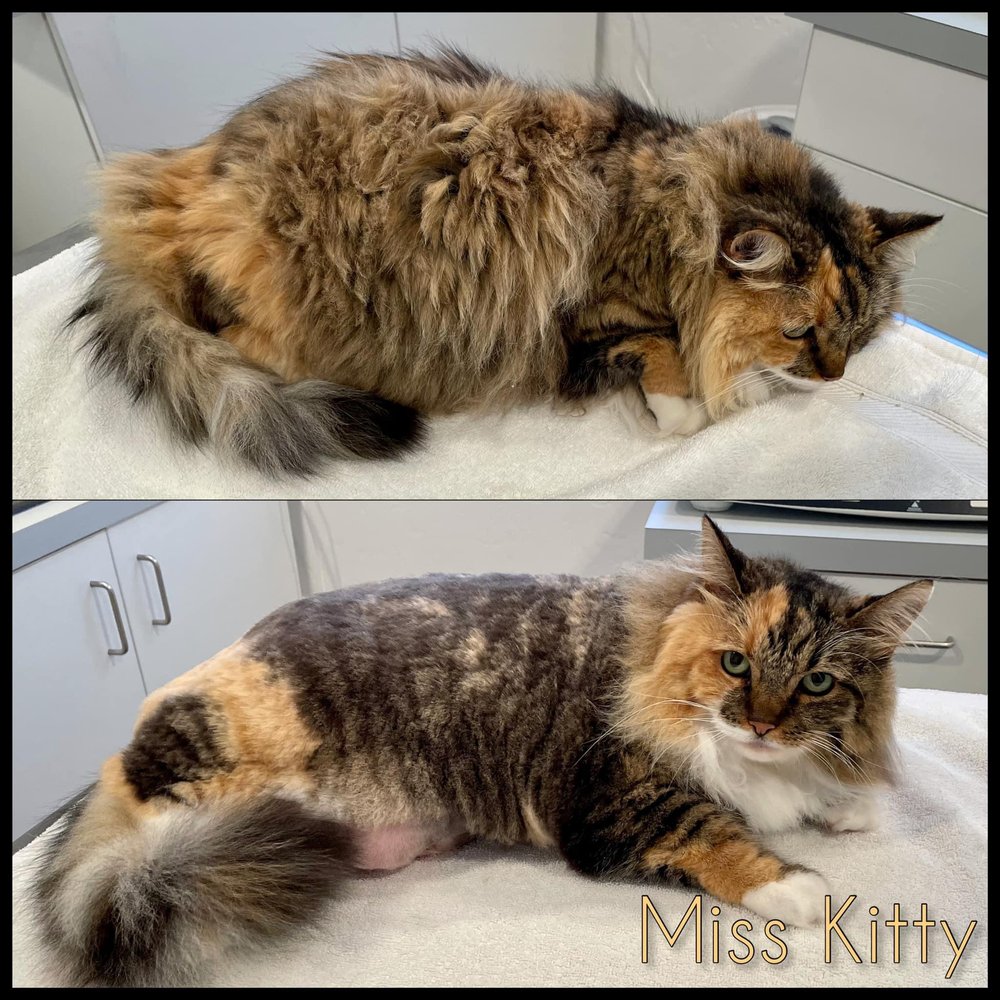
Credit: www.downtowntabbycattery.com
Benefits Of Grooming
Grooming your long-haired cat offers more than just a prettier coat. It plays a crucial role in keeping your feline friend comfortable and healthy. Regular grooming sessions can prevent many common problems and deepen your connection with your pet.
Preventing Matting And Tangles
Long-haired cats are prone to mats and tangles, which can cause pain and skin infections. Brushing your cat regularly helps stop these knots from forming in the first place. Imagine how much easier your cat’s life becomes without painful mats pulling on their fur.
Skipping grooming might mean your cat struggles with these issues, leading to costly vet visits. Do you want to help your cat avoid unnecessary discomfort? Simple, consistent grooming is the key.
Reducing Shedding
Shedding is natural, but too much fur around your home can be frustrating. Grooming removes loose hairs before they fall off, keeping your space cleaner. It also means fewer hairballs for your cat to deal with, which can improve their digestion and comfort.
Think about how much easier your vacuuming will be when you manage shedding regularly. Plus, your cat’s fur stays shiny and smooth instead of dull and patchy.
Promoting Healthy Skin And Coat
Brushing stimulates your cat’s skin, increasing blood flow and distributing natural oils evenly. This process supports a glossy, healthy coat that reflects your cat’s overall well-being. Regular grooming can also reveal skin issues early, like dryness or parasites, before they become serious.
Have you ever noticed how relaxed cats feel after a good brushing? It’s a sign their skin is happy and healthy.
Strengthening Bond With Your Cat
Grooming sessions create valuable quiet time between you and your cat. This shared activity builds trust and deepens your relationship. Your cat learns to associate grooming with positive attention and care.
Try to make grooming a calm, enjoyable experience. You might be surprised how much your cat looks forward to these moments, turning routine care into quality bonding time.
Signs Your Cat Needs Grooming
Knowing when your long-haired cat needs grooming helps keep them healthy and happy. Cats with long fur can develop issues quickly if not groomed regularly. Watch for clear signs that show grooming is necessary to avoid discomfort or health problems.
Visible Mats Or Tangles
Mats and tangles in your cat’s fur appear as clumps or knots. They can trap dirt and cause skin irritation. Long-haired cats are prone to these, especially in areas like behind the ears and under the legs. Mats can pull on the skin and hurt your cat if left untreated.
Excessive Shedding
Shedding is normal, but too much fur loss may signal a grooming need. Patches of loose fur on furniture or clothes show your cat is shedding excessively. Regular brushing helps remove dead hair and keeps the coat smooth. Excess shedding may also mean your cat feels itchy or uncomfortable.
Unpleasant Odor
A strong smell from your cat’s coat can mean dirt, oils, or skin problems. Healthy fur should smell clean and fresh. Odor suggests your cat may not be grooming properly on their own. Bathing and brushing help remove dirt and improve smell, keeping your cat fresh.
Scratching Or Discomfort
Frequent scratching or biting at fur indicates discomfort. Your cat might have itchy skin caused by mats, dirt, or dry skin. Long fur can hide these problems, so watch your cat’s behavior closely. Grooming relieves irritation and helps your cat feel better.
Grooming Tools To Use
Choosing the right grooming tools can make a huge difference in caring for your long-haired cat. The right tools help keep your cat comfortable and make grooming a bonding experience rather than a struggle. Here’s a look at the essential grooming tools you should consider for your furry friend.
Combs And Brushes
Combs and brushes are the backbone of grooming for long-haired cats. A wide-toothed comb helps gently detangle knots without pulling on your cat’s fur. Meanwhile, a slicker brush can remove loose hair and reduce shedding effectively.
Try using a soft-bristle brush after the slicker brush to smooth out the coat and bring out a healthy shine. You’ll notice your cat’s fur looks less matted, and they’ll feel more comfortable too. Have you ever seen your cat relax during brushing? It’s a clear sign they enjoy the right tool.
Nail Clippers
Trimming your cat’s nails prevents painful snags and keeps furniture safe. Use clippers designed specifically for cats—they are smaller and easier to control. Avoid cutting too close to the quick, which can cause bleeding and discomfort.
If your cat is new to nail trimming, try clipping a few nails at a time to reduce stress. Rewarding your cat afterward makes the experience more positive. Would your cat respond better to a calm environment or some tasty treats during nail care?
Grooming Gloves
Grooming gloves are perfect for cats that dislike traditional brushes. They allow you to pet your cat while removing loose hair gently. The gloves also massage your cat’s skin, which can improve circulation and make grooming more enjoyable.
These gloves are easy to use and great for quick touch-ups between full grooming sessions. You might find that your cat prefers this hands-on approach and looks forward to grooming time. Could grooming gloves be your secret weapon for a happy cat?
Detangling Sprays
Detangling sprays help loosen stubborn mats and knots without hurting your cat. Look for sprays made with natural ingredients that are safe for pets. They make brushing easier and reduce the chance of pulling on your cat’s fur.
Apply a small amount of spray before combing through tricky areas. This can save you time and keep your cat more comfortable. Have you noticed how a little spray can turn a tough grooming session into a smooth one?
Step-by-step Grooming Routine
Regular brushing helps keep your long-haired cat’s coat clean and free of tangles. Use gentle strokes to avoid hurting your pet and make grooming a calm experience. Check for mats and remove them carefully to maintain healthy fur.
Caring for your long-haired cat involves a detailed grooming routine. Regular grooming ensures your cat stays clean and comfortable. This routine also helps in reducing shedding and preventing matting.Brushing Techniques
Use a soft-bristled brush for your cat’s delicate fur. Gently comb through the hair, starting from the head. Move towards the tail, following the natural flow of the fur. Focus on areas prone to tangles like the belly and underarms. Brushing daily minimizes shedding and prevents painful knots.Bathing Tips
Bathe your long-haired cat only when necessary. Use a cat-specific mild shampoo. Fill a basin with lukewarm water, enough to reach the cat’s belly. Wet the fur gently, avoiding the eyes and ears. Apply shampoo and rinse thoroughly. Dry your cat with a soft towel, ensuring they stay warm.Trimming Fur And Nails
Trim the fur around your cat’s paws and rear for hygiene. Use blunt-tipped scissors to avoid injury. Check and trim nails every few weeks. Use cat nail clippers and cut just the sharp tip. Avoid the pink area known as the quick, as it can bleed.Cleaning Ears And Eyes
Inspect your cat’s ears weekly for dirt or wax. Use a cotton ball dampened with warm water. Gently wipe the outer ear, avoiding the inner ear canal. Clean around the eyes with a soft, damp cloth. Remove any discharge to prevent irritation or infection.How Often To Groom
Knowing how often to groom your long-haired cat helps keep their coat healthy and shiny. Grooming removes loose hair and prevents mats. It also reduces hairballs and skin problems. The right frequency depends on your cat’s lifestyle, health, and fur type.
Daily Vs Weekly Grooming
Daily grooming is best for cats with very long or thick fur. It stops mats and tangles before they form. Short brushing sessions keep cats calm and comfortable. Weekly grooming works well for cats with less dense hair. It still removes loose fur and dirt but takes less time. Watch your cat’s coat and skin. Adjust grooming based on how fast their fur tangles or sheds.
Adjusting For Season And Environment
Season changes affect grooming needs. Cats shed more in spring and fall. Increase grooming frequency during these times. It helps manage extra hair and skin changes. Indoor cats may need less grooming than outdoor cats. Outdoor cats collect more dirt and debris. Groom more often to keep their coat clean. Pay attention to your cat’s comfort. Groom more or less depending on how their fur feels and looks.
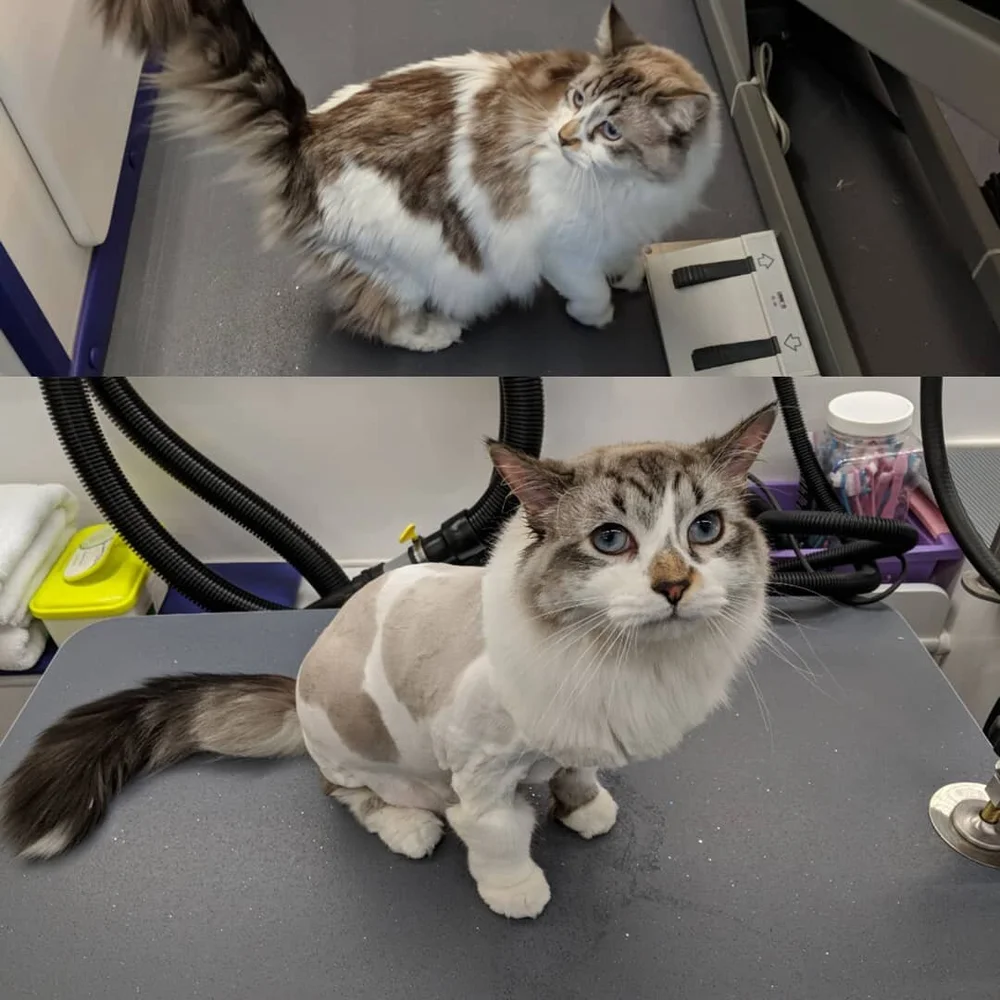
Credit: www.squeakycleangrooming.com
Common Grooming Challenges
Grooming a long-haired cat can be rewarding, but it comes with its own set of challenges. Understanding these common obstacles can help you prepare and make the process smoother for both you and your feline friend. Let’s break down some typical grooming difficulties and how to handle them effectively.
Dealing With Resistant Cats
It’s normal for cats to resist grooming, especially if they are not used to it. Your cat might squirm, scratch, or even try to run away. Patience is key—start with short sessions and use gentle strokes to build trust.
Try to create a calm environment. Speaking softly and offering treats can turn grooming into a positive experience. Have you noticed times when your cat is more relaxed? Try grooming during those moments.
Handling Mats Safely
Mats are a common problem with long-haired cats, and they can be painful if pulled or cut improperly. Never use scissors near your cat’s skin unless you are very confident. Instead, use a dematting comb or ask your vet for advice on safe removal.
Regular brushing helps prevent mats from forming. If mats are severe, try to separate them gently with your fingers before using tools. How often do you check your cat’s fur for tangles?
When To Seek Professional Help
Some mats or grooming challenges are best handled by professionals. If your cat becomes highly stressed or aggressive, or if mats are too tight and close to the skin, a groomer or vet can safely manage the situation.
Professional groomers have the right tools and experience to deal with stubborn mats and delicate skin. Don’t wait too long—ignoring severe mats can cause discomfort or skin infections. Have you considered professional grooming as part of your cat’s care routine?
Health Issues Linked To Poor Grooming
Poor grooming in long-haired cats causes several health problems. Their thick fur can trap dirt and moisture. This creates a perfect place for infections to grow. Without regular care, these issues worsen quickly. Grooming keeps your cat clean and healthy. It helps avoid painful and costly medical problems.
Skin Infections
Matted fur holds bacteria and fungi next to the skin. This can cause redness, swelling, and sores. Cats may scratch or bite the area, making infections worse. Grooming removes mats and keeps skin dry. It lowers the risk of painful infections.
Hairballs
Long-haired cats swallow loose fur when they lick themselves. The fur collects in their stomach and forms hairballs. These can cause coughing, vomiting, and stomach blockages. Regular brushing removes loose hair before swallowing. It reduces hairball problems and keeps digestion smooth.
Allergies And Irritations
Dirty, matted fur traps allergens like pollen and dust. This irritates your cat’s skin and causes itching. Untreated irritation leads to redness and hair loss. Grooming clears trapped allergens and soothes the skin. It keeps your cat comfortable and itch-free.

Credit: www.reddit.com
Frequently Asked Questions
Why Is Grooming Important For Long-haired Cats?
Grooming prevents mats and tangles in long fur. It reduces hairballs and skin problems. Regular grooming keeps your cat comfortable and healthy.
How Often Should I Groom My Long-haired Cat?
Long-haired cats need grooming at least 3-4 times a week. Daily brushing is ideal to avoid mats and shedding. Consistency is key for maintaining a healthy coat.
Can Grooming Reduce Shedding In Long-haired Cats?
Yes, grooming helps remove loose fur and reduces shedding. Regular brushing minimizes hair around your home. It also improves your cat’s coat condition.
What Tools Are Best For Grooming Long-haired Cats?
Use a wide-toothed comb and a slicker brush. These tools help detangle and remove loose hair gently. Avoid harsh brushes that can hurt your cat’s skin.
Conclusion
Grooming your long-haired cat keeps their coat healthy and clean. It helps stop mats and tangles that cause pain. Regular brushing also reduces shedding around your home. Cats often enjoy gentle grooming time with their owners. It builds trust and strengthens your bond.
Start slowly and use soft brushes made for cats. Watch your cat’s reactions and adjust grooming sessions. A little care goes a long way in keeping your cat happy and comfortable. So, yes, grooming your long-haired cat is worth the effort.



Leave a Reply