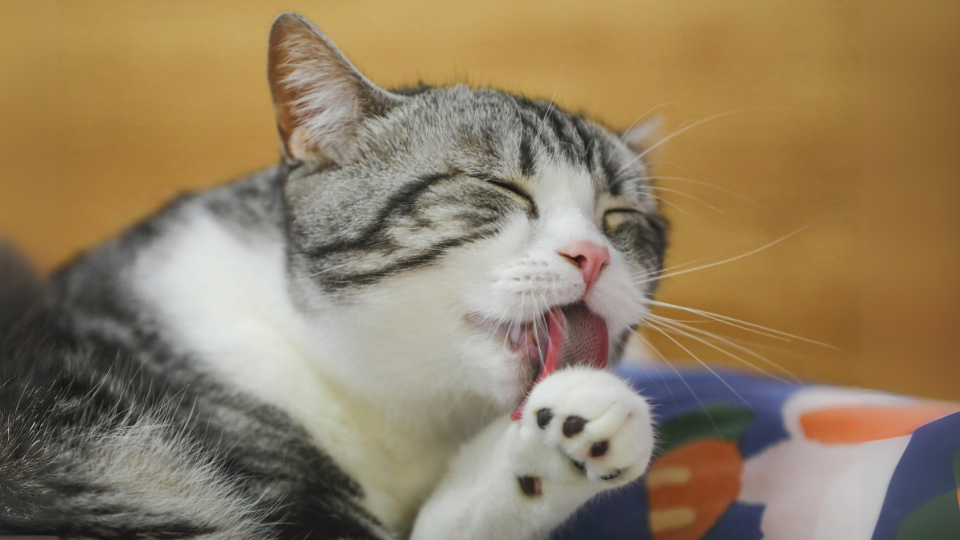
Have you ever watched your cat carefully licking her toys and wondered why she does it? It might seem a little strange, but this behavior is more common than you think.
Understanding why your furry friend licks her toys can help you connect with her better and keep her happy. You’ll discover the surprising reasons behind this curious habit and learn what it means for your cat’s health and happiness. Keep reading—you’ll be amazed at what your cat is trying to tell you!

Credit: www.moopetcover.com
Cat Behavior Basics
Cats show many behaviors that help us understand their feelings and needs. These actions are often instinctive and rooted in their wild ancestors. Observing these behaviors helps owners know what their cats want or feel. Cats use their bodies and mouths to explore the world around them. This exploration is important for their mental and physical health.
Common Cat Actions
- Purring signals contentment or comfort.
- Kneading shows relaxation or affection.
- Scratching marks territory and keeps claws sharp.
- Chasing toys mimics hunting instincts.
- Licking can mean grooming, stress relief, or curiosity.
Why Cats Use Their Mouths
Cats rely on their mouths to learn about objects. Their mouths help them feel texture and taste. Licking toys is one way cats test if something is safe or interesting. Cats also use their mouths to play or show affection. Sometimes licking is soothing for cats and reduces anxiety.
Toys And Scent Marking
Cats use licking as a way to interact with their environment, especially when it comes to their toys. Toys aren’t just playthings; they become part of your cat’s personal territory. Through licking, your cat leaves a scent mark, signaling ownership and comfort.
How Cats Claim Their Toys
Your cat doesn’t just play with toys; she claims them. Licking is a natural behavior that helps her deposit saliva, which carries her unique scent. This scent marking tells other cats—or even you—that this toy belongs to her.
Have you noticed your cat licking the same toy repeatedly? That’s her way of reinforcing her claim. This behavior can also reduce stress and create a familiar environment for her.
Scent Glands On The Tongue
You might wonder how licking transfers scent. It’s because cats have special scent glands on their tongues. When your cat licks her toy, these glands release pheromones and other chemicals that carry her unique smell.
This scent marking is subtle but effective. It’s a form of communication that’s invisible to you but very clear to other cats. Understanding this can help you appreciate why your cat might focus so much on her favorite toys.
Hunting Instincts At Play
Cats have mysterious behaviors that often intrigue us. One such behavior is licking toys. This action might seem strange, but it connects to their hunting instincts. Cats are born hunters. Even indoor cats retain these instincts. Licking toys is part of this natural behavior. Let’s explore how this relates to their hunting instincts.
Simulating Prey Capture
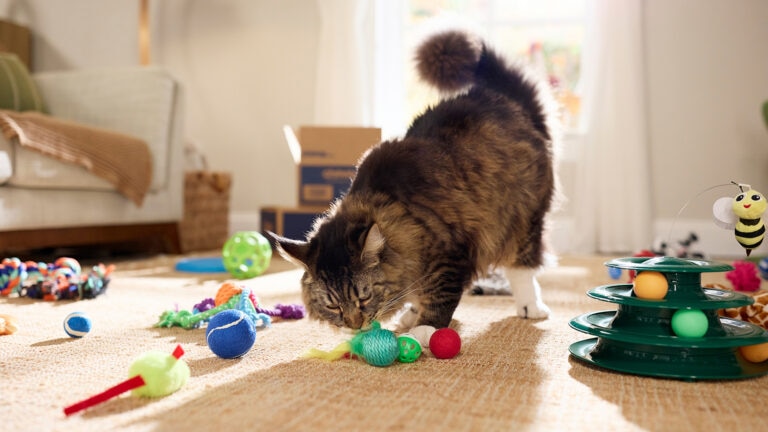
Cats often play with toys as if they’re prey. They pounce, bite, and bat at them. Licking follows these actions. It mimics cleaning prey after a catch. This sequence is instinctual. It provides mental stimulation. It satisfies their innate drive to hunt. Watching a cat play, you might notice its focus. Every move has purpose. Each lick, a step in the hunt simulation.
Licking As Part Of The Hunt
Licking toys might seem odd, but it’s a hunting ritual. In the wild, cats lick prey to clean it. This instinct carries over to toys. It helps maintain their hunting skills. Licking also transfers their scent. It marks toys as theirs. This scent-marking reassures cats. It makes them feel safe in their environment. Understanding this helps us appreciate our cats’ behaviors more.
Credit: www.chewy.com
Comfort And Stress Relief
When your cat licks her toys, it’s often more than just play. This behavior can be a sign that she’s seeking comfort or trying to relieve stress. Understanding this can help you provide a more calming environment for your furry friend.
Soothing Behaviors
Licking is a natural way cats soothe themselves. Just like how some people bite their nails or tap their fingers, cats use licking to calm their nerves.
When your cat licks her toy, she might be recreating the feeling of grooming, which is a comforting and familiar activity. This action can help her feel more secure, especially if she’s in a new or stressful situation.
Have you noticed if your cat licks her toys more during noisy events or when visitors come over? This might be her way of managing the extra tension.
Licking As A Calming Mechanism
Licking triggers the release of endorphins in cats, which helps reduce anxiety and provides a sense of well-being. This explains why your cat might return to her toy repeatedly when she feels uneasy.
Providing your cat with soft, washable toys that she can safely lick might help her manage stress better. You can even try gently rubbing a bit of catnip or calming pheromone spray on the toy to enhance its soothing effect.
Think about your cat’s daily routine—are there moments when she seems restless or anxious? Offering a toy to lick during those times could be a simple, effective way to support her emotional health.
Health And Hygiene Factors
Understanding the health and hygiene reasons behind your cat licking her toys can help you keep her safe and happy. Cats often use licking as a way to maintain cleanliness, but this behavior can also signal other needs or issues. Paying attention to how and when your cat licks her toys gives you clues about her well-being.
Cleaning Toys And Teeth
Cats naturally groom themselves to stay clean, and licking toys can be an extension of this habit. Toys might carry dirt, dust, or even germs, so your cat’s licking helps remove some of these particles. Sometimes, toys with interesting textures or scents encourage more licking, which your cat may find soothing.
Besides cleaning, licking toys can also help your cat’s dental health. The repetitive motion can gently massage her gums and reduce plaque buildup, acting like a mild toothbrush. Have you noticed your cat favoring soft, rubbery toys? These can be especially good for her teeth during licking sessions.
When To Watch For Over-licking
While occasional licking is normal, excessive licking of toys might signal a problem. If your cat licks her toys so much that it causes wear or damages the toy, or if she starts to lick herself excessively afterward, it’s time to pay attention. Over-licking can indicate stress, boredom, or even dental pain.
Look out for other signs such as redness, swelling, or bald patches on her skin. These could mean irritation or allergies. If you spot these signs or notice a sudden increase in licking behavior, consider consulting your vet to rule out health issues.
Nutritional Curiosity
Cats often explore their environment through taste and smell. This behavior helps them learn about new objects. Toys can carry interesting scents and flavors that catch a cat’s attention. Nutritional curiosity drives cats to lick toys to discover if they offer something edible or nutritious.
Tasting Residues On Toys
Toys may have tiny food bits or scent traces from the home. Cats lick toys to check for these residues. Even a small smell of food makes toys appealing. This licking can reveal hidden flavors or smells that interest cats.
Exploring Flavors And Textures
Cats enjoy different textures on their tongues. Soft, rough, or rubbery surfaces give varied sensations. Licking toys helps cats explore these textures. It also satisfies their natural curiosity about new tastes and feelings. This behavior is part of how cats understand their world better.
When To Seek Veterinary Advice
Noticing your cat licking her toys might seem harmless, but it’s important to know when this behavior signals a need for professional help. Sometimes, excessive licking can point to underlying issues that require a vet’s attention. Understanding the signs and causes will help you decide when to seek veterinary advice to keep your feline friend healthy and happy.
Signs Of Behavioral Issues
If your cat licks her toys obsessively, it might indicate stress or anxiety. Look for other behaviors like:
- Excessive grooming beyond normal cleaning
- Hiding or avoiding interaction
- Sudden changes in appetite or sleep patterns
- Destructive play or aggression
These signs can suggest that licking is more than just play—it could be a coping mechanism. Have you noticed if your cat shows any of these behaviors alongside licking? Tracking these changes helps your vet understand the root cause.
Potential Medical Causes
Licking toys might also stem from medical problems. Conditions like dental pain, nausea, or neurological disorders can trigger unusual licking habits. Sometimes, nutritional deficiencies or gastrointestinal issues make cats seek odd textures or tastes.
Watch for symptoms such as:
- Drooling or pawing at the mouth
- Vomiting or diarrhea
- Seizures or uncoordinated movements
- Weight loss despite normal eating
If your cat shows these signs, consult your vet promptly. Early diagnosis can prevent more serious health problems and improve your cat’s quality of life.
Credit: animals.howstuffworks.com
Frequently Asked Questions
Why Does My Cat Lick Her Toys Frequently?
Cats lick their toys to explore textures and scents. It mimics hunting behavior and provides comfort. Licking also helps them mark toys with their scent, making the items feel familiar and safe.
Is Licking Toys A Sign Of Cat Stress?
Licking toys can sometimes indicate mild stress or anxiety. It serves as a self-soothing behavior. However, occasional licking is normal and usually not a cause for concern unless excessive.
Can Licking Toys Harm My Cat?
Generally, licking toys is harmless if toys are clean and safe. Avoid toys with small parts or toxic materials. Supervise play to prevent choking or ingestion of harmful substances.
Does Licking Toys Mean My Cat Is Bored?
Yes, cats may lick toys when bored to stimulate themselves. It provides mental engagement and relieves boredom. Offering interactive toys can reduce excessive licking and keep your cat entertained.
Conclusion
Cats lick their toys for many reasons. It can show comfort, curiosity, or playfulness. Sometimes, licking helps them explore new textures. It also helps them feel safe and happy. Watching your cat lick toys can tell you about her mood.
Pay attention to her behavior to understand better. Providing clean, safe toys is important. This keeps your cat healthy and entertained. Enjoy these small moments with your furry friend. They reveal her unique personality and needs.



Leave a Reply