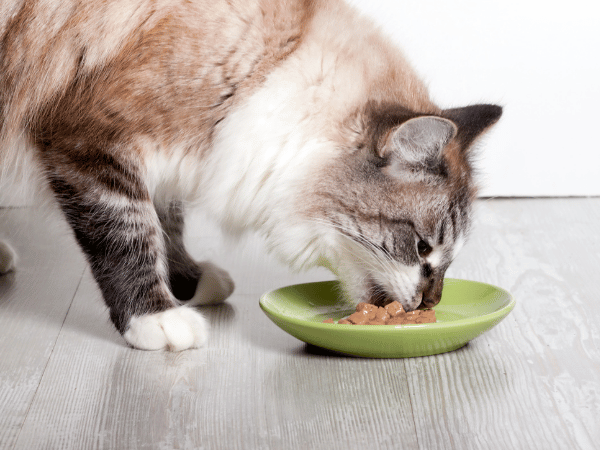
Are you worried because your adult cat suddenly has diarrhea? You might be surprised to learn that the food meant for kittens could be the cause.
Feeding your grown cat kitten food might seem harmless, but it can upset their stomach and lead to digestive problems. If you want to keep your furry friend healthy and happy, understanding how their diet affects their digestion is key.
Keep reading to discover why kitten food can cause diarrhea in adult cats and what you can do to fix it fast.
Credit: www.splootvets.com
Kitten Food Vs Adult Cat Diet
Understanding the differences between kitten food and an adult cat diet is key to preventing digestive issues like diarrhea. Kitten food is specially formulated to support rapid growth, while adult cat food focuses on maintenance and balanced nutrition. Feeding the wrong type can upset your cat’s stomach and cause discomfort.
Nutritional Differences
Kitten food contains higher levels of essential nutrients to support development. It often has more vitamins, minerals, and fatty acids than adult cat food. Adult cats don’t need as many nutrients for growth, so their food has a different balance.
If your adult cat eats kitten food regularly, the extra nutrients might overwhelm their digestive system. Have you noticed your cat’s stool becoming loose after switching foods? This could be due to those nutritional differences.
Calorie And Protein Content
Kitten food is richer in calories and protein to fuel energy and muscle growth. Adult cat food has fewer calories to help maintain a healthy weight and prevent obesity. Excess calories and protein can stress an adult cat’s digestive tract.
Too much protein can make your cat’s stool softer or cause diarrhea. If your cat’s activity level doesn’t match their calorie intake, their digestion may suffer. Adjusting their diet to their life stage helps keep digestion smooth.
Suitability For Adult Cats
While kitten food isn’t toxic to adult cats, it’s not ideal for long-term feeding. Adult cats need balanced nutrition tailored to their slower metabolism and different energy needs. Feeding kitten food may lead to digestive upset, weight gain, or nutrient imbalances.
Consider your cat’s individual needs and health status. Would switching to an adult formula improve their digestion and overall well-being? Paying attention to diet can prevent issues like diarrhea and keep your cat happy.
Credit: cats.com
Common Causes Of Diarrhea In Adult Cats
Feeding adult cats kitten food can upset their stomachs and cause diarrhea. Kitten food is richer in nutrients, which may be hard for adults to digest. Other causes include infections, allergies, or sudden diet changes.
Diarrhea in adult cats can be a concerning issue for pet owners. It’s crucial to understand the common causes to manage and prevent this uncomfortable situation effectively. By identifying the root of the problem, you can ensure your feline friend remains healthy and happy.Dietary Changes
Sudden changes in your cat’s diet can upset their sensitive digestive system. If you’ve recently switched foods, even to a higher quality option, your cat might experience diarrhea. Gradually introducing new food over a week can help minimize digestive issues.Food Intolerances And Allergies
Just like humans, cats can develop food intolerances or allergies. Ingredients such as dairy, beef, or grains can be problematic for some cats. If you notice diarrhea after feeding certain foods, it might be time to consult your vet for an elimination diet to identify the culprit.Infections And Parasites
Infections and parasites are common causes of diarrhea in adult cats. Bacterial infections or parasites like worms can wreak havoc on your cat’s digestive system. Regular veterinary check-ups and proper hygiene can help prevent these issues. Understanding these causes can empower you to take proactive steps in caring for your cat. Could your feline’s recent tummy troubles be linked to any of these factors?How Kitten Food Affects Adult Cat Digestion
Understanding how kitten food affects adult cat digestion is key to preventing unwanted issues like diarrhea. Kitten food is designed with specific nutrients to support rapid growth and high energy needs. However, feeding this to an adult cat can disrupt their digestive balance and cause discomfort.
Rich Ingredients Impact
Kitten food often contains higher levels of protein and fat compared to adult cat food. This richness supports kittens’ development but can overwhelm an adult cat’s digestive system. You might notice loose stools or diarrhea if your cat’s body struggles to process these dense nutrients.
Have you ever switched your cat’s food and seen a sudden change in their stool consistency? That’s a clear sign their digestion is reacting to the new diet. Adult cats usually require a more balanced nutrient profile, so overly rich ingredients can be too heavy for them.
Fiber And Digestive Health
Fiber plays a crucial role in your cat’s digestive health. Kitten food typically has less fiber since kittens need more calories and less bulk. On the other hand, adult cat food includes fiber to promote regular bowel movements and gut health.
If your adult cat eats kitten food regularly, the lack of fiber can lead to digestive upset. You might see more frequent or watery stools as their digestive system struggles to manage the lower fiber content. Adjusting fiber intake can often improve stool quality and overall digestion.
Potential Overfeeding Risks
Kitten food is calorie-dense to meet the high energy needs of growing cats. Feeding this to an adult cat without adjusting portion sizes can lead to overfeeding. Overfeeding not only causes weight gain but can also trigger diarrhea as their digestive system gets overloaded.
Think about how much you feed your cat daily—are you measuring or guessing? Overfeeding can sneak up on you, especially with richer foods. Keeping portions appropriate for your cat’s age and activity level helps maintain digestive health and prevents uncomfortable symptoms.
Identifying Food-related Diarrhea
Noticing diarrhea in your adult cat after switching to kitten food can be confusing. Understanding whether the food is the cause helps you take the right steps quickly. Identifying food-related diarrhea involves observing specific signs and knowing when to seek help.
Symptoms To Watch For
Look out for frequent, loose, or watery stools that differ from your cat’s normal bowel movements. You might also see changes in appetite, lethargy, or signs of discomfort like straining or frequent litter box visits. Sometimes, diarrhea comes with vomiting or mild dehydration, which are red flags.
Keep an eye on your cat’s behavior too. If your cat seems restless or avoids food, these symptoms combined with diarrhea could point to food intolerance or sensitivity.
Duration And Severity
Diarrhea lasting more than 24 to 48 hours is a clear sign that something isn’t right. Mild cases that resolve quickly may not need intervention, but persistent or severe diarrhea risks dehydration and nutrient loss. Pay attention to the volume and frequency—large amounts or very frequent bowel movements require immediate attention.
Think about your cat’s usual diet and any recent changes. Has the kitten food caused any sudden shifts in stool consistency or frequency? Sometimes, kitten food’s higher fat and protein can upset an adult cat’s digestive system.
When To Consult A Vet
If diarrhea lasts more than two days, or if your cat shows other symptoms like vomiting, weight loss, or severe lethargy, it’s time to call your vet. Sudden changes in diet can cause discomfort, but persistent issues might indicate an allergy, infection, or other health problems.
Don’t wait if you notice blood or mucus in the stool. Your vet can help identify if the kitten food is the culprit or if another underlying issue needs treatment. Early consultation can prevent complications and ensure your cat stays healthy and comfortable.
Preventing Diarrhea From Kitten Food
Preventing diarrhea caused by kitten food involves careful feeding habits. Adult cats have different digestive needs than kittens. Feeding kitten food without changes can upset their stomach. Avoid sudden shifts in diet to protect your cat’s gut health. Follow a few simple steps to keep their digestion smooth.
Gradual Diet Transitions
Switch your cat’s food slowly over 7 to 10 days. Mix a small amount of new food with the old. Increase the new food portion each day. This helps your cat’s digestive system adjust without shock. Sudden changes can cause diarrhea and discomfort.
Choosing The Right Food
Pick adult cat food that meets nutritional needs. Avoid kitten food for adult cats long-term. Adult formulas have balanced protein and fat levels. Look for high-quality ingredients with no fillers. Foods with probiotics can support digestion and reduce diarrhea risk.
Portion Control Tips
Feed your cat the correct amount each day. Overfeeding can cause stomach upset and loose stools. Follow feeding guidelines on the food package. Divide daily food into multiple small meals. Regular portions prevent digestive overload and keep stools firm.
Alternative Diet Options For Adult Cats
Choosing the right diet for adult cats helps maintain their health and prevents digestive issues. Alternative diet options offer variety and support sensitive stomachs. These choices provide balanced nutrition tailored to adult cats’ needs.
Specialized Adult Cat Foods
Specialized adult cat foods contain nutrients suited for grown cats. They have controlled protein and fat levels. These foods often include prebiotics and fibers to aid digestion. Brands focus on formulas that reduce the risk of diarrhea and stomach upset.
Homemade Diets
Homemade diets allow full control over ingredients. Fresh, simple foods reduce the chance of allergies. Balanced recipes combine proteins, carbohydrates, and vitamins. Consult a vet to ensure all nutritional needs are met. Avoid sudden diet changes to prevent digestive problems.
Supplements For Digestive Health
Supplements can improve digestive health in adult cats. Probiotics help balance gut bacteria and support digestion. Digestive enzymes assist in breaking down food more efficiently. Fiber supplements regulate bowel movements and reduce diarrhea risk. Use supplements under vet guidance for safety.
Credit: untamed.com
Frequently Asked Questions
Can Kitten Food Upset An Adult Cat’s Stomach?
Yes, kitten food can upset an adult cat’s stomach. It is richer in calories and nutrients, which may cause diarrhea or digestive issues when fed to adults regularly.
Why Does Kitten Food Cause Diarrhea In Adult Cats?
Kitten food contains higher protein and fat levels. Adult cats may struggle to digest these, leading to diarrhea and stomach discomfort.
How To Transition From Kitten To Adult Cat Food Safely?
Gradually mix adult food with kitten food over 7-10 days. This helps your cat’s digestive system adjust and reduces diarrhea risk.
Can Feeding Kitten Food Long-term Harm Adult Cats?
Long-term feeding of kitten food to adults can cause obesity and nutrient imbalances, which may lead to health problems and digestive upset.
Conclusion
Adult cats may get diarrhea from kitten food due to differences in nutrients. Kitten food has more fat and calories, which can upset an adult cat’s stomach. Switching to adult cat food helps keep digestion steady and healthy. Always introduce new food slowly to avoid tummy troubles.
Watching your cat’s reactions can catch problems early. Choosing the right food supports your cat’s overall health and happiness. Keep your pet comfortable with meals made just for their age.



Leave a Reply