Does your cat seem less interested in grooming lately? You might be wondering, “Should I bathe my cat if it does not groom itself?” It’s a common concern for many cat owners like you.
Cats usually keep themselves clean, but when they don’t, it can raise questions about their health and hygiene. You’ll discover why your cat might be skipping its grooming routine and whether giving your furry friend a bath is the right solution.
Keep reading to find out how to keep your cat happy, healthy, and clean without causing stress for either of you.
Credit: www.purina.com
When Cats Need Baths
Knowing when your cat actually needs a bath can be tricky, especially since cats are usually excellent self-groomers. However, there are times when a bath becomes necessary to keep your furry friend healthy and comfortable. Understanding the signs and reasons behind a cat’s lack of grooming can help you decide when to step in with a gentle bath.
Signs Of Poor Grooming
Is your cat’s fur looking greasy, matted, or unusually dirty? These are clear signals that your cat might not be grooming properly. You might also notice an unpleasant odor or dandruff-like flakes on their skin.
Look closely for patches of fur loss or excessive shedding. These signs can indicate your cat is struggling to maintain its usual cleanliness. If you spot any of these, a bath may help until you figure out the root cause.
Health Issues Affecting Grooming
Sometimes, poor grooming is a sign of underlying health problems. Conditions like arthritis or dental pain can make it difficult or uncomfortable for your cat to groom itself.
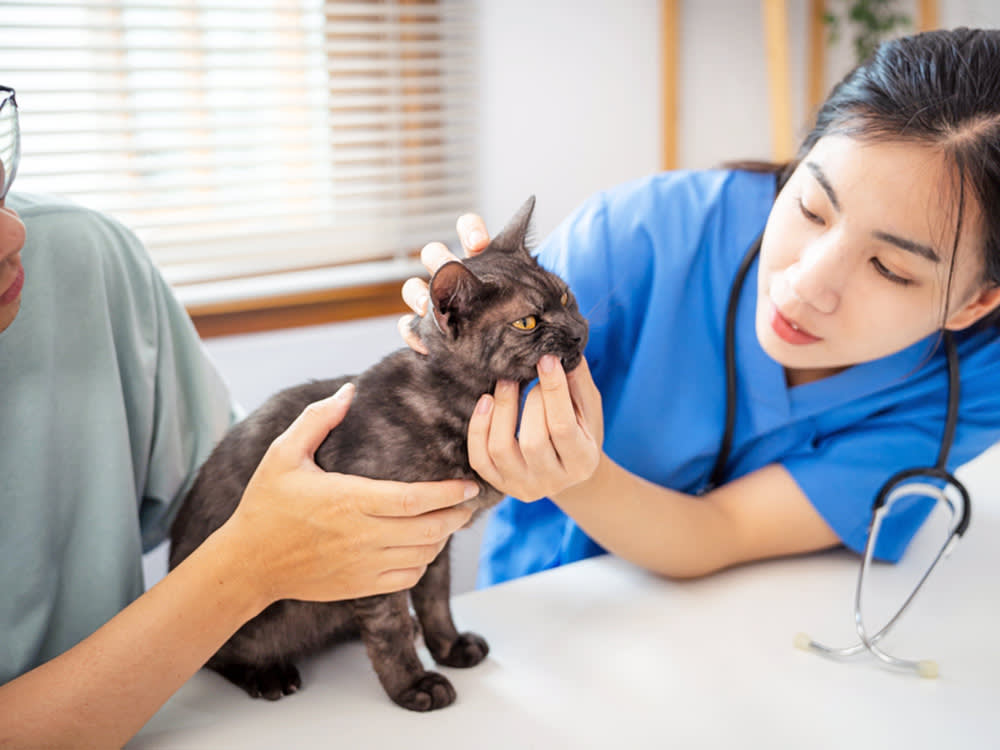
Skin infections or parasites might also prevent proper grooming and cause discomfort. If your cat avoids grooming or seems lethargic, a vet visit is essential before you try bathing. Bathing can provide temporary relief, but addressing health issues is key to long-term care.
Behavioral Reasons For Not Grooming
Stress and anxiety can stop a cat from grooming. Changes in environment, new pets, or even loud noises might cause your cat to neglect its hygiene. Have you noticed your cat hiding or acting differently?
Sometimes, older cats or those with cognitive decline forget to groom. In these cases, baths help maintain cleanliness and comfort. You can also try gentle brushing sessions to encourage grooming behavior and bond with your cat.

Credit: www.pouncehawaii.com
Preparing For The Bath
Preparing your cat for a bath requires more than just running water and soap. Cats that don’t groom themselves often need extra care during bathing to avoid stress and discomfort. Taking the time to prepare properly can make the experience smoother for both you and your feline friend.
Choosing The Right Shampoo
Not all shampoos are safe for cats, especially those with sensitive skin or medical issues. Look for shampoos specifically made for cats, preferably ones that are gentle and free from harsh chemicals.
If your cat has a skin condition, ask your vet for a recommendation. Avoid human shampoos as they can irritate your cat’s skin and cause more harm than good.
Gathering Supplies
Before you start, collect everything you’ll need within arm’s reach. This includes the cat shampoo, a cup or sprayer for rinsing, a towel, and a brush for pre-bath grooming.
Having these ready prevents you from leaving your cat unattended during the bath. Consider using a non-slip mat in the sink or tub to help your cat feel more secure.
Creating A Calm Environment
Your cat will pick up on your mood, so stay calm and speak softly throughout the process. Choose a quiet room with minimal distractions to keep your cat relaxed.
Try playing soft music or using pheromone sprays that reduce anxiety. Taking these steps helps your cat stay calm, making the bath less stressful for both of you.
Bathing Steps For Cats
Bathing a cat that does not groom itself can feel like a daunting task. But breaking the process into clear, manageable steps helps both you and your feline stay calm. Knowing exactly what to do can transform bath time from stressful to surprisingly smooth.
Brushing Before Bathing
Start by brushing your cat thoroughly before the bath. This removes loose fur and mats that can tighten when wet, making your cat more comfortable. A gentle, wide-toothed comb works best for tangled fur, while a soft brush can smooth out the coat.
Have you noticed your cat’s fur matting easily? Brushing regularly can reduce the need for frequent baths and improve their overall coat health.
Water Temperature Tips
Use warm water—not hot or cold—to avoid shocking your cat. Test the temperature on your wrist; it should feel comfortably warm, like a lukewarm bath for a baby. Cats are sensitive to temperature, so getting this right helps keep them calm.
Consider filling a small tub or sink with just a few inches of water to prevent your cat from feeling overwhelmed. This limited depth gives you better control and reduces stress.
Washing Techniques
Choose a cat-specific shampoo that is gentle and free of harsh chemicals. Avoid human shampoos as they can irritate your cat’s skin. Start by wetting your cat slowly using a cup or handheld sprayer, keeping water away from the eyes and ears.
Work the shampoo gently into the fur using your fingers, focusing on areas that look dirty or greasy. Stay calm and speak softly to your cat—your reassurance can make a big difference. Rinse thoroughly to remove all shampoo residue, as leftover soap can cause itching.
Drying Your Cat Safely
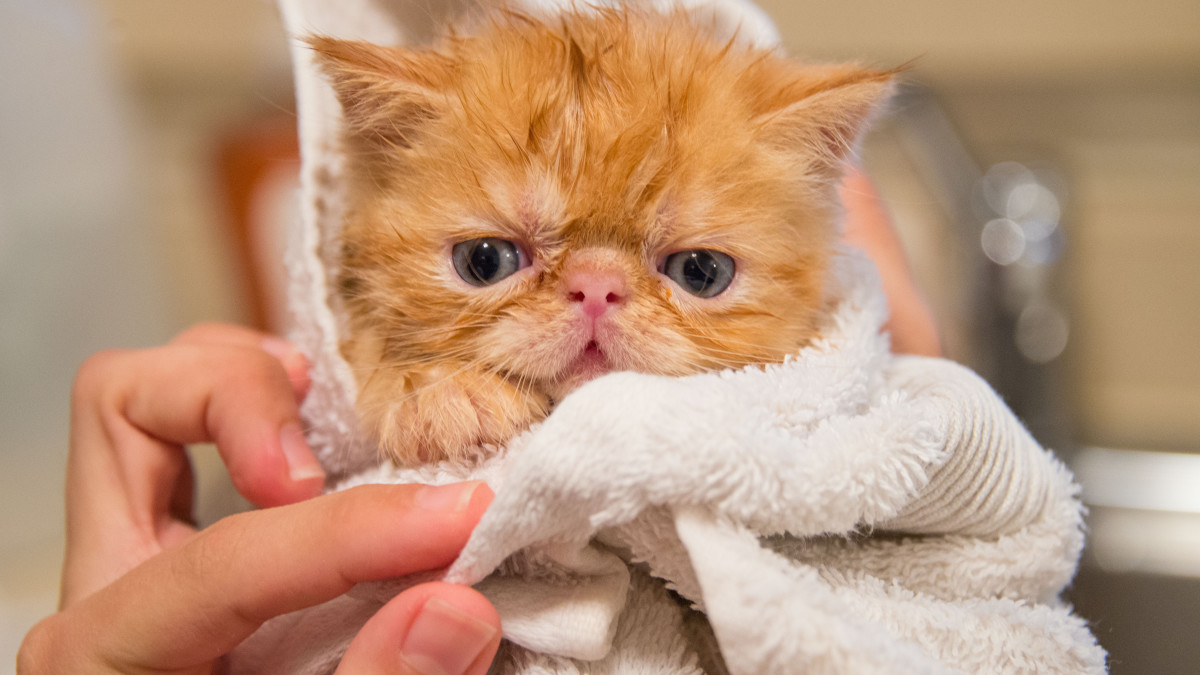
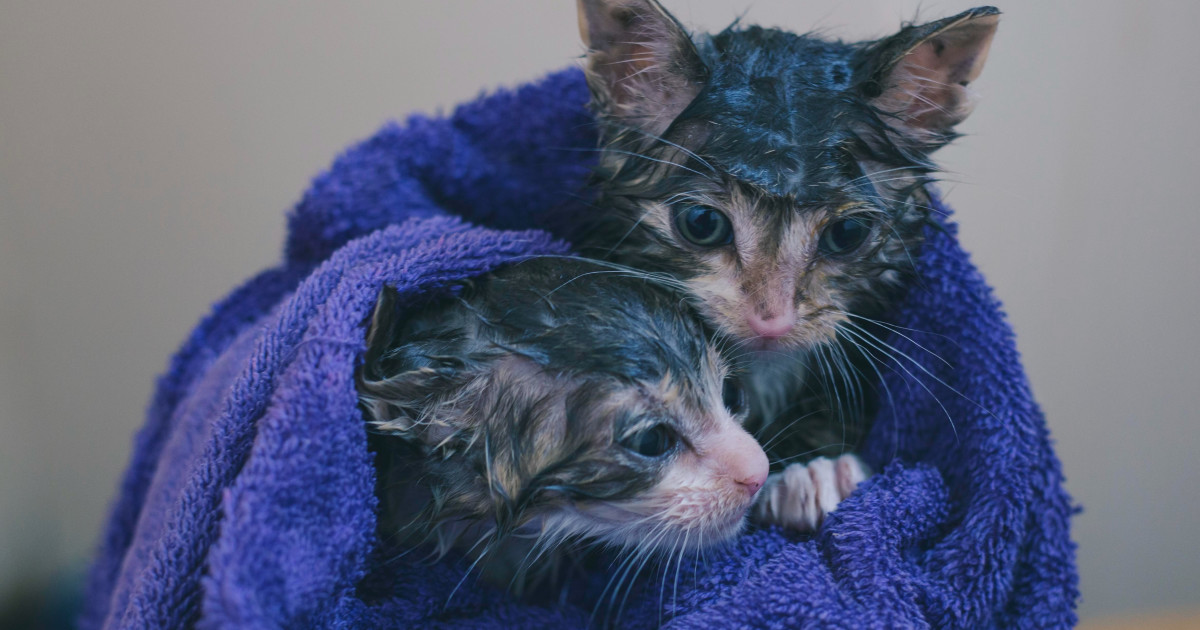
After the bath, wrap your cat in a soft, absorbent towel and gently pat dry. Avoid rubbing vigorously, which can tangle the fur and irritate their skin. If your cat tolerates it, use a hairdryer on the lowest heat and noise settings, keeping it at a safe distance.
Have a warm, quiet space ready for your cat to relax while drying completely. Staying patient and gentle during this step helps your cat feel secure and speeds up recovery from the bath experience.
Alternatives To Bathing
Cats that do not groom themselves may need gentle help to stay clean. Using pet wipes or dry shampoos can keep their fur fresh without water baths. Regular brushing also helps remove dirt and loose hair, promoting a healthy coat.
Considering bathing your cat can seem daunting, especially if your feline friend isn’t fond of water. Thankfully, there are effective alternatives to keep your cat clean without the stress of a bath. Let’s explore a few practical options that can make grooming a more pleasant experience for both you and your pet.Using Grooming Wipes
Grooming wipes are a fantastic tool for spot cleaning your cat. They’re especially useful for cats that don’t groom themselves effectively. Simply grab a pet-safe wipe and gently clean areas that need attention. The wipes are typically infused with safe, deodorizing solutions that leave your cat’s fur fresh and clean. Imagine how convenient it is to clean your cat’s coat without any water involved. Wouldn’t that be a game-changer in your grooming routine?Professional Grooming Services
Sometimes, leaving it to the professionals is the best option. Professional groomers are skilled at handling even the most reluctant cats. They have the right tools and expertise to ensure your cat is clean and comfortable. Consider how stress-free it would be to let someone else manage your cat’s grooming needs. Could this be the solution to your grooming woes?Regular Brushing Routines
Brushing your cat regularly can prevent tangles and remove loose fur. It’s a simple yet effective way to keep your cat’s coat healthy. Use a brush suitable for your cat’s fur type and make it a pleasant bonding experience. Isn’t it delightful to spend quality time with your cat while keeping them clean? Regular brushing might just become your favorite part of the day. By choosing these alternatives, you can maintain your cat’s hygiene without the hassle of a traditional bath.Post-bath Care
Bathing a cat that does not groom naturally requires careful post-bath care. This phase ensures your cat stays comfortable and healthy after the bath. Proper care helps avoid stress and skin problems. Focus on calming your cat and maintaining cleanliness.
Monitoring Your Cat’s Reaction
Watch your cat closely after the bath. Look for signs of stress like hiding or excessive meowing. Check the skin for redness or irritation. Note any unusual behavior such as scratching or licking the bath area. Early detection of problems helps prevent bigger issues.
Preventing Future Grooming Issues
Keep your cat’s coat clean between baths with gentle brushing. Use a soft brush suited for your cat’s fur type. Offer a warm, comfortable place to rest. Maintain a healthy diet to improve fur quality. Regular vet visits support overall grooming health.
When To Consult A Vet
Seek veterinary advice if your cat shows skin problems after bathing. Persistent itching, hair loss, or sores need professional care. A vet can check for infections or allergies. Get help if your cat refuses to eat or acts very weak. Early treatment improves recovery chances.
Credit: pethelpful.com
Frequently Asked Questions
Why Does My Cat Stop Grooming Itself?
Cats may stop grooming due to illness, stress, pain, or obesity. Grooming helps keep them clean and healthy. If your cat stops, check for underlying issues or visit a vet for diagnosis and treatment.
Is Bathing A Cat That Doesn’t Groom Safe?
Bathing a cat that doesn’t groom can be safe if done gently. Use cat-friendly shampoo and warm water. Avoid frequent baths as they may stress your cat. Consult a vet before bathing if unsure about your cat’s health.
How Often Should I Bathe A Non-grooming Cat?
Bathing frequency depends on your cat’s condition. Generally, bathe a non-grooming cat every 4-6 weeks. Too much bathing can dry their skin. Always use gentle products and monitor your cat’s reaction after each bath.
What Are Signs My Cat Needs A Bath?
Your cat needs a bath if it has dirt, grease, or a strong odor. Matted fur, skin infections, or fleas also require bathing. If your cat cannot clean itself, a bath helps maintain hygiene and comfort.
Conclusion
Bathing a cat that does not groom can help keep it clean and healthy. Regular baths can reduce dirt, odors, and skin problems. Always use cat-friendly shampoo and gentle water temperature. Watch your cat’s behavior during the bath to avoid stress.
Remember, bathing is not a replacement for regular brushing. Consult a vet if grooming issues continue or worsen. Taking care of your cat’s hygiene ensures a happier, healthier pet. Simple steps make a big difference in your cat’s comfort and well-being.


Leave a Reply