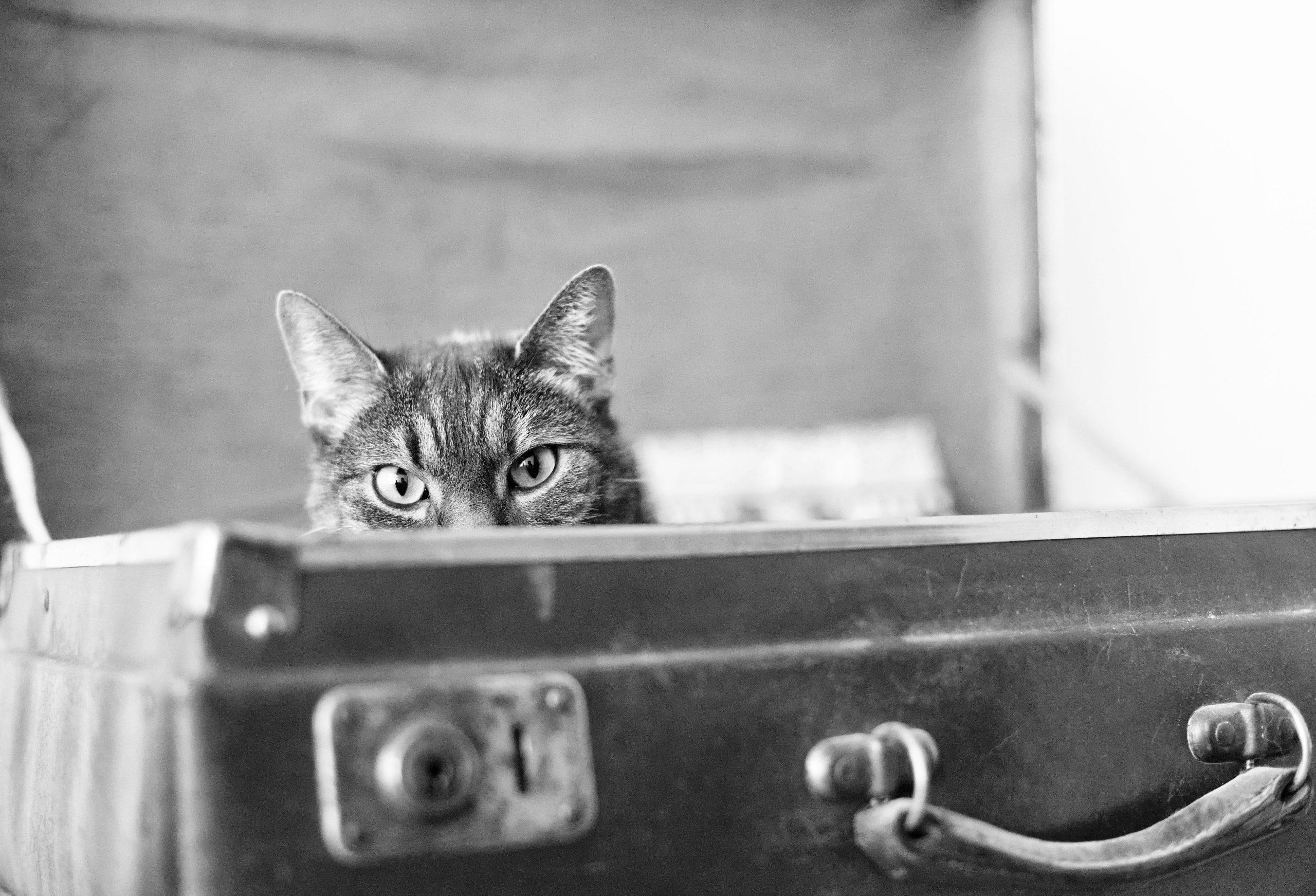
Are you worried about leaving your cat alone while you go on vacation? You might wonder if a break for you could be bad for your cat’s health.
Cats are creatures of habit, and changes in their routine can sometimes cause stress. But does that mean your time away will harm your furry friend? Keep reading to discover what really happens to your cat when you’re gone, and learn how you can make sure your pet stays happy and healthy—even when you’re not home.
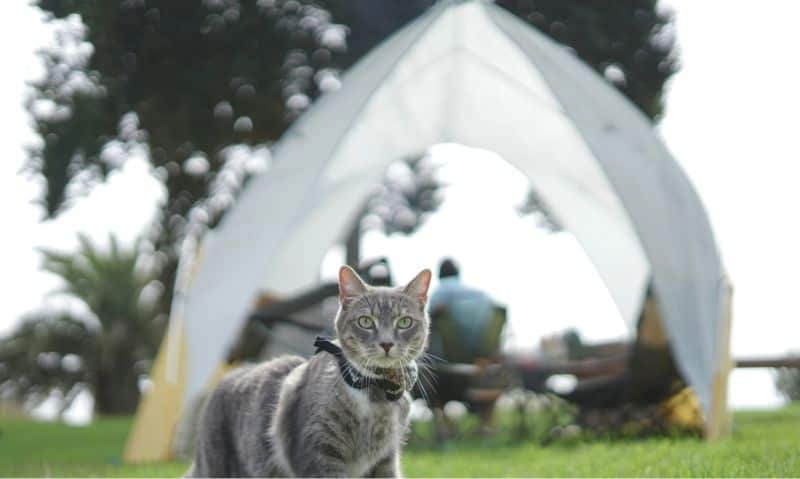
Credit: shedhappens.net
Cats And Stress Factors
Cats are creatures of habit, and any sudden change can throw them off balance. Stress factors related to vacations can affect their health in subtle but important ways. Understanding how your cat reacts to stress can help you make better decisions for their well-being during your time away.
How Cats React To Changes
Cats often respond to changes in their environment with anxiety or confusion. They may hide more, vocalize loudly, or show signs of restlessness. Some cats even refuse to eat or use the litter box properly when faced with unfamiliar situations.
Have you noticed your cat acting differently after a simple rearrangement of furniture? That’s a small sign of how sensitive they are to change.
Impact Of Owner’s Absence
Your presence provides comfort and security to your cat. When you’re gone, especially for several days, your cat may feel abandoned or stressed. This can lead to behaviors like excessive meowing, destructive scratching, or withdrawal.
Leaving a familiar scent behind or arranging for a trusted person to visit can reduce this impact. But have you thought about how your cat perceives your absence emotionally?
Effects Of Environmental Changes
Changes like new caretakers, different feeding times, or altered noise levels can unsettle your cat. Even small shifts in their environment may trigger stress responses. This stress can weaken their immune system, making them more prone to illness.
To ease this, try to keep their routine as consistent as possible. What small adjustments can you make now to keep your cat calm while you’re away?
Health Risks During Owner’s Vacation
Leaving a cat alone or with a temporary caretaker during a vacation can lead to several health risks. Cats thrive on routine and stability. Sudden changes may affect their diet, activity, and emotional state. Understanding these risks helps prepare better care plans to keep cats safe and healthy.
Diet And Feeding Issues
Changes in feeding schedules can upset a cat’s digestion. Caretakers might feed too much or too little. Cats may not eat unfamiliar food. This causes weight loss or stomach problems. Fresh water must always be available to avoid dehydration. Skipping meals or overeating can harm their health.
Physical Activity And Exercise
Less playtime reduces a cat’s physical activity. Cats stuck indoors might become lazy or overweight. Boredom leads to less movement, affecting muscles and joints. Regular exercise keeps cats fit and prevents health issues. Without enough activity, cats can develop obesity and related diseases.
Emotional Well-being Concerns
Cats can feel stressed or anxious without their owner. A change in environment or caretaker causes confusion. Stress weakens the immune system, making illness more likely. Some cats become withdrawn or aggressive. Comfort and familiar scents help reduce emotional strain during absence.
Role Of Caretakers
When you plan a vacation, your cat’s well-being depends heavily on the person caring for them. The role of caretakers extends beyond feeding and cleaning litter boxes. They must provide comfort, monitor health, and maintain your cat’s routine to keep stress levels low.
Choosing The Right Caregiver
Picking someone who understands your cat’s personality is crucial. Not every cat warms up quickly to strangers, so consider someone patient and calm. Ask yourself: does this person know how to spot signs of stress or illness in cats?
Try introducing your cat to potential caregivers before your trip. Observe how your cat reacts—does it hide, purr, or seek attention? This can guide you toward the best match.
Benefits Of Professional Pet Sitters
Professional sitters bring experience and reliability. They know how to handle emergencies and can provide updates to ease your mind. Many also follow specific protocols for feeding, medication, and playtime.
Hiring a professional often means your cat stays in a familiar environment, reducing anxiety. You avoid the risk of your cat feeling abandoned or lonely, which can affect their health.
Family And Friends As Temporary Caretakers
Trusted family members or friends can be great if they are familiar with your cat’s habits. However, they may lack experience or time to give your cat full attention. Clear communication about your cat’s needs is key.
Provide detailed instructions on diet, litter cleaning, and favorite toys. Leaving emergency contacts and vet information ensures quick responses if anything goes wrong. Have you ever noticed your cat’s mood change when a less familiar person cares for them?

Credit: www.catster.com
Preparing Your Cat For Your Trip
Preparing your cat for your trip can reduce their stress levels. Cats thrive on routine and familiarity. Any disruption can make them anxious. A few thoughtful steps can help ease their anxiety. Creating a comfortable and familiar environment is key. Introducing caregivers beforehand also helps your cat feel more secure. Let’s explore how you can make your cat’s time away from you less stressful.
Maintaining Routine And Familiarity
Cats love routine. Keep feeding and play schedules consistent. Try to maintain the same meal times as usual. Use the same type of food and litter. This helps your cat feel safe and secure. A sudden change in routine can lead to stress. Ensure their favorite toys and bedding are available.
Introducing Caretakers Beforehand
Ensure the caretaker visits before you leave. Let your cat interact with them. This builds familiarity and trust. Your cat will feel more comfortable with a known person. Share your cat’s habits and quirks with the caretaker. Leave clear instructions for feeding and care routines.
Creating A Comfortable Environment
Set up a cozy space for your cat. Use their favorite blankets and toys. This provides comfort in your absence. Ensure the environment is quiet and safe. Limit access to rooms that could cause harm. A calm space helps reduce anxiety.
Alternatives To Leaving Your Cat Alone
Leaving your cat alone during a vacation can be stressful for both of you. Thankfully, there are alternatives that help keep your feline friend comfortable and cared for without the anxiety that comes from isolation. These options range from bringing your cat along to using technology for remote monitoring, each with its own benefits and challenges.
Taking Your Cat On Vacation
Bringing your cat along can be a great way to keep them close and reduce their stress. However, you need to consider their comfort and safety during travel. Cats can be sensitive to new environments, so packing familiar items like their favorite blanket or toys can help them adjust.
Think about your destination’s pet policies and whether it’s a cat-friendly place. A quiet cabin might be better than a bustling hotel. Have you ever noticed how your cat reacts to car rides? This insight can guide you in deciding if traveling together is a good fit.
Boarding Facilities And Their Pros And Cons
Boarding your cat at a professional facility ensures they receive daily care and social interaction. Many facilities offer playtime, grooming, and medical supervision, which can be reassuring if your cat has special needs.
However, some cats find the new environment stressful. Before choosing, visit the facility to check cleanliness and staff friendliness. Ask about their emergency protocols and how often they update pet owners.
- Pros:Professional care, socialization, medical support
- Cons:Possible stress from new environment, cost, less personalized attention
Using Technology For Remote Care
Technology offers clever ways to keep an eye on your cat from afar. Devices like pet cameras allow you to watch and talk to your cat anytime. Some even dispense treats, helping you interact and reassure your pet while you’re away.
Automated feeders ensure your cat gets meals on schedule. Combined with apps that track activity and health, you can maintain a sense of connection. Have you tried using tech to check in on your pet? It might surprise you how much it eases your mind.
Signs Your Cat Is Struggling
Cats can hide stress well. Watching closely for signs helps catch problems early. Stress can affect their health and happiness. Recognizing these signs lets you act fast to help your cat.
Behavioral Changes To Watch For
- Hiding more than usual
- Loss of interest in play
- Increased aggression or irritability
- Excessive vocalization or meowing
- Changes in litter box habits
- Decreased grooming or messy fur
Health Symptoms Indicating Stress
- Loss of appetite or weight loss
- Vomiting or diarrhea
- Excessive shedding
- Rapid breathing or panting
- Frequent scratching or skin irritation
- Lethargy or lack of energy
When To Seek Veterinary Help
- Symptoms last more than a few days
- Severe vomiting or diarrhea
- Sudden changes in behavior or appetite
- Signs of pain or discomfort
- Difficulty breathing or extreme lethargy
Balancing Your Needs And Your Cat’s Health
Balancing your desire to travel with your cat’s health needs can be tricky. Cats are creatures of habit and sudden changes can affect their well-being. It’s important to find a middle ground that keeps both you and your furry friend happy and healthy.
Planning Trips With Your Cat In Mind
Think about your cat’s routine before making travel plans. Cats thrive on consistency, so try to keep feeding and playtime schedules as normal as possible. If you plan to leave your cat at home, arrange for a trusted person to visit regularly to provide food, water, and companionship.
Consider bringing your cat along only if they are comfortable with travel. Some cats handle car rides well, while others get stressed. If you decide to travel with your cat, prepare a carrier that feels safe and bring familiar items like their favorite blanket or toy.
Minimizing Stress For Both Owner And Pet
Stress affects cats’ health just as much as it does yours. Before your trip, try short practice runs in the carrier to help your cat get used to it. This simple step can reduce anxiety significantly.
While away, keep your communication open with the caretaker or check in with your cat via video calls if possible. Knowing your cat is doing well will ease your mind and help you enjoy your vacation more.
Long-term Health Considerations
Repeated trips and changes in environment can impact your cat’s long-term health. Chronic stress might weaken their immune system or cause behavioral issues. Are you willing to adjust your travel frequency to keep your cat’s health in check?
Think about preventive measures like regular vet check-ups and ensuring your cat’s environment remains enriched and stimulating. Small changes on your end can make a big difference in maintaining your cat’s health over time.
Credit: www.petguide.com
Frequently Asked Questions
Can A Vacation Stress My Cat’s Health?
Yes, vacations can stress cats due to changes in routine and environment. Stress may affect their eating and behavior. Proper care and familiar items help reduce anxiety. Ensuring a calm environment maintains their health during your absence.
How To Keep My Cat Healthy During Trips?
Maintain your cat’s feeding schedule and provide fresh water. Use familiar toys and bedding to comfort them. Arrange trusted pet sitters or boarding facilities. Regular communication with caregivers ensures your cat’s needs are met while away.
Does Leaving A Cat Alone Harm Its Health?
Leaving a cat alone too long can cause stress, loneliness, and health issues. Cats need social interaction and mental stimulation. Arrange daily check-ins or pet care to prevent negative effects on their well-being.
Are Pet Sitters Better Than Boarding For Cats?
Pet sitters offer personalized care in a familiar home, reducing stress. Boarding may expose cats to new environments and other animals. Choose based on your cat’s temperament and comfort needs for optimal health.
Conclusion
Cats can handle short absences if their needs are met. Leaving them alone too long may cause stress or health issues. Arrange good care with feeding, water, and company. Keep their routine as normal as possible. A vacation does not harm cats if planned well.
Caring owners help cats stay happy and healthy. Trust your instincts and plan ahead for peace. Your cat’s well-being matters most during any trip.


Leave a Reply