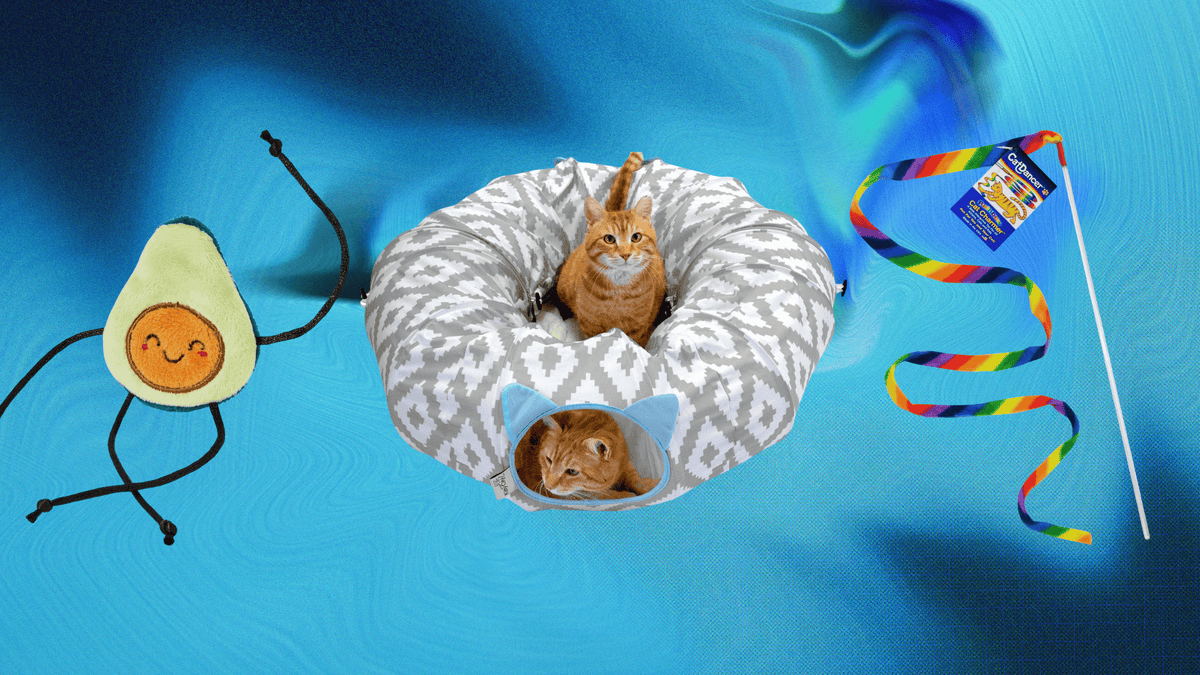
Do you ever wonder why your cat ignores the toys you buy? You’re not alone.
Many cat owners struggle to spark their pet’s interest in playtime. But the good news is, getting your cat excited about toys isn’t as hard as it seems. With a few simple tips, you can turn playtime into your cat’s favorite part of the day.
Keep reading to discover easy tricks that will make your cat eager to chase, pounce, and play like never before.
Credit: www.petscare.com
Choosing The Right Toys
Choosing the right toys for your cat can make all the difference in keeping them engaged and happy. Cats have unique preferences and needs, so understanding these can help you pick toys that truly capture their attention. Let’s look at what types of toys cats prefer, what materials are safest, and whether interactive or solo play suits your feline friend best.
Types Cats Prefer
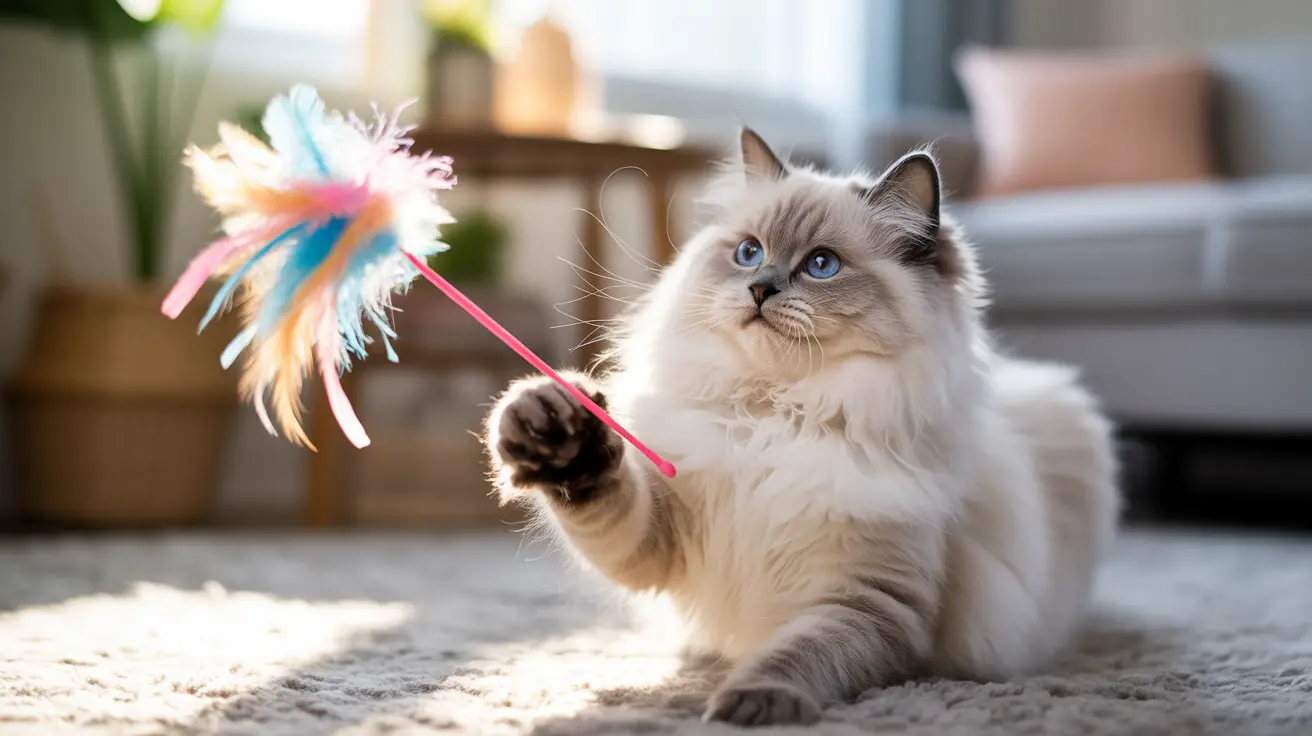
Cats are natural hunters, so toys that mimic prey often excite them the most. Feathers, small balls, and toys that move unpredictably usually grab their interest quickly.
Many cats enjoy toys they can chase, pounce on, or bat around. Some prefer plush toys they can carry in their mouths, while others like lightweight plastic or rubber toys for swatting.
Have you noticed your cat’s favorite play style? Observing this can guide your toy choices and make playtime more rewarding.
Safe Materials
Safety should always come first when selecting toys. Avoid small parts that could be swallowed or materials that easily break apart.
Look for toys made from non-toxic, durable materials like tightly woven fabrics, natural rubber, or hard plastic designed for pets.
Remember, a toy that lasts longer is not only safer but also more cost-effective. Have you checked your cat’s toys regularly for wear and tear?
Interactive Vs Solo Play
Interactive toys require your involvement, such as wand toys or laser pointers. These can strengthen your bond and provide mental stimulation for your cat.
Solo toys, like balls or stuffed mice, let your cat play independently. These are great for times when you’re busy but still want your cat entertained.
Balancing both types can keep your cat mentally and physically active. Which kind does your cat respond to better?

Credit: www.petscare.com
Introducing Toys Effectively
Introducing toys to your cat is more than just handing them a new object. It’s about sparking their curiosity and engaging their natural instincts. The way you present toys can make all the difference in whether your cat takes an interest or walks away.
Timing Play Sessions
Choose moments when your cat is naturally alert but not overly tired. Cats often show bursts of energy early in the morning or right before bedtime. Try offering toys during these times to catch their attention when they’re most playful.
If your cat tends to nap a lot, avoid playtimes right after they wake up—they might need a few minutes to fully wake up before engaging. You might notice your cat’s mood shifts throughout the day; watch for signs like tail twitching or focused eyes as clues they’re ready to play.
Using Scent To Attract
Scents can be powerful motivators for cats. Rub toys with a bit of catnip or sprinkle a little on the surface to make the toy more enticing. Some cats respond strongly to silvervine or valerian root, which you can also try if catnip doesn’t work.
Another trick is to use your own scent. Gently rub the toy on your hands or clothes before giving it to your cat. This familiar smell can create a comforting connection and encourage your cat to explore the toy further.
Mimicking Prey Movements
Cats are hunters by nature. Making toys move like prey can capture their attention quickly. Drag a feather wand slowly along the floor or twitch a small toy erratically to simulate the movement of a mouse or bird.
Watch your cat’s reactions and adjust your movements accordingly. If they seem bored, try changing the speed or direction. Sometimes, a simple twitch or pause can trigger their chase instinct and turn a dull toy into a favorite game.
Encouraging Play Behavior
Encouraging play behavior is key to keeping your cat active and happy. Play helps your cat use up energy and stay healthy. It also builds a strong bond between you and your pet. Some cats need gentle motivation to start playing. Simple actions can spark their interest and make playtime fun.
Positive Reinforcement
Reward your cat with treats or praise during play. This teaches them to enjoy toys and activities. Use soft, calm words and gentle petting to encourage play. Avoid forcing your cat; let them explore toys at their own pace. Small rewards create a positive connection with playtime.
Creating A Play Routine
Set specific times for play each day. Cats feel secure with a regular schedule. Short play sessions, two or three times daily, keep your cat interested. Use the same toys to build familiarity. Routine helps your cat expect fun moments and look forward to them.
Involving Multiple Toys
Offer different toys to keep your cat curious. Rotate toys to prevent boredom. Use a mix of textures, sizes, and movements. Some cats like balls, others prefer feathers or strings. Multiple toys give your cat choices and make playtime exciting.
Addressing Common Play Issues
Getting your cat interested in toys can sometimes be a challenge. Some cats may seem indifferent or even aggressive during playtime. Understanding and addressing these common issues is crucial for engaging your feline friend. Let’s explore some strategies to tackle these playtime challenges.
Overcoming Disinterest
Some cats might seem uninterested in toys. Try rotating their toys to spark curiosity. Introduce new textures and shapes to stimulate them. Use toys that mimic natural prey movements. Feather toys or those that make noise can catch their attention. Play at different times to find their peak interest hours. Engage in short sessions to prevent boredom.
Managing Overstimulation
Cats can get overstimulated easily. Look for signs like twitching tails or dilated pupils. Create a calm environment with minimal distractions. Use softer toys that encourage gentle play. Take breaks during playtime to let them relax. Use interactive toys that allow them to control the pace. Avoid loud noises that can startle them.
Dealing With Aggression
Aggressive play can be concerning. Redirect energy with toys that keep distance, like fishing pole toys. Avoid using hands or feet as play objects. Ensure they have enough space to play freely. Provide scratching posts to channel their energy. Use toys that encourage positive interactions, like treat-dispensing toys. If aggression persists, consult a vet for advice.
Enhancing Playtime Environment
Creating the right space for your cat’s playtime can boost their interest in toys. Cats feel more playful when their environment invites activity and curiosity. A well-set play area makes toys more fun and engaging.
Safe Play Spaces
Choose a quiet, clutter-free room for play. Remove breakable items and sharp objects. Soft floors or rugs help cats land safely during jumps. A calm spot reduces stress and encourages exploration.
Vertical And Hidden Areas
Cats love climbing and hiding. Add cat trees, shelves, or boxes for climbing and peeking. High places give cats a good view and feel safe. Hidden spots create surprise moments during play, keeping cats excited.
Incorporating Catnip
Catnip can make toys more attractive. Sprinkle dried catnip on toys or use catnip-filled toys. It stimulates play and curiosity in many cats. Use catnip in small amounts to keep its effect strong.

Credit: www.goodhousekeeping.com
Frequently Asked Questions
How Can I Make My Cat Interested In New Toys?
Introduce toys gradually to avoid overwhelming your cat. Use interactive play sessions to engage their curiosity. Rotate toys regularly to keep their interest alive and reward playtime with treats to create positive associations.
What Types Of Toys Attract Most Cats?
Cats usually prefer toys that mimic prey, such as feather wands, laser pointers, and small balls. Toys that encourage chasing, pouncing, or batting are especially appealing. Soft textures and moving parts can also boost your cat’s interest.
How Often Should I Play With My Cat Using Toys?
Daily play sessions of 10-15 minutes keep cats mentally and physically stimulated. Regular interactive play strengthens your bond and prevents boredom. Consistency is key to maintaining your cat’s enthusiasm for toys.
Can Homemade Toys Engage My Cat Effectively?
Yes, simple homemade toys like crumpled paper balls or cardboard boxes can entertain cats. They enjoy exploring new textures and hiding spots. Homemade toys offer variety and can be cost-effective alternatives to store-bought options.
Conclusion
Getting your cat interested in toys takes time and patience. Try different toys to see what excites your cat. Move toys like prey to catch their attention. Play sessions keep your cat happy and healthy. Watch your cat’s reactions and adjust play styles.
Small steps lead to fun and bonding moments. Keep toys safe and clean for your cat’s use. Enjoy the process and celebrate little successes together.


Leave a Reply