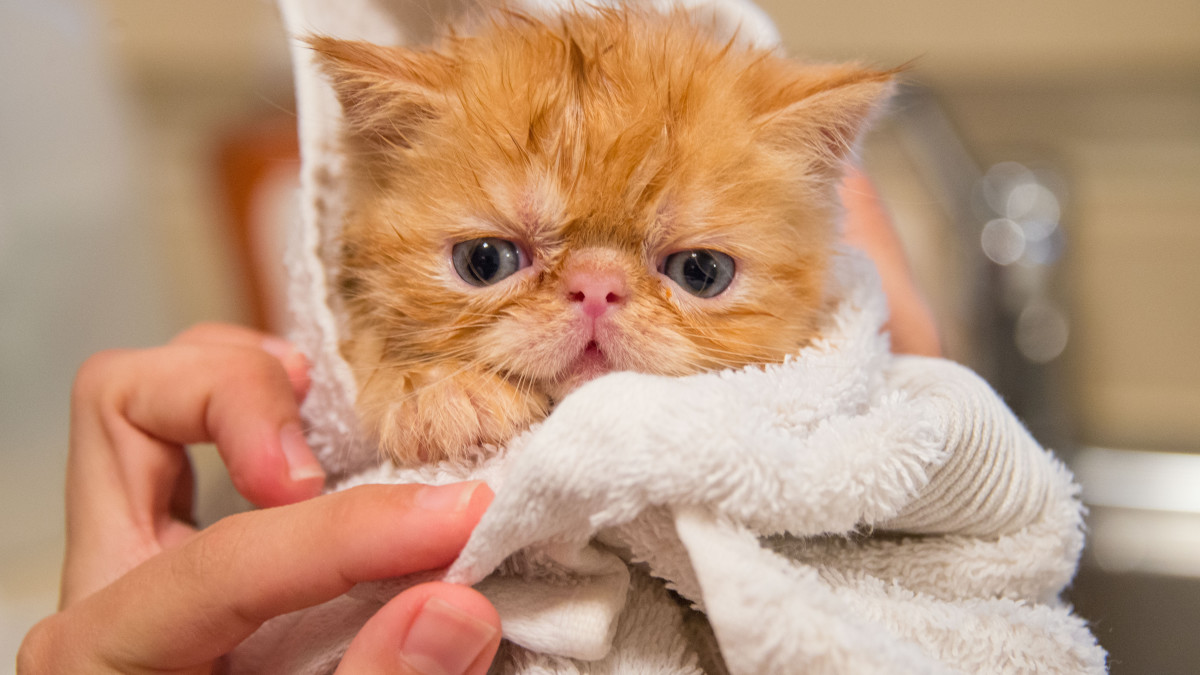
Have you ever wondered if giving your cat a bath is really a good idea? It might seem like a simple way to keep your furry friend clean, but bathing cats can actually lead to serious health issues.
If you care about your cat’s well-being, understanding why you should avoid regular baths is crucial. Keep reading to discover the hidden risks and what you can do instead to keep your cat happy and healthy. Your cat’s health depends on it!
Credit: www.purina.com
Natural Cat Hygiene
Cats keep themselves clean without needing baths. Their natural hygiene habits protect their skin and fur. This self-care helps avoid many health issues linked to bathing cats. Understanding how cats groom themselves shows why bathing can be harmful.
How Cats Groom Themselves
Cats use their tongues to clean their fur. Their tongues have tiny, soft hooks. These hooks remove dirt, loose hair, and parasites.
Cats lick their paws and rub them over their faces. This action cleans hard-to-reach areas. Grooming also spreads natural oils across their fur. These oils keep the coat shiny and waterproof.
Self-grooming helps cats regulate their body temperature. It also reduces stress and keeps their skin healthy.
Benefits Of Self-cleaning
- Maintains natural oils that protect skin and fur
- Prevents dryness and irritation often caused by bathing
- Removes dirt and loose hair gently and effectively
- Reduces the risk of infections from harsh soaps or shampoos
- Supports mental well-being through a calming routine
Cats’ grooming habits work perfectly for their needs. Bathing can disrupt this balance and cause skin problems. Respecting their natural hygiene keeps cats healthy and comfortable.

Credit: www.latimes.com
Common Health Risks From Bathing
Bathing cats can lead to several health problems. Their skin and fur are not designed for frequent washing. Cats groom themselves carefully and usually keep clean naturally. Bathing disrupts their natural oils and can cause unwanted issues.
Skin Irritation And Dryness
Bathing removes essential oils from a cat’s skin and coat. This causes dryness, itching, and redness. Harsh soaps or shampoos make irritation worse. Sensitive skin may develop sores or rashes. These problems can make cats uncomfortable for days.
Stress And Anxiety In Cats
Most cats dislike water and bathing. The experience can cause fear and stress. Stress weakens their immune system and affects health. Some cats may hide or become aggressive after a bath. Stressful events can lower their overall well-being.
Risk Of Hypothermia
Wet fur loses its warmth quickly. Cats can get cold fast after a bath. Hypothermia is a serious risk, especially in kittens and older cats. It causes shivering, weakness, and in severe cases, organ failure. Keeping cats dry and warm is vital for their health.
When Bathing Is Necessary
Bathing cats is usually unnecessary and can cause stress, but there are certain situations when a bath becomes essential. Knowing when to step in with a bath can protect your cat’s health and comfort. Let’s look at specific cases where bathing is not just helpful, but required.
Medical Conditions Requiring Baths
Some cats suffer from skin problems that need regular baths with medicated shampoos. Conditions like fungal infections, allergies, or severe flea infestations often require a vet-prescribed bathing routine.
If your cat has a skin infection, a bath can help remove irritants and promote healing. Make sure to follow your veterinarian’s instructions carefully to avoid worsening the condition.
Accidental Exposure To Harmful Substances
Has your cat ever gotten into something sticky, toxic, or smelly? Sometimes cats explore places they shouldn’t, coming into contact with substances like oil, paint, or chemicals.
In these cases, a bath is necessary to remove harmful materials that could poison or irritate your cat’s skin. Use a gentle, cat-safe shampoo and be patient—your cat’s safety comes first.
Have you ever faced a situation where your cat needed an emergency bath? How did you handle it? Sharing your experience could help others be prepared.
Safe Alternatives To Bathing
Bathing cats can often cause more harm than good, leading to stress and potential health issues. Luckily, there are safer and easier ways to keep your cat clean without the trauma of a full bath. These alternatives help maintain hygiene while respecting your cat’s natural oils and skin balance.
Using Cat Wipes And Dry Shampoos
Cat wipes are a gentle and quick solution to clean your pet’s fur and paws. They remove dirt and allergens without needing water, which can upset your cat. Choose wipes formulated specifically for cats to avoid harmful chemicals.
Dry shampoos are another excellent option. They absorb oils and freshen the coat without rinsing. Many dry shampoos come in powder or foam form, allowing easy application and removal with a brush. Have you ever noticed how a quick wipe can make your cat smell fresher and look cleaner without the fuss of a bath?
Regular Brushing Techniques
Brushing your cat regularly prevents mats and reduces shedding, which keeps their coat healthier. Use a brush suited to your cat’s fur type—long-haired cats need softer brushes, while short-haired cats benefit from firmer bristles.
Try to brush your cat at least a few times a week, making it a calm bonding time rather than a chore. You’ll notice how brushing not only removes loose hair but also spreads natural oils, keeping the skin nourished. Could this simple routine be the key to a cleaner, happier cat?
Tips For Bathing If Unavoidable
Bathing cats can cause stress and skin problems. Use a damp cloth instead to clean them gently. Keep water warm and avoid soap to protect their natural oils.
Bathing a cat is not a common practice. Cats usually groom themselves. But sometimes, bathing becomes necessary. Maybe your cat has rolled in something sticky. Or perhaps they have a medical condition needing cleaning. In such cases, it’s important to know how to bathe them safely.Choosing Cat-friendly Products
Select products specifically made for cats. Human shampoos can harm their skin. Look for a gentle, hypoallergenic cat shampoo. Check the label for natural ingredients. Avoid strong scents which can irritate your cat.Proper Bathing Environment
Create a calm setting. Close the bathroom door to prevent escapes. Use a non-slip mat in the tub or sink. Fill the tub with a few inches of lukewarm water. Ensure everything you need is within reach.Post-bath Care
After the bath, dry your cat gently with a towel. Avoid using a hairdryer as it can scare them. Keep them warm until their fur is completely dry. Offer treats to comfort and calm them.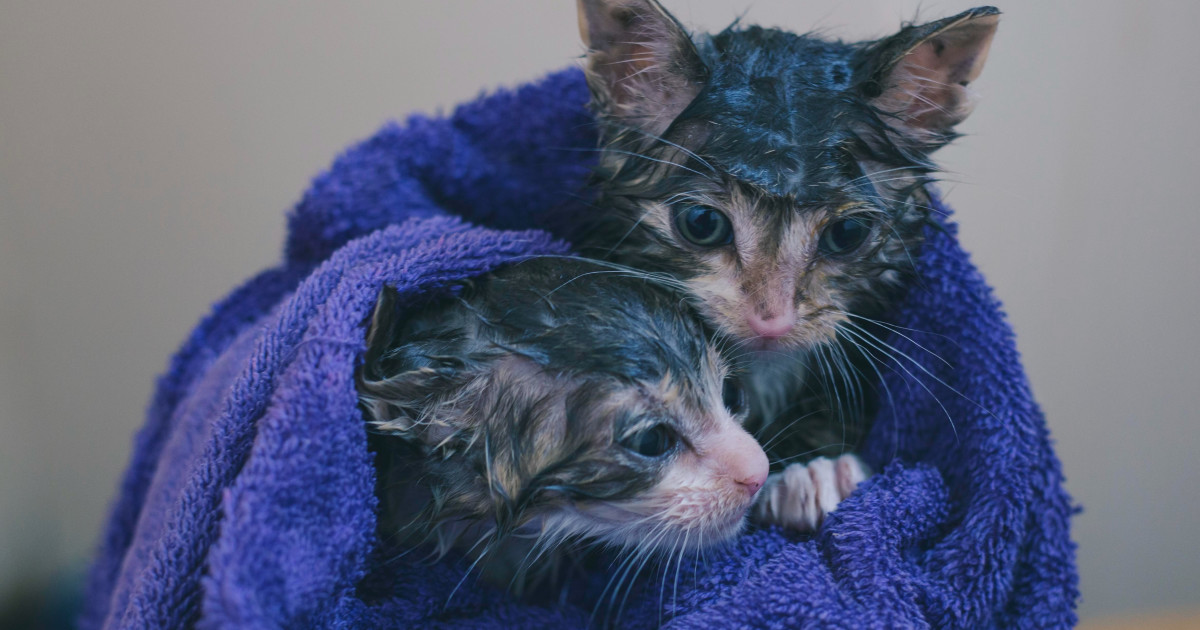
Credit: pethelpful.com
Frequently Asked Questions
Why Is Bathing Cats Linked To Health Problems?
Bathing cats can stress them, weakening their immune system. Their fur loses natural oils, causing dry skin and irritation. Cats groom themselves effectively, so bathing is often unnecessary and harmful to their health.
Can Bathing Harm A Cat’s Skin And Coat?
Yes, frequent bathing removes essential oils from their fur. This leads to dry, flaky skin and a dull coat. Cats’ skin is sensitive, and harsh shampoos can cause allergic reactions or infections.
How Does Bathing Affect A Cat’s Natural Grooming?
Bathing disrupts a cat’s self-grooming routine, which keeps them clean and healthy. It can confuse their scent markers, causing anxiety and behavioral issues. Cats rely on grooming to regulate body temperature and remove dirt.
What Health Risks Come From Bathing Cats Too Often?
Overbathing can cause stress, skin infections, and fungal issues. Cats may develop anxiety or fear of water. It also increases the risk of hypothermia, especially in kittens or elderly cats with weak immunity.
Conclusion
Bathing cats often harms their health and causes stress. Cats clean themselves well with their tongues. Bathing can dry their skin and cause irritation. It may also remove natural oils that protect fur. Most cats do not need regular baths.
Instead, brushing helps keep their coat clean. Avoid bathing unless a vet suggests it. Respect your cat’s natural grooming habits. This keeps them happy and healthy. Simple care supports a strong, shiny coat. Remember, less bathing means fewer health problems for cats.

Leave a Reply