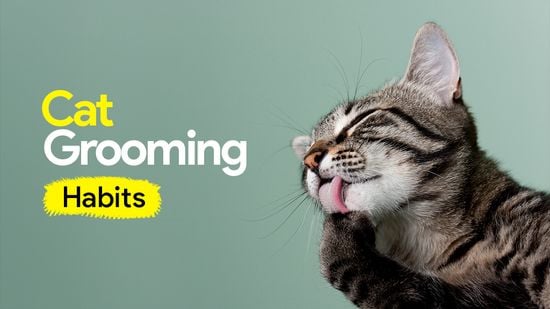
Are you wondering how often you should groom your cat to keep them happy and healthy? Grooming isn’t just about making your cat look good—it plays a key role in their comfort and well-being.
But how do you know when it’s time to brush, trim, or clean? Getting this right can save you from unexpected health problems and strengthen the bond you share with your furry friend. Keep reading, and you’ll discover simple tips that fit your cat’s unique needs perfectly.

Credit: www.purina.com
Benefits Of Regular Grooming
Regular grooming offers more than just a cleaner cat. It plays a key role in maintaining your feline’s overall health and comfort. By setting a grooming routine, you can improve your cat’s coat, reduce unpleasant hairballs, and catch skin problems before they escalate.
Improving Coat Health
Grooming removes loose fur and dirt, which keeps your cat’s coat shiny and smooth. It also spreads natural oils evenly, preventing dry patches and tangles. Have you noticed how much softer your cat feels after a good brushing? That’s the difference regular grooming makes.
Reducing Hairballs
Cats groom themselves, but they swallow loose fur in the process, which can lead to hairballs. By brushing your cat frequently, you cut down on the amount of fur they ingest. Less fur inside means fewer hairballs and less discomfort for your pet.
Detecting Skin Issues Early
While grooming, you get a chance to check your cat’s skin closely. You might spot redness, bumps, or parasites before they cause bigger problems. Early detection helps you act quickly, avoiding costly vet visits and keeping your cat happier.
Factors Influencing Grooming Frequency
How often you groom your cat depends on several important factors that affect their coat and skin needs. Understanding these elements helps you create a grooming schedule that keeps your cat comfortable and healthy without overdoing it. Let’s look at what influences grooming frequency so you can tailor your care routine effectively.
Breed And Coat Type
Your cat’s breed plays a big role in how often they need grooming. Long-haired breeds like Persians or Maine Coons usually require daily brushing to prevent mats and tangles. Short-haired cats, such as Siamese or American Shorthairs, often do well with weekly grooming since their coats are less prone to knots.
Some cats have double coats that shed heavily during seasonal changes. Regular grooming during these times helps reduce hairballs and keeps your furniture hair-free. Have you noticed how shedding patterns change with the seasons? Adjust your grooming accordingly to match these shifts.
Age And Health Condition
Young kittens generally need less grooming because their fur is soft and less prone to tangling. However, as cats age, their grooming habits might slow down. Older cats or those with health issues like arthritis may struggle to clean themselves properly, so you might need to step in more often.
Cats with skin conditions or allergies also benefit from gentle, frequent grooming to keep irritants away. If your cat has a medical condition, check with your vet about the best grooming routine. How well does your cat manage their own grooming? This can guide how much help they need from you.
Indoor Vs Outdoor Cats
Indoor cats usually stay cleaner and require less frequent grooming since they aren’t exposed to dirt, leaves, or pests. Outdoor cats often pick up debris, get wet, or encounter insects, which means they need more regular grooming sessions to stay fresh and healthy.
Outdoor cats might also need extra attention to prevent fleas or ticks. Even if your cat is mostly indoors but has occasional outdoor access, be ready to groom more often after these outings. Do you notice a difference in your cat’s coat after they spend time outside? That’s a good clue for adjusting your grooming routine.
Daily Grooming Practices
Daily grooming practices keep your cat healthy and happy. These small habits can prevent bigger problems down the road. Spending a few minutes each day on grooming also strengthens the bond between you and your feline friend.
Brushing Techniques
Use a soft-bristle brush or a comb designed for cats to gently remove loose fur. Brush in the direction of hair growth to avoid irritating your cat’s skin. If your cat has long hair, try parting the fur in sections to reach the undercoat.
Be patient and watch your cat’s reactions. Some cats enjoy brushing while others may need time to get used to it. Consistency helps; daily brushing reduces hairballs and keeps the coat shiny.
Checking For Parasites
While grooming, look closely for signs of fleas, ticks, or mites. Check common hiding spots like behind the ears, under the legs, and around the neck. Use a flea comb to help spot tiny insects or eggs.
If you find anything suspicious, contact your vet promptly. Early detection stops infestations from getting worse. Do you know what a flea bite looks like on your cat’s skin?
Cleaning Eyes And Ears
Wipe your cat’s eyes gently with a damp cotton ball to remove discharge. Avoid touching the eyeball directly. For ears, use a soft cloth or a pet-safe ear cleaner to wipe away dirt and wax from the outer ear only.
Never insert anything deep into the ear canal. Regular checks can catch infections early before they cause discomfort. Have you noticed your cat shaking their head or scratching their ears lately?
Weekly Grooming Tasks
Caring for your cat involves more than feeding and playtime. Weekly grooming is essential for their health and happiness. Regular tasks can prevent problems and keep your cat looking great. Let’s explore the key grooming tasks you should perform every week.
Bathing Guidelines
Cats generally groom themselves and may not need frequent baths. When necessary, use a cat-friendly shampoo. Make sure the water is warm and comfortable. Rinse thoroughly to remove soap residue. Dry them with a soft towel to avoid chills.
Nail Trimming Tips
Nail trimming prevents overgrowth and snags. Use a cat-specific nail clipper for safety. Gently press the paw to extend the claw. Trim the sharp tip, avoiding the pink quick. Offer treats and praise to make it a positive experience.
Dental Care Basics
Dental health is often overlooked but important. Use a cat toothbrush and pet-safe toothpaste. Gently brush their teeth to remove plaque. Regular brushing can prevent dental diseases. Consider dental treats for added care and reward.
Seasonal Grooming Adjustments
Adjusting your cat’s grooming routine according to the seasons is key to keeping their coat healthy and comfortable all year round. Different times of the year bring unique challenges for your feline friend’s fur and skin. By tuning your grooming habits to these changes, you help your cat avoid common issues like matting, dryness, or overheating.
Managing Shedding In Spring And Fall
Spring and fall are peak shedding seasons for most cats. You might notice clumps of fur around the house or your cat scratching more often. Increasing grooming sessions to daily brushing helps catch loose hairs before they end up everywhere.
Use a de-shedding tool or a slicker brush to reach the undercoat effectively. Pay close attention to areas like the neck, behind the ears, and under the belly where shedding tends to be heavier. Have you tried brushing your cat outside to keep the fur off your furniture?
Protecting Fur In Winter
Winter can dry out your cat’s skin and make their coat brittle. Indoor heating often reduces humidity, which leads to itchy, flaky skin. Brushing less frequently but more gently helps spread natural oils without irritating the skin.
Consider using moisturizing sprays designed for cats if you notice dandruff or dry patches. Keep grooming sessions calm and warm, as your cat may be more sensitive to cold air during outdoor trips. How do you keep your cat cozy while maintaining their coat in chilly months?
Summer Skin Care
Summer heat can cause your cat’s skin to become oily or sweaty, especially if they have a thick coat. Regular brushing helps remove dirt and excess oils, preventing clogged pores and discomfort. Check for signs of sunburn, especially on light-colored or short-haired cats.
Trim hair around sensitive areas to improve air circulation. Offer plenty of water and shady spots to keep your cat cool, reducing the risk of skin irritation. Have you noticed your cat’s behavior change with the warmer weather, prompting more grooming needs?
Credit: temeculapetsalonandspa.com
Choosing The Right Grooming Tools
Choosing the right grooming tools is essential to keep your cat comfortable and healthy during grooming sessions. The right tools make the process easier for both you and your feline friend. They help remove loose fur, prevent matting, and maintain a shiny coat without causing stress or discomfort.
Types Of Brushes And Combs
Different cats need different brushes depending on their coat type. A slicker brush works well for removing tangles and loose hair from medium to long-haired cats. For short-haired cats, a bristle brush or rubber grooming mitt can gently remove loose fur without irritating the skin.
Combs are great for spotting mats and tangles early. A wide-toothed comb helps detangle knots, while a fine-toothed comb is perfect for removing fleas or debris. Have you noticed your cat prefers one type over another? Paying attention to their reaction can guide your choice.
Safe Clippers And Trimmers
Using clippers and trimmers designed for pets ensures safety and comfort. Avoid human hair clippers as they can overheat and hurt your cat’s sensitive skin. Look for quiet, low-vibration models to reduce anxiety during trimming sessions.
If your cat has thick or matted fur, clippers can help manage it without painful pulling. Always test the clippers on a small patch first to see how your cat reacts. Have you ever tried trimming your cat’s fur? It can be easier than you think with the right tools.
Recommended Grooming Products
Shampoos and conditioners made specifically for cats maintain coat health and reduce shedding. Avoid products with strong fragrances or harsh chemicals that may irritate your cat’s skin. A gentle, hypoallergenic shampoo is often the safest choice.
Additionally, grooming wipes can be handy for quick clean-ups between baths. They help remove dirt and loose hair without stressing your cat. Which grooming products have you found most effective in keeping your cat’s coat clean and healthy?
Handling Grooming Challenges
Grooming a cat can be tricky at times. Cats may resist or become stressed during grooming sessions. Challenges like aggression or tangled fur can make grooming hard. Understanding how to handle these issues helps keep your cat calm and clean.
Dealing With Aggressive Cats
Some cats react aggressively to grooming. They may hiss, scratch, or bite. Stay calm and patient. Use a soft voice and gentle touches. Break grooming into short sessions to reduce stress. Try using treats to create a positive experience. If your cat struggles, stop and try again later.
Managing Matted Fur
Matted fur hurts your cat and can cause skin problems. Use a wide-toothed comb to gently loosen mats. Work from the edges toward the center slowly. Never pull hard on mats, as it hurts your cat. For small mats, scissors can help, but be very careful. Regular brushing prevents mats from forming.
When To Seek Professional Help
Some grooming problems need expert care. Deep mats, severe aggression, or skin infections require a groomer or vet. Professionals have the right tools and experience. They can safely remove mats or trim fur. They also check for any health issues during grooming. Don’t wait too long to get help.

Credit: justcatsclinic.com
Frequently Asked Questions
How Often Should I Groom My Cat?
Most cats benefit from grooming once or twice a week. Long-haired cats need daily brushing to prevent mats. Regular grooming reduces shedding and hairballs, keeping your cat healthy and comfortable.
Can Grooming Reduce Cat Hair Shedding?
Yes, grooming helps remove loose fur and reduces shedding. Regular brushing captures dead hair before it falls around your home. This keeps your cat’s coat clean and minimizes allergens.
What Grooming Tools Are Best For Cats?
Use a soft-bristle brush for short hair and a slicker brush for long hair. A comb helps remove tangles and mats. Choose tools that suit your cat’s coat type for effective grooming.
Is Grooming Necessary For Indoor Cats?
Indoor cats still need grooming to prevent hairballs and matting. Grooming also stimulates skin oils, promoting a shiny coat. Regular brushing keeps your indoor cat comfortable and reduces fur around the house.
Conclusion
Regular grooming keeps your cat healthy and happy. Short-haired cats need brushing once a week. Long-haired cats require grooming several times weekly. Watch your cat’s coat and skin for changes. Adjust grooming based on your cat’s needs. Gentle brushing helps reduce hairballs and mats.
Grooming also strengthens your bond with your pet. Make grooming a calm and positive time. Consistency is key for a shiny, healthy coat. Start slowly and be patient with your cat. A well-groomed cat feels more comfortable every day.



Leave a Reply