Are you worried about the cost of a CAT scan? You’re not alone.
Many people wonder if their health insurance will cover this important medical test. Knowing the answer can save you from unexpected bills and stress. You’ll discover exactly when a CAT scan is covered, what factors affect your coverage, and how to prepare so your insurance works for you.
Keep reading to take control of your health expenses and make smart decisions for your well-being.
What Is A Cat Scan
A CAT scan, also called a CT scan, is a special type of X-ray. It takes detailed pictures of the inside of your body. These images help doctors see bones, organs, and tissues clearly.
The scan uses a series of X-ray images taken from different angles. A computer combines them to create cross-sectional views. These views show more detail than regular X-rays.
How Does A Cat Scan Work?
The machine rotates around your body while taking pictures. You need to lie still to get clear images. Sometimes, a dye may be injected to highlight certain areas.
Why Do Doctors Order Cat Scans?
- Check for injuries or fractures
- Detect tumors or infections
- Guide surgeries or treatments
- Monitor diseases like cancer
What Parts Of The Body Can Be Scanned?
- Head and brain
- Chest and lungs
- Abdomen and pelvis
- Bones and joints
Reasons For Cat Scans
Understanding why a CAT scan is ordered can help you better grasp whether your health insurance might cover it. CAT scans provide detailed images of the inside of your body, which doctors use to diagnose or monitor various conditions. Knowing the common reasons for these scans can prepare you to discuss coverage with your provider.
Detecting Injuries And Trauma
CAT scans are often used to quickly assess injuries, especially after accidents. They give clear images of bones, blood vessels, and soft tissues, making it easier to spot fractures or internal bleeding. If you’ve ever had a sudden injury, your doctor might suggest a CAT scan to understand the extent of the damage.
Diagnosing Diseases
Doctors rely on CAT scans to detect diseases like cancer, infections, or heart problems. These scans show detailed cross-sections of organs, helping to find abnormalities that other tests might miss. If your doctor suspects something serious, a CAT scan can provide crucial information for early diagnosis.
Guiding Medical Procedures
Sometimes, CAT scans guide doctors during treatments such as biopsies or surgeries. The precise images help ensure accuracy and safety, reducing risks during procedures. Have you ever wondered how surgeons find the exact spot to operate on? CAT scans often make that possible.
Monitoring Treatment Progress
After starting treatment for conditions like tumors or infections, doctors use CAT scans to check if the therapy is working. These scans reveal changes inside the body that you can’t see or feel. Tracking progress with CAT scans helps your healthcare team adjust your care plan when needed.
Health Insurance And Imaging Tests
Health insurance often covers imaging tests like CAT scans. These tests are crucial for diagnosing many conditions. Understanding your insurance coverage can ease financial stress. Knowing what’s covered helps you plan better.
What Are Imaging Tests?
Imaging tests create pictures of the inside of your body. They help doctors see bones, organs, and tissues. CAT scans, MRIs, and X-rays are common imaging tests. These tests help doctors find the cause of symptoms.
Types Of Health Insurance Coverage
Health insurance coverage can vary widely. Some plans cover all imaging tests. Others might only cover specific ones. Check your policy details carefully. This ensures you know what’s included.
How To Confirm Insurance Coverage For Cat Scans
Call your insurance provider to confirm coverage. Have your policy number ready. Ask if CAT scans need pre-approval. Knowing this helps you avoid unexpected costs.
Factors Influencing Coverage
Coverage may depend on the reason for the scan. Medical necessity often plays a role. Some insurers require a referral from a doctor. Check these requirements before scheduling a scan.
Out-of-pocket Costs
Even with insurance, there may be out-of-pocket costs. Deductibles and copays can apply. Know your plan’s terms to budget accordingly. This helps you avoid financial surprises.
Tips For Managing Imaging Test Costs
- Choose in-network facilities to save money.
- Ask for a detailed cost estimate beforehand.
- Inquire about payment plans if needed.
When Cat Scans Are Covered
Understanding when a CAT scan is covered by your health insurance can save you from unexpected bills. Insurance companies typically approve coverage based on specific conditions and rules. Knowing these details helps you plan your healthcare better and avoid surprises.
Medical Necessity Criteria
Insurance providers usually cover CAT scans only if they are medically necessary. This means your doctor must show that the scan is essential for diagnosing or treating your condition.
For example, if you have persistent headaches or an injury that needs detailed imaging, your doctor will explain why a CAT scan is the best choice. Insurance companies review this justification before approving coverage.
Have you ever wondered if your symptoms truly require advanced imaging? Asking your healthcare provider about the necessity can clarify if your insurance will cover the scan.
Pre-authorization Requirements
Most insurance plans require pre-authorization before a CAT scan. This process involves getting approval from your insurer to ensure the scan meets their guidelines.
Skipping pre-authorization might result in your claim being denied, leaving you with the full bill. Always check with your insurance company or healthcare provider to start this process early.
Think about your last medical test—did you have to wait for approval? Planning ahead can prevent delays and financial stress.
In-network Vs Out-of-network
Your insurance covers CAT scans differently based on whether the facility is in-network or out-of-network. Using in-network providers usually means lower costs and smoother claim processing.
If you choose an out-of-network imaging center, you might face higher out-of-pocket expenses or even no coverage at all. Always verify the provider’s network status before scheduling your scan.
Have you checked your insurance network directory recently? It can make a big difference in your expenses and coverage experience.
Costs And Out-of-pocket Expenses
Understanding the costs and out-of-pocket expenses for a CAT scan is crucial before scheduling one. Even if your health insurance covers the scan, you might still face some charges. Knowing what to expect can help you avoid surprise bills and manage your healthcare budget better.
Deductibles And Copayments
Your deductible is the amount you pay out of your own pocket before insurance starts to cover costs. If you haven’t met your deductible, you’ll likely pay the full price for the CAT scan. After meeting the deductible, you might still owe a copayment—a fixed fee each time you get a service like a scan.
For example, if your deductible is $1,000 and the CAT scan costs $800, you pay the whole $800 if you haven’t paid anything toward your deductible yet. Once you meet the deductible, a copayment might be $30 to $50 per scan. Understanding your plan’s deductible and copayment can save you from unexpected expenses.
Coinsurance Impact
Coinsurance is the percentage of the cost you must pay after your deductible is met. If your plan has 20% coinsurance, you pay 20% of the CAT scan cost, and insurance covers the rest. This means for a $1,000 scan, you would pay $200 out-of-pocket.
Think about your budget and how coinsurance adds up if you need multiple scans or other medical services. It’s easy to underestimate these costs if you only focus on copayments and deductibles. Have you checked how coinsurance fits into your overall healthcare spending?
Annual Limits
Some insurance plans set annual limits on what they will cover for diagnostic tests like CAT scans. Once you reach these limits, you are responsible for all additional costs. These limits can vary widely depending on your insurance provider and plan.
Imagine you’ve had several expensive tests throughout the year. If your coverage limit is $2,000 and you’ve already used it, your next CAT scan might come entirely out of your pocket. Checking your plan’s annual limits can help you plan and avoid unexpected bills.
Credit: www.hyperbaricmedicalsolutions.com
Common Reasons For Denied Coverage
Denied coverage for a CAT scan can cause stress and confusion. Insurance companies may reject claims for various reasons. Understanding these reasons helps you avoid unexpected bills. It also prepares you to discuss issues with your insurer effectively.
Many claim denials result from paperwork errors or missing information. Others happen because the scan is not deemed medically necessary. Sometimes, the problem lies in how the request was made or documented.
Incomplete Or Incorrect Documentation
Insurance companies need complete and accurate paperwork. Missing forms or wrong patient details cause delays or denials. Providers must include proper diagnosis codes and doctor’s notes. Without this, insurers may refuse to pay for the scan.
Lack Of Medical Necessity
Insurers review if a CAT scan is truly needed. They check if other tests could give the same answers. If the scan seems unnecessary or excessive, coverage may be denied. Doctors must justify the need clearly in their request.
Pre-authorization Not Obtained
Many insurance plans require pre-approval before a CAT scan. Skipping this step often leads to claim denial. Patients or doctors should contact the insurer first. This step confirms coverage and avoids surprises later.
Out-of-network Providers
Using a facility or doctor outside the insurance network can cause denials. Insurance plans have agreements with certain providers only. Getting scanned at an out-of-network location might mean no coverage or higher costs.
Policy Exclusions And Limits
Some insurance policies exclude specific scans or limit coverage. These rules depend on the plan type and insurance company. Patients should review their policy details carefully. Knowing exclusions helps prevent unexpected denials.
How To Verify Coverage For Cat Scans
Verifying if your health insurance covers a Cat Scan can be confusing. It’s crucial to understand the process to avoid unexpected costs. This guide will help you check your coverage effectively.
Contacting Your Insurance Provider
Call your insurance company directly. Ask them about Cat Scan coverage. Provide them with details like your policy number. Request information on any associated costs. Take note of any co-pays or deductibles.
Reviewing Your Policy
Look through your insurance policy documents carefully. Check the section on diagnostic tests. Confirm if Cat Scans are included. Look for any special conditions or prerequisites. Understanding your policy helps prevent surprises.
Working With Your Healthcare Provider
Speak to your doctor about your insurance plan. They can help verify coverage. They may also coordinate with your insurer. This ensures the Cat Scan is authorized. It minimizes the risk of claims being denied.
Alternatives To Cat Scans
Cat scans provide detailed images of the body. Still, some patients seek other options. These alternatives may offer benefits like less radiation or lower costs. Understanding these choices helps you discuss options with your doctor.
Mri Scans
MRI uses magnets and radio waves to make body images. It does not use radiation like cat scans. MRI works well for soft tissues like the brain and muscles. It takes longer but gives clear images.
Ultrasound
Ultrasound uses sound waves to create pictures inside the body. It is safe and painless, with no radiation. Often used for checking organs, blood flow, and pregnancies. It is less detailed than cat scans but more accessible.
X-rays
X-rays use a small amount of radiation to see bones and certain tissues. It is faster and cheaper than a cat scan. Not as detailed but useful for broken bones and chest exams.
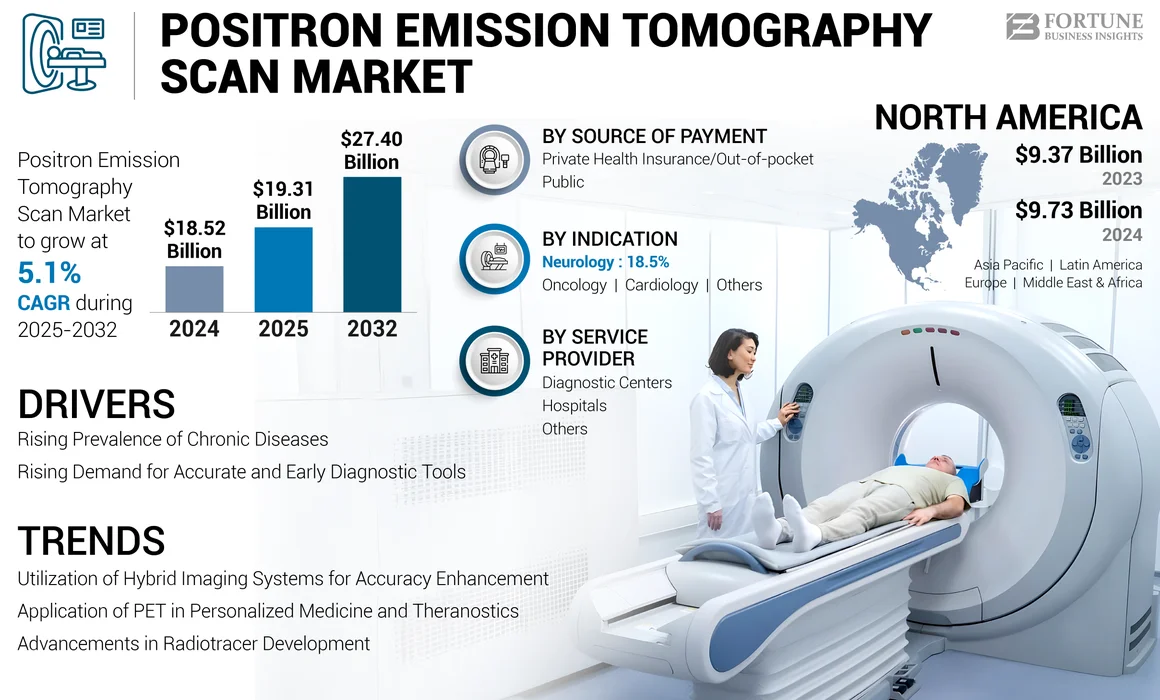
Positron Emission Tomography (pet)
PET scans show how tissues and organs work. They use a small amount of radioactive material. Often combined with cat scans for detailed images. PET helps in cancer detection and brain studies.
Physical Exams And Lab Tests
Sometimes, physical exams and lab tests provide enough information. They are less costly and carry no radiation risks. Doctors may use them before imaging tests.
Tips To Reduce Costs
Cat scans can be expensive, even with health insurance. Finding ways to lower these costs helps manage your budget. Small changes can make a big difference in your medical bills. Here are some tips to reduce costs while getting a cat scan.
Compare Prices At Different Facilities
Prices for cat scans vary by location. Check local hospitals, imaging centers, and clinics. Some places offer the same service for less. Ask for price quotes before scheduling your scan.
Verify Insurance Coverage Beforehand
Contact your insurance provider to confirm coverage details. Know what portion you must pay out of pocket. This avoids unexpected bills after the scan. Keep records of your insurance calls and approvals.
Use In-network Providers
Choose providers within your insurance network. They usually charge lower rates. Out-of-network scans can lead to higher costs. Always double-check your provider’s network status.
Ask About Discounts Or Payment Plans
Some facilities offer discounts for upfront payments or financial hardship. Request information on payment plans to spread out costs. Don’t hesitate to negotiate the bill before the scan.
Consider Alternative Imaging Options
Your doctor may suggest other tests like X-rays or ultrasounds. These can be cheaper than cat scans. Discuss all options to find the most affordable and effective choice.
Credit: www.fortunebusinessinsights.com

Credit: econosurance.com
Frequently Asked Questions
Does Health Insurance Cover Cat Scans Fully?
Coverage depends on your insurance plan and medical necessity. Most plans cover CAT scans if prescribed by a doctor. You may still need to pay co-pays or deductibles. Always check your policy details before the scan.
When Is A Cat Scan Covered By Insurance?
Insurance covers CAT scans for diagnostic or treatment purposes. Approval usually requires a doctor’s referral or prior authorization. Routine or elective scans may not be covered. Verify coverage with your insurer beforehand.
Are There Out-of-pocket Costs For Cat Scans?
Yes, out-of-pocket costs like deductibles and co-pays often apply. The exact amount depends on your insurance plan and network providers. Some plans cover a large portion, reducing your expenses. Contact your insurance company to understand your costs.
Can Insurance Deny Cat Scan Claims?
Insurance can deny claims if the scan isn’t medically necessary. Lack of prior authorization or incorrect billing may also cause denial. Always confirm requirements and keep documentation to avoid claim rejection.
Conclusion
Health insurance often covers CAT scans, but rules can differ. Check your plan details or ask your provider. Some scans need approval before the test. Costs may vary based on coverage and location. Knowing your policy helps avoid surprise bills.
Always keep your doctor informed about insurance limits. Getting a CAT scan can be important for health. Stay informed to use your benefits well.



Leave a Reply