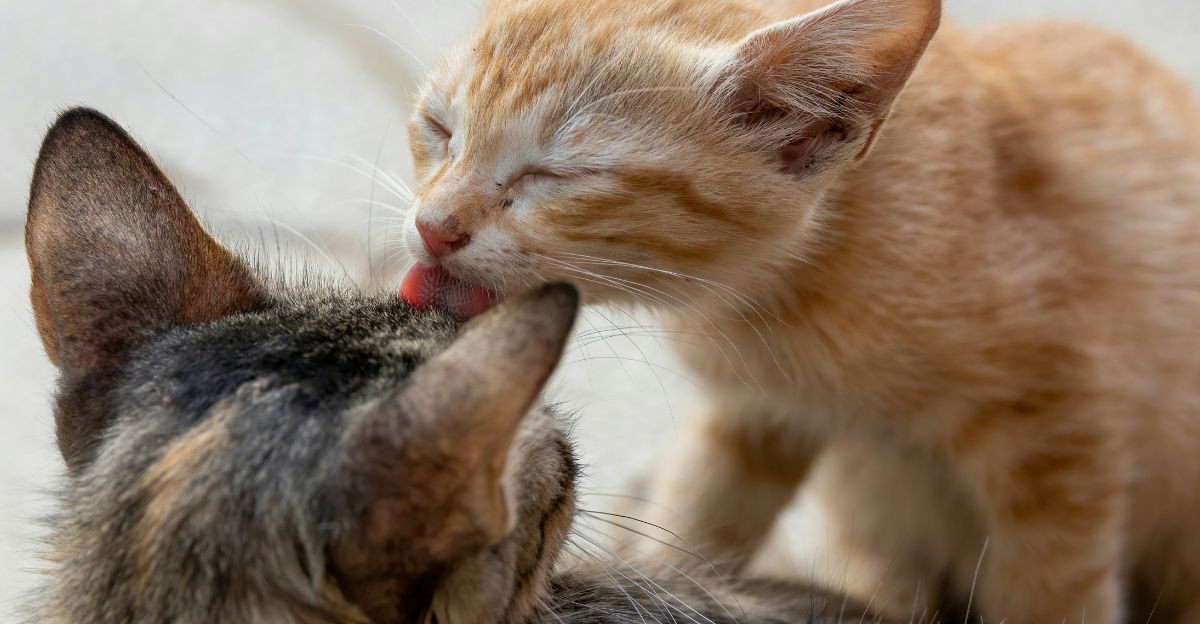
Have you ever watched your cat gently grooming another cat, only to suddenly see a quick bite? It can be confusing and even a little worrying.
Why does your cat bite your other cat while grooming? Is it a sign of aggression, playfulness, or something else? Understanding this behavior can help you keep peace in your furry family and ensure both cats feel safe and happy.
Keep reading, and you’ll discover the surprising reasons behind this puzzling habit—and what you can do about it.

Credit: www.reddit.com
Cat Grooming Behavior
Cats spend a lot of time grooming themselves and others. This behavior is natural and important for their health and relationships. Grooming keeps their fur clean and helps them feel calm. Sometimes, grooming involves gentle nibbling or biting. Understanding why cats bite during grooming can help you know more about their behavior.
Social Grooming Among Cats
Social grooming is a way cats bond with each other. Cats lick and nibble each other to build trust and show friendship. This behavior helps reduce stress and strengthens their group. Cats often groom parts of the body that are hard to reach. Biting during social grooming is usually soft and quick. It is a sign of affection, not aggression.
Normal Grooming Habits
Cats groom themselves many times a day. They use their tongue to clean dirt and loose hair. Grooming also helps regulate body temperature. Sometimes, a cat may bite another cat to stop the licking or to get attention. This bite is often gentle and short. If the bite is hard or causes a fight, it may mean one cat is annoyed or in pain.
Reasons Behind Biting
Cats often bite each other during grooming, but the reasons vary. Biting can show different behaviors and emotions. It is important to understand what causes this to keep peace between your cats. Here are some common reasons behind biting during grooming.
Playful Interaction
Cats use play to bond and have fun. Biting can be part of this playful behavior. They may nip gently as a way to invite play. These bites are usually soft and not meant to hurt. Playful biting helps cats build trust and friendship.
Establishing Dominance
Sometimes, biting shows which cat is in charge. One cat may bite to show control over the other. This behavior is common in multi-cat homes. It helps maintain a social order within the group. Dominance bites are often firmer but not harmful.
Overstimulation Response
Grooming can be too much for some cats. Biting might happen if they feel overwhelmed. This is a way to tell the other cat to stop. Overstimulation bites are quick and sudden. Watching body language can help spot this early.
Communication Signals
Cats use biting to send messages. It can mean “enough” or “back off.” Biting is a clear way to communicate discomfort. It helps prevent fights by setting boundaries. Recognizing these signals improves cat relationships and harmony.
Identifying Aggression Vs. Affection
Understanding whether your cat’s biting during grooming is a sign of affection or aggression can be tricky. Cats communicate mostly through body language and sounds, and subtle differences can tell you if the interaction is friendly or hostile. Recognizing these signals helps you intervene appropriately and keep harmony between your cats.
Body Language Cues
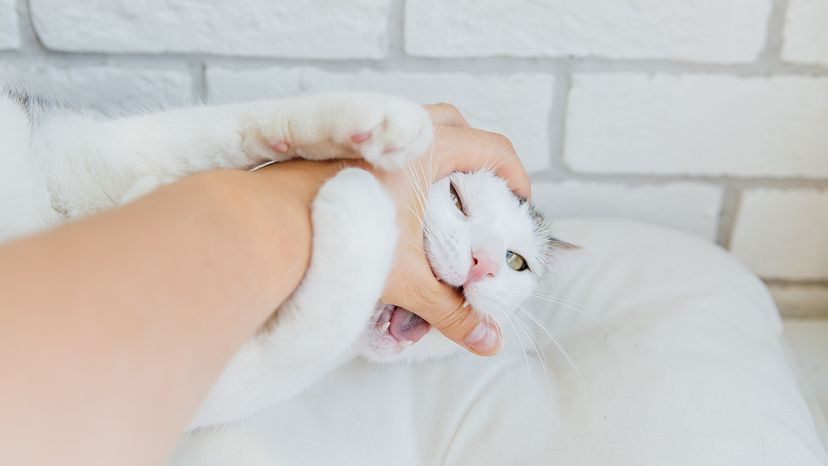
Look closely at their posture. Friendly bites are usually gentle and paired with relaxed body language, like slow blinking or leaning into each other. If the cat doing the biting has stiff legs, a twitching tail, or flattened ears, this might mean irritation or aggression.
Notice the recipient’s reaction too. A cat that stays calm and continues grooming is likely comfortable. But if it quickly moves away, hisses, or swats back, the bite probably crossed a boundary.
Vocalizations And Sounds
Sounds can reveal a lot about your cats’ mood during grooming. Soft purring or quiet meows often show contentment and affection. In contrast, growls, hisses, or sharp yowls usually indicate discomfort or aggression.
Have you ever heard a sudden yip or a quick hiss right after a bite? That’s a clear sign your cat wasn’t happy with the nibble. Paying attention to these vocal cues can prevent minor disputes from escalating.
Credit: animals.howstuffworks.com
Impact On Cat Relationships
Cats often show affection through grooming. Yet, sometimes, grooming turns into biting. This behavior can affect cat relationships in various ways. Understanding its impact helps in fostering a peaceful home.
Bond Strengthening
Grooming between cats usually strengthens their bond. It shows trust and affection. When a cat grooms another, it shares scents. This scent exchange builds a sense of community. Biting might seem aggressive but can be playful. Playful bites are gentle and brief. They help in social bonding. Cats develop stronger connections through these interactions.
Potential Conflicts
Not all bites are friendly. Some bites signal dominance or irritation. If a cat bites too hard, it might cause fear. Fear can lead to conflict. Cats might avoid each other, creating tension. Observing body language is crucial. Flattened ears or hissing indicate distress. Addressing these signs early prevents further issues.
How To Manage Biting During Grooming
Managing biting during grooming requires patience and understanding. Cats may bite for various reasons, such as discomfort or overstimulation. Recognizing these signs helps reduce biting incidents. Creating a calm and safe space encourages gentle grooming sessions. Redirecting biting behavior teaches cats to interact more softly. Consulting a veterinarian ensures no health issues cause aggressive grooming.
Creating Calm Environments
A calm environment lowers stress for both cats. Choose quiet rooms free from loud noises and distractions. Soft lighting and comfortable bedding make cats feel secure. Keep grooming tools handy to avoid long pauses. Speak softly to reassure your cats during grooming.
Redirecting Behavior
Distract your cat if biting starts during grooming. Use toys or treats to shift their focus. Praise gentle grooming behavior with calm words and petting. Stop grooming briefly if biting continues, then try again later. Avoid punishment, as it may increase stress and aggression.
Seeking Veterinary Advice
Persistent biting might indicate pain or medical problems. Schedule a vet visit to rule out health issues. Discuss your cats’ behavior and any recent changes. The vet may suggest treatments or behavior therapy. Early intervention helps maintain peaceful grooming sessions.
When To Be Concerned
Understanding when a cat’s grooming bite crosses the line is important. Cats often use gentle nibbles during grooming to show affection or control. Sometimes these bites can signal discomfort or a deeper problem.
Pay attention to the context and how often the biting happens. Occasional biting might be normal, but frequent or aggressive bites need attention. Watch your cats closely to spot signs that suggest concern.
Signs Of Stress Or Injury
- One cat suddenly flinches or pulls away when groomed.
- Visible wounds, redness, or swelling on the skin.
- Growling, hissing, or unusual vocal sounds during grooming.
- Tail flicking or ears pinned back as grooming begins.
- Refusal to groom or be groomed by the other cat.
These signs could mean a cat feels pain or stress. Injuries might make grooming uncomfortable, triggering biting.
Changes In Behavior Patterns
- One cat avoids the other completely.
- Sudden aggression or rough play after grooming sessions.
- Loss of appetite or hiding more than usual.
- Excessive licking or grooming of one area on its own body.
- Sleep disturbances or restlessness near the other cat.
Behavior changes can show emotional or physical issues. Cats may bite to set boundaries or express irritation.

Credit: www.reddit.com
Frequently Asked Questions
Why Does My Cat Bite While Grooming Another Cat?
Cats sometimes bite during grooming to set boundaries or show mild irritation. It’s a form of communication, not aggression. Biting can signal the groomed cat to stop or change behavior. This is normal in cat social interactions and usually not harmful.
Is Biting During Grooming A Sign Of Aggression?
No, biting during grooming is usually not aggressive. It’s a way cats communicate limits or discomfort. If the biting is gentle and occasional, it’s normal. However, frequent hard bites may indicate stress or dominance issues needing attention.
How Can I Stop My Cat From Biting During Grooming?
To reduce biting, observe their body language and intervene if tension rises. Provide separate grooming times if needed. Use positive reinforcement and gentle distractions. If biting persists, consult a vet or behaviorist for tailored advice.
Can Biting During Grooming Hurt My Cats?
Usually, grooming bites are gentle and don’t cause harm. However, hard or frequent biting can cause skin irritation or stress. Monitor their interactions closely and separate them if biting seems painful or aggressive.
Conclusion
Cat biting during grooming shows complex social behavior. It can mean play, stress, or setting limits. Watch their body language to understand better. Give them space if bites get too hard. Help them feel safe and calm to reduce biting.
Patience and observation help keep peace between cats. Remember, each cat’s behavior is unique and needs care. Keep learning about your cats to build a happy home.



Leave a Reply