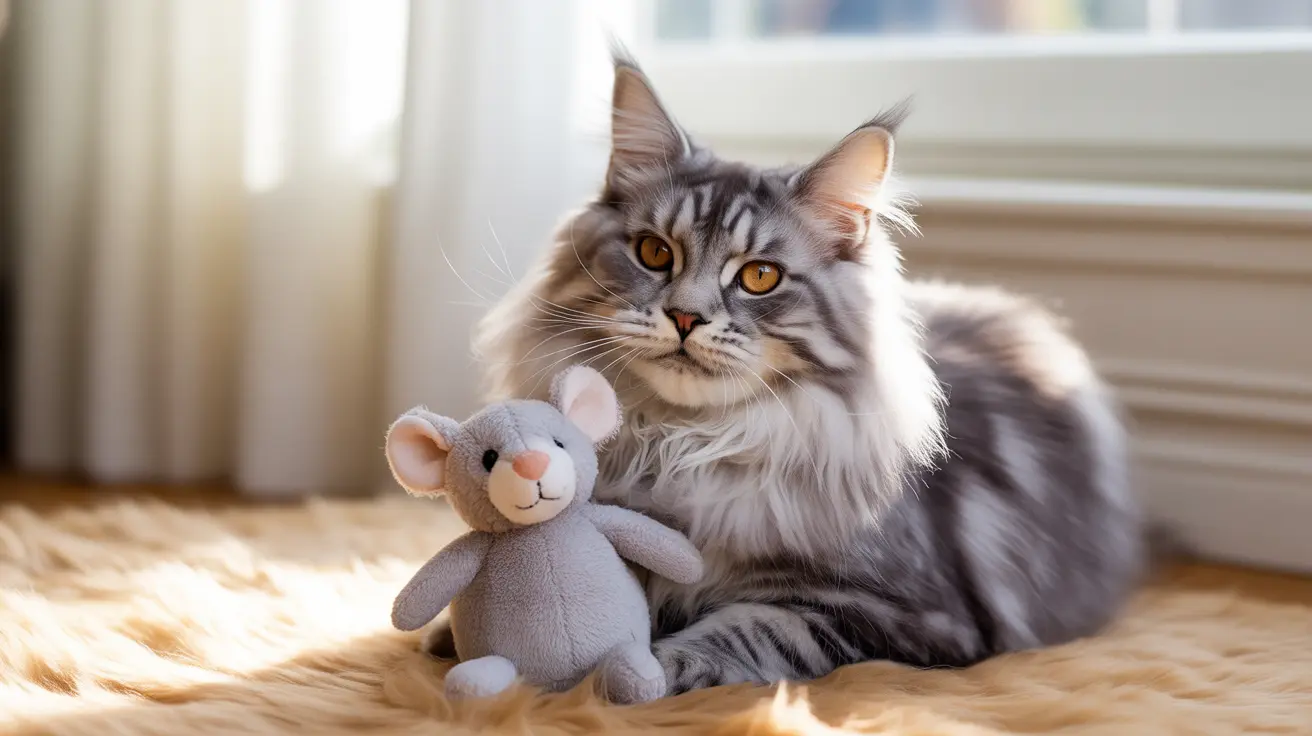
Does your cat guard its toys like precious treasure? If you’ve noticed your furry friend growling, hissing, or swatting whenever you get close to their favorite playthings, you’re not alone.
Possessiveness over toys can be stressful for both you and your cat. But don’t worry—there are simple, effective ways to help your cat feel more relaxed and share their toys without turning your home into a battleground. Keep reading to discover easy tips that will make playtime happier for you and your cat.
Why Cats Get Possessive
Understanding why your cat becomes possessive over toys is key to changing this behavior. Possessiveness often roots in natural instincts, surroundings, and past experiences. Knowing these reasons can help you address the issue more effectively and create a happier space for both you and your cat.
Instincts Behind Toy Possession
Cats are natural hunters, and toys often mimic prey. Holding onto a toy satisfies their instinct to catch and guard food. This behavior can appear as possessiveness but is really their way of protecting a valuable resource.
Think about your cat’s reaction when you try to take a favorite toy. It’s similar to how they would react if another animal tried to steal their catch in the wild. Recognizing this instinct can help you be patient and gentle when managing their possessiveness.
Influence Of Environment
Your cat’s surroundings play a big role in how possessive they become. If toys are limited or shared with other pets, your cat might guard them more fiercely. A cluttered or stressful environment can make your cat feel insecure about their belongings.
Have you noticed your cat calming down when given their own space and plenty of toys? Providing multiple toys in different areas reduces competition and helps them feel safe. This simple change often lowers possessive behavior significantly.
Role Of Past Experiences
Cats with a history of scarcity or trauma may cling to toys more than others. If your cat was once in a shelter or had to compete for resources, they might still feel the need to hold on tightly. These past experiences shape how they view their toys today.
Understanding your cat’s background can guide you in building trust and security. Offering consistent access to toys and positive interactions helps them learn that they don’t need to guard their possessions. Could your cat’s possessiveness be a call for more reassurance from you?
Credit: loopara.com
Signs Of Toy Possessiveness
Recognizing the signs of toy possessiveness in your cat is crucial to managing their behavior effectively. It helps you understand when your cat feels threatened or overly protective of their belongings. This awareness allows you to step in before the possessiveness escalates into more serious issues.
Aggressive Behaviors
Your cat may hiss, growl, or swipe when someone approaches their favorite toy. These actions are clear signals that your cat feels the need to defend their possession. Have you noticed your cat suddenly becoming irritable or snapping when you reach for a toy? That’s a direct sign of possessiveness.
Territorial Markings
Marking territory is another way cats show possessiveness. They might rub their face or body against the toy to leave their scent. Sometimes, you may find their urine or claw marks near the toy, indicating a strong territorial claim. Do you see your cat consistently returning to a specific spot with their toy? That spot has likely become a marked territory.
Hoarding Toys
Hoarding happens when your cat gathers multiple toys in one place and guards them closely. This behavior shows they want to control their playthings and keep others away. Have you found piles of toys stashed under furniture or in corners? That’s a clear sign your cat is possessive and wants to keep their toys to themselves.
Creating A Sharing-friendly Space
Creating a sharing-friendly space helps reduce a cat’s possessiveness over toys. Cats feel safer and less stressed when they have enough resources. This space encourages peaceful play and sharing among cats. It also builds trust and positive interactions. A calm environment with clear boundaries helps cats enjoy their toys without guarding them.
Providing Multiple Toys
Offer several toys of the same type for your cats. This prevents competition over a single favorite toy. Use different textures and sizes to keep cats interested. Rotate toys regularly to keep playtime fresh and exciting. Multiple toys reduce jealousy and promote sharing naturally.
Designing Separate Play Areas
Create distinct play zones for each cat. Separate spaces help shy cats feel safe. Avoid crowding all toys in one spot. Use soft mats or beds in each area. Cats enjoy their own space and are less likely to fight over toys.
Encouraging Group Play
Invite cats to play together with interactive toys. Use wand toys or laser pointers to involve all cats. Reward calm behavior and sharing during play. Group play helps cats bond and reduces possessive habits. Keep sessions short and positive to maintain interest.
Training Techniques To Reduce Possessiveness
Training your cat to be less possessive about toys takes patience and the right approach. Using effective techniques can help your cat feel secure and willing to share. The key is to make the experience positive and gradually change their behavior without stress.
Positive Reinforcement Methods
Reward your cat whenever they allow you to take or play with their toys calmly. Use treats, gentle praise, or petting to reinforce this good behavior.
For example, if your cat drops a toy when you reach for it, immediately give them a small treat. This helps them associate sharing with positive outcomes.
Remember, consistency is crucial. Reward every small step toward less possessiveness to encourage progress.
Redirecting Attention
If your cat becomes possessive over a toy, gently redirect their focus to something else. You can offer a different toy or start a play session with a wand or laser pointer.
This technique prevents escalation and shows your cat that fun isn’t limited to just one item. It also helps reduce their anxiety about losing the original toy.
Try this next time you notice your cat guarding a toy—what other activities or toys does your cat respond to eagerly?
Gradual Desensitization
Introduce handling of your cat’s toys slowly and over time. Start by touching the toy briefly and rewarding calm behavior.
Increase the interaction gradually—pick up the toy for a second, then a few seconds longer, always watching your cat’s reaction.
This gentle exposure helps your cat accept that the toy won’t be taken away permanently. Could you try this approach for a few minutes daily and observe the change?
Choosing The Right Toys
Choosing the right toys for your cat can significantly impact their possessiveness. The right selection can engage your cat without sparking territorial behavior. Let’s dive into some tips to help you choose wisely.
Durable And Interactive Options
Invest in toys that can withstand your cat’s energetic play. Durable options like rubber balls or fabric mice are less likely to fall apart, minimizing frustration for your cat.
Interactive toys, such as laser pointers or feather wands, provide mental stimulation. These toys keep your cat engaged without them feeling the need to ‘own’ the toy. Have you noticed how a simple piece of string can captivate your cat for hours?
Avoiding Highly Valued Toys
Some toys may become your cat’s prized possessions, leading to possessive behavior. Identify these toys and limit their availability. Instead, focus on providing less emotionally charged toys that can still entertain.
This doesn’t mean you have to remove them completely. You could reserve them for special occasions or supervised playtime. How does your cat react when you introduce a new toy into their collection?
Rotating Toys Regularly
Cats, much like humans, can become bored with the same toys. Regularly rotating their toys keeps playtime exciting and fresh. It also reduces the likelihood of attachment to a single toy.
Try creating a toy schedule where different toys are available on different days. This keeps your cat guessing and interested. Does your cat have a favorite toy that resurfaces time and again during these rotations?
Managing Multi-cat Households
Managing a multi-cat household can be challenging, especially when it comes to toys. Cats often develop possessive behavior over their favorite playthings, which can lead to tension and conflicts. Understanding how to balance their interactions is key to creating a peaceful environment where all your cats feel safe and happy.
Monitoring Playtime Interactions
Keep a close eye on how your cats play together. Are they sharing toys, or is one cat guarding a specific item? Watching these moments helps you catch possessive behavior early before it escalates.
Sometimes, a cat may chase another away from a toy. Instead of stepping in immediately, observe if the situation resolves itself. Cats often set their own boundaries, but if you notice persistent bullying, it’s time to intervene.
Separating During Conflicts
If playtime turns into a fight, separate your cats calmly but quickly. Use a gentle approach, like distracting them with a treat or a toy, instead of yelling or forcing them apart. This helps reduce stress and prevents negative associations with each other.
Consider having multiple sets of toys spread throughout your home. This way, no cat feels like they have to guard a single toy. Does your cat have a preferred spot to play? Providing different play areas can reduce competition and give each cat a sense of ownership.
Encouraging Social Bonds
Encourage your cats to build positive relationships by engaging them in group play sessions. Use wand toys or laser pointers to involve all cats at once. This shared activity can reduce possessiveness because the focus shifts from individual toys to collective fun.
Reward peaceful interactions with treats or affection. Over time, your cats will associate sharing toys and space with positive outcomes. What small changes can you make today to foster teamwork among your feline friends?
When To Seek Professional Help
Knowing when to seek professional help is key to managing your cat’s possessive behavior. Sometimes, simple home strategies are not enough. Persistent or aggressive behavior around toys can signal deeper issues. Early intervention can prevent harm to your cat and others. Understanding the signs to watch for guides you to the right expert.
Identifying Serious Behavioral Issues
Watch for signs like biting, growling, or hissing when someone approaches toys. Aggression that worsens or spreads to other objects needs attention. If your cat refuses to share or constantly guards toys, this is a red flag. Behavioral changes affecting daily life call for professional advice. Sudden possessiveness after a calm period also requires checking.
Consulting Veterinarians
Veterinarians can rule out medical causes for possessiveness. Pain or discomfort might trigger guarding behavior. A vet exam helps detect hidden health problems. They can suggest treatments or medications if needed. Early vet consultation ensures your cat’s well-being stays a priority.
Working With Animal Behaviorists
Behaviorists specialize in solving complex pet behavior problems. They create tailored plans to reduce possessiveness. Training techniques focus on trust and sharing skills. Behaviorists teach owners how to manage and prevent conflicts. Their expertise offers long-term solutions for your cat’s happiness.
Credit: paradepets.com

Credit: www.reddit.com
Frequently Asked Questions
How Can I Reduce My Cat’s Toy Possessiveness?
Offer multiple toys to prevent guarding behavior. Rotate toys regularly to maintain interest. Reward sharing and calm behavior with treats and praise. Avoid punishing possessiveness, as it may increase anxiety.
Why Does My Cat Guard Toys Aggressively?
Cats guard toys due to instinctive resource protection. It can stem from anxiety or lack of stimulation. Possessiveness often occurs in multi-cat households or with limited playtime.
What Toys Help Prevent Possessive Behavior In Cats?
Interactive toys like wand teasers and puzzle feeders reduce possessiveness. Soft, safe toys that can be shared promote positive play. Variety and novelty keep cats engaged and less territorial.
How Do I Teach My Cat To Share Toys?
Encourage gentle play and reward sharing with treats. Use positive reinforcement and avoid forcing interactions. Gradually introduce toys during supervised play sessions with other cats.
Conclusion
Stopping a cat from being possessive with toys takes patience and care. Offer many toys to share attention and reduce guarding. Play gently and praise sharing behavior often. Give your cat quiet time to feel safe. Watch for signs of stress and adjust your approach.
A calm and happy cat enjoys toys more freely. Small steps each day help build trust and comfort. Remember, kindness and consistency work best for lasting change. Your cat will learn to enjoy toys without worry. Keep trying and enjoy the fun moments together.



Leave a Reply