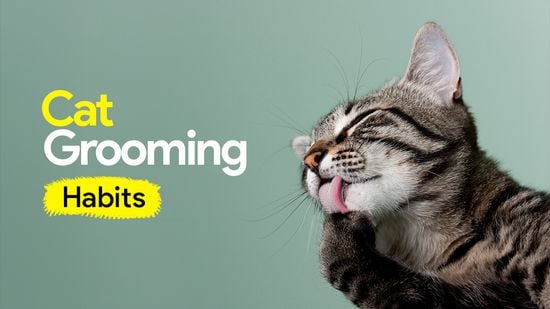
How often do you groom your cat? It might seem like a simple question, but the answer can make a big difference to your furry friend’s health and happiness.
Grooming isn’t just about keeping your cat looking good—it helps prevent hairballs, reduces shedding, and strengthens the bond between you and your pet. If you want to keep your cat comfortable and your home cleaner, understanding the right grooming routine is key.
Keep reading to discover how often you should groom your cat and why it matters more than you might think.
Benefits Of Regular Grooming
Regular grooming does more than just keep your cat looking neat. It plays a key role in their overall health and comfort. You might be surprised how much a simple grooming routine can improve your cat’s life and even your own experience as a pet owner.
Improving Coat Health
Brushing your cat regularly helps distribute natural oils evenly across their fur. This keeps the coat shiny and soft, preventing dry patches and irritation. I noticed my cat’s coat became noticeably healthier after just a few weeks of consistent grooming.
Have you ever felt how smooth a well-groomed cat’s fur can be? That softness comes from removing dirt and dead hair that can build up over time, allowing the skin to breathe better.
Reducing Shedding
Shedding can be a big mess around the house, but regular grooming cuts down on loose hair. When you brush often, you remove fur before it falls off naturally. This means less hair on your clothes, furniture, and floors.
Think about how much time you spend cleaning up cat hair. Wouldn’t it be easier to tackle the problem at its source with a quick grooming session? It’s a simple step that saves you effort and keeps your home cleaner.
Preventing Hairballs
Cats groom themselves, but they swallow a lot of loose fur in the process. This can lead to uncomfortable hairballs. By brushing your cat regularly, you reduce the amount of loose hair they ingest.
Hairballs can cause digestive issues and distress your cat. Avoiding them through grooming helps keep your cat comfortable and healthy, and spares you from dealing with messy cleanups.
Factors Affecting Grooming Frequency
How often you groom your cat depends on several important factors. These influence not just the frequency but also the grooming methods you should use. Understanding these will help you tailor a grooming routine that keeps your cat comfortable and healthy.
Breed And Fur Type
Cats with long or thick fur, like Persians or Maine Coons, usually need daily grooming to prevent mats and tangles. Short-haired breeds, such as the American Shorthair, often require less frequent brushing—sometimes just once a week.
Have you noticed your cat’s fur shedding more during certain seasons? That’s another reason to adjust grooming frequency. Regular brushing can also reduce the amount of fur you find around your home.
Age And Health
Older cats or those with health issues may groom themselves less effectively. This means you might need to step in more often to keep their coat clean and free of debris. Cats with arthritis or obesity can struggle to reach certain spots.
Pay attention to your cat’s energy levels and mobility. If grooming seems like a challenge for them, increase your involvement to ensure their coat stays healthy and comfortable.
Indoor Vs Outdoor Cats
Outdoor cats often get dirtier and pick up more debris, so they usually require more frequent grooming sessions. Indoor cats generally stay cleaner but still need regular brushing to manage shedding and hairballs.
Think about your cat’s daily environment. How much dirt or pollen do they bring inside? Adjust your grooming schedule accordingly to keep their fur in top shape.
Recommended Grooming Schedules
Knowing the right grooming schedule for your cat can make a huge difference in their comfort and health. Cats don’t all need the same amount of grooming, so tailoring your routine to their specific needs helps you avoid common problems like matting or skin issues. Let’s break down how often you should groom cats based on their coat type and age.
Short-haired Cats
Short-haired cats usually groom themselves well, so they don’t require much intervention from you. Brushing once a week is often enough to remove loose fur and reduce shedding. If you notice more hair coming off, increase grooming to twice a week to keep your home cleaner and your cat comfortable.
Also, regular grooming helps you spot skin problems or parasites early. Have you checked your cat’s skin during grooming sessions? It’s a simple habit that can prevent bigger health issues.
Long-haired Cats
Long-haired cats need more attention because their fur tangles easily. Daily brushing is ideal to prevent mats and keep their coat shiny. Skipping days can lead to painful knots that frustrate both you and your cat.
Don’t forget to focus on tricky areas like behind the ears and under the legs. These spots are prone to mats and often overlooked. Have you tried using a wide-tooth comb along with a brush? It can make grooming smoother and more effective.
Kittens And Senior Cats
Kittens are still getting used to being handled, so keep grooming sessions short and gentle. A few minutes every other day helps them get comfortable with the routine. This early habit also strengthens your bond and makes grooming easier as they grow.
Senior cats might need more frequent grooming if they struggle to clean themselves. Twice or even three times a week can keep their coat clean and reduce discomfort. Pay attention to changes in their fur texture or grooming behavior—they often indicate health issues you should discuss with your vet.

Credit: www.latimes.com
Essential Grooming Tools
Regular grooming keeps cats clean and healthy. Essential tools include brushes, combs, and nail clippers. Grooming frequency depends on the cat’s coat type and lifestyle.
Grooming your cat is more than just a task—it’s an opportunity to bond with your feline friend and ensure their health and happiness. To make this experience pleasant and effective, having the right tools is essential. Let’s dive into the grooming essentials you need to keep your cat looking and feeling their best.Brushes And Combs
Choosing the right brush or comb can make a world of difference for both you and your cat. Short-haired cats benefit from a rubber brush that helps remove loose hair and dirt. Long-haired breeds, on the other hand, may require a slicker brush or a wide-toothed comb to prevent tangles and mats. Do you struggle with your cat’s shedding? A deshedding tool might be your new best friend. Remember to brush in the direction of the hair growth to make the process more comfortable for your pet.Nail Clippers
Trimming your cat’s nails is crucial to prevent overgrowth and potential injury. Cat-specific nail clippers are a must-have to ensure precision and safety. Consider using scissor-style clippers for ease of use, especially if you’re new to cat grooming. If your cat resists, try wrapping them gently in a towel to calm them during the process. Are you unsure about cutting your cat’s nails? Consulting your vet for a quick demonstration can boost your confidence.Cleaning Supplies
Maintaining your cat’s hygiene involves more than just brushing and nail trimming. Keep a stash of cat-friendly wipes for quick clean-ups of muddy paws or small messes. Ear cleaners are essential for preventing wax buildup and infections. Use a soft cotton ball with a vet-approved solution to gently clean your cat’s ears. For tear stains or dirty faces, a damp washcloth can work wonders. Always ensure that any cleaning products are safe for feline use to avoid irritation or allergies. These essential grooming tools not only keep your cat clean but also help you monitor their health. Regular grooming sessions are a great way to check for skin issues, parasites, or unusual lumps. With the right tools and a bit of patience, grooming can transform into a cherished routine for both you and your cat.Step-by-step Grooming Process
Grooming your cat is more than just a routine; it’s a chance to connect and care for your furry friend. A clear, step-by-step grooming process helps keep your cat healthy and comfortable. It also makes the experience less stressful for both of you.
Brushing Techniques
Choose the right brush based on your cat’s fur type—slicker brushes work well for long-haired cats, while rubber brushes suit short-haired breeds. Brush gently in the direction of the fur to avoid pulling or hurting your cat. Pay special attention to areas like the belly and behind the ears, where mats often start.
Brush in short sessions if your cat is restless. You might find that talking softly or offering treats helps keep your cat calm. Have you noticed how some cats even start grooming themselves more after regular brushing?
Bathing Tips
Bathing isn’t always necessary, but if your cat gets into something sticky or dirty, a quick bath can help. Use warm water and a cat-specific shampoo to avoid skin irritation. Before you start, place a non-slip mat in the sink or tub to keep your cat steady.
Wet your cat slowly, avoiding the face, then gently lather the shampoo. Rinse thoroughly to remove all soap, as leftover residue can cause itching. Keep the bath short to reduce stress, and wrap your cat in a warm towel immediately after to dry.
Handling Mats And Tangles
Mats can be painful for cats, so tackle them as soon as you spot them. Use your fingers or a mat splitter to gently pull apart loose tangles before using a comb. If a mat is too tight, try applying a bit of conditioner or coconut oil to soften the fur.
Never cut mats out with scissors unless you are very confident, as it’s easy to accidentally hurt your cat. If mats persist, consider consulting a professional groomer. Have you ever seen your cat relax after you carefully remove a painful tangle?
Credit: temeculapetsalonandspa.com
Signs Your Cat Needs More Grooming
Knowing the signs your cat needs more grooming helps keep them healthy and happy. Cats are good at hiding discomfort. Pay attention to their coat and behavior for clues.
Excessive Shedding
More hair on furniture or clothes means your cat might need extra brushing. A dull or tangled coat also shows grooming needs. Regular grooming reduces loose fur and hairballs.
Skin Irritation
Redness, bumps, or dry patches suggest skin problems. Cats scratch more when their skin itches or feels uncomfortable. Grooming helps remove dirt and prevents skin infections.
Behavioral Changes
A cat that grooms less often may feel unwell. You might see restlessness, hiding, or aggression. These changes can mean discomfort or pain, signaling grooming or health issues.
Common Grooming Mistakes To Avoid
Grooming your cat is important for their health and happiness. Many cat owners make simple mistakes that can cause stress or harm. Avoid these common errors to keep your cat comfortable and clean.
Over-grooming
Too much grooming can irritate your cat’s skin. It may cause redness or small wounds. Cats usually groom themselves enough, so extra brushing should be gentle and short. Watch for signs of discomfort or stress during grooming.
Using Wrong Tools
Using the wrong brush or comb can hurt your cat’s fur and skin. Choose tools made for cats, not humans or dogs. Avoid sharp or metal combs that can pull hair painfully. Soft bristle brushes work well for most cats.
Ignoring Cat’s Comfort
Your cat’s mood matters during grooming. Don’t force them if they resist. Find a quiet, calm place to groom. Use a soft voice and gentle touch. Stop if your cat shows signs of fear or aggression. Patience makes grooming easier for both of you.

Credit: www.latimes.com
Frequently Asked Questions
How Often Should You Groom Short-haired Cats?
Short-haired cats benefit from grooming once a week. This helps remove loose fur and reduce shedding. Regular grooming also prevents hairballs and keeps the coat healthy and shiny.
How Frequently Do Long-haired Cats Need Grooming?
Long-haired cats require grooming at least three to four times per week. Frequent brushing prevents mats, tangles, and hairballs. It also keeps their coat clean and reduces shedding around the house.
Can Grooming Frequency Vary By Cat’s Age?
Yes, grooming needs can change with age. Older cats may need more frequent grooming due to reduced self-grooming. Kittens require gentle, regular grooming to get used to the routine.
Does Indoor Vs Outdoor Lifestyle Affect Grooming Frequency?
Indoor cats usually need less grooming, about once a week. Outdoor cats may require more frequent grooming to remove dirt, debris, and prevent matting from outdoor activities.
Conclusion
Regular grooming keeps your cat healthy and happy. Short-haired cats need brushing once a week. Long-haired cats require daily grooming to avoid mats. Watch your cat’s skin and coat for changes. Grooming also helps spot problems early. Make grooming a calm, gentle routine.
It strengthens your bond and reduces shedding. Remember, every cat is different and may need more care. Keep grooming simple and consistent for best results. Your cat will thank you with purrs and affection.



Leave a Reply