
Are you curious about whether apple cider vinegar can improve your cat’s health? Many pet owners wonder if this popular natural remedy is safe and effective for their furry friends.
You want the best for your cat, and it’s important to know the facts before trying anything new. Keep reading to discover what apple cider vinegar can really do for your cat’s well-being—and what you should watch out for. This guide will help you make the right choices to keep your pet happy and healthy.

Credit: www.amazon.com
Apple Cider Vinegar Basics
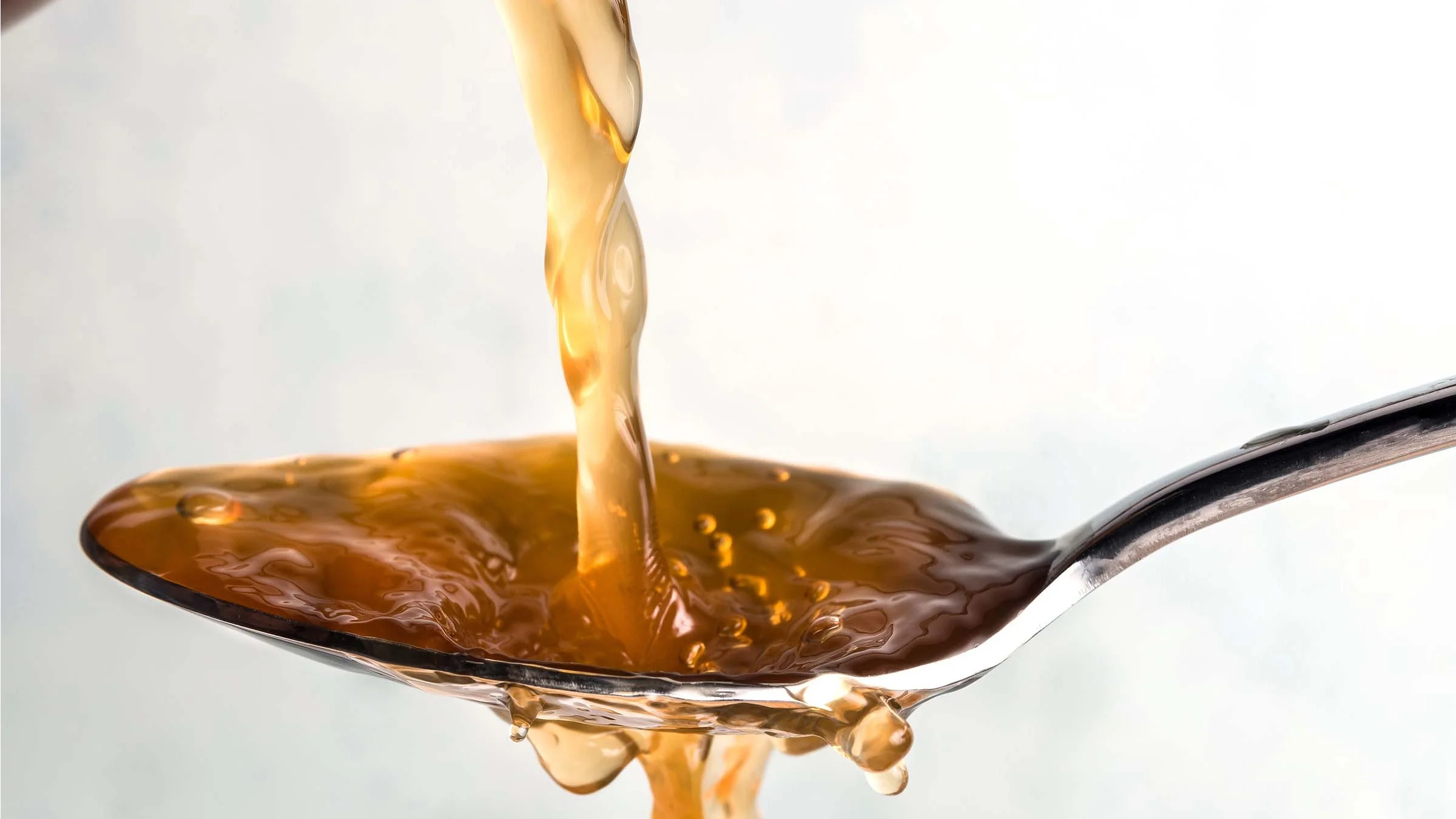
Apple cider vinegar (ACV) is a popular natural product known for many uses. It is made by fermenting apple juice. This process turns the sugars into acetic acid, which gives ACV its strong smell and sour taste.
Many pet owners ask if ACV is safe and useful for cats. Understanding its basics helps to use it wisely. ACV is not a medicine but can support health in small amounts.
What Is Apple Cider Vinegar?
Apple cider vinegar is a liquid made from crushed apples. Bacteria and yeast ferment the apples and create alcohol. Then, the alcohol turns into acetic acid.
This acid is the main ingredient that gives ACV its power. It has vitamins, minerals, and enzymes too. Raw, unfiltered ACV contains a cloudy substance called the “mother,” full of good bacteria.
Common Uses For Cats
Some cat owners use ACV for various reasons, including:
- Improving digestion by mixing a tiny amount in water
- Helping reduce fleas when diluted and applied to the fur
- Cleaning ears with a safe dilution to reduce infections
- Soothing minor skin irritations when diluted and used carefully
Always dilute apple cider vinegar before use. Never give cats pure ACV, as it can harm them. Observe your cat closely for any bad reactions after use.

Credit: www.sobeys.com
Potential Benefits For Cats
Apple cider vinegar (ACV) is often praised for its health benefits in humans, but can it offer the same advantages to your cat? Many cat owners are curious about how ACV might support their feline friend’s well-being. Let’s look at some potential benefits that could make ACV a helpful addition to your cat’s routine—if used carefully and correctly.
Boosting Digestive Health
ACV contains natural enzymes and probiotics that may aid digestion in cats. Adding a tiny amount to your cat’s water or food could help balance their stomach acids and improve nutrient absorption.
Have you noticed your cat struggling with occasional digestive upset? A small dose of diluted ACV might ease symptoms like gas or indigestion, but always consult your vet before starting.
Improving Skin And Coat
Many pet owners have seen improvements in their cat’s coat shine and skin condition after using ACV topically. Its antibacterial properties can help soothe itchy skin and reduce dandruff.
You can dilute ACV with water and gently wipe it onto your cat’s fur to help maintain a healthy, glossy coat. Just be cautious if your cat has sensitive skin or open wounds, as ACV can cause irritation.
Natural Flea Repellent
ACV is known to repel fleas without harsh chemicals. Spraying a diluted mixture on your cat’s fur or bedding may keep fleas at bay naturally.
Do you prefer chemical-free options for flea control? ACV could be a simple, inexpensive solution to try alongside regular flea treatments.
Supporting Immune System
The antioxidants and vitamins in ACV might support your cat’s immune system. A stronger immune system helps your cat fight off infections and stay healthy.
Regular, small doses of diluted ACV can act as a gentle immune booster. However, watch for any adverse reactions and talk to your vet to determine the right approach for your cat’s needs.
Possible Risks And Side Effects
Using apple cider vinegar for your cat might seem like a natural health boost, but it’s important to be aware of possible risks and side effects. Even natural products can cause problems if not used carefully. Understanding these risks helps you make safer choices for your pet’s wellbeing.
Digestive Upset
Apple cider vinegar is acidic, and too much of it can irritate your cat’s stomach. Some cats may experience vomiting or diarrhea after consuming it. If you notice any changes in your cat’s bathroom habits or appetite, it’s a clear sign to stop using vinegar immediately.
Tooth Enamel Damage
Just like in humans, the acid in apple cider vinegar can wear down your cat’s tooth enamel over time. This can lead to sensitive teeth and dental problems. Avoid giving vinegar directly in your cat’s food or water to reduce this risk.
Interactions With Medications
Apple cider vinegar might interfere with certain medications your cat is taking. It can affect the acidity of the stomach and alter how drugs are absorbed. Always check with your vet before adding vinegar to your cat’s routine, especially if your pet is on medication.
Allergic Reactions
Although rare, some cats can have allergic reactions to apple cider vinegar. Watch for signs like itching, swelling, or difficulty breathing. If your cat shows any allergic symptoms, stop use immediately and consult your veterinarian.
Safe Ways To Use Apple Cider Vinegar
Apple cider vinegar (ACV) can benefit cat health if used correctly. It is important to use ACV safely to avoid harm. Knowing the right dosage and application methods helps protect your cat.
Some cats may react badly to ACV. Avoid using it in certain situations to keep your pet safe. Read on to learn how to use apple cider vinegar with care.
Proper Dosage For Cats
Start with a very small amount of ACV for your cat. A common dose is 1/4 teaspoon diluted in 1 cup of water. Never give ACV undiluted, as it can irritate the mouth and stomach.
Use this mixture as a supplement, not a main part of your cat’s diet. Watch your cat closely for any signs of discomfort or allergic reaction. Stop use immediately if your cat shows any problems.
Application Methods
- Add diluted ACV to your cat’s drinking water for mild health support.
- Use a spray bottle to apply diluted ACV on your cat’s fur to repel fleas.
- Mix ACV with water to clean your cat’s ears, but do this only if your vet approves.
- Always dilute ACV before applying it to your cat’s skin or fur.
When To Avoid Use
Do not use ACV if your cat has kidney problems or a sensitive stomach. Avoid ACV on open wounds or irritated skin. Pregnant or nursing cats should not receive ACV without vet advice.
Stop using ACV if your cat shows signs of vomiting, diarrhea, or unusual behavior. Consult your veterinarian before starting any new treatment with apple cider vinegar.
Vet Recommendations
Apple Cider Vinegar has gained popularity for its health benefits. But is it safe for cats? Vet recommendations can help pet owners make informed decisions. Let’s explore professional advice and alternatives.
Consulting Your Veterinarian
Always consult your vet before using Apple Cider Vinegar on your cat. They can assess your cat’s health and needs. Some cats may have allergies or sensitivities. Your vet will know if it suits your pet. They provide dosage recommendations. This ensures safety and effectiveness. Trust their expertise over internet advice.
Alternatives To Apple Cider Vinegar
There are other options for cat health. Consider these alternatives:
- Fish Oil:Provides omega-3 fatty acids for skin and coat health.
- Probiotics:Support digestive health and boost immunity.
- Coconut Oil:Helps with skin conditions and hairballs.
- Herbal Supplements:Some herbs promote relaxation and calmness.
Discuss these alternatives with your vet. They can guide you in choosing the best option. Proper guidance ensures your cat’s health and happiness.
Credit: www.goodrx.com
Frequently Asked Questions
Is Apple Cider Vinegar Safe For Cats?
Apple cider vinegar can be safe for cats in small, diluted amounts. Use it cautiously and avoid oral ingestion. Always consult a vet before use, especially for cats with health conditions.
Can Apple Cider Vinegar Improve Cat Skin Health?
Apple cider vinegar may help improve cat skin by balancing pH and reducing itchiness. Use diluted vinegar as a topical rinse. Avoid applying to open wounds or sensitive areas.
How Does Apple Cider Vinegar Affect Cat Digestion?
Apple cider vinegar might aid cat digestion by promoting healthy gut bacteria. However, it should never be given undiluted. Consult a veterinarian for proper dosage and suitability.
Can Apple Cider Vinegar Repel Fleas On Cats?
Diluted apple cider vinegar can act as a mild flea repellent for cats. Spray lightly on fur, avoiding eyes and nose. It’s not a standalone flea treatment, so combine with vet-recommended methods.
Conclusion
Apple cider vinegar may offer some benefits for cats, but use caution. Always check with your vet before giving it to your pet. Too much vinegar can upset your cat’s stomach or cause other problems. Natural remedies need careful handling, especially with animals.
Keep your cat’s health as the top priority. Simple, safe care works best for long-term well-being. Remember, each cat is different and needs personal attention. Stay informed and choose what suits your furry friend best.


Leave a Reply