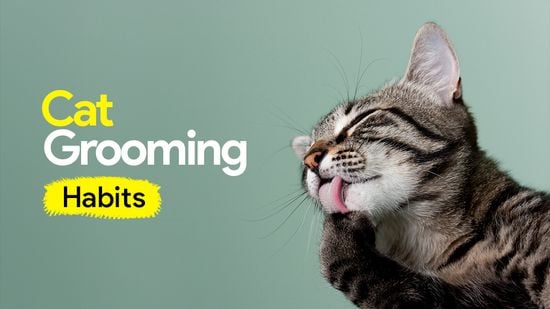
Have you ever watched your cat spend hours licking its fur and wondered just how much time they actually spend grooming themselves? You might be surprised to learn that cats can spend up to 50 percent of their day on self-cleaning.
But why do they do this so often? And what does it mean for your furry friend’s health and happiness? Keep reading to uncover the fascinating reasons behind your cat’s grooming habits and how it affects their well-being. This insight could change the way you care for your pet every day.
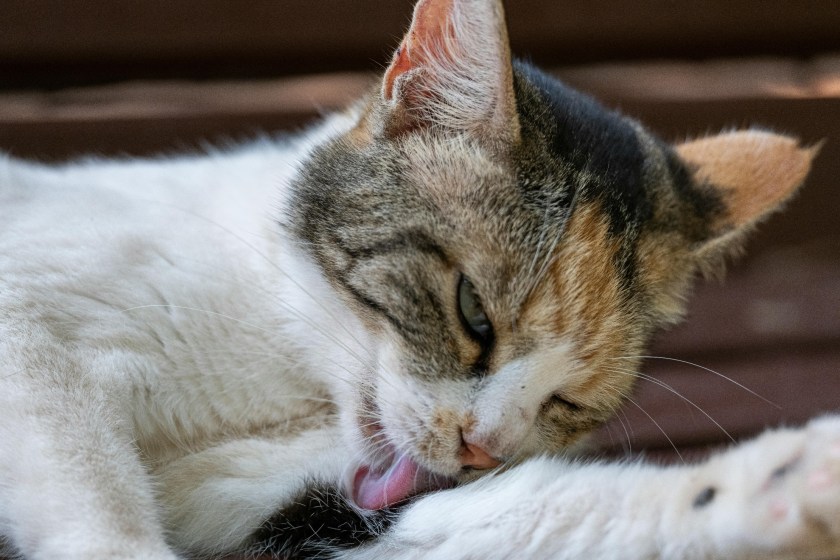
Credit: www.wideopenspaces.com
Cat Grooming Habits
Cats are known for their impeccable cleanliness, often seen licking their fur to keep it spotless. Understanding their grooming habits helps you appreciate how much effort your feline friend puts into staying neat. Grooming isn’t just about looks; it impacts their health, mood, and comfort.
Daily Grooming Routine
Your cat likely spends a good part of the day grooming itself. This routine includes licking fur, cleaning paws, and even nibbling at tricky spots. Cats use their tongues like tiny combs, removing dirt and loose hair.
Have you ever noticed your cat pause mid-groom and stare at you? That’s a sign they feel safe and relaxed around you, making their grooming session more thorough. Some cats even groom each other, which strengthens bonds.
Time Spent Grooming
On average, cats spend about 50% of their waking hours grooming. This might seem like a lot, but grooming helps regulate their body temperature and reduces stress. Some cats may spend more time, especially if they have long fur that tangles easily.
If you watch your cat closely, you’ll see short bursts of grooming mixed with rest or play. It’s a balance that keeps them comfortable without taking over their whole day.
Factors Influencing Grooming Time
- Age:Younger cats tend to groom more actively, while older cats may slow down.
- Health:Skin conditions or obesity can affect how well a cat grooms itself.
- Environment:Cats in clean, indoor spaces might groom less than outdoor cats exposed to dirt.
- Breed:Long-haired breeds need more grooming to prevent mats and tangles.
Have you noticed your cat grooming less or more than usual? Changes can signal health issues or stress, so it’s worth paying attention. Your cat’s grooming habits tell a story about their well-being.
Reasons Cats Groom
Cats spend nearly half of their waking hours grooming themselves, but why do they dedicate so much time to this activity? Grooming serves several important purposes beyond just keeping them looking sleek. Understanding these reasons can help you appreciate your cat’s behavior and even spot when something might be wrong.
Hygiene And Cleanliness
Grooming is essential for a cat’s hygiene. It removes dirt, loose fur, and parasites that can cause irritation or infections. Have you noticed how your cat’s tongue feels rough? That texture helps scrape away debris and distribute natural oils evenly across their coat.
Regular grooming also prevents matting, which can be uncomfortable or even painful. If your cat suddenly stops grooming, it could signal health issues, so keeping an eye on their habits is key.
Temperature Regulation
Cats use grooming to help regulate their body temperature. When they lick their fur, the saliva evaporates and cools them down, much like how sweating works in humans. This natural cooling system is especially useful during hot weather.
On the flip side, grooming also fluffs their fur, trapping warm air close to the skin in colder times. Have you ever watched your cat meticulously lick a patch of fur before settling down for a nap? They’re preparing their body to feel just right.
Stress Relief
Grooming is a powerful stress reliever for cats. When they feel anxious or overwhelmed, licking themselves helps calm their nervous system. It’s similar to how some people use repetitive motions to soothe their minds.
If you see your cat grooming excessively, it might be their way of coping with stress or boredom. Offering more playtime or a calm environment can help reduce this behavior and improve their well-being.
Grooming Variations By Cat Type
Cats spend a significant part of their day grooming, but not all cats groom the same way or with the same frequency. Differences in breed, age, and health play a big role in how much time your cat dedicates to keeping clean. Understanding these variations helps you better care for your feline friend and notice when something might be off.
Breed Differences
Some breeds naturally groom more than others. For example, long-haired cats like Persians need to spend extra time cleaning to prevent mats and tangles. Short-haired breeds such as the Siamese often groom less because their fur requires less maintenance.
Have you noticed your Maine Coon spending hours licking its coat? That’s because their thick fur demands more attention. Paying attention to these breed-specific habits can guide you on when to step in with brushing or baths.
Age And Grooming
Young cats and kittens usually groom themselves frequently, sometimes even obsessively. Their grooming helps them learn social behaviors and stay clean. However, older cats might slow down or miss spots due to reduced flexibility or energy.
If your senior cat isn’t grooming as much, could it be a sign they need assistance? Offering gentle brushing or spot cleaning can make a big difference in their comfort and hygiene.
Health Impact On Grooming
Health issues can drastically affect grooming habits. Cats with dental pain, arthritis, or skin conditions often groom less because it hurts or feels uncomfortable. Sudden changes in grooming might be your cat’s way of signaling distress.
Have you ever noticed your cat licking one area excessively? That could indicate irritation or allergies. Watching for these patterns can help you catch health problems early and get your cat the care it needs.

Credit: www.newsweek.com
Surprising Grooming Facts
Cats spend a large part of their day grooming. This behavior is more than just keeping clean. It plays a key role in their health and social life. Many people do not realize how complex and important grooming is for cats. Here are some surprising grooming facts that shed light on this daily ritual.
Self-grooming Vs. Social Grooming
Cats spend nearly half their time grooming themselves. This is called self-grooming. It helps remove dirt and loose fur. It also cools them down and reduces stress.
Social grooming happens when cats groom each other. This is common among cats that live together. Social grooming builds trust and strengthens bonds. It is a way cats say they feel safe with each other.
Grooming And Communication
Grooming is a form of communication for cats. It sends signals to other cats. For example, a cat licking another cat shows friendship. It can also mean submission or respect.
Cats use grooming to mark their territory too. They have scent glands in their mouths. When they groom, they leave their scent on friends or objects. This scent marks their space and signals ownership.
Unusual Grooming Behaviors
- Overgrooming can indicate stress or health problems.
- Some cats groom in patterns or focus on certain spots.
- Occasionally, cats groom objects like blankets or toys.
- Grooming can also be a way to comfort themselves when scared or anxious.
Understanding these behaviors helps owners care better for their cats. It shows that grooming is not just about cleanliness. It is a complex, natural habit with many purposes.
When Grooming Becomes Excessive
Cats are known for their grooming habits. It’s a natural behavior that helps them stay clean and healthy. But sometimes, grooming can become excessive. When this happens, it’s often a sign that something is wrong. Understanding the signs and causes of over-grooming can help cat owners address the issue effectively.
Signs Of Over-grooming
Excessive grooming can lead to noticeable changes in your cat’s appearance. Here are some common signs:
- Bald patches or thinning fur.
- Red or irritated skin.
- Frequent licking, biting, or scratching.
- Hairballs more often than usual.
Possible Causes
Several factors might cause a cat to groom excessively. Stress is a common reason. A change in environment or routine can trigger anxiety. Allergies can also lead to over-grooming. Cats may react to food, pollen, or flea bites. Skin infections or parasites might also be culprits. Identifying the cause is key to finding a solution.
When To Seek Veterinary Advice
If your cat’s grooming habits change suddenly, consult a vet. Persistent over-grooming can lead to skin damage. A vet can help identify underlying health issues. Early intervention can prevent long-term problems. Always prioritize your cat’s well-being and seek professional help when needed.
Credit: www.preventivevet.com
Frequently Asked Questions
How Much Time Do Cats Spend Grooming Daily?
Cats spend about 30 to 50 percent of their day grooming. This helps them stay clean, remove loose fur, and regulate body temperature. Grooming also reduces stress and strengthens their bond with other cats.
Why Do Cats Groom Themselves So Often?
Cats groom frequently to clean their fur, remove dirt, and control parasites. Grooming keeps their coat healthy and shiny. It also helps calm them and maintain body temperature.
Does Grooming Affect A Cat’s Health?
Yes, grooming is essential for a cat’s health. It prevents skin infections, reduces shedding, and removes parasites. Regular grooming also helps cats monitor their own body condition.
Can Excessive Grooming Indicate Health Issues?
Excessive grooming may signal stress, allergies, or skin problems. If a cat grooms too much, it can cause bald spots or sores. Consult a vet if you notice unusual grooming behaviors.
Conclusion
Cats spend a lot of time cleaning themselves each day. About half their time is grooming. This helps keep their fur clean and healthy. Grooming also cools them down and reduces stress. Cats do it naturally and often without help.
Understanding this habit shows how important self-care is for cats. Watching a cat groom can be calming and interesting. Their grooming time is a key part of their daily life. It keeps them happy and comfortable.




Leave a Reply