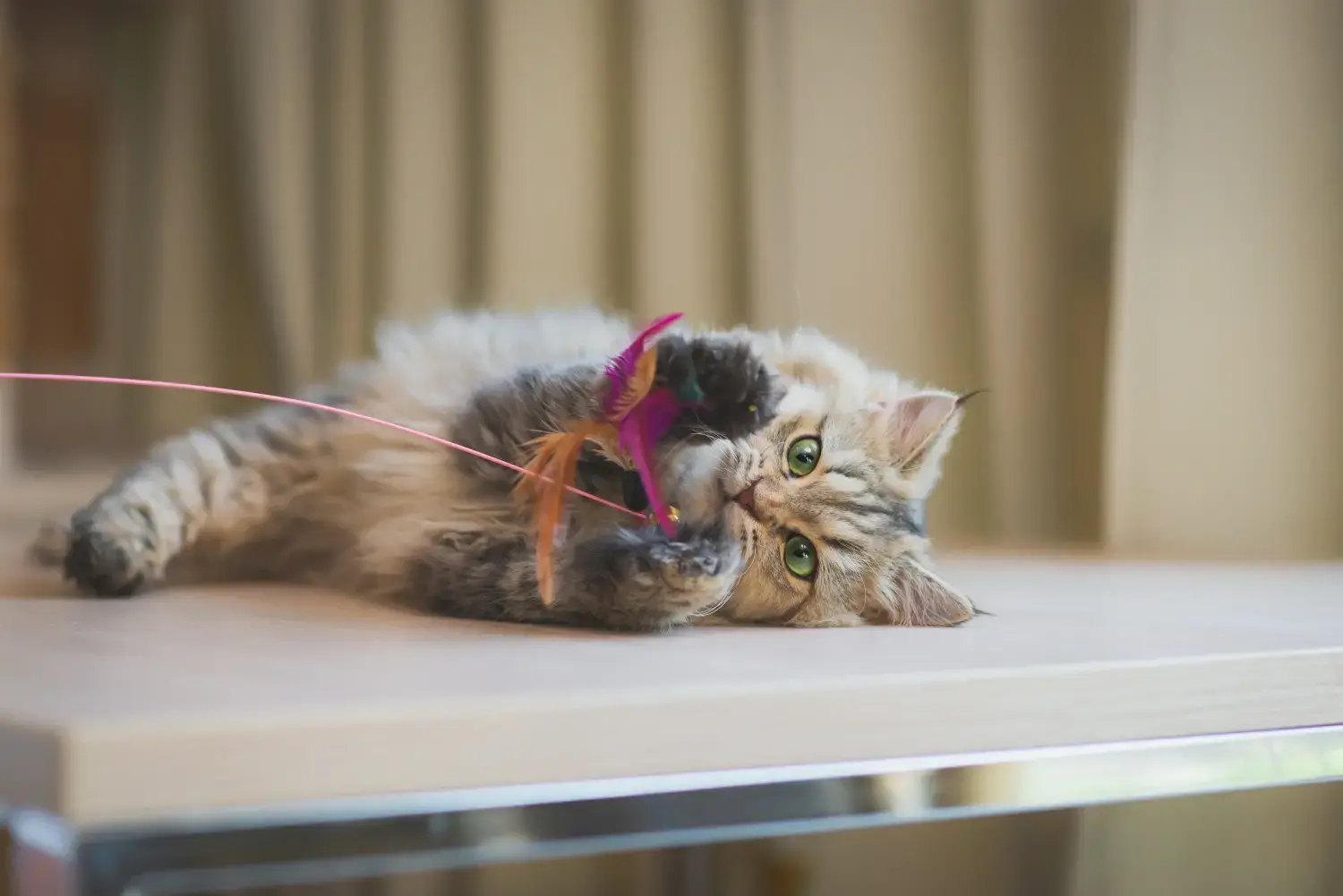
Have you ever bought a new toy for your cat, only to see it ignored and left untouched? It can be frustrating to spend money on something your furry friend doesn’t even want to play with.
You might wonder, what do you do with cat toys the cat doesn’t use? Instead of letting those toys gather dust, there are smart and simple ways to make the most of them. Keep reading, and you’ll discover easy tips that will save you money, keep your cat happy, and even turn those forgotten toys into something useful for both of you.
Identify Unused Cat Toys
Identifying unused cat toys is the first step to managing your feline’s playthings effectively. Not every toy will catch your cat’s interest, and that’s perfectly normal. Knowing which toys gather dust helps you make space for ones that truly engage your cat.
Observe Your Cat’s Preferences
Watch how your cat interacts with different toys over a few days. Does your cat chase feather wands but ignore plush mice? Pay attention to which toys get batted around, carried, or brought to you.
Sometimes, your cat may prefer toys that mimic prey, like small balls or toys that move unpredictably. Other times, they might enjoy soft toys for cuddling. What patterns do you notice in your cat’s play style?
Check Toy Condition
Look closely at the toys that haven’t been touched. Are they worn out, missing parts, or too big for your cat to carry? Damaged toys might discourage play or even pose safety risks.
Sometimes, toys in poor condition can be repaired or refreshed with a little creativity. Could a quick clean or a repair make an old favorite new again? If not, it might be time to retire them.

Credit: www.goodhousekeeping.com
Repurpose Cat Toys Creatively
Unused cat toys do not need to end up in the trash. They can find new life through creative repurposing. Giving old toys a fresh purpose saves money and reduces waste. It also sparks fun projects that engage your creativity. Transforming cat toys into useful or decorative items can brighten your space and keep memories alive.
Diy Craft Projects
Old cat toys can inspire many craft ideas. Use feathers, small balls, or fabric pieces to create new items. Combine parts to make keychains or charms. Soft toys can be turned into pincushions or sachets by adding stuffing and scent. String together colorful pieces to design unique bracelets or necklaces. These crafts make great gifts or personal keepsakes.
Use As Home Decor
Cat toys can add charm to your home’s look. Place small toys in shadow boxes or glass jars for display. Attach toys to picture frames or mirrors for a playful touch. Hang lightweight toys from curtain rods or lampshades to add color. Create a whimsical mobile by suspending toys with clear thread. These ideas bring a fun, personal vibe to any room.
Donate To Animal Shelters
Donating cat toys to animal shelters gives unused toys a new purpose. Shelters often need toys to keep cats happy and active. Your donation helps cats feel loved during their stay. It also supports shelter staff by providing enrichment tools for the animals.
Clearing out your unused toys can bring joy to shelter cats. They benefit from new playthings that reduce stress and boredom. Giving toys away is a kind way to share resources and care for animals in need.
Find Local Shelters Accepting Toys
Start by searching for animal shelters near you. Call or visit their websites to check if they accept toy donations. Some shelters have specific rules about what types of toys they can use. Confirm the kind of toys they prefer to receive. This avoids donating items that cannot be used.
Community centers or rescue groups may also welcome donations. Ask about drop-off locations and hours. Knowing this helps plan your donation delivery easily.
Prepare Toys For Donation
Clean all toys thoroughly before donating. Use mild soap and water to remove dirt and germs. Let toys dry completely to prevent mold or mildew.
Check for broken or damaged parts. Remove any pieces that could harm cats. Only donate toys that are safe and in good condition.
Package toys neatly in a box or bag. Label the package with the contents if possible. This helps shelter staff sort donations quickly and efficiently.

Credit: www.youtube.com
Recycle Or Dispose Responsibly
Knowing how to recycle or dispose of your cat’s old toys responsibly helps reduce waste and keeps harmful materials out of landfills. It also sets a good example for your family and neighbors about caring for the environment. Before tossing those worn-out toys, take a moment to understand what can be recycled and how to throw things away safely.
Identify Recyclable Materials
Not all cat toys are created equal, and some parts can be recycled while others cannot. Look for toys made of hard plastics, cardboard, or paper. These materials often have recycling symbols that tell you if your local facility accepts them.
Soft plastics, foam, or rubber parts usually can’t go in the recycling bin. For example, a cardboard scratching post base can be broken down and recycled, but a rubber mouse toy likely needs to be disposed of differently. Separating parts before recycling makes a big difference.
Safe Disposal Tips
When recycling isn’t an option, dispose of cat toys carefully to avoid harming wildlife or the environment. Wrap sharp or small pieces in paper or put them in sealed bags to prevent them from becoming litter. This also keeps local animals from accidentally eating or getting tangled in the waste.
Consider donating gently used toys to animal shelters or rescues. Many shelters welcome toys that are clean and in good condition, giving them a second life. If donating isn’t possible, check with your waste management service for guidelines on disposing of pet items.
Have you ever thought about how much waste comes from pet toys alone? Taking a moment to recycle or dispose of them responsibly can make a noticeable impact.
Store For Future Use
Keep unused cat toys in a box for later. Cats may lose interest but return to them after some time. Storing toys helps save money and reduces waste.
Storing unused cat toys can save money and reduce waste. Cats often lose interest in toys, but don’t discard them. Instead, store them for future use. This practice keeps your space tidy and provides variety for your cat later.Rotate Toys To Renew Interest
Cats quickly lose excitement over familiar toys. Regularly rotating toys can rekindle their interest. Keep a small selection available, and change them every few weeks. This strategy keeps playtime fresh and engaging for your feline friend. Rotating toys also allows you to observe which ones your cat prefers.Proper Storage Methods
Storing toys correctly preserves their condition. Use airtight containers to keep them dust-free and fresh. Label each container to easily identify toy types or categories. Place the containers in a cool, dry place to avoid damage. For toys with catnip, ensure they are sealed tightly to maintain scent. Proper storage extends the life of the toys and keeps them ready for future use.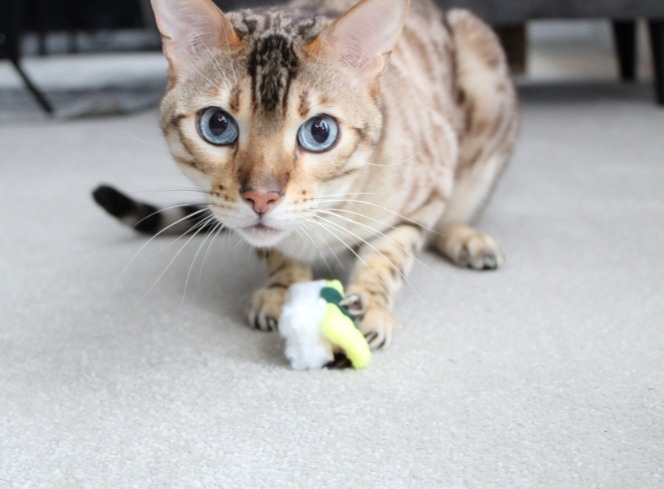
Credit: www.lordsandlabradors.co.uk
Create New Play Experiences
Creating new play experiences with your cat’s unused toys can bring fresh excitement and curiosity to their daily routine. Instead of letting those toys gather dust, try mixing things up to spark your cat’s natural hunting and exploring instincts. Small changes can turn old toys into engaging adventures that keep your feline friend entertained and mentally sharp.
Combine Toys For Interactive Play
Try joining two or more toys together to create a new game. For example, attach a feather wand to a ball or dangle a string from a catnip mouse. This makes playtime more dynamic and unpredictable, which cats love.
Interactive play encourages your cat to chase, pounce, and think, reducing boredom. Watch how your cat responds when a simple toy suddenly moves differently or makes new noises. You might discover a favorite combo that keeps your cat coming back for more.
Introduce Toys With Treats
Use treats to entice your cat to interact with toys they usually ignore. Hide small snacks inside puzzle toys or place treats near a new toy to attract attention.
This creates positive associations and motivates your cat to explore and engage. Have you noticed how a tiny piece of chicken can turn a forgotten toy into the most exciting thing in the room? Experiment with different treats to see what excites your cat the most.
Frequently Asked Questions
What Should I Do With Cat Toys My Cat Ignores?
Store unused cat toys in a box to keep them fresh. Rotate toys weekly to renew your cat’s interest. Try different textures or scents to find favorites. This keeps playtime exciting and prevents toys from getting bored.
How Can I Repurpose Old Cat Toys Effectively?
Old cat toys can be donated to shelters or reused creatively. Use parts for DIY cat puzzles or scratching posts. You can also recycle fabric or stuffing safely. This reduces waste and keeps your cat entertained in new ways.
Why Does My Cat Suddenly Lose Interest In Toys?
Cats may lose interest due to boredom or overstimulation. Health issues or changes in environment can also affect play. Introduce new toys or play styles to regain attention. Regularly rotating toys helps maintain your cat’s curiosity and engagement.
How To Store Cat Toys To Keep Them Appealing?
Store cat toys in a dry, clean container or box. Avoid leaving toys scattered to prevent damage or dirt. Rotate toys every few days to keep your cat curious. Proper storage extends toy lifespan and maintains your cat’s interest.
Conclusion
Unused cat toys do not have to go to waste. You can donate them to shelters or friends with cats. Try rotating toys to keep your cat interested. Some toys can become DIY projects or decorations. Keep your cat’s play area tidy by storing extras.
Remember, a little change can spark your cat’s curiosity. Finding new uses for old toys benefits both you and your pet. Give those forgotten toys a second chance to bring joy.




Leave a Reply