Have you noticed your cat isn’t grooming herself like she used to? It can be worrying when your furry friend stops licking her fur or cleaning her paws.
Grooming is a natural habit for cats, and when it suddenly changes, it might signal that something isn’t right. You’ll discover the common reasons why your cat may not be grooming and what you can do to help her feel better again.
Keep reading to learn how to spot the signs and make sure your cat stays happy and healthy.
Common Reasons Cats Stop Grooming
Noticing your cat stop grooming herself can be worrying. Grooming is essential for a cat’s health and comfort, so a sudden change often signals something is wrong. Understanding why your cat has stopped grooming can help you address the issue promptly and keep her happy and healthy.
Health Issues
Illnesses can make grooming difficult or less appealing for your cat. Skin conditions like allergies, infections, or parasites often cause discomfort, leading her to avoid grooming. Internal health problems, such as kidney disease or diabetes, might also reduce her energy and interest in self-care.
If you see bald spots, redness, or unusual odors, it’s time to consult a vet. Early diagnosis can prevent more serious complications.
Pain And Discomfort
Physical pain can stop your cat from grooming. Arthritis or injuries can make bending and licking painful. Imagine trying to reach itchy spots when every movement hurts—your cat might simply give up.
Observe if she avoids certain movements or areas on her body. This can help pinpoint where the pain might be.
Stress And Anxiety
Cats are sensitive to changes in their environment. Moving homes, new pets, or loud noises can cause stress that disrupts grooming habits. Stress can also trigger excessive grooming or lead to grooming neglect.
Ask yourself: Has anything changed recently that might upset your cat? Creating a calm, predictable space can encourage her to groom again.
Age-related Changes
Older cats often slow down their grooming routines. Reduced flexibility and declining senses may make grooming harder. This doesn’t mean you should ignore the problem—regular brushing and gentle care can fill the gap.
Have you noticed your senior cat’s coat looking dull or matted? Helping her maintain cleanliness can improve her comfort and health.
Environmental Factors
Sometimes the surroundings affect grooming habits. If your cat’s litter box is dirty or her food isn’t fresh, she might feel unwell and stop grooming. Temperature changes also play a role; extreme heat or cold can reduce grooming activity.
Check her living conditions carefully. Small improvements can make a big difference in encouraging her to groom again.

Credit: www.reddit.com
Signs Of Grooming Problems
Noticing signs that your cat isn’t grooming herself properly can be worrying. Cats usually keep themselves clean, so any changes in their grooming habits often point to underlying issues. Recognizing these signs early can help you address problems before they get worse.
Mattes And Tangles
One of the clearest signs of grooming problems is the presence of mattes and tangles in your cat’s fur. These clumps of fur can be uncomfortable and even painful for your cat.
If you see thick, knotted patches, especially around areas your cat usually reaches, it might mean she’s struggling to groom herself properly. You might want to gently check if these tangles cause discomfort or skin redness underneath.
Skin Irritations
Skin irritations such as redness, sores, or flaky patches can indicate grooming issues. When cats don’t groom, dirt and oils build up, leading to irritated skin or even infections.
Have you noticed your cat scratching more or licking one spot repeatedly? This behavior can signal discomfort that needs your attention.
Unusual Odors
A cat that isn’t grooming will often develop an unusual smell. Healthy cats are usually odor-free or have a mild scent.
If your cat has a strong, unpleasant odor, it might be from unclean fur or underlying health problems. This is a clue to check her coat and skin more closely.
Behavioral Changes
Changes in your cat’s behavior can also hint at grooming troubles. You might see her become less active or hide more than usual.
Sometimes, pain or discomfort from grooming difficulties makes cats avoid their usual self-care. Ask yourself if your cat’s mood or routine has shifted recently — it might be more than just a bad day.
Medical Conditions Affecting Grooming
When your cat stops grooming herself, it might be more than just a behavioral change. Various medical conditions can directly affect your cat’s ability or willingness to keep clean. Understanding these health issues can help you spot the problem early and get your feline friend the care she needs.
Arthritis And Mobility Issues
Arthritis is common in older cats and can make grooming painful or difficult. If your cat struggles to reach certain areas due to stiff joints or swollen limbs, she might skip grooming sessions. You might notice patches of matted fur or a greasy coat where she can’t reach.
Ask yourself: Does your cat seem less active or hesitant to jump? These signs often go hand in hand with mobility issues. A vet visit can confirm arthritis and suggest treatments to ease her pain and improve her grooming habits.
Dental Problems
Dental pain can make your cat less interested in grooming. Chewing on fur or licking can hurt if there are tooth infections or inflamed gums. Cats with dental problems might groom less because it causes discomfort around the mouth and head.
Watch for bad breath, drooling, or difficulty eating—these could hint at dental issues affecting grooming. Regular dental checkups and cleanings are essential to keep your cat comfortable and clean.
Skin Infections And Parasites
Skin infections and parasites like fleas or mites can irritate your cat’s skin, making grooming uncomfortable or even painful. Sometimes, cats avoid grooming because scratching or licking worsens the irritation. You might see redness, scabs, or excessive scratching.
Have you noticed your cat biting or scratching certain spots more than usual? This could signal skin trouble that needs medical attention. Treating infections or parasites promptly will help restore your cat’s grooming routine.
Obesity And Overweight
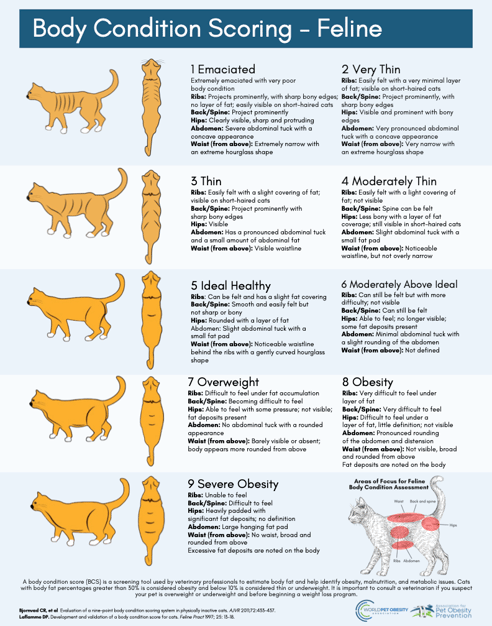
Excess weight can limit your cat’s flexibility and reach, making grooming a real challenge. Overweight cats often have trouble cleaning areas like their back and belly. This results in unkempt fur and sometimes skin problems from trapped dirt and oils.
Is your cat gaining weight or less agile than before? Helping her lose weight through diet and exercise can improve grooming ability and overall health. Small changes in daily play and meal portions can make a big difference over time.
Behavioral Causes And Solutions
Cats may stop grooming due to stress, boredom, or illness. Providing a calm environment and regular vet checkups can help. Encouraging play and comfort often improves their grooming habits.
Cats are naturally fastidious creatures, often spending hours grooming themselves. When they stop, it can be a cause for concern. Behavioral issues are a common reason behind this change, and understanding these can help you find the right solutions.Stress Reduction Techniques
Stress can significantly impact a cat’s grooming habits. A sudden change in environment, a new pet, or even rearranging furniture can stress your cat. Consider creating a calm space for your feline friend. Use pheromone diffusers to create a relaxing atmosphere. You might also try spending more quality time with your cat, offering extra cuddles or play sessions to reassure them.Environmental Enrichment
Boredom can lead to a lack of grooming. Cats are curious by nature and need stimulation to stay active and engaged. Introduce a variety of toys to keep your cat entertained. Puzzle feeders can be a great way to challenge your cat mentally while also providing a reward. Additionally, consider setting up a cat tree or perch by a window, giving them a view of the outside world.Routine And Stability
Cats thrive on routine. Disruptions in their daily schedule can lead to stress and changes in grooming habits. Establish a consistent feeding and play schedule. This predictability can provide comfort and encourage your cat to resume normal behaviors. Are there specific changes you’ve noticed in your cat’s routine that might be affecting their grooming habits? Observing these shifts can offer valuable insights.How To Help Your Cat Groom
Helping your cat groom herself is essential for her health and happiness. Cats rely on grooming to keep their coat clean and skin healthy, but sometimes they need a little help from you. Understanding how to assist your cat with grooming can improve her comfort and prevent health problems.
Regular Brushing
Brushing your cat regularly removes loose fur and prevents matting. It also stimulates blood circulation and distributes natural oils, keeping her coat shiny. Try to brush your cat daily or at least several times a week, especially if she has long hair.
Use a brush suited to your cat’s fur type. For short-haired cats, a rubber brush works well. Long-haired cats benefit from a slicker brush or comb. Watch your cat’s reactions and adjust your technique to keep brushing a positive experience.
Bathing Tips
Bathing your cat might sound tricky, but sometimes it’s necessary if she won’t groom herself. Use a mild, cat-safe shampoo and warm water to avoid skin irritation. Keep bath time short and calm to reduce stress.
Before bathing, brush your cat thoroughly to remove tangles. If your cat resists, try using a damp cloth to spot-clean dirty areas instead. Have treats ready to reward her for cooperation and make the process less daunting.
Veterinary Care
If your cat stops grooming herself, it could signal a health issue. Pain, dental problems, or skin conditions can make grooming uncomfortable. A vet can check for underlying causes and recommend treatment.
Regular veterinary visits ensure your cat stays healthy overall. Don’t wait too long if you notice changes in grooming habits—early intervention can prevent bigger problems. Your vet might also suggest special grooming tools or products tailored to your cat’s needs.
Diet And Hydration
Your cat’s diet affects her skin and coat condition. Feeding high-quality food rich in omega fatty acids supports healthy fur. Make sure she has access to fresh water at all times to keep her hydrated.
Dehydration can cause dry skin and make grooming uncomfortable. If your cat is picky about water, try adding wet food or using a cat water fountain. Have you noticed if changes in diet improve your cat’s grooming habits?

Credit: medium.com
When To See A Vet
Noticing your cat isn’t grooming herself can be worrying. Cats are usually meticulous about keeping clean, so a sudden change is a sign you should pay attention to her health. Knowing when to see a vet can make all the difference in catching a problem early and helping your feline friend feel better.
Warning Signs
Look out for these signs that mean it’s time to call your vet:
- Patchy or matted fur:If her coat looks uneven or tangled, she might be in pain or feeling unwell.
- Excessive scratching or biting:This could indicate allergies, parasites, or skin infections.
- Changes in behavior:If she’s hiding, seems lethargic, or loses interest in play, it’s a red flag.
- Weight loss or poor appetite:These often go hand in hand with grooming problems.
One time, I noticed my cat stopped grooming and started scratching a lot. A vet visit revealed a hidden skin infection that was easily treated once caught early.
Diagnostic Tests
Your vet will start with a thorough physical exam, checking her skin, coat, and overall health. They may perform tests like:
- Skin scrapings:To find mites or other parasites.
- Blood tests:To check for underlying diseases like diabetes or kidney problems.
- Allergy testing:Sometimes allergies cause discomfort and stop grooming.
- Fungal cultures:To detect ringworm or other fungal infections.
These tests help pinpoint the exact cause so treatment can be targeted and effective.
Treatment Options
Treatment depends on the diagnosis but often includes:
- Medications:Antibiotics, antifungals, or anti-parasitic drugs can clear infections and parasites.
- Diet changes:Special food may help if allergies are the cause.
- Pain relief:If arthritis or injury is involved, pain management can encourage grooming again.
- Regular grooming help:Sometimes you’ll need to assist with brushing or baths until she feels better.
Have you ever wondered how much your cat’s grooming habits reveal about her health? Paying attention and acting quickly can keep your furry companion happy and clean.
Credit: www.preventivevet.com
Frequently Asked Questions
Why Is My Cat Suddenly Not Grooming Herself?
Sudden grooming neglect can signal health problems like pain or illness. Stress or environmental changes may also cause this behavior. Consult a vet to rule out medical issues and address emotional causes promptly.
Can Stress Cause A Cat To Stop Grooming?
Yes, stress can disrupt a cat’s grooming routine. Changes like new pets or moving can increase anxiety. Reducing stress with a calm environment helps restore normal grooming habits.
Is Lack Of Grooming A Sign Of Illness In Cats?
Yes, illness often reduces grooming. Conditions like arthritis or dental pain make grooming painful. Regular vet check-ups help identify and treat underlying health problems early.
How Can I Encourage My Cat To Groom Again?
Gently brush your cat to stimulate grooming behavior. Ensure a stress-free environment and maintain regular vet visits. Positive reinforcement and playtime can also promote self-care habits.
Conclusion
A cat not grooming herself may signal health or stress issues. Watch for changes in behavior or appearance. Offer gentle care and comfort to your cat. Consult a vet to rule out medical problems. Regular grooming helps keep your cat clean and happy.
Taking quick action supports your cat’s well-being. Your cat depends on you for help and care. Stay patient and observe her closely every day. Small steps can make a big difference in her health. Caring for your cat shows your love and attention.



Leave a Reply