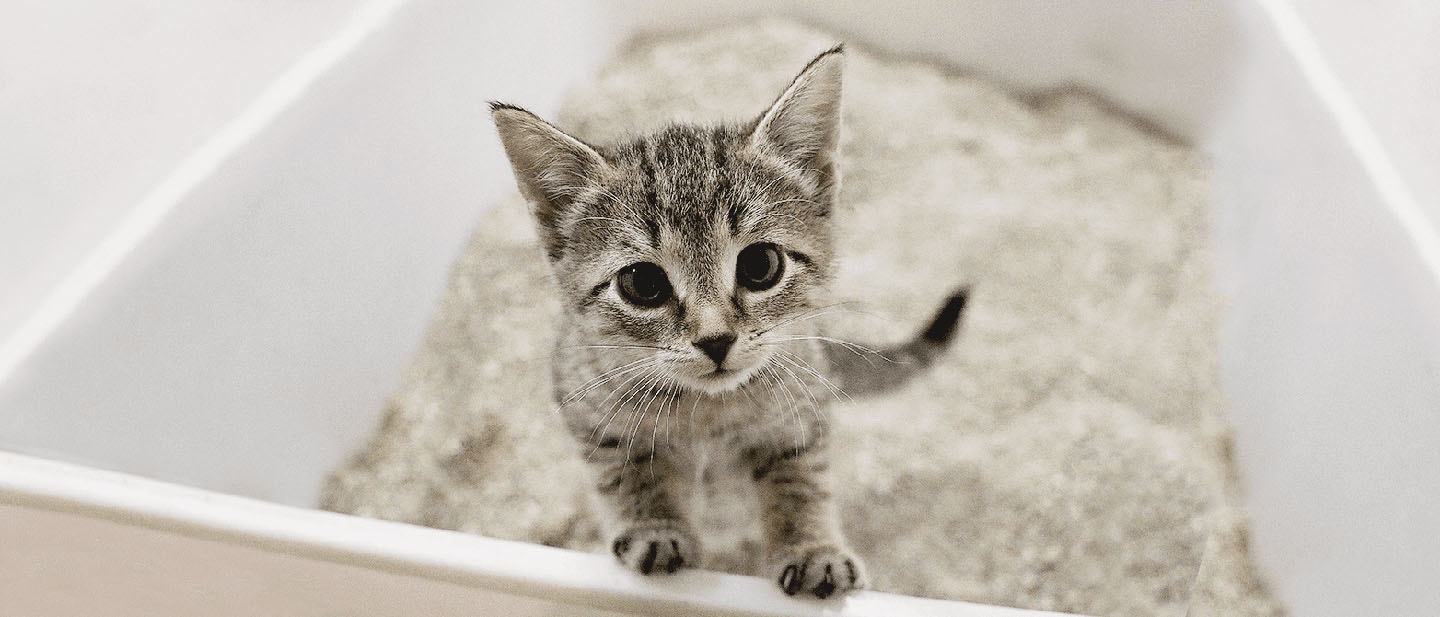
Bringing a stray cat into your home can be a rewarding experience, but teaching it to use a litter box can feel like a big challenge. You want your new feline friend to feel comfortable and clean, but without the right approach, accidents can happen.
What if there was a simple way to help your stray cat learn quickly and easily? You’ll discover practical, step-by-step tips that make litter box training stress-free—for both you and your cat. Ready to create a happy, tidy space for your furry companion?
Let’s get started.

Credit: cats-magazine.com
Preparing The Space
Preparing the space is a crucial step when training a stray cat to use a litter box. The right setup can make your cat feel comfortable and encourage good habits. It’s about more than just placing a box—it’s about creating a welcoming and stress-free environment that your new feline friend will trust.
Choosing The Right Litter Box
Pick a litter box that matches your cat’s size and personality. Larger boxes provide more room to move, which can be less intimidating for shy cats. Covered boxes offer privacy but might trap odors, which some cats dislike.
Think about your stray’s behavior. If it seems nervous, an open box might reduce stress. Also, place the box where your cat can easily find it but away from noisy appliances or heavy foot traffic.
Selecting Suitable Litter
Stray cats are used to natural textures, so choose a litter that feels familiar. Unscented, clumping clay or natural litter like corn or wheat can work well. Avoid strong fragrances, as they can repel sensitive noses.
Try offering a small tray with different types of litter to see which one your cat prefers. This simple test can save time and frustration later. Remember, your goal is to make the litter box as inviting as possible.
Creating A Safe Environment
Your stray cat needs to feel secure to use the litter box confidently. Keep the area quiet and calm, away from loud noises or other pets that might scare your cat. Soft lighting can also help reduce anxiety.
Adding familiar items like a blanket or toy nearby can make the space feel less foreign. Have you noticed how a small comfort item can change a cat’s mood? Use that to your advantage and watch your cat’s progress improve.
Introducing The Cat To The Box
Introducing a stray cat to a litter box requires patience and understanding. Cats new to indoor life often feel unsure about unfamiliar objects. Helping them get comfortable with the box is the first step toward successful litter training.
Gently Guiding The Cat
Start by placing the litter box in a quiet, accessible corner. Bring the cat close to the box calmly, allowing it to sniff and explore at its own pace. Avoid forcing the cat inside; gentle guidance helps build trust.
Keep your movements slow and steady. You might softly pick up the cat and place it in the box a few times, especially after meals or naps. This shows the cat where it should go without feeling pressured.
Encouraging Exploration
Let your cat investigate the litter box on its own terms. You can sprinkle a little catnip around the edges or drop a small toy nearby to spark curiosity. Have you noticed how cats love to explore new textures? This can make the box more inviting.
Observe your cat’s behavior closely. If it starts digging or pawing in the litter, praise it quietly to reinforce this natural instinct. Sometimes, simply leaving the box uncovered encourages more interaction.
Using Positive Reinforcement
Reward your cat every time it uses or shows interest in the litter box. Treats, gentle petting, or soft praise work well to reinforce good habits. Have you tried timing rewards immediately after the desired behavior? This can speed up learning.
Consistency is key. Avoid punishment if accidents happen outside the box; instead, clean thoroughly to remove odors. Positive reinforcement helps your cat associate the litter box with safety and comfort, making training smoother and more effective.
Establishing A Routine
Creating a consistent schedule helps a stray cat feel safe and understand litter box use. Feeding and litter times set clear habits for your cat. Patience and regularity make training easier and faster.
Establishing a routine is key when training a stray cat to use a litter box. Cats thrive on consistency, and a structured schedule helps them understand what’s expected. By creating a predictable environment, you make the transition smoother for your new feline friend.Feeding And Litter Schedule
Consistency is your best friend here. Feed your cat at the same times every day. This makes their bathroom habits more predictable. Place the litter box in a quiet and accessible spot. Ensure it’s clean, as cats are picky about hygiene. A regular feeding schedule naturally leads to a regular bathroom schedule. Watch for when your cat typically needs to relieve itself after eating. Then, gently guide them to the litter box during these times. This practice helps reinforce the habit.Monitoring Behavior
Observe your cat closely. Look for signs that they need to go, such as sniffing or circling. These behaviors can indicate that they are searching for a spot. When you notice these signs, calmly direct them to the litter box. Doing this repeatedly helps them associate the box with bathroom time. Have you noticed how quickly they learn, once they make the connection?Handling Accidents Calmly
Accidents are part of the learning curve. Stay calm and patient. Cats can sense your frustration, which might make them anxious. Clean any messes thoroughly to remove the scent. Use an enzyme cleaner to eliminate odors completely. This prevents them from returning to the same spot. Reward positive behavior with treats or affection. Celebrating their success makes them more likely to repeat it. Patience and understanding go a long way in building trust with your stray cat.
Credit: www.purina.com
Addressing Challenges
Training a stray cat to use a litter box can bring unique challenges. Stray cats often feel scared or unsure in new environments. Patience and understanding help make the process smoother. Recognizing and addressing problems early improves success. Here are some common challenges and ways to handle them.
Dealing With Fear Or Anxiety
Stray cats may hide or avoid the litter box due to fear. Create a calm and quiet space for the cat. Avoid loud noises and sudden movements near the box. Let the cat explore the box at its own pace. Use soft voices and gentle gestures to build trust. Time and kindness help reduce anxiety.
Improving Litter Box Appeal
Not all litter boxes attract cats equally. Choose a box with low sides for easy access. Keep the box clean by scooping daily and changing litter often. Use unscented, clumping litter to please sensitive noses. Place the box in a quiet, private spot. Avoid areas near food or loud appliances. These steps make the box more inviting.
Consulting A Veterinarian If Needed
Sometimes health issues cause litter box problems. Urinary infections or pain can make cats avoid the box. Watch for signs like frequent urination or blood in urine. If the cat acts sick or changes behavior, seek veterinary advice. A vet can check for illness and suggest treatments. Health checks improve comfort and training success.
Maintaining Hygiene
Maintaining hygiene is key to training a stray cat to use a litter box. A clean environment encourages the cat to keep using the box. It also prevents health problems for both the cat and your home.
Keeping the litter box clean and fresh helps the cat feel comfortable. It reduces bad smells and stops the cat from avoiding the box. Consistent care builds good habits and trust between you and the cat.
Cleaning The Litter Box
Remove clumps and waste daily to keep the box tidy. Use a scoop with small holes to catch litter particles. Empty the entire box once a week. Wash it with mild soap and warm water. Avoid strong-smelling cleaners that can scare the cat.
Preventing Odors
Use unscented, clumping litter to control smell naturally. Change the litter regularly to avoid buildup of waste. Place the litter box in a well-ventilated area. Sprinkle baking soda under the litter to absorb odors. Keep more than one box if you have multiple cats.
Ensuring Long-term Success
Keep the litter box in the same quiet spot. Avoid moving it often to prevent confusion. Check the box daily for cleanliness and litter level. Praise the cat gently when it uses the box correctly. Be patient and consistent to help the cat feel safe.

Credit: www.reddit.com
Frequently Asked Questions
How Long Does It Take To Train A Stray Cat?
Training a stray cat to use a litter box usually takes 1 to 3 weeks. Consistency and patience are key. Providing a quiet, accessible litter box helps speed up learning.
What Type Of Litter Is Best For Stray Cats?
Unscented, clumping litter is best for stray cats. It mimics natural soil and reduces odors. Avoid strong fragrances, as stray cats may reject unfamiliar smells.
How Do I Introduce A Litter Box To A Stray Cat?
Place the litter box in a quiet, low-traffic area. Gently guide the cat to the box after meals and naps. Reward with treats to encourage use.
What If The Stray Cat Avoids The Litter Box?
Check for cleanliness and location issues. Ensure the litter box is clean and accessible. Try changing the litter type or adding another box if needed.
Conclusion
Training a stray cat to use a litter box takes time and patience. Start with a quiet, clean space for the box. Show the cat where it is and reward good behavior. Expect some accidents; stay calm and consistent. Cats learn best with gentle guidance and routine.
Soon, your stray will feel safe and comfortable using the litter box. This small effort helps build trust and a happy home. Keep trying, and you will see positive results. Caring for a stray cat can be a rewarding experience for both of you.


Leave a Reply