How often do you change your cat’s litter box? It might seem like a small task, but the answer can make a big difference for both you and your furry friend.
If the box isn’t cleaned often enough, bad smells can take over your home, and your cat might start looking for a cleaner spot. On the other hand, changing it too often can feel like a hassle. Finding the right balance is key to keeping your cat happy and your home fresh.
You’ll discover simple tips and expert advice to help you know exactly when and how to change your cat’s litter box without any stress. Keep reading—you and your cat will thank yourself for it!

Credit: perfectpetzzz.com
Litter Box Cleaning Frequency
Caring for a cat involves more than just feeding and cuddles. Maintaining a clean litter box is vital for your cat’s health and happiness. Understanding how often to clean it can make a big difference. Regular cleaning keeps your home odor-free and your pet content.
Daily Scooping Benefits
Scooping the litter box daily is essential. It removes waste and keeps the area fresh. This practice reduces odors significantly. It also helps in monitoring your cat’s health. You can spot unusual waste patterns early. A clean box encourages your cat to use it regularly.
Weekly Full Changes
A complete litter change weekly is recommended. It ensures the removal of any lingering bacteria. Fresh litter keeps your cat happy and avoids litter aversion. During the change, clean the box with mild soap. Rinse thoroughly to avoid any chemical residue.
Factors Affecting Schedule
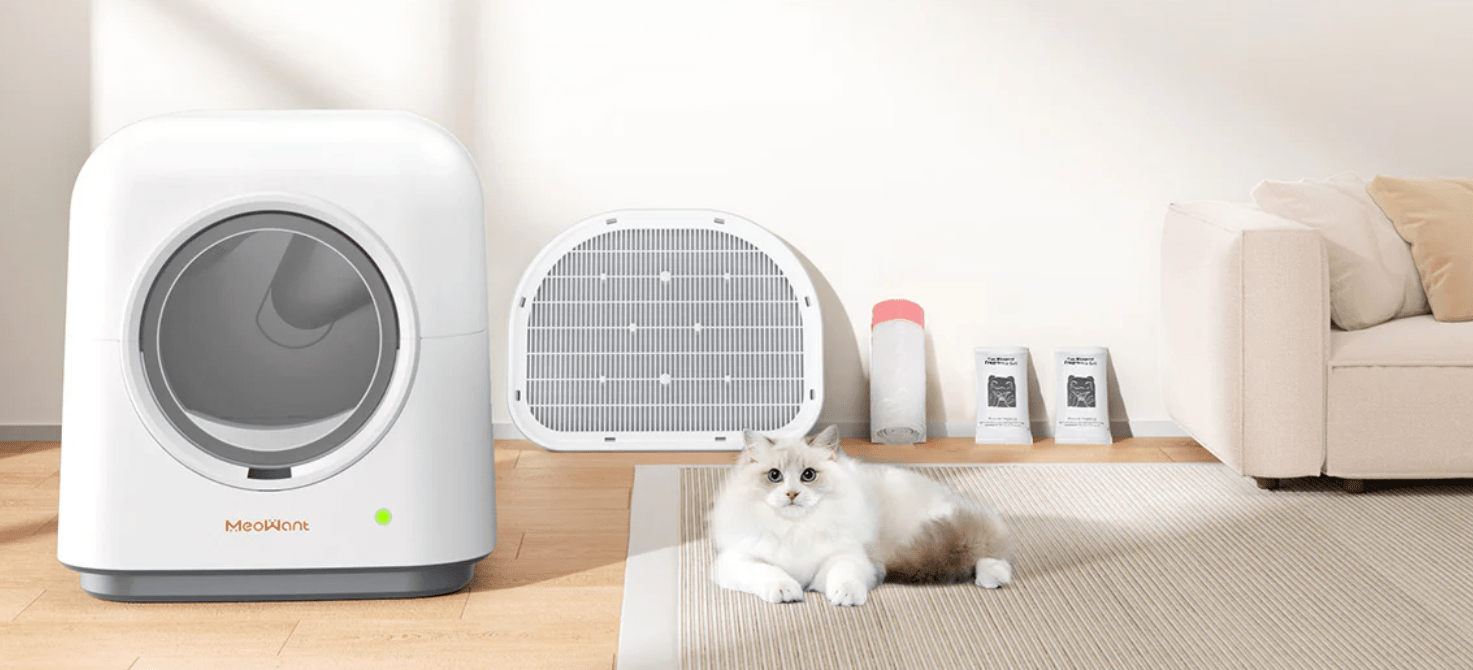
Several factors influence how often you should clean the litter box. The number of cats you have is crucial. More cats mean more frequent cleaning. The type of litter also plays a role. Some litters require less frequent changes. Your cat’s health can impact cleaning needs too. Monitor any changes in litter habits closely.
Credit: meowant.com
Types Of Cat Litter
Choosing the right type of cat litter can make a huge difference in how often you need to change your cat’s litter box. Different litters absorb moisture, control odors, and clump in unique ways. Understanding these options helps you keep your home fresh and your cat comfortable.
Clumping Vs Non-clumping
Clumping litter forms solid clumps when your cat urinates, making it easy to scoop out just the dirty parts daily. This can extend the time between full litter changes since you remove waste regularly.
Non-clumping litter absorbs moisture but doesn’t form clumps, so you need to change it more often to avoid odors and mess. Some cats prefer this texture, so consider your cat’s preference when choosing.
Have you noticed your cat avoiding the box? Sometimes the litter type affects their comfort and cleanliness habits.
Odor Control Options
Odor control is a top priority for most cat owners. Many litters include activated charcoal, baking soda, or natural enzymes to neutralize smells.
Some scented litters mask odors, but not all cats like strong smells. Unscented options with natural odor control might be better for sensitive noses.
Think about your home’s ventilation and how much odor control you really need based on your living space.
Eco-friendly Choices
If you want to reduce your environmental impact, eco-friendly litters are worth trying. These are often made from recycled paper, wood pellets, corn, or wheat.
They tend to be biodegradable and compostable, which helps reduce landfill waste. However, some may require more frequent changing or behave differently in terms of odor and clumping.
Would switching to a green litter change your cleaning routine or your cat’s behavior? It’s worth experimenting to find a balance between sustainability and convenience.
Number Of Cats And Boxes
The number of cats you have directly affects how often you need to change their litter boxes. More cats mean more waste, which can quickly lead to unpleasant odors and dirty boxes. Understanding the right balance between cats and litter boxes can save you time and keep your home fresh.
One Cat Household
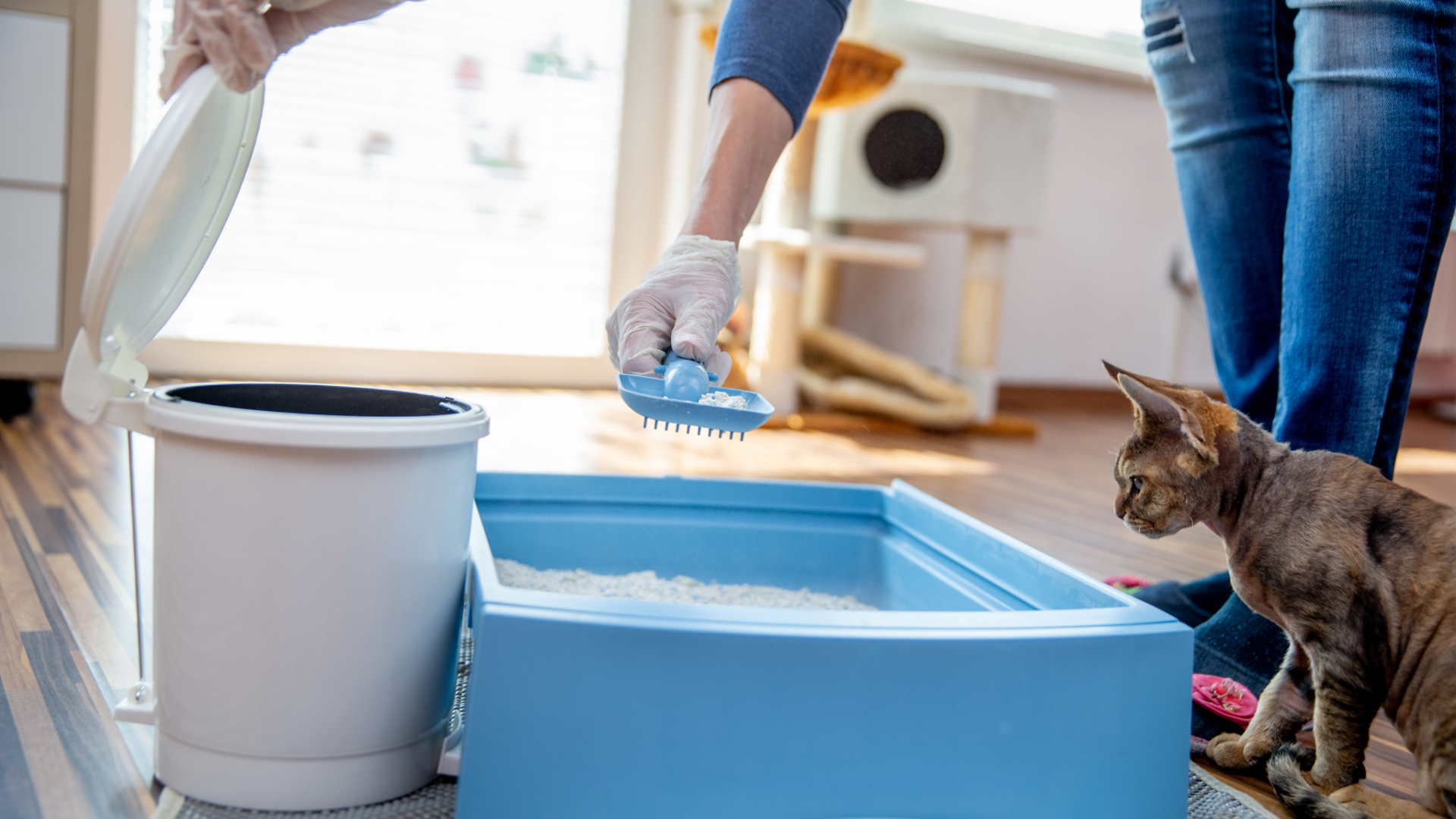
If you have just one cat, a single litter box usually suffices. You should scoop waste daily to keep the box clean and completely change the litter about once a week. However, if your cat is particularly picky or has health issues, you might need to clean the box more often.
I once had a cat who refused to use a litter box that wasn’t spotless. Scooping daily wasn’t enough, so I found myself changing the entire litter every five days. It was extra work but made a huge difference in keeping my cat happy and my home odor-free.
Multiple Cats Considerations
With multiple cats, the cleaning routine changes significantly. The general rule is one litter box per cat, plus one extra. This means if you have three cats, you should ideally have four litter boxes.
More boxes mean less competition and fewer accidents outside the box. You’ll also find yourself scooping more often, sometimes twice a day, especially if your cats have different preferences or health needs.
Ask yourself: Are your cats sharing boxes peacefully, or do you notice one box always dirtier than the others? This could be a sign you need more boxes or more frequent cleaning. Keeping multiple boxes clean and accessible can prevent stress and unwanted behaviors.
Credit: www.petsradar.com
Signs To Change Litter More Often
Knowing when to change your cat’s litter box more often can save you from unpleasant surprises and keep your furry friend happy. Sometimes the usual schedule isn’t enough, and your cat’s comfort or the cleanliness of your home can be affected. Watch for these clear signs that tell you it’s time to scoop or replace the litter more frequently.
Odor Problems
Strong, lingering smells are the first red flag. If you notice a bad odor even after scooping daily, it means the litter is saturated and losing its effectiveness. Don’t ignore this—persistent smell can make your home uncomfortable and might even discourage your cat from using the box.
Think about the last time you walked past the litter box and got hit by a foul smell. That’s your cue to refresh the entire litter, not just scoop. Changing the litter more often keeps the environment fresh and inviting for your cat.
Cat Behavior Changes
Has your cat suddenly stopped using the litter box or started going outside it? This could be a sign the box isn’t clean enough. Cats are very particular about hygiene, and if their litter box smells or feels unpleasant, they’ll look for other spots.
I once had a cat who refused to use the box until I cleaned it thoroughly and switched out the litter more frequently. Paying attention to your cat’s habits helps you spot when the litter needs changing sooner than usual.
Litter Clumping Issues
If you notice the clumps aren’t forming well or breaking apart easily, the litter might be too old or mixed with too much moisture. Poor clumping means odors and messes spread more quickly, making the box less hygienic.
Try changing the litter completely if clumps are weak or the texture feels off. Better clumping litter helps you clean efficiently and keeps the box tidy for longer periods.
Cleaning Supplies And Techniques
Keeping your cat’s litter box clean is essential for both your pet’s health and your home’s freshness. Using the right cleaning supplies and techniques makes the task less daunting and more effective. Let’s dive into what products you should choose and how to clean thoroughly without harming your cat or yourself.
Safe Cleaners To Use
Opt for mild, unscented cleaners when cleaning the litter box. Simple solutions like diluted white vinegar or baking soda work well and don’t leave harmful residues.
Many pet owners find that plain dish soap mixed with warm water is enough to scrub away stubborn stains. These options are gentle on your cat’s sensitive nose and skin, reducing stress during cleaning time.
Avoiding Harmful Chemicals
Never use ammonia, bleach, or strong disinfectants on your cat’s litter box. These chemicals can irritate your cat’s respiratory system and discourage them from using the box.
Think about this: if a smell is too strong for you, it’s likely overpowering for your cat. Avoid products with added fragrances or dyes to keep your cat comfortable and safe.
Step-by-step Cleaning Process
- Start by emptying all the litter into a trash bag and sealing it tightly.
- Rinse the box with warm water to remove loose debris.
- Apply your chosen safe cleaner and scrub all surfaces thoroughly using a brush or sponge.
- Rinse again with warm water to wash away any cleaning residue.
- Dry the litter box completely with a towel or let it air dry before adding fresh litter.
Do you find it easier to clean the box when you break it into small steps? This approach can make the task quicker and less overwhelming.
Maintaining Litter Box Hygiene
Maintaining litter box hygiene is essential for a healthy and happy cat. A clean litter box prevents odors and keeps your home fresh. It also reduces the risk of infections and encourages your cat to use the box consistently. Proper care means cleaning and changing the litter regularly and paying attention to the box’s environment.
Liner And Mat Usage
Using a liner helps keep the litter box cleaner. It makes cleaning easier by catching waste and preventing litter from sticking to the box. A mat placed outside the box catches litter tracked by your cat’s paws. Choose mats with grooves or spikes to trap more litter. Clean the mat often to avoid buildup of dust and particles.
Proper Placement
Place the litter box in a quiet, low-traffic area. Cats prefer privacy and calm when using their box. Avoid placing it near food or water bowls. Ensure good ventilation to reduce odors. A well-placed litter box encourages regular use and helps control smells in your home.
Regular Inspection Tips
- Check the box daily for clumps and waste.
- Remove soiled litter promptly to keep the box fresh.
- Look for signs of wear or damage in the box and liner.
- Notice your cat’s behavior; reluctance may indicate box issues.
- Schedule a full litter change and box wash at least once a week.
Frequently Asked Questions
How Often Should You Clean A Cat’s Litter Box?
You should scoop the litter box daily to keep it clean. Completely change the litter and wash the box once a week to prevent odors and bacteria buildup.
What Happens If You Don’t Change Litter Regularly?
Not changing litter regularly causes bad smells and bacteria growth. It can stress your cat and lead to health issues like urinary infections.
Can Multiple Cats Share One Litter Box?
Multiple cats can share one box if it’s large and cleaned often. Ideally, provide one litter box per cat plus one extra to reduce conflicts.
How Does Litter Type Affect Cleaning Frequency?
Clumping litter allows easier daily scooping, reducing full litter changes. Non-clumping litter needs more frequent complete changes to stay fresh and odor-free.
Conclusion
Changing your cat’s litter box regularly keeps your home fresh and clean. A good rule is to scoop daily and fully change the litter every one to two weeks. This habit helps prevent odors and keeps your cat happy and healthy.
Watch your cat’s behavior for signs it needs a cleaner box. Clean litter boxes make life better for both you and your pet. Keep it simple, stay consistent, and enjoy a pleasant home environment.

Leave a Reply