
Is your cat suddenly ignoring the litter box? It can be frustrating and confusing when your furry friend starts making messes outside their usual spot.
But don’t worry—you can retrain your cat to use the litter box again. With the right approach, patience, and a few simple steps, you’ll have your home clean and your cat happy in no time. Keep reading to discover how you can solve this common problem and bring harmony back between you and your pet.
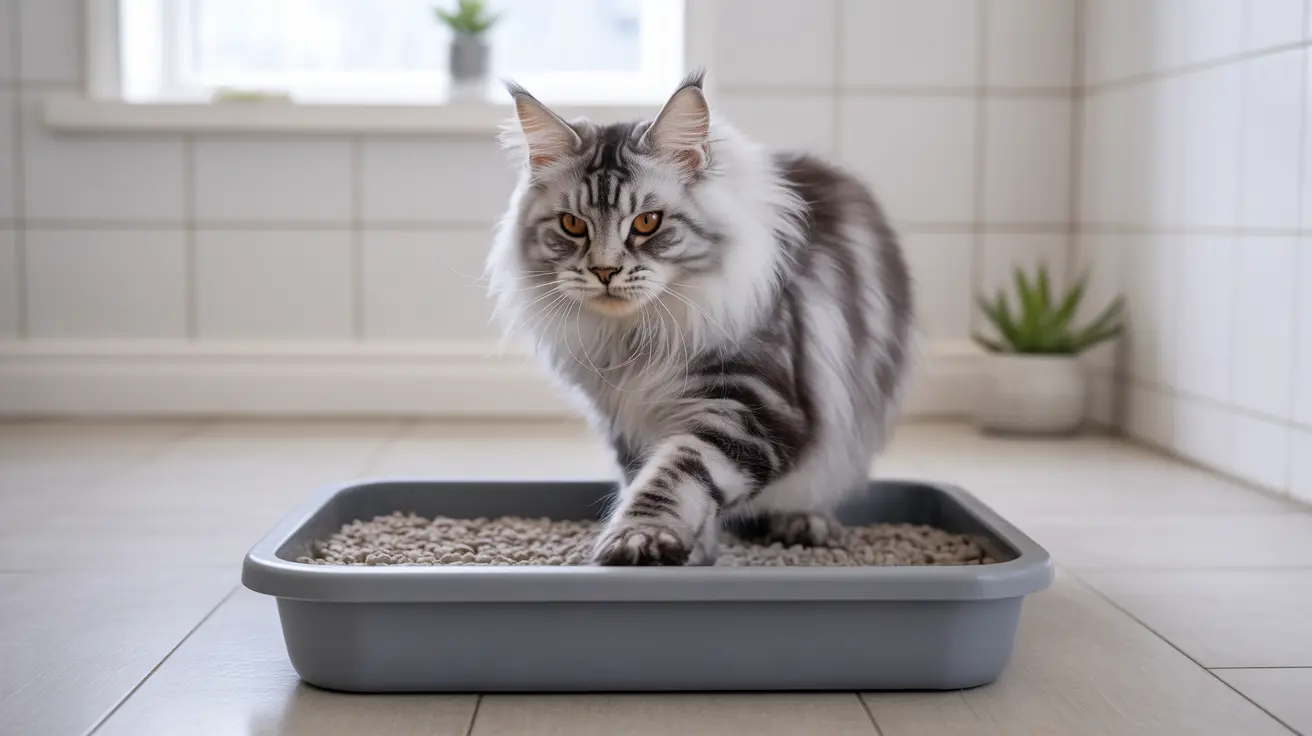
Credit: www.petscare.com
Reasons Cats Stop Using Litter Box
Cats may stop using their litter box for many reasons. Understanding these causes helps solve the problem quickly. Cats communicate through their behavior. When they avoid the litter box, something is wrong. It might be health, environment, or even stress. Identifying the reason guides the retraining process.
Health Issues
Health problems often cause litter box avoidance. Urinary tract infections make urination painful. Arthritis can make it hard to enter or exit the box. Digestive issues may change bathroom habits. A visit to the vet rules out medical causes. Treating health issues often restores litter box use.
Litter Box Problems
Dirty or small litter boxes turn cats away. Cats like clean and spacious boxes. The wrong type of litter can bother them. Some cats dislike strong smells or textures. Not having enough litter boxes also causes issues. A good litter box setup encourages regular use.
Environmental Changes
Changes at home affect a cat’s comfort. Moving furniture or new pets cause stress. Loud noises or new people can scare cats. Cats avoid places that feel unsafe. Keeping the litter box in a quiet, stable spot helps. Gradual changes reduce stress and improve habits.
Behavioral Factors
Some cats develop bad habits over time. Punishing a cat can increase avoidance. Lack of proper litter training leads to confusion. Boredom or anxiety may trigger accidents. Positive reinforcement encourages good litter box behavior. Patience and consistency are key to change.
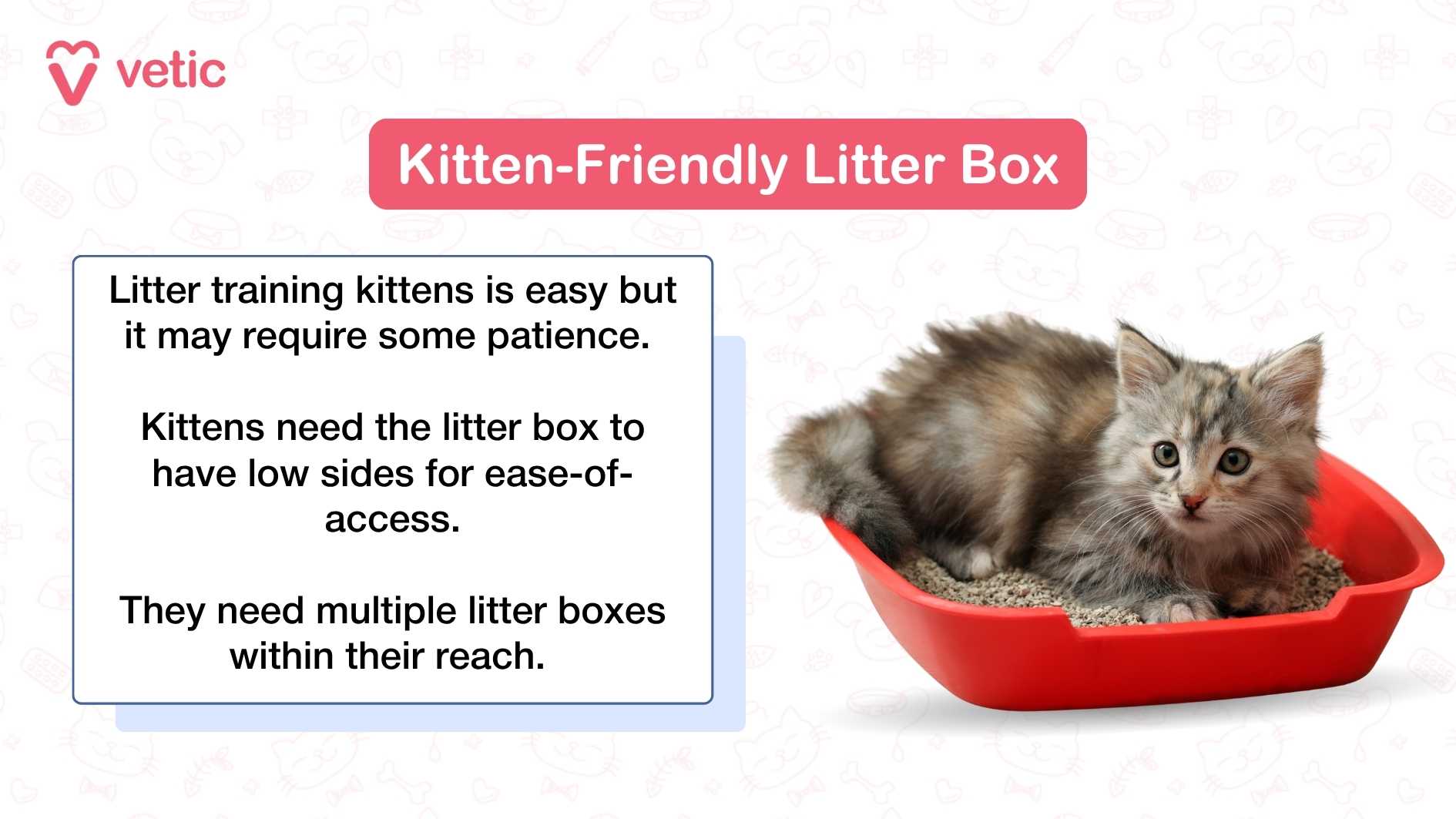
Credit: vetic.in
Choosing The Right Litter Box
Choosing a litter box that suits your cat’s size and preferences helps encourage proper use. A clean, quiet spot and easy access make retraining smoother and more effective.
Choosing the right litter box for your cat is crucial in retraining them to use it effectively. An ill-suited box can lead to unwanted accidents and stress, both for you and your feline friend. By focusing on size, type, location, and quantity, you can create an inviting and comfortable space for your cat.Size And Type
A spacious litter box gives your cat room to move around comfortably. Opt for a box that’s at least 1.5 times the length of your cat. If you have a larger breed, consider extra-large boxes. Covered boxes might appeal to you for aesthetic reasons, but not all cats enjoy them. Some cats feel trapped, while others appreciate the privacy. Observe your cat’s behavior to see which type they prefer.Location Matters
Where you place the litter box can significantly impact your cat’s willingness to use it. Choose a quiet, low-traffic area where your cat can have some privacy. Avoid placing the box near noisy appliances or in busy hallways. A calm environment encourages your cat to use the box without feeling threatened.Number Of Boxes
Do you have multiple cats? The general rule is to have one litter box per cat, plus an extra one. This ensures that each cat has its own space and reduces competition. Even if you have a single cat, consider providing more than one box in different locations. This gives your cat options and can prevent accidents if one box becomes too dirty. Retraining your cat to use the litter box requires patience and observation. By carefully selecting the right litter box setup, you’re setting the stage for success. What changes can you make today to improve your cat’s litter box experience?Selecting The Best Litter
Choosing the right litter is one of the most important steps when retraining your cat to use the litter box. The texture, scent, and type of litter can make a big difference in whether your cat feels comfortable and willing to use the box again. You want to pick a litter that meets your cat’s preferences and your household needs.
Texture And Material
Cats are very sensitive to the feel of litter under their paws. Some prefer fine, sand-like textures, while others like coarser granules. You might need to try a few types such as clay, silica gel, or natural materials like corn or wood chips to see what your cat likes best.
Observe how your cat reacts when stepping into the box. If they avoid it or scratch less, the texture might be the issue. Remember, a comfortable litter encourages consistent use.
Scented Vs Unscented
Cats have a powerful sense of smell, so the scent of the litter can either attract or repel them. Many cats dislike strong fragrances and might avoid scented litter entirely.
Unscented litter is usually a safer choice, especially if your cat has shown hesitation. If odor control is a concern for you, consider natural odor absorbers like baking soda instead of artificial scents.
Clumping Vs Non-clumping
Clumping litter forms solid clumps when wet, making it easier to scoop and keep the box clean. This can be a plus for both you and your cat, as a clean box is more inviting.
Non-clumping litter absorbs moisture but doesn’t form clumps, which some cats might prefer due to the different texture. Think about your cleaning routine and your cat’s habits before deciding.
Cleaning And Maintenance Tips
Keeping the litter box clean is key to retraining your cat successfully. Cats prefer a tidy place to do their business. Regular cleaning helps prevent bad smells and keeps your cat comfortable. It also encourages your cat to use the litter box without hesitation.
Daily Cleaning Routine
Scoop out waste from the litter box every day. Remove clumps and solid waste to keep the box fresh. Stir the litter to spread it evenly and reduce odors. Dispose of the waste in a sealed bag. This simple routine makes the box inviting for your cat.
Deep Cleaning Frequency
Deep clean the litter box once a week. Empty all the litter and wash the box with warm water. Avoid harsh chemicals that can leave strong smells. Dry the box completely before adding fresh litter. Deep cleaning removes bacteria and keeps the box safe.
Using Safe Cleaning Products
Choose cleaning products that are safe for cats. Use mild soap or a vinegar-water mix to clean the box. Avoid bleach or strong chemicals that can irritate your cat’s nose. Always rinse the box well to remove any residue. Safe cleaning products protect your cat’s health and comfort.
Training Steps For Success
Retraining your cat to use the litter box takes patience and a clear plan. The key is to build positive habits while gently correcting mistakes. Let’s look at some practical steps that help your cat succeed and make your home cleaner.
Reintroducing The Litter Box
Start by placing the litter box in a quiet, easily accessible spot. If your cat has been avoiding it, try using a different type of litter or box to spark interest. Keep the box clean by scooping daily—cats dislike dirty litter.
Try confining your cat to a small room with the litter box for a few days. This focused area helps your cat remember where to go. Have you noticed your cat prefers a covered or uncovered box? Observing this can improve success.
Positive Reinforcement
Reward your cat immediately after it uses the litter box. Use treats, gentle petting, or soothing words to show approval. This encourages your cat to repeat the behavior.
Consistency matters. Praise your cat every time it goes in the right place, even if it’s just a small success. Avoid punishment, as it can create fear and confusion.
Handling Accidents Properly
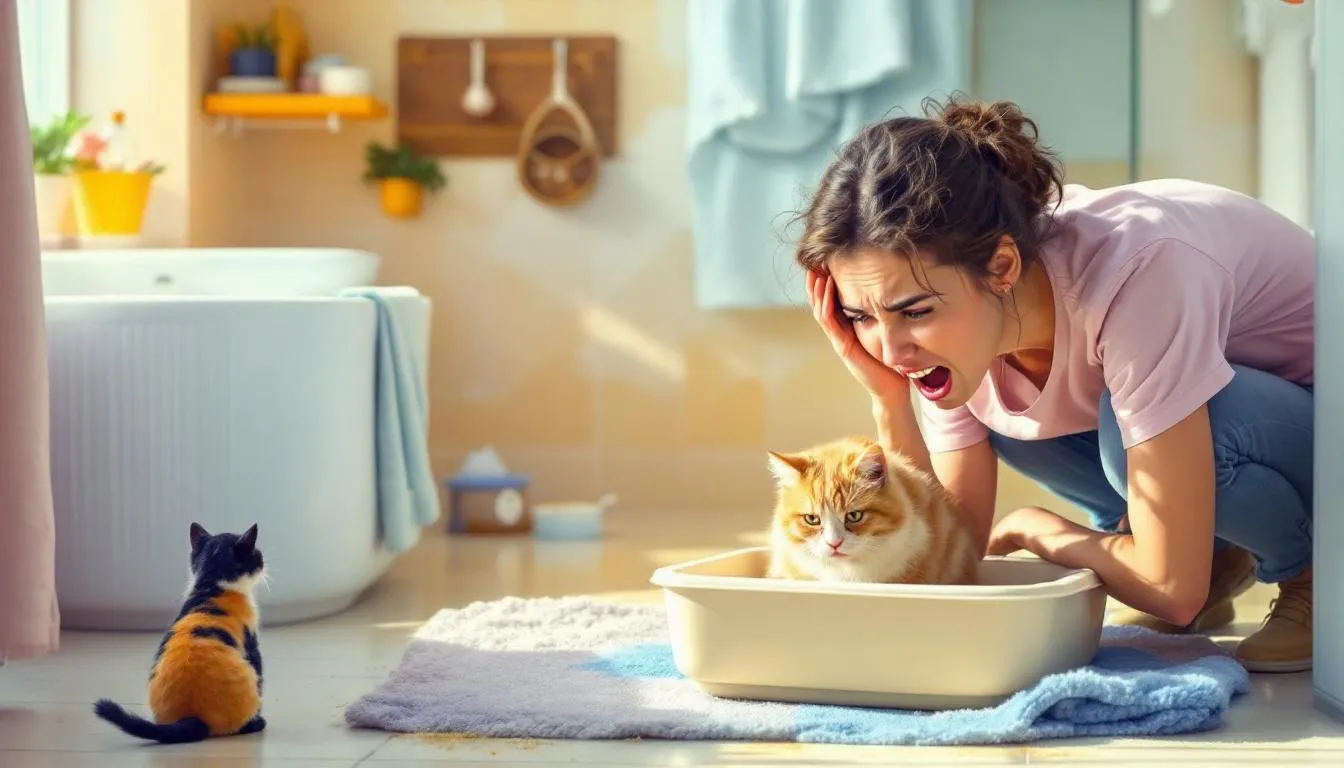
Accidents happen, but how you respond makes all the difference. Clean the area thoroughly with an enzyme cleaner to remove odors that might attract your cat back to the same spot.
Never rub your cat’s nose in the mess or scold harshly. Instead, calmly redirect your cat to the litter box after an accident. Ask yourself, is there a reason your cat might be avoiding the box, such as stress or illness?
Dealing With Common Challenges
Retraining a cat to use the litter box can come with unexpected hurdles. These challenges might test your patience, but understanding how to handle them makes the process smoother for both you and your cat. Let’s look at some common issues and how to tackle them effectively.
Avoiding Punishment
It’s tempting to scold your cat when accidents happen, but punishment often backfires. Cats don’t connect punishment with the litter box mistake; they may become fearful or anxious instead.
Instead, focus on positive reinforcement. Praise and reward your cat immediately after they use the litter box correctly. This builds a positive link to the behavior you want to encourage.
Have you noticed how your cat responds better to gentle guidance rather than harsh words? That reaction is your clue to stay patient and kind.
Managing Multi-cat Households
Having more than one cat can complicate litter box training. Cats are territorial, and sharing a litter box might cause stress or avoidance.
Provide multiple litter boxes—ideally one per cat plus one extra. Place them in quiet, accessible locations to reduce competition.
Observe if one cat is bullying others or blocking access. You might need to separate cats during litter box time or use barriers to ensure everyone gets a fair chance.
When To Seek Professional Help
If your cat continues to avoid the litter box despite your efforts, it might be time to consult a vet or a cat behaviorist. Sometimes, medical issues like urinary infections cause litter box problems.
Behaviorists can offer tailored advice and strategies based on your cat’s specific situation. Don’t hesitate to ask for help—it could save you a lot of frustration.
Are you feeling stuck? Getting expert input could be the key to turning things around quickly.
Preventing Future Issues
Preventing future litter box issues is just as important as retraining your cat. Consistency and attention to your cat’s health and environment can keep unwanted behaviors at bay. Let’s look at some practical steps you can take to ensure your cat stays happy and uses the litter box correctly.
Regular Vet Checkups
Health problems often cause litter box avoidance. Urinary tract infections, kidney issues, or arthritis can make using the box painful for your cat. Regular vet visits help catch these problems early before they affect your cat’s bathroom habits.
If your cat suddenly stops using the litter box, don’t ignore it. Could there be an underlying health issue? A quick checkup can save you stress and prevent long-term problems.
Maintaining A Stress-free Environment
Cats are sensitive creatures that react to stress in surprising ways. Changes like new pets, loud noises, or moving furniture can make your cat avoid the litter box. Creating a calm space where your cat feels safe encourages proper litter box use.
Think about your cat’s daily routine. Does anything seem to upset them? Small changes, such as providing hiding spots or consistent playtime, can reduce anxiety and improve behavior.
Consistent Litter Box Habits
Consistency is key to keeping your cat using the litter box. Clean the box daily and scoop waste regularly to keep the area inviting. A dirty box is a common reason cats look elsewhere.
Place the litter box in a quiet, easily accessible spot. Avoid moving it frequently, as this confuses your cat. Also, stick to the same type of litter your cat prefers—sudden changes can cause refusal.

Credit: petite-store.com
Frequently Asked Questions
How Long Does It Take To Retrain A Cat To Use Litter Box?
Retraining a cat usually takes 1 to 3 weeks with consistent effort. Patience and positive reinforcement speed up the process. Regularly cleaning the litter box and placing it in a quiet, accessible area also help your cat adjust quickly and comfortably.
What Are Common Reasons Cats Avoid The Litter Box?
Cats may avoid the litter box due to cleanliness issues, stress, or medical problems. Changes in environment or litter type can also cause avoidance. Identifying and addressing these factors ensures successful retraining and maintains your cat’s litter box habits.
How Can I Encourage My Cat To Use The Litter Box?
Use positive reinforcement like treats and praise when your cat uses the litter box. Keep the box clean and odor-free. Place it in a quiet, low-traffic area. Gradually introduce your cat to the box to build comfort and familiarity.
What Type Of Litter Is Best For Retraining Cats?
Unscented, clumping litter is generally best for retraining cats. It mimics natural texture and is easy to clean. Avoid strong fragrances or dusty litters, as they may deter your cat. Experiment with options to find your cat’s preference.
Conclusion
Retraining a cat to use the litter box takes time and patience. Stay calm and consistent with your approach. Watch your cat’s behavior to understand its needs. Choose a clean, quiet spot for the litter box. Reward your cat with praise or small treats.
Avoid punishment, as it can cause fear or stress. Remember, every cat learns at its own pace. Keep trying, and soon your cat will use the litter box again. A happy cat means a happy home.

Leave a Reply