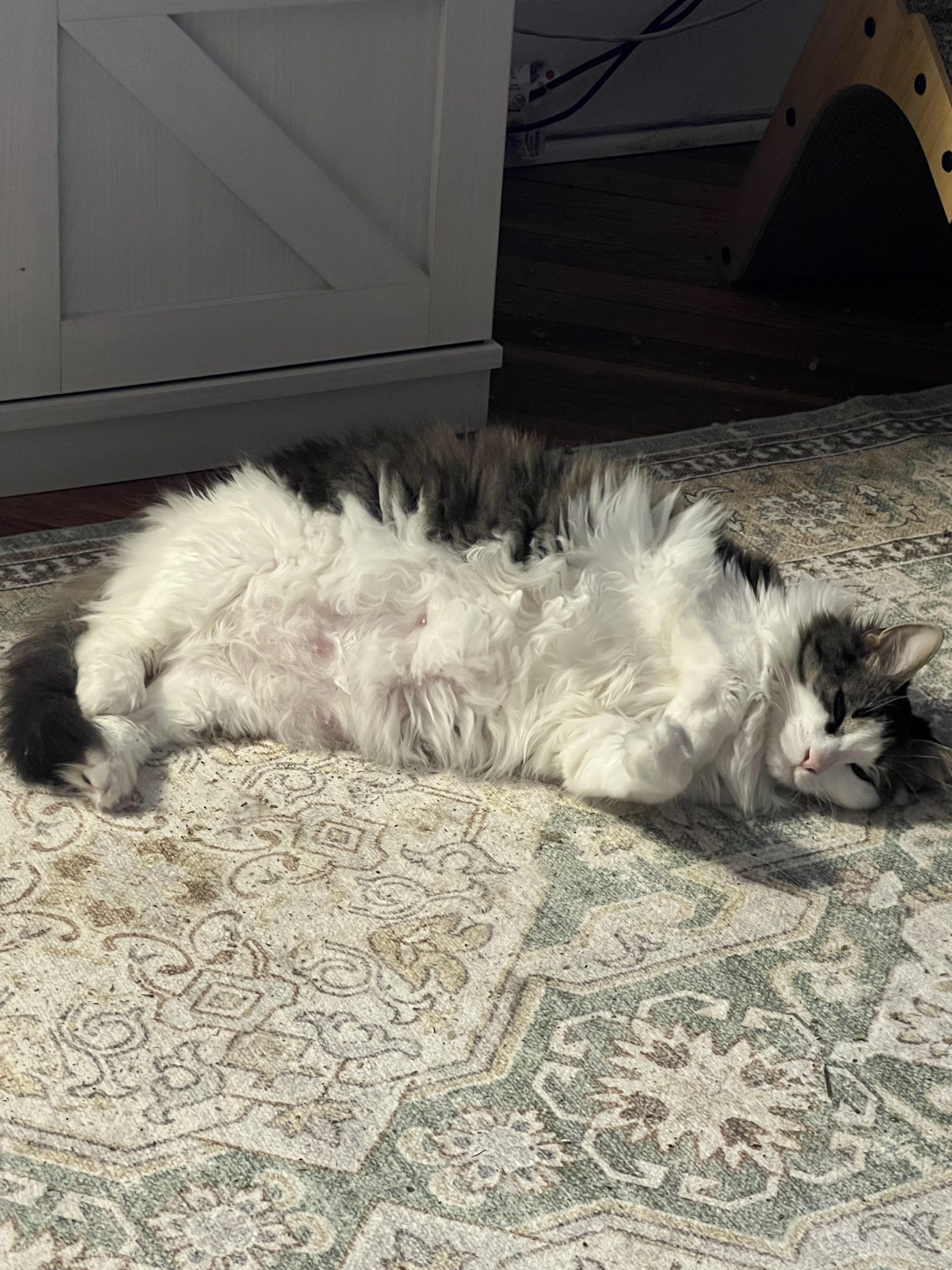
Have you noticed your cat licking or scratching more than usual? Over grooming can be a sign that your furry friend is stressed, uncomfortable, or even in pain.
If you’re wondering, “How to tell if my cat is over grooming,” you’re not alone. Understanding the signs can help you protect your cat’s health and happiness before the problem gets worse. Keep reading to discover the clear clues your cat might be sending and what you can do to help right away.
Signs Of Over Grooming
Over grooming in cats can cause serious skin and health problems. It is important to spot the signs early. These signs help you understand if your cat needs help.
Bald Patches And Hair Loss
One clear sign of over grooming is bald patches. Hair falls out in spots where your cat licks too much. These areas look thinner or completely bare. Hair loss can happen on the belly, legs, or tail.
Red Or Irritated Skin
Over grooming often makes the skin red and sore. The skin may look inflamed or swollen. Sometimes, it can be dry and flaky. Watch for scabs or wounds from constant licking or biting.
Excessive Licking Or Chewing
Your cat may lick or chew one spot for a long time. This can happen more than usual or at odd times. It might seem like your cat cannot stop. This behavior causes damage to skin and fur.
Behavioral Changes
Over grooming can change how your cat acts. Your cat may seem anxious or restless. It might hide or avoid playing. Sometimes, your cat appears stressed or unhappy.

Credit: www.reddit.com
Common Causes Of Over Grooming
Understanding why your cat is over grooming is key to helping them feel better. Over grooming often signals an underlying issue that your cat is trying to manage. Identifying the common causes can guide you toward the right solution and prevent further discomfort for your furry friend.
Stress And Anxiety
Cats often groom themselves more when they feel stressed or anxious. Changes like moving to a new home, new pets, or loud noises can trigger this behavior. Have you noticed your cat licking excessively after a stressful event? Providing a calm, safe environment can reduce their need to over groom.
Allergies And Skin Conditions
Allergies to food, pollen, or household products can cause itching and irritation. This discomfort can lead your cat to groom more than usual to soothe the itch. You might spot redness, bumps, or flaky skin where they lick the most. Checking your cat’s diet and environment for allergens can help you pinpoint the cause.
Parasites And Infections
Fleas, mites, or other parasites are common reasons for over grooming. Even a small flea infestation can make your cat uncomfortable enough to groom obsessively. Skin infections can also cause itching and pain, prompting your cat to lick or bite the affected area. Regular vet check-ups and parasite prevention are crucial to keep these problems at bay.
Pain Or Discomfort
Sometimes, over grooming is a reaction to pain or discomfort in a specific area. Arthritis, injuries, or internal issues may cause your cat to focus grooming on one spot. Have you noticed your cat licking a particular area repeatedly? Observing this can help you catch health issues early and seek veterinary care promptly.
How To Monitor Your Cat’s Grooming Habits
Monitoring your cat’s grooming habits helps you notice changes early. Over grooming can cause skin problems and discomfort. Careful observation lets you act before issues worsen. Watch your cat’s grooming routine every day.
Daily Observation Tips
Spend a few minutes watching your cat’s grooming. Check if your cat licks or bites the same spot often. Look for bald patches, redness, or scabs on the skin. Notice if your cat grooms more than usual after stress or loud noises. Observe the time spent grooming; long sessions may signal a problem.
Recording Grooming Frequency
Write down how often your cat grooms each day. Use a simple chart or notebook for tracking. Note the start and end time of grooming sessions. Track any sudden increases in grooming frequency. Compare daily notes to spot patterns or changes.
Noting Environmental Triggers
Observe your cat’s surroundings during grooming times. Check if new pets, visitors, or noises trigger more grooming. Note changes in furniture or room layout that may cause stress. Record weather changes or seasonal effects on grooming habits. Identifying triggers helps reduce over grooming causes.
When To Consult A Veterinarian
Knowing when to consult a veterinarian is crucial if your cat is over grooming. Over grooming can signal health problems that need professional care. Early vet visits help prevent severe complications and ease your cat’s discomfort.
Some grooming behaviors look normal but hide serious issues. A vet can diagnose the cause and suggest the right treatment. Watch your cat closely and act quickly when signs worsen.
Identifying Serious Symptoms
- Large bald patches or raw skin spots
- Swelling or redness in grooming areas
- Signs of pain when touched
- Continuous licking or biting that disrupts sleep
- Sudden changes in appetite or behavior
These symptoms suggest underlying health problems needing immediate attention.
Preparing For The Vet Visit
- Note when over grooming started and how often it occurs
- List any recent changes in food or environment
- Observe other symptoms like vomiting or lethargy
- Bring a sample of your cat’s fur or skin if possible
- Prepare questions about treatments and care options
Good preparation helps the vet make a faster and accurate diagnosis.
Possible Diagnostic Tests
- Skin scrapings to check for mites or infections
- Allergy testing for food or environmental triggers
- Blood tests to detect hormonal imbalances or illness
- Fungal cultures to identify ringworm or yeast
- Biopsy if skin lesions look unusual or do not heal
These tests guide effective treatment plans for your cat’s health.
Treatment Options For Over Grooming
Is your cat spending more time grooming than playing with their favorite toy? Over grooming in cats can be a concern, but the good news is there are several treatment options available. Understanding these options can help you restore your pet’s comfort and happiness. Let’s dive into some effective treatments for over grooming.
Behavioral Interventions
Sometimes, over grooming is a response to stress or anxiety. You can start by identifying any changes in your household that might be affecting your cat. Have you recently moved, introduced a new pet, or changed your daily routine?
Consider providing a safe and quiet space for your cat to retreat to. You might also try pheromone diffusers, which can create a calming environment for your pet.
Engage your cat in interactive play to distract them from grooming. Using toys like laser pointers or feather wands can be a fun way to redirect their attention.
Medications And Topical Treatments
In some cases, consulting your veterinarian might be necessary. They can prescribe medications to address underlying issues such as allergies or infections.
Topical treatments can also help soothe irritated skin. These treatments are often easy to apply and can provide immediate relief.
Always follow your vet’s guidance on the appropriate use of these treatments to ensure your cat’s safety.
Environmental Enrichment
Creating a stimulating environment can reduce stress and over grooming. Introduce new toys or climbing structures to keep your cat engaged.
Scratching posts and puzzle feeders can provide both mental and physical stimulation. This can help shift your cat’s focus from grooming to playing.
Regular interaction and playtime with your cat can also strengthen your bond and alleviate their anxiety.
Dietary Changes
Diet plays a crucial role in your cat’s overall health, including their skin and coat condition. Consider introducing a diet rich in omega-3 fatty acids to promote skin health.
If allergies are suspected, your vet might suggest a hypoallergenic diet. This could help reduce itchiness and the urge to over groom.
Always consult with your vet before making any significant changes to your cat’s diet to ensure it meets their nutritional needs.
Have you tried any of these strategies, or do you have a unique approach that worked for your cat? Share your experiences and help other cat owners dealing with the same issue.

Credit: www.reddit.com
Preventing Over Grooming
Preventing over grooming in your cat is essential to keep their skin healthy and their fur looking great. Over grooming often signals that something is off, whether it’s stress, health issues, or improper grooming habits. You can take simple, effective steps to stop this behavior before it becomes a serious problem.
Stress Reduction Techniques
Stress is a major trigger for over grooming. You need to create a calm and safe environment for your cat. Try adding cozy hiding spots or quiet areas where your cat can relax without disturbance.
Interactive play can also help your cat release nervous energy. Use toys that mimic hunting, like feather wands or laser pointers. Have you noticed if your cat’s grooming spikes after loud noises or new visitors? Identifying these triggers helps you reduce stress.
Regular Health Checkups
Sometimes over grooming signals an underlying health problem. Regular vet visits help catch issues like skin infections, allergies, or parasites early. Don’t wait for visible signs; schedule checkups twice a year if possible.
Keep an eye on your cat’s skin for redness, bumps, or hair loss between visits. Share these observations with your vet to get targeted treatment. Have you ever missed a vet visit and noticed your cat’s grooming habits worsen?
Safe Grooming Practices
Groom your cat gently and regularly to reduce the urge for self-grooming. Use brushes suited for your cat’s fur type, and avoid pulling on tangles. A calm grooming session can become a bonding moment rather than a chore.
Avoid over-bathing, which dries out the skin and can cause itching. Instead, spot-clean dirty areas with a damp cloth. Do you know the right grooming tools for your cat’s breed? Using the wrong tools can make problems worse.

Credit: www.reddit.com
Frequently Asked Questions
What Are Common Signs Of Cat Over Grooming?
Common signs include bald patches, red or irritated skin, and excessive licking. Cats may also bite or scratch themselves frequently. These behaviors indicate stress, allergies, or skin issues needing attention.
Why Does My Cat Groom Excessively?
Cats groom excessively due to stress, anxiety, allergies, or parasites. Over grooming can also signal pain or skin infections. Identifying the cause helps provide proper treatment and relief.
How Can I Stop My Cat’s Over Grooming?
Address underlying causes like stress or allergies first. Provide environmental enrichment, use calming products, and consult a vet. Proper diagnosis and treatment reduce excessive grooming effectively.
When Should I See A Vet For Over Grooming?
See a vet if bald spots, wounds, or skin inflammation appear. Persistent over grooming affecting your cat’s health requires professional diagnosis and treatment. Early intervention prevents complications.
Conclusion
Cats over grooming can signal stress or health issues. Watch for bald spots, redness, or sores on your cat’s skin. Early action helps your cat feel better faster. Consult a vet for proper advice and treatment. Keeping your cat calm and happy reduces over grooming risks.
Pay attention to behavior changes and provide a loving environment. Small steps make a big difference in your cat’s health. Stay patient and observe your cat carefully every day.




Leave a Reply