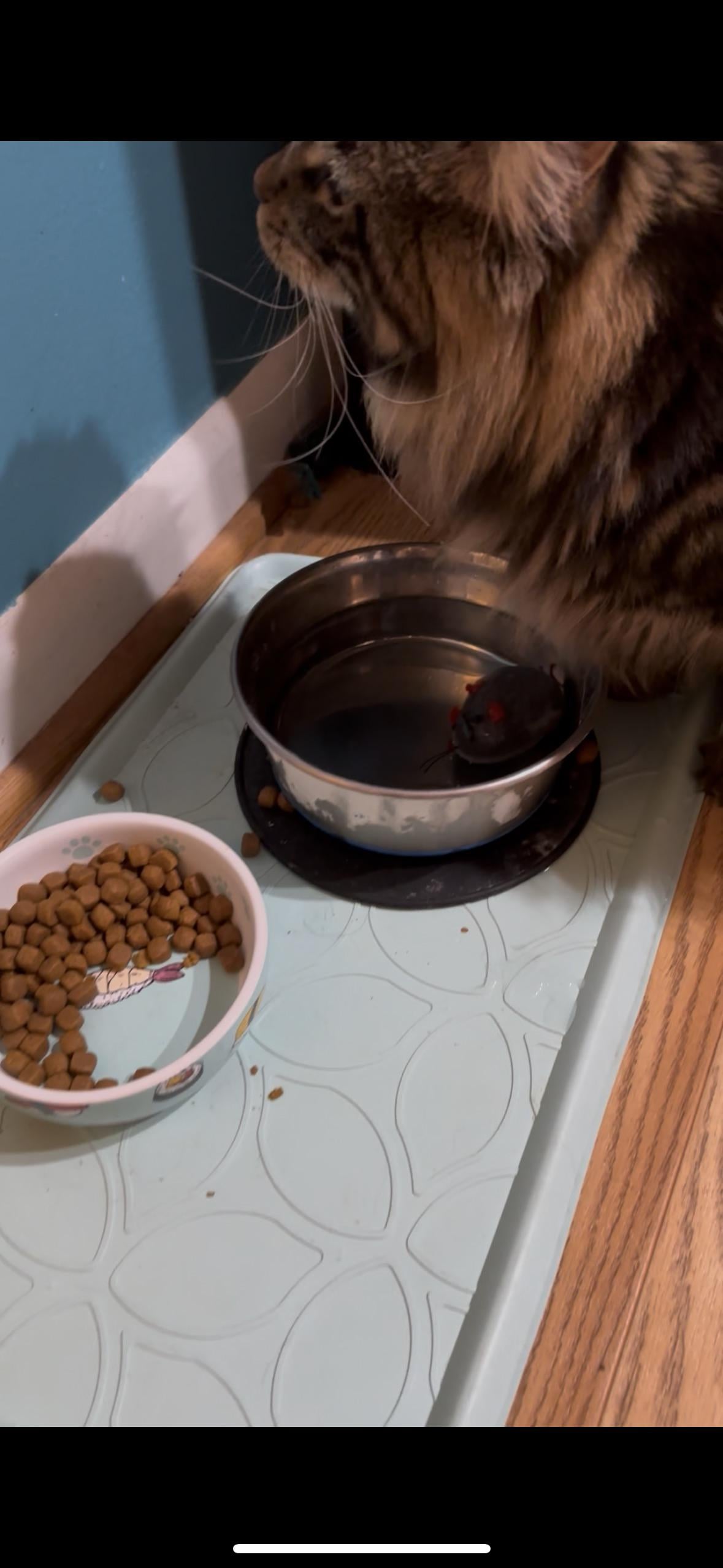
Have you ever watched your cat carefully carrying a toy and then gently “feeding” it like it’s real? It’s a strange sight that might leave you wondering, “Why does my cat feed its toys?” This curious behavior can seem confusing, but it actually reveals a lot about your furry friend’s instincts and emotions.
Understanding why your cat does this will help you connect with them on a deeper level and make their playtime even more meaningful. Keep reading to discover the surprising reasons behind this adorable habit and what it means for your cat’s happiness.

Credit: justcatsclinic.com
Cat Play Behavior
Cats show unique play behavior that often puzzles their owners. One common action is feeding their toys. This behavior is not random. It connects deeply with their nature and instincts. Understanding cat play helps explain why cats treat toys like real prey.
Instinctual Hunting Habits
Cats are natural hunters. Their play often reflects hunting activities. Stalking, pouncing, and biting toys mimic hunting prey. Feeding toys satisfies their hunting drive. This instinct is strong even in indoor cats. It keeps their skills sharp and minds active.
Role Of Play In Development
Play helps cats develop physical and mental skills. Young cats learn coordination and strength through play. It also teaches problem-solving and patience. Feeding toys simulates catching and eating prey. This practice improves their survival skills, even if they live indoors.
Mimicking Real Prey
Cats treat toys like real animals. They may carry, bite, and even “feed” their toys. This mimicry shows their deep connection to hunting habits. Feeding toys can be a way to share food or care for “offspring.” It reflects natural behaviors seen in wild cats.
Feeding Toys As A Natural Instinct
Have you ever caught your cat gently carrying a toy mouse around and then nibbling or licking it as if it were real prey? This behavior might seem odd, but it actually taps into your cat’s natural instincts. Feeding toys is more than just play—it’s a way for your cat to express deeply rooted behaviors that trace back to their wild ancestors.
Simulating Food Capture
Your cat’s act of feeding toys mimics the entire hunting process, from stalking to catching and finally “eating” the prey. Even indoor cats retain this instinct, practicing what would be a vital survival skill in the wild. Watching my own cat repeatedly pounce and then gently chew a plush mouse made me realize how real this act feels to them.
This simulation helps your cat satisfy the urge to hunt, which is hardwired into their brains. If your cat doesn’t get enough interactive play that involves hunting motions, they might turn to their toys as a substitute “meal.”
Practice For Hunting Skills
Feeding toys isn’t just pretend—it’s a form of practice. Cats refine their hunting skills by biting, shaking, and “killing” their toys. This repetition sharpens their coordination and timing, essential for catching real prey.
Think about it: even if your cat lives indoors and never needs to hunt, these behaviors give them a way to express their natural talents. You can support this by offering toys that mimic prey movements, like feathers or motorized mice, to keep their skills sharp.
Territory Marking And Ownership
When your cat “feeds” its toys, it’s also a way to mark ownership. Cats use scent glands in their mouths, paws, and cheeks to claim objects as theirs. By biting and licking a toy, your cat leaves a personal scent, signaling possession.
This behavior can be especially common if multiple cats live in the same household. Feeding a toy may reassure your cat that their “prey” is safe and belongs to them. Have you noticed your cat bringing toys to a favorite spot? That’s them combining feeding and territory marking.
Emotional And Social Reasons
Your cat feeding its toys might seem odd, but there are emotional and social reasons behind this behavior. Cats often treat their toys as part of their social world, reflecting feelings and needs you might not immediately notice. Understanding these reasons can help you connect better with your feline friend.
Expressing Affection
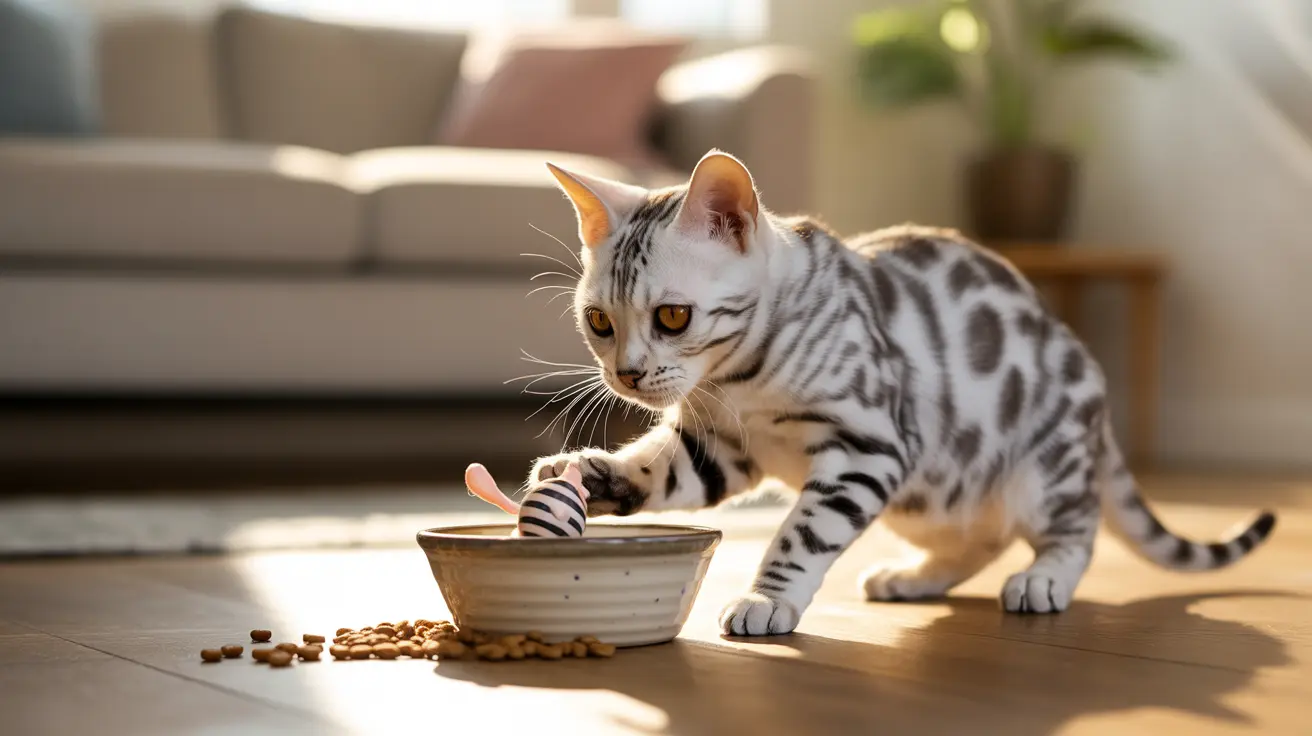
When your cat “feeds” its toys, it’s often showing love and care. Cats sometimes treat toys like kittens, gently biting or carrying them around, mimicking how a mother cat would handle her young. This behavior means your cat feels safe and affectionate, and it’s their way of sharing comfort.
Have you noticed your cat grooming or cuddling with a particular toy? That’s a sign they’ve formed an emotional bond with it, similar to how they bond with other cats or even you.
Seeking Attention
Your cat might feed its toys as a way to get your attention. If you’re busy or not engaging with them enough, this behavior can be a subtle call for interaction. Cats are smart and learn what grabs your focus, so feeding toys could be their creative way of saying, “Look at me!”
Try responding with playtime or gentle petting when you see this behavior. It can strengthen your bond and reduce any feelings of loneliness your cat might have.
Reducing Stress And Anxiety
Feeding toys can also help your cat manage stress. When they feel anxious, repetitive and nurturing actions provide comfort and calm. It’s similar to how some people bite their nails or doodle when nervous.
If your cat often feeds toys during loud noises or changes in the home, consider creating a peaceful space for them. Offering interactive toys or extra attention can also ease their anxiety and improve their mood.
Credit: www.petscare.com
Types Of Toys Cats Prefer
Understanding the types of toys your cat prefers can help explain why it might treat these objects like real prey, even going so far as to “feed” them. Cats have unique play styles and sensory preferences, which shape the kind of toys they gravitate toward. Knowing what sparks your cat’s interest can improve their playtime and satisfy their natural instincts.
Soft Plush Toys
Many cats love soft plush toys because they mimic the texture of small animals. These toys are easy to carry around and cuddle with, making them perfect for cats that enjoy a comforting, tactile experience.
I’ve noticed my cat often carries a tiny plush mouse to her favorite resting spot, gently biting and pawing at it as if it were a real catch. Does your cat have a “favorite” plush toy that they treat differently from others?
Interactive Toys
Interactive toys engage your cat’s mind and body, encouraging active play and problem-solving. Examples include laser pointers, feather wands, and puzzle feeders that require your cat to work for a treat.
These toys are especially good for cats that get bored easily or need extra stimulation. Have you tried toys that move or make noise? They often trigger a cat’s hunting instincts more strongly than static toys.
Homemade Alternatives
Simple household items can become exciting toys with a little creativity. Crumpled paper balls, cardboard boxes, or even toilet paper rolls can entertain your cat without costing a dime.
Sometimes, these homemade toys become a cat’s favorite because they feel new and unpredictable. What everyday items around your home could you turn into a toy your cat might “feed” and play with?
Encouraging Healthy Play
Encouraging healthy play is essential for your cat’s well-being. Cats have natural instincts that need stimulation. Feeding toys can help satisfy these instincts. They offer mental and physical exercise, reducing stress. Let’s explore how to encourage healthy play with your cat.
Choosing Safe Toys
Ensure toys are non-toxic and sturdy. Small parts can be a choking hazard. Look for toys with different textures. Cats love to bat, chase, and pounce. Consider toys with bells or feathers. These attract your cat’s attention. Rotate toys weekly to keep things fresh.
Creating Playtime Routines
Set aside specific times for play each day. Regular routines keep your cat engaged. Play before meals to mimic hunting behavior. Use interactive toys like wands or lasers. Keep play sessions short and lively. This prevents your cat from losing interest. End playtime with a treat or meal.
Incorporating Feeding Toys Into Daily Activity
Feeding toys combine mealtime with play. They stimulate your cat’s hunting instincts. Use puzzle feeders or treat-dispensing balls. These make your cat work for food. It slows down eating and aids digestion. Introduce feeding toys gradually. Start with easy puzzles and increase difficulty. This keeps your cat challenged and entertained.

Credit: www.reddit.com
Frequently Asked Questions
Why Does My Cat Feed Its Toys?
Cats feed their toys as a natural hunting instinct. It mimics catching and sharing prey. This behavior shows affection and playfulness. It helps cats practice their skills safely indoors.
Is Feeding Toys Normal Cat Behavior?
Yes, feeding toys is normal. Cats use toys to simulate hunting and nurturing. It provides mental stimulation and relieves stress. This behavior reflects their natural instincts.
Can Toy-feeding Indicate A Cat’s Hunger?
Not usually. Feeding toys is more about play and instinct than hunger. Cats may do this even when well-fed. It’s a form of entertainment and practice.
How Should I Respond When My Cat Feeds Toys?
Encourage gentle play and praise your cat. Avoid scolding as it’s natural behavior. Provide safe toys for interactive playtime. This strengthens your bond and keeps your cat happy.
Conclusion
Cats feeding their toys is a natural and playful behavior. It shows they feel safe and enjoy their environment. This action mimics hunting and caring instincts. Watching your cat do this can be quite charming. Understanding why cats feed their toys helps you connect with them better.
It also signals their mental and emotional health. Keep offering safe toys for your cat’s happiness. Enjoy these small, quirky moments with your furry friend.




Leave a Reply