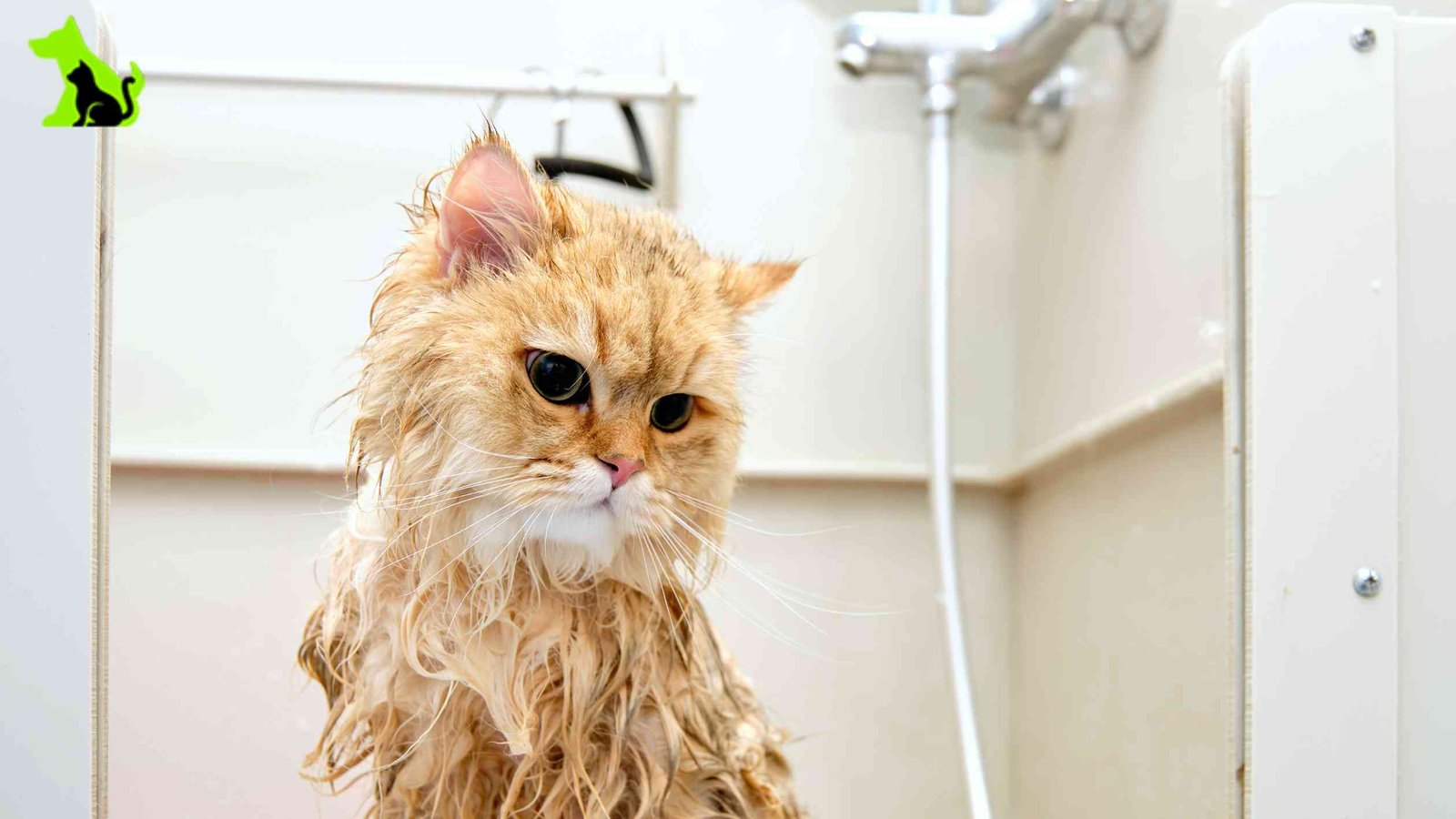
Grooming your cat can sometimes feel like a battle. You want your furry friend to look and feel their best, but their restless paws and anxious meows make the process stressful for both of you.
What if you could teach your cat to stay calm and even enjoy grooming time? You’ll discover simple, effective techniques to help your cat relax and cooperate. By the end, grooming will become a peaceful routine that strengthens your bond.
Ready to transform grooming from chaos to calm? Let’s dive in.
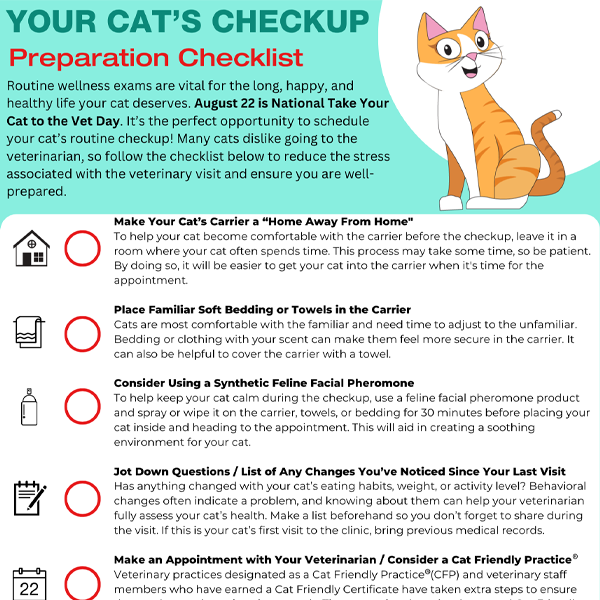
Credit: catfriendly.com
Recognize Cat’s Stress Signals
Understanding your cat’s stress signals is key to making grooming a calm experience for both of you. Cats don’t always shout when they feel uneasy—they often show subtle signs that you can catch if you know what to look for. Recognizing these signals early lets you adjust your approach before your cat becomes too anxious or upset.
Body Language Clues
Watch your cat’s posture closely. A tense body, flattened ears, or a twitching tail can all mean your cat is uncomfortable. Sometimes, your cat may freeze in place or try to back away, signaling that they want to escape the situation.
Did you notice your cat’s pupils suddenly dilate? That’s another sign of stress. These physical cues are your cat’s way of telling you, “I’m not okay right now.”
Common Vocalizations
Pay attention to the sounds your cat makes during grooming. Low growls, hisses, or sudden yowls often indicate fear or irritation. Even soft meowing can be a plea for you to stop or slow down.
If your cat starts to vocalize more than usual, don’t ignore it. It’s a clear message that something about the grooming isn’t sitting well. Are you listening closely enough to what your cat’s voice is telling you?
Behavioral Changes
Changes in behavior can also reveal your cat’s stress levels. If your cat suddenly refuses to come near the grooming area or hides more than usual, stress might be building up. You might notice them grooming themselves obsessively afterward to try and calm down.
Sometimes, cats may even become aggressive or swat when touched during grooming. These reactions are not about being “naughty”—they are signals you need to pause and rethink your technique. Recognizing these shifts helps you create a more positive grooming routine.
Create A Calm Environment
Creating a calm environment helps your cat feel safe during grooming. Cats react to their surroundings. A peaceful setting reduces stress and makes grooming easier. Small changes in the space can have a big impact. Focus on quiet, soothing, and distraction-free areas. This helps your cat relax and cooperate.
Choose Quiet Spaces
Pick a room with little noise. Avoid places near loud appliances or busy areas. A quiet room helps your cat stay calm. Soft sounds, like gentle music or silence, work best. Use the same spot for grooming to build comfort.
Use Soothing Scents
Certain smells calm cats naturally. Try using lavender or chamomile scents nearby. Use a diffuser or a spray, but keep it light. Avoid strong perfumes or cleaning products. These can upset your cat’s sensitive nose.
Limit Distractions
Turn off TVs, radios, and other noisy devices. Remove toys or other items that might excite your cat. Keep other pets out of the room during grooming. A simple, clear space helps your cat focus and stay calm.
Introduce Grooming Gradually
Introducing grooming gradually is key to helping your cat stay calm and cooperative. Cats can be sensitive creatures, and sudden, long grooming sessions might cause them stress or resistance. By easing them into the routine slowly, you build trust and make grooming a more pleasant experience for both of you.
Start With Short Sessions
Begin with just a few minutes of grooming at a time. Even a quick brush or gentle petting can get your cat used to the sensation. Short sessions prevent overwhelm and help your cat associate grooming with calm moments.
If your cat walks away or seems restless, pause and try again later. Gradually increase the time as your cat becomes more comfortable.
Use Gentle Touch
Always use a soft hand and gentle strokes during grooming. Rough handling can scare your cat and make future sessions more difficult. Think about how your cat likes to be touched—some prefer light strokes along their back, while others enjoy gentle rubs behind the ears.
Pay attention to your cat’s reactions. If they tense up or pull away, lighten your touch or switch to a less sensitive area.
Incorporate Playtime
Link grooming with positive experiences like playtime. Before or after grooming, spend a few minutes playing with your cat using their favorite toys. This creates a positive association and helps reduce stress.
Have you noticed how your cat relaxes after chasing a toy? Use that calm moment to gently brush them. This connection can turn grooming into a more enjoyable routine for your feline friend.

Credit: danspetcare.com
Choose The Right Grooming Tools
Choosing grooming tools that are gentle and suited for your cat’s fur can reduce stress. Soft brushes and quiet clippers help keep your cat calm during grooming sessions. Using the right tools makes the experience more comfortable for both you and your pet.
Choosing the right grooming tools is crucial to keep your cat calm during grooming sessions. The right tools not only make the process smoother but also ensure your cat’s comfort and safety. By selecting appropriate grooming equipment, you can transform a potentially stressful experience into a bonding opportunity.Soft Brushes And Combs
Opt for soft brushes and combs designed for cats. These tools are gentle on their skin and help reduce the risk of irritation. Look for brushes with rounded tips and flexible bristles that glide smoothly through their fur. Cats often enjoy the sensation of gentle brushing, which can make grooming a more pleasant experience. Regular use of these tools can also help with shedding and prevent mats. Always start with short, gentle strokes to build your cat’s trust and comfort.Avoid Noisy Equipment
Loud grooming tools can startle and stress out your cat. When selecting grooming equipment, aim for items that operate quietly. This is especially important if you use clippers or any motorized tools. Consider your cat’s sensitivity to noise and introduce any new equipment slowly. If your cat is nervous around clippers, try using manual scissors for trimming instead. The quieter the environment, the calmer your cat will be.Maintain Clean Tools
Keeping your grooming tools clean is essential for your cat’s health. Regularly sanitize brushes, combs, and any other equipment to prevent the buildup of bacteria and dirt. This practice ensures a hygienic grooming session every time. Dirty tools can lead to infections and discomfort, so make it a habit to clean them after each use. Use mild soap and water, and ensure they are thoroughly dried before storing. A clean set of tools will also last longer, saving you money and hassle in the long run. Choosing the right grooming tools can greatly influence how your cat perceives grooming. Are you using the best tools for your feline friend?Use Positive Reinforcement
Reward your cat with treats and praise during grooming to encourage calm behavior. Positive reinforcement helps your cat associate grooming with good experiences. Keep sessions short and gentle to build trust.
Grooming can be a stressful experience for both you and your cat. However, using positive reinforcement can transform this daunting task into a bonding session. By rewarding your cat for calm behavior, you create a positive association with grooming. This approach not only makes the process smoother but also strengthens the trust between you and your furry friend.Offer Treats
Treats can work wonders in keeping your cat calm during grooming. Choose small, tasty treats that your cat loves, and keep them within reach. Offering a treat before, during, and after grooming helps your cat associate the experience with something pleasant. It’s like saying, “Good job!” with every bite.Praise Calm Behavior
Cats, much like humans, thrive on praise and encouragement. When your cat remains calm during grooming, offer verbal praise. Phrases like “Good kitty!” spoken in a soothing voice can reassure your cat. This verbal reinforcement can be as effective as treats for some cats.Reward Progress
Even small steps deserve recognition. Notice when your cat is less anxious than usual or cooperates for a longer period. Reward these milestones with extra attention and a special treat. This not only encourages further progress but also reinforces positive behavior, making future grooming sessions less of a challenge. Consider this: If you were your cat, how would you want to be treated during a grooming session? By placing yourself in your cat’s paws, you can create a stress-free experience for both you and your feline friend.Handle Resistance Safely
Handling your cat’s resistance during grooming is crucial for both your safety and your cat’s comfort. Cats can become defensive or anxious, making grooming a stressful experience for both of you. Learning how to manage their resistance safely helps maintain trust and makes future grooming sessions easier.
Recognize When To Pause
Pay close attention to your cat’s body language. Signs like flattened ears, twitching tail, or hissing indicate they need a break. Ignoring these signals can increase stress and lead to scratches or bites.
Pausing allows your cat to calm down and prevents the situation from escalating. You might try a short break, offering treats or gentle petting to reassure them. Have you noticed how even a few minutes can change your cat’s mood?
Use Gentle Restraint Techniques
Instead of holding your cat tightly, use gentle restraint to keep them secure without causing fear. Wrapping your cat loosely in a towel or blanket can help limit movement while feeling safe. This technique prevents injury and helps your cat relax.
Keep your hands calm and avoid sudden movements. Speak softly to comfort your cat and maintain control without force. Which restraint methods have you tried that make your cat feel less trapped?
Seek Professional Help
If grooming sessions turn too stressful or your cat’s resistance is strong, don’t hesitate to consult a professional groomer or veterinarian. They have experience with difficult cats and can offer techniques or tools that you might not know. Sometimes, professional advice can save you time and frustration.
Additionally, a vet can check if there’s an underlying health issue causing your cat’s discomfort during grooming. Would you consider professional support to ease the grooming process for both you and your cat?
Maintain Consistency
Consistency plays a vital role in helping a cat stay calm during grooming. Cats feel safer when they know what to expect. Regular habits build trust and reduce anxiety. Maintaining a steady routine teaches your cat that grooming is a normal and non-threatening activity. The key is to keep the experience familiar and gentle.
Set Regular Grooming Schedule
Choose specific days and times for grooming sessions. Keep the sessions short and calm. Regular grooming helps your cat adjust slowly. It also prevents mats and tangles from building up. Your cat will learn to associate grooming with quiet moments and care.
Keep Routine Predictable
Follow the same steps every time you groom. Start with gentle brushing, then check paws or ears. Use the same tools in the same order. A predictable routine lowers stress and confusion. Your cat feels more in control and less scared.
Track Behavior Changes
Watch your cat’s reactions during and after grooming. Note signs of stress like hiding or aggression. Keep a simple journal to record changes over time. Adjust your approach based on what you observe. Tracking helps you understand your cat’s comfort level better.
Address Underlying Health Issues
Addressing underlying health issues is a crucial step to help your cat stay calm during grooming. Sometimes, a cat’s resistance isn’t just about behavior but pain or discomfort they can’t communicate. By paying close attention to potential health concerns, you create a more comfortable grooming experience for both you and your feline friend.
Check For Skin Problems
Start by carefully examining your cat’s skin and coat. Look for redness, bumps, sores, or excessive dryness that could cause pain during grooming. Cats with skin issues often react negatively because brushing or trimming aggravates their discomfort.
If you notice any signs of irritation, avoid aggressive grooming in those areas and monitor closely. Could your cat’s agitation be a silent cry for help from an untreated skin condition?
Consult Veterinarian
If skin problems or unusual behavior persist, schedule a visit to the vet. A professional can identify infections, allergies, or parasites that might be causing your cat pain. Sometimes, underlying issues like arthritis or dental pain can also make grooming stressful for your cat.
Sharing your observations with the vet helps tailor a treatment plan that eases your cat’s discomfort. Have you ever thought that a simple vet check could transform your grooming sessions?
Adjust Grooming Techniques
After ruling out or treating health problems, modify how you groom your cat. Use softer brushes or grooming gloves if their skin is sensitive. Shorten grooming sessions and focus on gentle strokes rather than vigorous brushing.
Try to create a soothing environment with calm voices and slow movements. You’ll be surprised how small changes in technique can reduce your cat’s stress and build trust over time.

Credit: www.youtube.com
Frequently Asked Questions
How Can I Calm My Cat Before Grooming?
Create a quiet, safe space with familiar scents. Speak softly and use gentle petting. Offer treats to build positive associations before grooming.
What Tools Help Keep Cats Calm During Grooming?
Use soft brushes and nail clippers designed for cats. Avoid noisy or sharp tools. Calm tools reduce stress and discomfort during grooming.
How Often Should I Groom My Cat To Reduce Anxiety?
Regular grooming, ideally weekly, helps cats get used to the process. Consistency lowers stress and prevents matting or skin issues.
Can Treats Reduce My Cat’s Grooming Stress?
Yes, treats reward calm behavior and create positive associations. Use small, healthy treats during and after grooming sessions.
Conclusion
Teaching your cat to stay calm during grooming takes time and patience. Start slow and use gentle touches. Reward your cat with treats and kind words. Keep grooming sessions short and positive. Watch your cat’s body language for signs of stress.
Practice often to build trust and comfort. Calm grooming helps your cat stay healthy and happy. Small steps lead to big progress. Stay consistent and enjoy the bonding moments together.


Leave a Reply