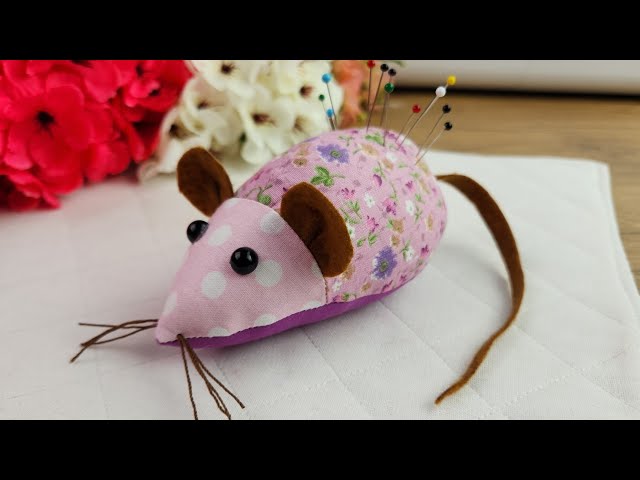
If you want to give your cat a fun and safe toy, making a fabric mouse toy is a perfect choice. It’s easy, affordable, and you can customize it just for your furry friend.
Imagine watching your cat excitedly chase and pounce on a toy you made with your own hands. You’ll learn simple steps to create a fabric mouse toy that will keep your cat entertained for hours. Ready to surprise your pet with something special?
Let’s get started!

Credit: www.youtube.com
Materials Needed
Gathering the right materials is the first step in creating a fabric mouse toy your cat will love. Choosing quality supplies not only ensures durability but also keeps your furry friend safe and entertained. Let’s look at what you’ll need to get started.
Choosing The Right Fabric
Pick a fabric that is soft but sturdy enough to withstand your cat’s claws and teeth. Cotton and felt are popular choices because they are gentle on your cat’s paws and easy to sew. Avoid slippery fabrics like satin or anything with loose threads that could come off and pose a choking hazard.
Have you ever noticed how cats prefer certain textures over others? Observing your cat’s favorite blanket or toy can give you clues about what fabric they might enjoy most.
Essential Tools
- Needle and thread:Choose a strong thread in a color that matches your fabric for a neat finish.
- Scissors:Sharp fabric scissors help you cut clean edges.
- Stuffing material:Use polyester fiberfill or cotton batting to make the mouse soft and squeezable.
- Pins or clips:These hold fabric pieces together while you sew.
- Fabric marker or chalk:Mark your cutting lines easily without damaging the fabric.
Having these tools ready makes the sewing process smoother and more enjoyable. Do you already have some of these at home? You might be closer to crafting your toy than you think.
Optional Decorations
Adding small decorative touches can make your mouse toy more attractive to your cat. Consider using:
- Small pieces of yarn for a tail
- Non-toxic fabric paint for eyes or patterns
- Catnip to sprinkle inside for extra excitement
Be cautious with decorations—avoid anything that could be swallowed or cause harm. What unique touches will you add to personalize your cat’s new favorite toy?

Credit: jacquelyncreates.com
Cutting The Fabric
Cutting the fabric is a key step in making a fabric mouse toy for your cat. Accurate cutting ensures the pieces fit well and the toy looks neat. Taking time here saves effort later when sewing.
Choose a soft, durable fabric that feels good to your cat. Cotton or felt works great. Prepare your workspace with scissors, fabric chalk, and a ruler.
Creating A Mouse Template
A mouse template guides you in cutting the fabric precisely. Use paper or cardboard for this template. Draw the shape of a mouse that fits your cat’s paw size.
- Include the body and tail parts.
- Make the size about 3 to 4 inches long.
- Keep the shape simple with rounded edges.
Cut out the template carefully. This will help you trace the fabric pieces evenly.
Marking And Cutting Fabric Pieces
Place the mouse template on the fabric. Use fabric chalk to trace around the template clearly. Mark two pieces for the mouse body—front and back.
- Trace the tail shape separately if it is a different piece.
- Double-check the markings before cutting.
Cut the fabric slowly along the chalk lines. Use sharp fabric scissors for clean edges. Avoid jagged cuts to make sewing easier.
Keep the fabric pieces together and ready for the next step: sewing the toy.
Sewing The Toy
Sewing the fabric mouse toy brings the project to life. This step shapes the toy and makes it durable for your cat’s playtime. Using simple sewing skills ensures a neat and strong finish. Focus on clean lines and secure stitches. The toy’s safety depends on how well you sew it.
Stitching Techniques
Choose a straight stitch for most of the toy’s edges. It is strong and easy to sew. Use small stitches for better durability. This helps prevent the stuffing from coming out. Double stitching the seams adds extra strength. You can also use a backstitch by hand for tough spots.
For corners and curves, sew slowly to keep the shape smooth. Avoid loose threads that can unravel. Trim excess fabric near seams to reduce bulk. This keeps the toy looking tidy and well-made.
Leaving An Opening For Stuffing
Leave a small gap on one side before sewing all edges. This opening allows you to add stuffing inside the toy. Make it around 2 to 3 inches long. Position the opening where it will be less visible.
After stuffing, close the opening with a ladder stitch or slip stitch. These stitches hide the seam and keep stuffing inside securely. Take your time sewing the opening for a clean finish. A well-closed toy is safer and lasts longer during play.
Stuffing The Mouse
Stuffing the fabric mouse toy is a crucial step that brings your creation to life. The right stuffing ensures the toy feels good in your cat’s paws and stays durable through countless play sessions. Let’s look at how to choose safe stuffing and shape the mouse perfectly.
Selecting Safe Stuffing Materials
Not all stuffing is safe for cats. You want materials that won’t cause allergic reactions or harm if your cat chews on the toy.
- Polyester fiberfill:This is soft, lightweight, and widely used in pet toys. Make sure it’s labeled non-toxic.
- Cotton batting:Natural and breathable, cotton is a good option if your cat has sensitivities.
- Fabric scraps:Small, clean pieces of cotton or fleece can add texture but avoid anything with loose threads.
Steer clear of beads, beans, or anything that could be a choking hazard. Have you ever seen a cat obsessed with tearing apart a toy? Choosing safe stuffing protects your furry friend during those intense playtimes.
Filling And Shaping The Toy
Fill your mouse toy evenly to keep it soft but firm enough to hold its shape. Start by adding small amounts of stuffing and gently pressing it into the corners.
- Use your fingers or a blunt pencil to push stuffing into tight spots like the nose and tail.
- Avoid overstuffing, which makes the toy hard and less fun for your cat to carry.
- Check the shape often to keep the mouse looking natural and balanced.
Think about how your cat plays: does it like to bat the toy or carry it around? Adjust the firmness accordingly. Remember, a well-shaped toy invites more play and keeps your cat entertained longer.
Adding Details
Small stitches and careful cutting bring the mouse toy to life. Adding eyes, ears, and a tail creates a fun and realistic look for your cat. Simple details make the toy more interesting and fun to play with.
Adding details to your fabric mouse toy makes it special. These little touches create personality. Each element adds charm.Attaching Ears And Tail
Start by cutting small ear shapes from felt. Use a different color than the mouse body. Sew the ears on top of the head. Ensure they are symmetrical. For the tail, cut a piece of yarn or ribbon. Attach it securely at the back. This makes the toy look realistic and fun.Adding Eyes And Nose
Use small buttons or beads for the eyes. Choose a contrasting color. Sew them onto the front of the mouse. This gives it a lively expression. For the nose, use a small pom-pom or stitch with embroidery thread. Place it just below the eyes. This simple step adds character. Each detail brings the toy to life. Your cat will find it irresistible.
Credit: www.youtube.com
Finishing Touches
Finishing touches make the fabric mouse toy ready for play. These steps ensure the toy looks neat and lasts long. Small details keep your cat safe and happy.
Closing The Opening
After stuffing the mouse, close the opening with neat stitches. Use a needle and thread that matches the fabric color. Sew small, tight stitches to keep the filling inside. Avoid leaving gaps that your cat can pull apart. Knot the thread securely at the end to prevent unraveling.
Ensuring Durability
Make the toy strong enough for rough play. Double stitch along the seams for extra strength. Use thick thread designed for sewing fabric toys. Reinforce areas that face more biting or scratching. Test the toy by gently pulling on it to check stability. Strong seams keep stuffing from spilling out, extending the toy’s life.
Tips For Cat Safety
Keeping your cat safe while they enjoy their new fabric mouse toy is just as important as making it fun. Cats can be curious and sometimes a bit rough with their toys, so taking a few safety precautions helps prevent accidents or health issues. Let’s focus on how you can make smart choices in materials and supervise play to keep your feline friend happy and healthy.
Choosing Non-toxic Materials
Always pick fabric and stuffing that are free from harmful chemicals. Natural cotton or felt works well because they are soft and safe if your cat decides to nibble. Avoid synthetic fabrics that might contain dyes or treatments which could irritate your cat’s skin or cause digestive problems if ingested.
Look for stuffing like polyester fiberfill labeled as non-toxic or consider organic wool. Stay away from small parts like beads or buttons that could come loose and become choking hazards. Your cat’s safety depends on what you add to the toy, so double-check labels and opt for pet-safe options.
Supervising Playtime
Never leave your cat alone with the fabric mouse toy for extended periods, especially if it has small components or loose threads. Cats can pull apart toys quickly, which might lead to swallowing unsafe pieces. Watching your cat play gives you a chance to intervene if things get too rough.
Try setting aside specific play sessions when you’re available to keep an eye on your pet. This also helps you bond and makes playtime more engaging for your cat. Have you noticed how some cats get extra excited with new toys? That’s the perfect moment to step in and ensure everything stays safe.
Customizing Your Toy
Personalize your cat’s fabric mouse toy by choosing soft fabrics and adding small details like whiskers or a tail. Simple stitches can shape the toy and make it more fun for your pet. Experiment with colors and textures to keep your cat interested.
Customizing your fabric mouse toy for your cat can make playtime more exciting. Personal touches add uniqueness and joy for your furry friend. Let’s explore some creative ways to customize your toy.Using Different Fabrics
Experiment with various fabrics to create a diverse toy. Cats enjoy different textures. Use cotton for a soft feel. Try denim for a tougher texture. Silk can add a luxurious touch. Mixing textures can make the toy more interesting. Choose bright colors to catch your cat’s eye. Patterns like stripes or polka dots add visual interest. Always use safe, non-toxic materials. Safety is crucial for your cat’s health.Incorporating Catnip
Catnip can make your toy irresistible to your cat. Fill the toy with dried catnip for added excitement. It can make your cat more playful. Some cats love the scent of catnip. You can sew a small pocket for the catnip. This makes it easy to refill. Ensure the pocket is secure. Loose catnip can create a mess. Keep the toy fresh by changing the catnip regularly. Cats may lose interest if the scent fades. Customizing your cat’s toy can enhance their playtime experience. These simple changes can bring joy to your furry friend.Frequently Asked Questions
What Materials Are Needed For A Fabric Mouse Toy?
You need fabric scraps, stuffing, needle, thread, scissors, and optional catnip. Choose soft, durable fabric safe for cats. These materials make a safe and fun toy for your cat.
How Do I Sew A Fabric Mouse Toy?
Cut fabric into mouse shape, sew edges leaving an opening. Stuff with filling and catnip, then sew the opening closed. Use small, tight stitches to ensure durability.
Can I Add Catnip To The Mouse Toy?
Yes, catnip attracts cats and enhances playtime. Add a small amount inside the stuffing before closing the toy. It stimulates your cat’s senses and encourages active play.
How To Make The Mouse Toy Safe For Cats?
Use non-toxic, pet-safe materials and avoid small parts. Sew edges tightly to prevent stuffing from escaping. Regularly check for wear and replace the toy if damaged.
Conclusion
Making a fabric mouse toy for your cat is fun and simple. It uses easy materials you can find at home. This toy keeps your cat active and happy every day. Plus, it saves money compared to store-bought toys. Try different fabrics and fillings to find your cat’s favorite.
Watch your cat enjoy the new playtime gift. Small efforts bring big joy to your furry friend. Give it a try and see the difference!




Leave a Reply