If your cat has peed on your favorite toys, you know how stubborn that smell can be. It’s frustrating when no matter how much you clean, the odor just won’t go away.
You might worry that the smell will keep coming back, making your home uncomfortable. But don’t worry—there are simple, effective ways to get rid of that cat urine smell for good. Keep reading, and you’ll learn easy steps to freshen up your toys and keep your space smelling clean.
Why Cat Urine Smells Linger
Cat urine smell can be very hard to remove from toys. The odor stays strong because of what urine contains and the materials in toys. Understanding these reasons helps in finding the best cleaning methods.
Composition Of Cat Urine
Cat urine has many strong-smelling chemicals. It contains ammonia, urea, and proteins. Ammonia creates a sharp, pungent smell. Proteins and other compounds can stick to surfaces and keep the odor alive.
Urine also has crystals called urates. These crystals can form in small spaces and trap the smell inside. When toys get wet with urine, these chemicals soak in deeply. The longer the urine sits, the harder it becomes to remove the smell.
Porous Materials In Toys
Many cat toys are made of porous materials like fabric, foam, or soft plastic. Porous means tiny holes or spaces where liquids can enter. Urine seeps into these holes and stays trapped inside.
These materials absorb urine, making the smell last longer. Even after washing, some urine remains deep inside. This hidden urine causes the bad smell to return over time. Hard or smooth toys do not hold urine as much, so their odor is easier to clean.

Credit: www.amazon.ca
Immediate Steps After Accidents
Dealing with cat urine on toys can be frustrating, but acting quickly can save you a lot of trouble. The longer the urine stays, the harder the smell becomes to remove. Immediate action helps prevent the odor from soaking deep into the fabric or material of the toy.
Blotting And Rinsing
Start by blotting the wet area with paper towels or a clean cloth. Press gently to absorb as much urine as possible without rubbing, which can spread the stain. Rinsing the toy under cold water helps flush out urine before it sets in.
If the toy is machine washable, rinse it thoroughly before washing. For non-washable toys, use a spray bottle with cold water to dampen the area and blot again. This step reduces the concentration of urine and limits the smell.
Avoiding Common Mistakes
One common mistake is using hot water, which can set the urine stain and odor permanently. Avoid harsh chemicals like bleach, as they may damage the toy’s fabric and irritate your cat. Using scented cleaners might mask the smell temporarily but won’t eliminate it.
Another pitfall is leaving the toy damp after cleaning. Moisture encourages bacteria growth, making odors worse. Always air-dry toys completely in a well-ventilated area or under sunlight if possible.
Have you ever cleaned a toy only to find the smell returning days later? Taking these immediate steps right after the accident can prevent that frustrating cycle and keep your pet’s toys fresh longer.
Cleaning Solutions That Work
Removing cat urine smell from toys needs effective cleaning solutions. The right cleaner breaks down urine molecules. This stops odors and keeps toys safe for pets. Different products work for different materials. Some use natural enzymes, others use chemicals. Knowing which cleaner suits your toy saves time and effort.
Enzymatic Cleaners
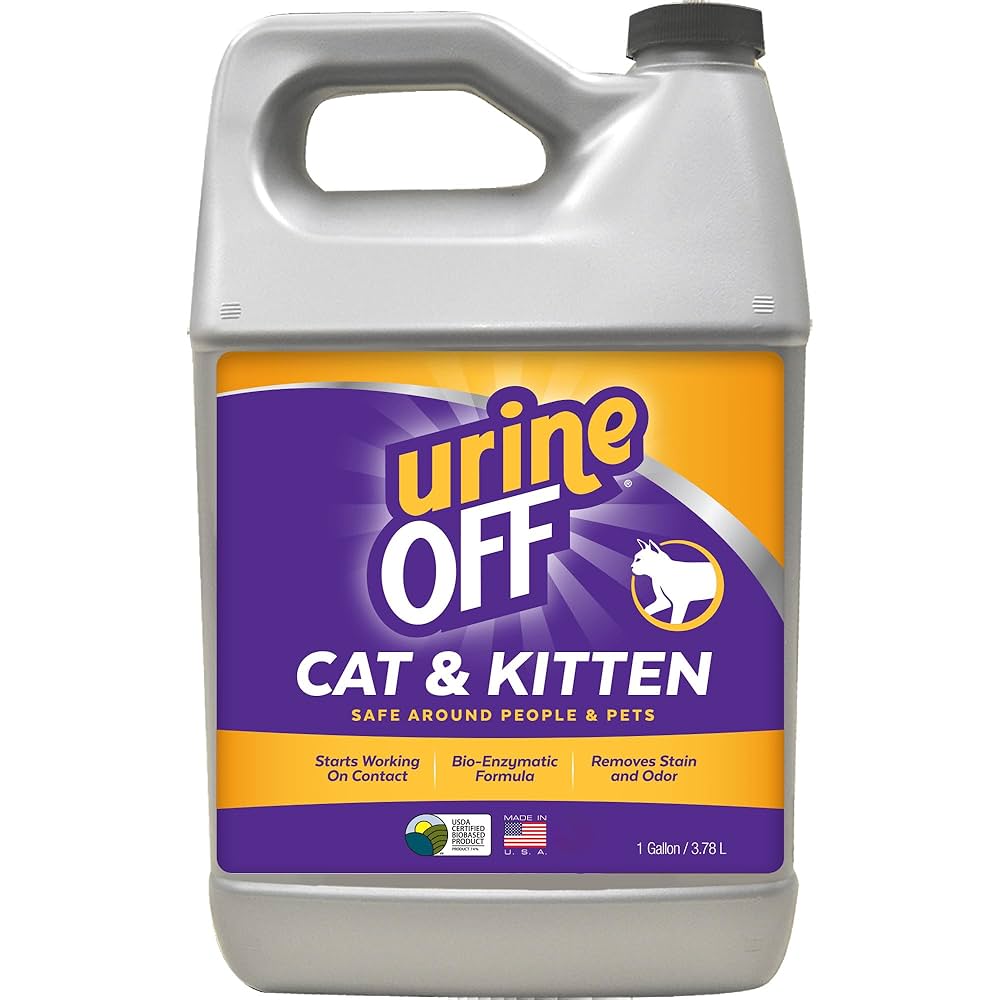
Enzymatic cleaners use natural enzymes to break down urine proteins. These cleaners reach deep into fabric fibers and porous materials. They destroy odor-causing bacteria instead of just masking smells. Enzymatic cleaners work well on stuffed toys and soft fabrics. They are safe for pets and do not leave harsh residues. Use as directed for best results. Let the cleaner soak to fully remove the smell.
Homemade Remedies
Simple ingredients at home can reduce urine odors. Vinegar and water mix is a popular choice. Vinegar neutralizes the ammonia in cat urine. Baking soda helps absorb lingering smells. Combine both for a thorough clean. Spray the solution on the toy, then rinse well. Sun drying also helps kill bacteria and freshen toys. Homemade remedies are affordable and gentle on toys.
Commercial Products
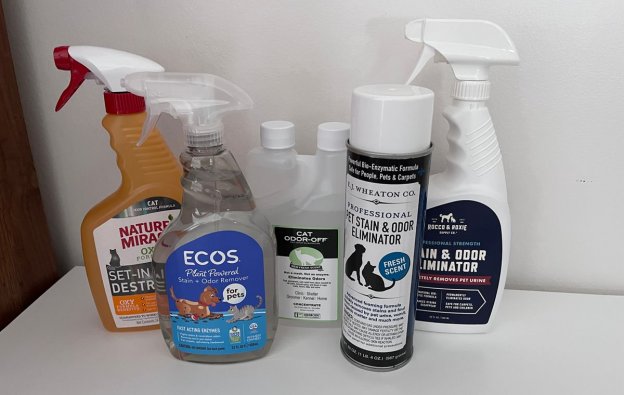
Many commercial products target pet urine smells. These are easy to find in stores or online. Look for products labeled safe for pet toys. Some contain odor neutralizers and disinfectants. Others have added fragrances to freshen toys. Use according to instructions. Test on a small area first to avoid damage. Commercial products offer quick and reliable odor removal.
Credit: cats.com
Effective Cleaning Techniques
Removing cat urine smell from toys needs strong cleaning methods. Urine can soak deep into fabric and stuffing. Simple washing might not remove the smell fully. Effective cleaning targets odor at its source. This section covers techniques to clean toys well. Follow these tips for fresh-smelling toys your cat will love again.
Soaking And Scrubbing
Start by soaking the toy in cold water. Add a cup of white vinegar or enzyme cleaner. Let it sit for 30 minutes to break down urine. After soaking, scrub the toy gently with a soft brush. Pay close attention to stained areas. Rinse thoroughly with clean water to remove residues.
Machine Washing Tips
Check if the toy is machine washable first. Use a mild detergent safe for pets. Add half a cup of baking soda to neutralize odors. Wash the toy on a gentle cycle with cold water. Avoid using bleach or fabric softeners. Run an extra rinse cycle to clear all soap.
Drying Properly
Air dry the toy in direct sunlight if possible. Sunlight helps kill bacteria and remove smell. Avoid using a dryer unless the toy label allows it. For stuffed toys, reshape them while damp. Make sure toys are completely dry before giving them back.
Preventing Future Urine Odors
Cleaning toys thoroughly with enzyme cleaners breaks down urine odors and stops smells from returning. Keeping toys dry and washing them regularly also helps prevent future urine smells. Using these simple steps keeps your cat’s toys fresh and odor-free.
Preventing future urine odors on toys is essential for pet owners. Understanding why cats might urinate on toys is the first step. Stress, marking territory, or medical issues might be the cause. Addressing these can help keep toys fresh and odor-free. Here are some effective strategies to prevent future incidents.Training Your Cat
Train your cat to use the litter box consistently. Positive reinforcement helps in encouraging good behavior. Use treats or affection as rewards for using the litter box. Make the litter box easily accessible at all times. Clean it regularly to keep it inviting for your cat.Using Repellents
Consider using pet-safe repellents on toys. These can deter cats from urinating on them. Citrus scents are known to keep cats away. Apply these repellents lightly on toys. Ensure they are safe and non-toxic for your cat.Maintaining Toy Hygiene
Regularly clean your cat’s toys to remove any lingering smells. Use mild soap and water for washable toys. For non-washable toys, wiping them with a damp cloth can help. Keep toys dry and store them properly when not in use. Rotate toys to keep your cat interested and reduce the risk of marking. These strategies will help in keeping your cat’s toys odor-free.When To Replace Toys
Knowing when to replace your cat’s toys is important for keeping your home fresh. Toys soaked with urine can hold odors even after cleaning. At some point, the smell will not go away. Replacing toys at the right time prevents bad smells and keeps your cat happy.
Signs Of Irreversible Odor
- The toy smells strong even after washing.
- Stains remain visible on the toy’s surface.
- The fabric feels stiff or damaged from cleaning.
- Your cat avoids playing with the toy.
- The odor returns quickly after use.
These signs show the toy has absorbed urine deeply. The smell is trapped inside fibers and materials. Cleaning products cannot remove it fully. Such toys need to be replaced for a fresh environment.
Choosing Odor-resistant Toys
Select toys made from non-porous materials like rubber or silicone. These materials do not absorb liquids easily. They are easier to clean and dry quickly. Avoid plush or fabric toys if your cat marks often.
- Look for smooth surfaces that wipe clean well.
- Choose toys that can be washed in hot water.
- Pick toys designed for durability and hygiene.
Odor-resistant toys help reduce persistent smells. They keep your cat’s play area cleaner. Investing in these toys saves time and effort in cleaning.

Credit: poophbrand.com
Frequently Asked Questions
How To Remove Cat Urine Smell From Fabric Toys?
Use a mixture of white vinegar and water to soak the toy. Then wash with pet-safe detergent. Air dry completely to eliminate odor.
Can Baking Soda Help Eliminate Cat Urine Odor On Toys?
Yes, sprinkle baking soda on the toy after washing. Let it sit for a few hours. Then vacuum or brush off to neutralize the smell.
What Cleaning Agents Are Safe For Cat Urine On Toys?
Use enzymatic cleaners specifically designed for pet urine. They break down odor-causing molecules without harming your pet or fabric.
How Often Should I Clean Toys To Avoid Urine Smell?
Clean toys immediately after any urine contact. Regular cleaning prevents buildup and persistent odors. Aim to wash toys weekly if needed.
Conclusion
Removing cat urine smell from toys is possible with the right steps. Act quickly to prevent stains and odors from setting. Use gentle cleaning products safe for your pet’s toys. Rinse thoroughly to remove all residues. Let toys dry completely before giving them back.
Regular cleaning keeps toys fresh and your home smell-free. Clean toys mean happier pets and a cleaner space. Small efforts make a big difference in odor control. Keep your pet’s playtime enjoyable and clean every day.

Leave a Reply