Is your cat spending too much time licking and scratching? Over grooming can cause uncomfortable skin problems and even hair loss.
If you’ve noticed your furry friend obsessively grooming, you might feel worried and unsure about what to do next. The good news is, you can help your cat feel better and stop this behavior before it gets worse. Keep reading to discover simple, effective ways to understand why your cat over grooms and how you can put an end to it—so your pet stays happy and healthy.

Credit: www.honeysucklecattoys.co.uk
Signs Of Over Grooming
Noticing the signs of over grooming in your cat early can save them from discomfort and serious health issues. Over grooming goes beyond normal cleaning and turns into excessive licking or biting that damages their skin or fur. Identifying these signs helps you take action before the problem worsens.
Common Symptoms
You might see bald patches or thinning fur in certain areas like the belly, legs, or tail. Red, irritated skin or scabs often appear where your cat licks or bites the most. Sometimes, the fur looks matted or greasy because your cat removes too much of the natural oils.
Pay attention if your cat is constantly licking one spot or biting the same area repeatedly. Small wounds or open sores can develop from this behavior, increasing the risk of infection. These physical symptoms are clear clues that your cat is over grooming.
Behavioral Changes
Over grooming often comes with changes in your cat’s behavior. Your cat may seem restless, agitated, or more withdrawn than usual. Have you noticed if your cat hides more or avoids being touched in certain spots?
Some cats become more vocal or show signs of stress like pacing or scratching furniture excessively. These behaviors signal that your cat may be uncomfortable or anxious, which can trigger over grooming. Watching for these changes can help you catch the problem early and seek the right help.
Causes Of Over Grooming
Over grooming in cats happens when they lick or chew their fur too much. This can cause hair loss and skin damage. Understanding why cats over groom helps find the right solution. Several common causes lead to this behavior.
Stress And Anxiety
Cats often groom themselves to feel calm. Stress or anxiety can make them groom more than usual. Changes in the home, loud noises, or new pets can cause stress. Boredom and loneliness also increase over grooming. This behavior acts as a way to soothe their nerves.
Allergies And Skin Issues
Allergies can make a cat’s skin itchy and uncomfortable. Food, pollen, or dust can trigger allergies. Cats lick or bite their skin to relieve itching. Skin conditions like dermatitis or dry skin also cause over grooming. These problems need proper diagnosis and treatment.
Parasites And Infections
Fleas, mites, or ticks irritate a cat’s skin. These parasites cause intense itching and discomfort. Cats scratch and groom to try to remove them. Skin infections can develop from constant biting or scratching. Treating parasites quickly stops the over grooming cycle.
Home Remedies To Reduce Over Grooming
Over grooming in cats can cause skin problems and discomfort. Home remedies help reduce this behavior safely. Simple changes at home can make a big difference. These remedies focus on calming your cat, improving its diet, and enriching its environment. Each approach supports your cat’s well-being and stops over grooming naturally.
Calming Techniques
Stress often triggers over grooming. Calm your cat with gentle petting and soft voices. Create a quiet space free from loud noises. Use pheromone sprays or diffusers designed for cats. These mimic natural calming scents. Try playing soft music to soothe anxiety. Regular playtime helps release nervous energy. Avoid sudden changes in routine that may upset your cat.
Improving Diet
Nutrition affects skin and coat health. Feed a balanced diet rich in omega-3 and omega-6 fatty acids. These fats reduce inflammation and improve skin condition. Choose high-quality cat food with natural ingredients. Avoid artificial additives and fillers. Fresh water should be available at all times. Consult your vet for supplements like fish oil if needed. Proper diet supports healing and reduces itching.
Environmental Enrichment
Boredom can lead to over grooming. Provide toys like balls, feather wands, and puzzle feeders. Rotate toys regularly to keep interest high. Offer scratching posts and climbing trees for exercise. Window perches allow your cat to watch outside activity. Spend time interacting with your cat daily. These activities reduce stress and distract from over grooming. A stimulating environment keeps your cat happy and healthy.
When To Visit The Vet
Over grooming in cats can signal discomfort or illness. Knowing when to visit the vet is key to protect your cat’s health. Early vet visits can catch serious issues before they worsen. Watch your cat closely for signs that need professional care. Prompt action helps ensure your cat feels better soon.
Identifying Serious Problems
Look for wounds, bleeding, or bald patches on your cat’s skin. Notice if your cat’s grooming causes pain or distress. Check for changes in appetite or energy levels. Persistent licking or biting may mean allergies or infections. Sudden behavior changes also need vet attention. These signs can point to serious health problems.
Diagnostic Tests
Vets use tests to find the cause of over grooming. Skin scrapings check for parasites or infections. Blood tests identify allergies, hormone issues, or illness. Allergy tests help find food or environmental triggers. Sometimes, a biopsy is needed to examine skin tissue. These tests guide proper treatment and relief for your cat.
Medical Treatments
Cats may over groom due to stress, allergies, or skin problems. Treating the cause with vet advice helps reduce this behavior. Providing a calm environment and proper care supports healing and comfort.
Cats sometimes over-groom due to medical issues. Addressing the root cause can reduce this behavior. Medical treatments often provide relief. Consulting a vet is crucial for a proper diagnosis. Treatments may include medications or therapies. Below are options that may help.Medications
Medications can manage anxiety and allergies. Anti-anxiety drugs calm stressed cats. Antihistamines help with allergy-related itching. Always follow your vet’s prescription. Never give human medications to cats.Therapies And Supplements
Therapies and supplements support cats’ health naturally. Omega-3 fatty acids reduce skin inflammation. These supplements improve coat health. Behavioral therapy addresses stress-related grooming. A professional can guide this process.
Credit: pennypaws.com
Preventing Future Over Grooming
Stopping your cat from over grooming is only part of the solution. Preventing it from happening again is just as important. Understanding how to care for your cat daily and reduce their stress can make a huge difference in keeping their skin and coat healthy.
Routine Care
Regular grooming helps keep your cat’s coat clean and reduces irritation that might cause over grooming. Brush your cat gently every day or every other day to remove loose fur and dirt.
Check their skin for redness, bumps, or wounds during grooming sessions. Early detection can stop problems before they get worse.
Also, keep your cat’s environment clean by regularly washing their bedding and toys. This reduces allergens and irritants that can cause itching.
Stress Reduction Strategies
Stress can trigger over grooming in cats. You might notice your cat licking more when there are changes at home or loud noises around. Can you spot what stresses your cat?
Try adding quiet spaces where your cat can retreat. Using pheromone diffusers designed for cats can also create a calming atmosphere.
Keep a consistent routine for feeding, playtime, and rest. Cats find comfort in predictability, which lowers their stress levels significantly.

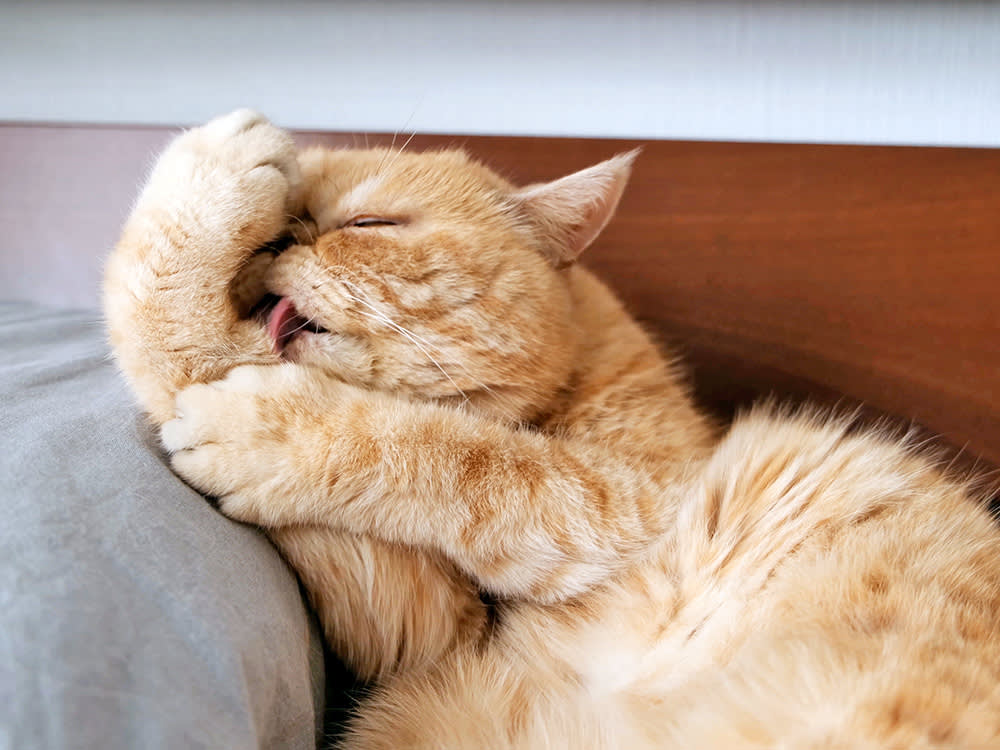
Credit: brooklynpetspa.com
Frequently Asked Questions
What Causes Cats To Over Groom Excessively?
Cats over groom due to stress, allergies, parasites, or skin infections. Over grooming can also signal pain or behavioral issues. Identifying the cause helps in providing the right treatment and reducing excessive licking or scratching.
How Can I Stop My Cat From Over Grooming?
To stop over grooming, address underlying health or stress issues first. Use calming products, enrich your cat’s environment, and consult a vet for allergies or infections. Regular grooming and playtime also reduce anxiety and prevent excessive licking.
Is Over Grooming Harmful To Cats?
Yes, over grooming can cause hair loss, skin wounds, and infections. It may also lead to behavioral problems if untreated. Early intervention is important to protect your cat’s skin and overall health.
When Should I See A Vet For Over Grooming?
Visit a vet if your cat’s skin is red, inflamed, or has bald patches. Also seek help if grooming behavior suddenly increases or your cat shows signs of distress. Professional diagnosis ensures proper treatment and relief.
Conclusion
Cats over grooming can cause skin problems and discomfort. Watch your cat closely to spot signs early. Provide a calm, safe space to reduce stress. Use vet-approved treatments for itching or allergies. Regular check-ups help keep your cat healthy. With care and patience, you can help your cat feel better.
Small changes make a big difference in their well-being. Keep your furry friend happy and comfortable every day.

Leave a Reply