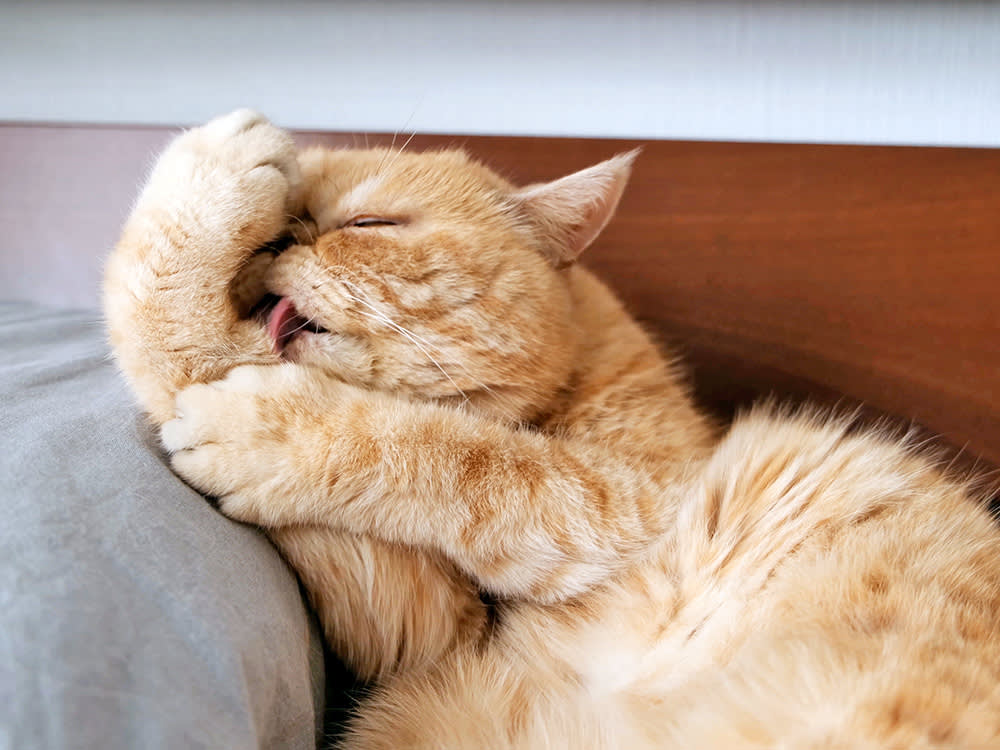
Have you noticed your cat isn’t grooming herself like she used to? It’s natural to worry when your furry friend stops cleaning her fur.
Grooming is more than just looking good for cats—it’s how they stay healthy and comfortable. When your cat skips this important habit, it could mean something is wrong. Understanding why your cat isn’t grooming herself can help you take quick action and keep her happy.
Keep reading to discover the surprising reasons behind this change and what you can do to help your cat feel her best again.
Common Grooming Habits
Understanding your cat’s common grooming habits can help you spot when something is off. Cats naturally spend a good chunk of their day cleaning themselves, but the way they groom varies by personality, health, and environment. Noticing changes in these habits could be your first clue that your cat isn’t feeling quite right.
Typical Cat Grooming Behavior
Cats use their tongues to remove dirt, loose fur, and parasites. They lick their fur in a rhythmic, repetitive motion that covers their entire body, including tricky spots like behind the ears and under the legs.
Besides cleaning, grooming also helps cats regulate their body temperature and calm themselves when stressed. You might have seen your cat pause between licks, almost as if they’re enjoying a moment of relaxation.
Have you ever noticed your cat licking more intensely after a stressful event? This behavior shows how grooming serves as a coping mechanism, not just hygiene.
How Often Cats Groom Themselves
On average, cats spend around 30-50% of their waking hours grooming. This might sound like a lot, but grooming is a major part of their daily routine.
Some cats groom multiple times a day, while others might do shorter, more frequent sessions. Younger cats tend to groom more vigorously, while older cats might slow down.
If your cat suddenly stops grooming or spends less time on it, ask yourself: Could there be pain, stress, or illness interfering? Not grooming can be a sign of underlying problems like dental pain, arthritis, or skin conditions.
Health Issues Affecting Grooming
When your cat stops grooming herself, it can signal underlying health issues that need your attention. Grooming is more than just cleanliness for cats; it’s a vital part of their well-being. If your feline friend neglects this habit, it might be struggling with discomfort or illness that affects her ability or desire to groom.
Skin Conditions And Irritations
Skin problems can make grooming painful or irritating. Conditions like allergies, fleas, or infections cause itching and soreness, leading your cat to avoid grooming certain areas. You might notice bald patches, redness, or scabs—clear signs she needs veterinary care.
Have you checked if your cat scratches excessively or licks one spot nonstop? These behaviors often point to skin irritations that interfere with her grooming routine.
Pain And Mobility Problems
Arthritis and injuries can make reaching certain body parts difficult or painful. Older cats, in particular, may struggle with stiffness that stops them from cleaning themselves properly. If you see your cat grooming less or missing hard-to-reach spots, consider if pain might be the cause.
Watching your cat move around or climb can reveal if she’s limping or hesitating. These signs mean she could benefit from a vet check to ease her discomfort and improve grooming ability.
Dental Issues Impacting Grooming
Painful teeth or gum disease often reduce a cat’s grooming habits. Grooming requires head and neck movement, which can hurt if your cat’s mouth is sore. Bad breath, drooling, or reluctance to eat are clues that dental problems might be stopping her from grooming.
Have you noticed your cat avoiding her favorite treats or pawing at her mouth? Addressing dental health can restore comfort and encourage her to groom again.
Emotional And Environmental Factors
Emotional and environmental factors play a big role in a cat’s grooming habits. Cats rely on grooming to stay clean and calm. Changes in their feelings or surroundings can stop this behavior. Understanding these factors helps identify why your cat may not groom herself.
Stress And Anxiety Effects
Stress can make cats stop grooming. Loud noises, new pets, or visitors may cause anxiety. Stress raises their heart rate and affects their focus. Grooming feels less important when a cat feels scared or uneasy.
Some cats over-groom when stressed, but others stop completely. Watch for signs like hiding, trembling, or refusing food. These behaviors can show emotional distress. Calm surroundings help cats feel safe and return to normal grooming.
Changes In Environment Or Routine
Cats are creatures of habit. Sudden changes in their home or daily routine can confuse them. Moving to a new house or rearranging furniture may cause disruption. Even changes in feeding times can affect grooming.
New smells or sounds can stress cats. They may stop grooming until they adjust. Keeping a stable environment supports healthy grooming habits. Provide quiet spaces and familiar items to comfort your cat.

Credit: www.latimes.com
Age And Grooming Changes
As your cat ages, her grooming habits can change noticeably. These shifts often signal underlying issues rather than mere laziness. Understanding how age affects grooming helps you support your feline friend better.
Grooming In Senior Cats
Older cats often struggle with grooming due to reduced flexibility and arthritis. It becomes harder for them to reach certain spots, leading to patchy fur or mats. You might notice your senior cat spending less time cleaning herself or missing usual grooming spots.
Sometimes, your cat’s grooming decline is a subtle cry for help. Has your elderly cat stopped grooming as she used to? This could point to pain or discomfort that needs veterinary attention.
You can assist by gently brushing your cat daily. It not only keeps her coat healthy but also strengthens your bond. Regular grooming sessions help detect skin problems or lumps early, making care easier.
Impact Of Obesity Or Weight Changes
Weight plays a big role in your cat’s ability to groom. Overweight cats often find it difficult to twist and clean themselves properly. This can cause greasy fur, unpleasant odors, or skin infections.
On the other hand, sudden weight loss might indicate illness, which also affects grooming habits. Have you noticed your cat’s weight fluctuating along with a decline in grooming? That’s a warning sign to check with your vet.
To help, monitor your cat’s weight and encourage gentle exercise. Controlled diet and playtime improve mobility and grooming ability. You might even find that helping your cat groom during this time boosts her comfort and confidence.
When To Consult A Veterinarian
Knowing when to consult a veterinarian is crucial if your cat has suddenly stopped grooming herself. Grooming is a natural behavior for cats, and a change can signal an underlying health issue. Ignoring these signs can lead to more serious problems, so it’s important to act promptly.
Signs Indicating Medical Attention
Watch for clear signs that your cat needs medical help. These include:
- Excessive hair lossor bald patches
- Visible wounds, sores, or scabson the skin
- Foul odorcoming from the coat or skin
- Changes in appetite or behaviorsuch as lethargy or hiding
- Difficulty movingor signs of pain when touched
- Over-groomingone area or complete neglect of grooming
These symptoms may indicate infections, parasites, arthritis, or other health problems. If you notice any of these, don’t hesitate to reach out to a vet.
Preparing For The Vet Visit
Before you visit the vet, gather useful information to help them understand your cat’s condition better. Note when the grooming stopped and any other changes you observed.
- Keep a record of your cat’s eating, drinking, and litter box habits
- Observe if there are any environmental changes or new pets
- Bring a sample of the fur or skin if you see flakes or unusual debris
Try to keep your cat calm during the trip. Use a familiar blanket or toy in the carrier to reduce stress. Remember, your detailed observations can make a big difference in diagnosing the issue quickly.

Credit: www.latimes.com
Helping Your Cat Groom Better
Cats may stop grooming due to illness, pain, or stress. Watching for changes in behavior helps spot problems early. Offering gentle brushing can support your cat’s grooming needs.
Cats are known for their fastidious grooming habits, but when your feline friend stops grooming herself, it can be concerning. Understanding how to assist your cat in grooming better can help restore her to her usual clean and happy self. Let’s explore some effective strategies to encourage and support your cat’s grooming routine.Assisting With Brushing And Cleaning
Regular brushing can make a world of difference for a cat that isn’t grooming herself effectively. Use a gentle brush that suits your cat’s fur type, whether it’s a slicker brush for short-haired cats or a comb for long-haired breeds. Begin with short, gentle strokes, ensuring your cat feels comfortable. This can also be a bonding time; my cat, Whiskers, purrs contentedly when I brush him, making it a pleasant experience for both of us. Pay special attention to areas that are hard for your cat to reach, like her back or the underside of her tail. A little bit of daily brushing can prevent tangles and mats, which in turn encourages your cat to start grooming herself again.Creating A Comfortable Environment
A stress-free environment is crucial for a cat’s grooming habits. Ensure your home is a sanctuary for your cat, free from loud noises or sudden changes that might stress her out. Consider if there have been any changes in your home recently. A new pet, a change in routine, or even rearranged furniture can disrupt a cat’s sense of security. Provide cozy spots where your cat can relax, such as a soft bed or a sunny windowsill. When Whiskers feels calm and secure, he often starts grooming himself more diligently, which underscores the importance of a peaceful setting. Does your cat have enough quiet time and space to feel at ease? Sometimes, a little adjustment in their surroundings can significantly boost their well-being and grooming habits.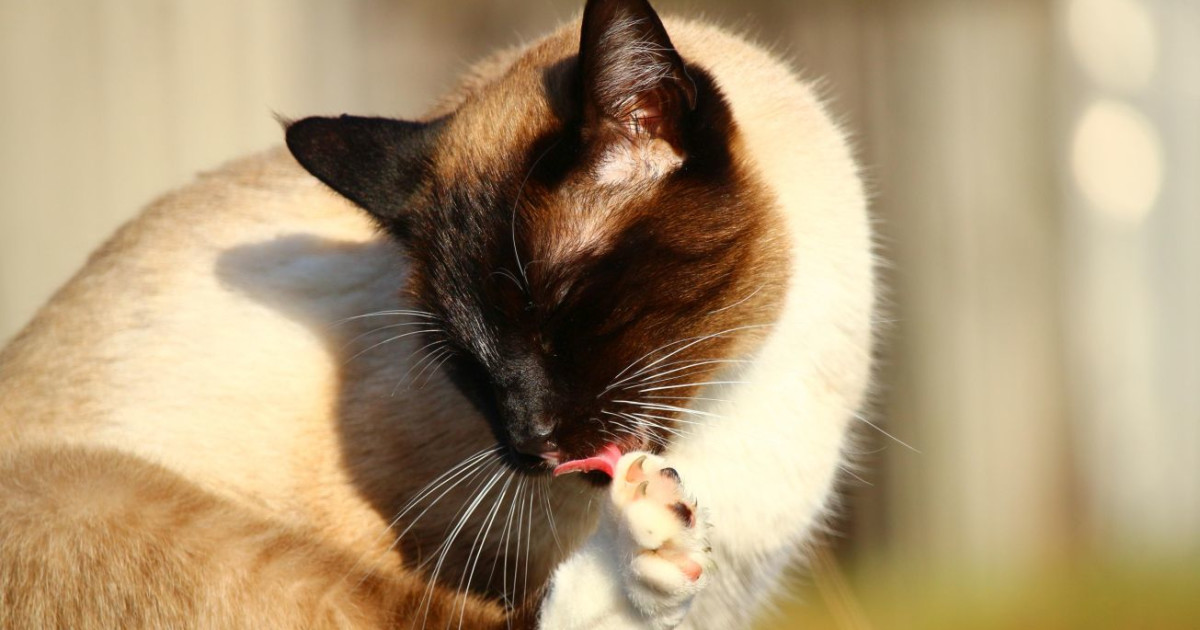
Credit: pethelpful.com
Frequently Asked Questions
Why Isn’t My Cat Grooming Herself Regularly?
Cats may stop grooming due to illness, pain, or stress. Conditions like arthritis or dental issues can cause discomfort. Stressful environments or changes also reduce grooming. It’s important to observe and consult a vet if grooming declines suddenly.
Can Health Problems Cause A Cat To Stop Grooming?
Yes, health issues like skin infections, parasites, or arthritis often cause grooming cessation. Pain or discomfort limits movement. Regular vet check-ups can detect these problems early, ensuring timely treatment and helping your cat resume grooming habits.
How Does Stress Affect A Cat’s Grooming Behavior?
Stress can decrease grooming as cats feel anxious or insecure. Changes like new pets or moving homes can trigger this. Stress reduces self-care instincts, so providing a calm environment helps restore normal grooming.
Should I Help Groom My Cat If She Stops Grooming?
Yes, assist your cat with grooming to keep her clean and comfortable. Use gentle brushing and check for skin problems. However, always seek veterinary advice to address underlying causes of grooming loss.
Conclusion
Cats stop grooming for many reasons. Stress, illness, or pain can cause this change. Watch your cat closely for other signs. A visit to the vet can help find the problem. Keep your cat comfortable and clean in the meantime.
Regular grooming helps your cat stay healthy and happy. Understanding your cat’s needs builds a stronger bond. Small actions can make a big difference for your pet. Don’t ignore changes in your cat’s grooming habits. Caring for your cat shows your love and support.

Leave a Reply