Have you ever wondered if you can teach your cat to use the toilet instead of a litter box? It sounds almost too good to be true, right?
Imagine saving time on cleaning and saying goodbye to messy litter forever. But is potty training a cat really possible, or just a myth? You’ll discover the surprising truth about cat toilet training. By the end, you’ll know exactly what to expect and whether this method could work for your furry friend.
Keep reading—your cat’s bathroom habits might never be the same!

Credit: www.youtube.com
Cat Potty Training Basics
Potty training a cat might sound unusual, but understanding the basics can make the process smoother. Cats have instincts that guide their bathroom habits, and tapping into these natural behaviors helps you teach them to use the toilet. Knowing what drives your cat’s actions is the first step toward success.
Natural Cat Behavior
Cats are naturally clean animals. They spend a lot of time grooming themselves and prefer to keep their environment tidy. This instinct means they usually avoid soiling their living space.
Have you noticed how your cat digs and covers after using the litter box? This digging and covering behavior is deeply rooted in their wild ancestors’ need to hide their scent from predators. Understanding this helps you realize why a clean and accessible spot matters when training.
Keep in mind, cats are also creatures of habit. They thrive on routine and can become stressed if their bathroom setup changes suddenly. So, patience and gradual changes are key when you start potty training.
Litter Box Instincts
Most cats come with a built-in preference for using a litter box. It mimics the soft, sandy earth they would naturally use outdoors. This instinct makes the litter box a powerful tool in their training.
However, not all litter boxes or litters are created equal. Cats can be picky about texture, smell, and cleanliness. If the box isn’t to their liking, they might avoid it, which can slow down your training efforts.
Try different types of litter and keep the box spotless to encourage consistent use. Remember, your cat’s comfort with their bathroom spot is crucial. Have you experimented with various litter options yet to find your cat’s favorite?
Methods To Potty Train Cats
Potty training a cat might seem like a tall order, but understanding different methods can make the process clearer and more manageable. Cats are creatures of habit, so patience and consistency are key. Let’s explore practical ways you can guide your cat toward proper bathroom habits.
Using A Litter Box
The litter box is the most common and natural way to potty train cats. Most cats instinctively use litter, so your first step is choosing the right box and litter type. Have you noticed how some cats prefer unscented clumping litter while others like softer textures?
Place the litter box in a quiet, accessible spot. Keep it clean by scooping daily and changing the litter weekly. This builds trust and encourages your cat to use it consistently.
Transitioning To A Toilet
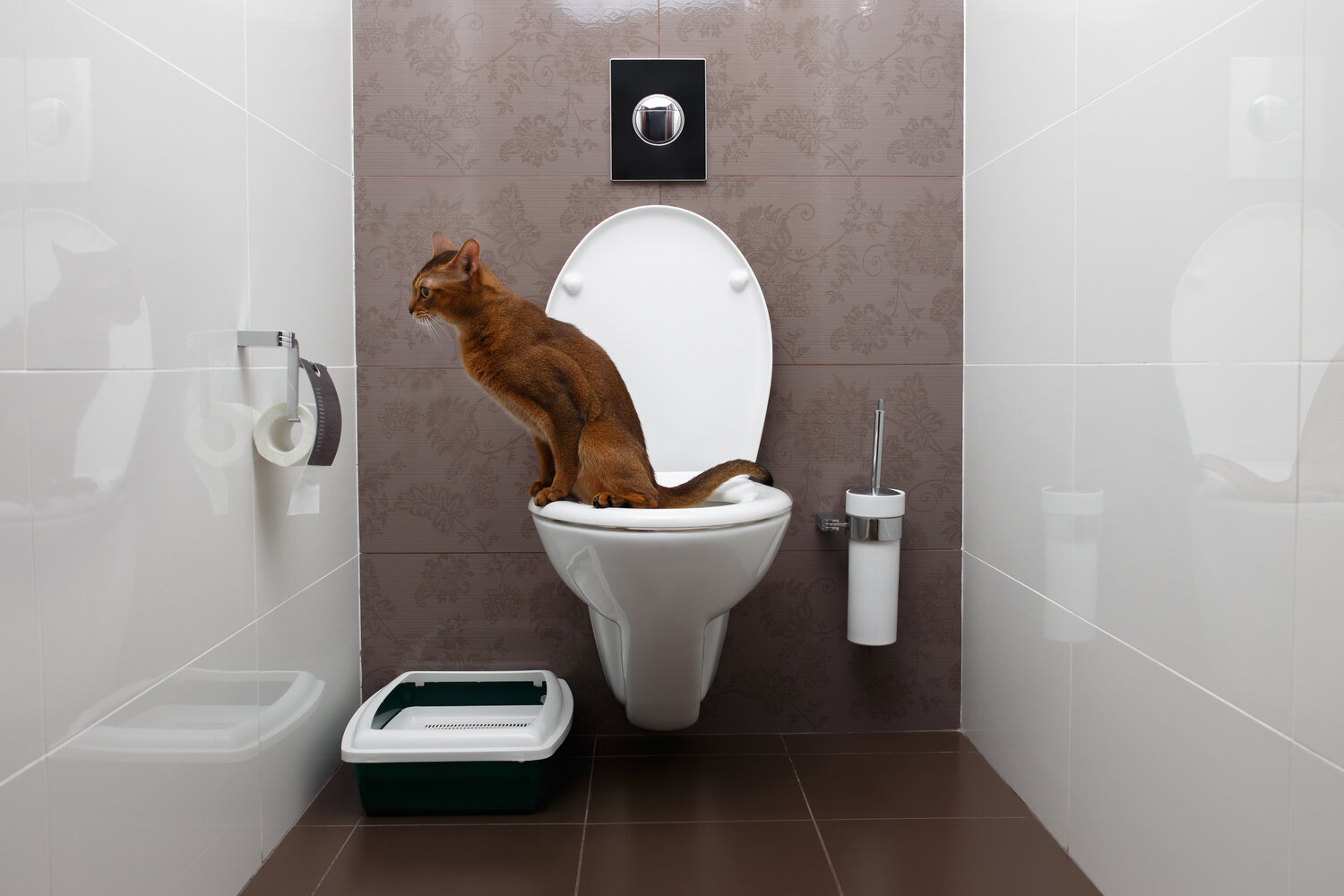
Training your cat to use a human toilet is a more advanced and less common approach, but it’s possible with patience. This method reduces litter mess and saves space, but it demands gradual changes and close supervision.
Start by moving the litter box closer to the toilet over several days. Then, elevate the box step by step until it’s level with the toilet seat. Have you ever wondered if your cat can adapt to this unusual setup? Many do, but it depends on the cat’s personality and comfort level.
Step-by-step Training Process
Successful potty training follows a clear sequence of steps. Begin with a litter box your cat already uses, then slowly adjust its position and height. This helps your cat get used to new locations without stress.
- Gradually reduce the amount of litter in the box.
- Replace the litter box with a special training seat that fits on the toilet.
- Allow your cat to balance on the toilet seat while using the training seat.
- Slowly remove the training seat once your cat is comfortable.
Throughout the process, reward your cat with treats and praise to reinforce positive behavior. What small rewards does your cat respond to best? Finding the right motivator can make all the difference.
Challenges And Common Issues
Potty training a cat can be a tough task. Many cat owners face challenges during this process. Understanding common issues helps prepare for the journey. Patience and care are key to success.
Resistance And Setbacks
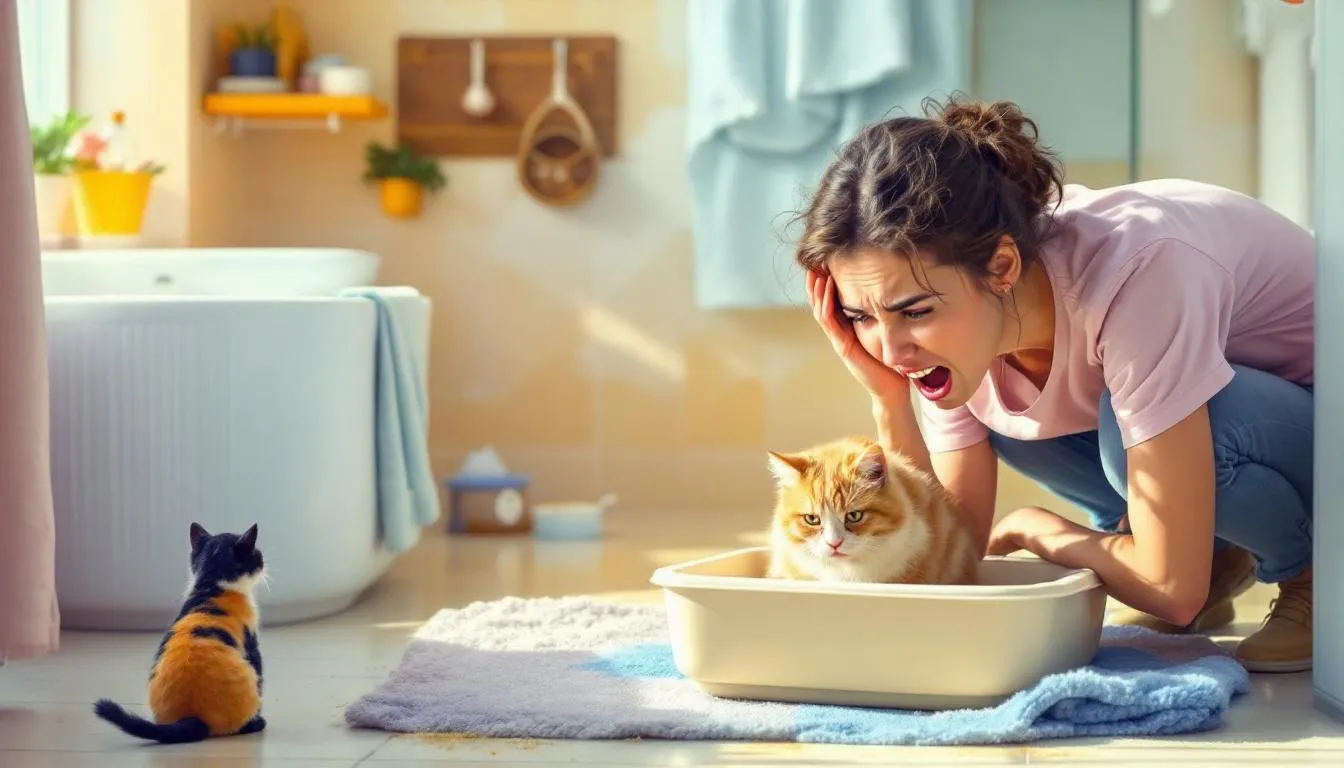
Cats are creatures of habit. They may resist new routines and changes. Some cats refuse to use the toilet at first. Setbacks like accidents and avoidance are common. Keep trying with gentle encouragement and consistency. Avoid punishment, as it can increase fear and resistance.
Health Concerns
Changes in bathroom habits may signal health problems. Urinary tract infections or bladder issues cause discomfort. Watch for signs like frequent urination or straining. Consult a vet if you notice unusual behavior. Health concerns must be ruled out before training.
Environmental Factors
The bathroom setup affects a cat’s willingness to train. Loud noises or slippery surfaces cause stress. A busy bathroom with many people can distract cats. Ensure the toilet area is calm and quiet. The seat height and stability also matter for safety.
Benefits Of Toilet Training Cats
Toilet training cats can reduce litter box mess and save money on cat litter. It also helps keep your home cleaner and lowers odors. Cats often enjoy the new routine, making care easier for owners.
Toilet training your cat might seem like a whimsical idea, but the benefits are truly worth considering. Beyond the amusement factor, transitioning your feline friend to use the toilet instead of a litter box can enhance your living environment in multiple ways. Let’s explore the practical advantages of teaching your cat this nifty skill.Hygiene Improvements
Potty training your cat can significantly elevate the cleanliness of your home. Litter boxes, even when cleaned regularly, can harbor bacteria and emit unpleasant odors. By teaching your cat to use the toilet, you eliminate these issues. Imagine a home free from litter scatter and the lingering smell of cat waste. This change can transform your living space into a fresher, more pleasant environment for both you and your pet.Cost And Maintenance Savings
Litter is an ongoing expense that can add up over time. By toilet training your cat, you cut out the cost of purchasing litter altogether. Additionally, maintaining a litter box requires regular cleaning and replacing, which demands both time and effort. Without a litter box, you save on these chores, freeing up your schedule and reducing your cleaning workload.Convenience For Owners
Consider the convenience of not having to scoop litter every day. Toilet training your cat means one less task on your daily to-do list. Also, there’s no need to find space for a litter box, especially beneficial if you live in a smaller apartment. With the toilet training option, you can reclaim that space for more enjoyable uses. Plus, when you travel, your cat can seamlessly adapt to using a toilet in a new location, sparing you the hassle of packing a litter box. Isn’t it time to rethink how your cat handles their business?Alternatives To Toilet Training
Toilet training a cat is not always practical or comfortable for every pet or owner. Many cats resist the process or feel stressed by it. Luckily, there are alternative ways to manage your cat’s bathroom habits that keep both of you happy. These options can suit different lifestyles and cat personalities.
Innovative Litter Solutions
New litter products make cleaning easier and control odors better. Clumping litter helps remove waste quickly. Some litters are made from natural materials like wood or paper, which are gentle on paws and eco-friendly. Self-cleaning litter boxes reduce daily maintenance. They use sensors to scoop waste automatically. This keeps the box fresh and saves time. You can also find litter boxes designed to fit small spaces or blend with home decor.
Outdoor Training Options
Allowing cats to relieve themselves outside can work well for many owners. Training your cat to use a specific spot in the yard is possible. Choose a quiet, safe area with loose soil or sand. Encourage your cat by placing some litter or soil from their box there. Regular visits and praise help your cat learn the spot. Outdoor options reduce indoor odors and litter mess. Make sure the area is free of harmful plants or chemicals. This method suits cats that enjoy spending time outside.

Credit: www.amazon.com
Expert Tips For Success
Potty training a cat is not impossible but requires effort and care. Success depends on your approach and understanding of your cat’s behavior. Use expert tips to guide you through the process smoothly. These tips focus on your attitude, your cat’s reactions, and the right encouragement.
Patience And Consistency
Training takes time. Your cat needs a steady routine. Use the same signals and place every day. Avoid sudden changes in schedule or location. Consistent steps help your cat learn faster. Be patient even if progress is slow.
Positive Reinforcement
Reward good behavior immediately. Use treats, praise, or gentle petting. Positive feedback motivates your cat to repeat the action. Avoid punishment or harsh words. These can cause fear and confusion.
Recognizing Your Cat’s Limits
Not every cat adapts the same way. Some may resist potty training entirely. Watch for signs of stress or discomfort. Respect your cat’s pace and feelings. Adjust your methods to suit your cat’s needs.
Credit: plaketlab.com
Frequently Asked Questions
Can Cats Be Successfully Potty Trained?
Yes, cats can be potty trained with patience and consistency. It requires gradual steps and positive reinforcement. Many cat owners have successfully trained their cats to use a toilet instead of a litter box.
How Long Does Cat Potty Training Usually Take?
Potty training a cat typically takes several weeks to a few months. The duration depends on the cat’s age, temperament, and training method. Consistency and patience are key to successful training.
What Are The Benefits Of Potty Training A Cat?
Potty training reduces litter box odor, mess, and cleaning time. It also saves money on litter and promotes hygiene. Additionally, it can be a fun bonding experience for you and your cat.
Are All Cats Suitable For Potty Training?
Not all cats adapt well to potty training. Younger cats and those with calm temperaments usually learn faster. Some cats may resist due to fear or habits, making training challenging but not impossible.
Conclusion
Potty training a cat takes time and patience. Cats can learn, but not all will succeed. Some cats enjoy using a litter box more. Training requires consistency and gentle encouragement. Watch your cat’s behavior closely and adjust as needed. Remember, every cat is different and learns at its own pace.
Keep expectations realistic and celebrate small progress. With care, potty training is possible but not guaranteed. Your cat’s comfort matters most in this process.

Leave a Reply