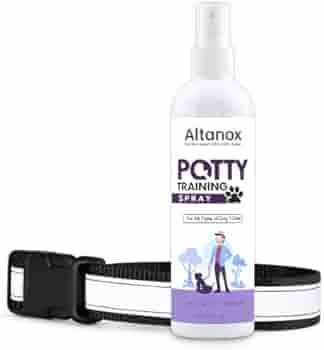
Are you struggling to get your cat to use the litter box consistently? You’re not alone.
Many cat owners face this challenge and wonder if there’s an easy solution to guide their furry friend’s bathroom habits. One popular idea you might have heard about is a potty training spray for cats. But does it really work?
Can a simple spray change your cat’s behavior and make potty training easier? Keep reading to discover how these sprays work, whether they’re effective, and how they might help you and your cat enjoy a cleaner, stress-free home.
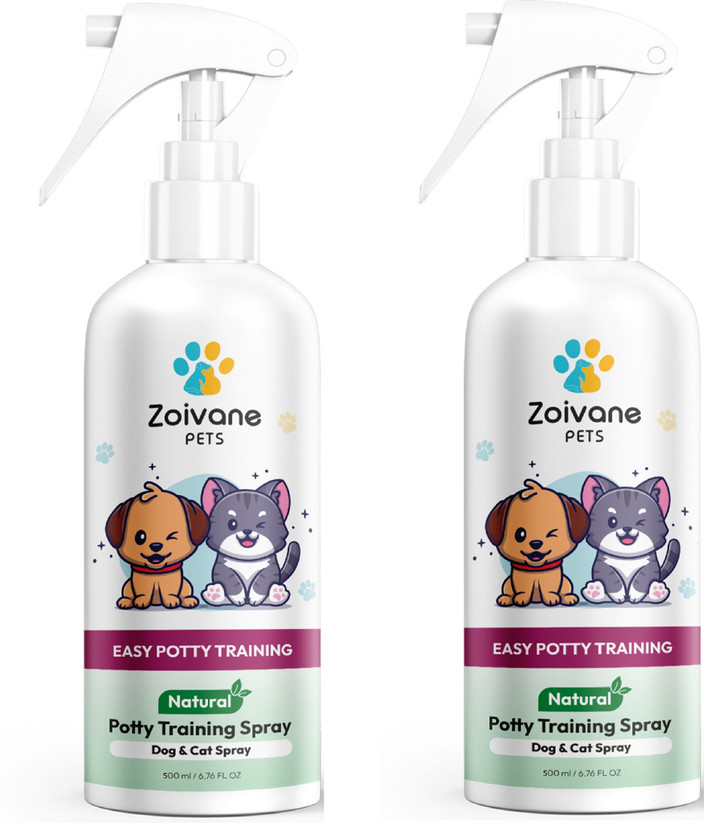
Credit: www.flipkart.com
Why Cats Resist Litter Boxes
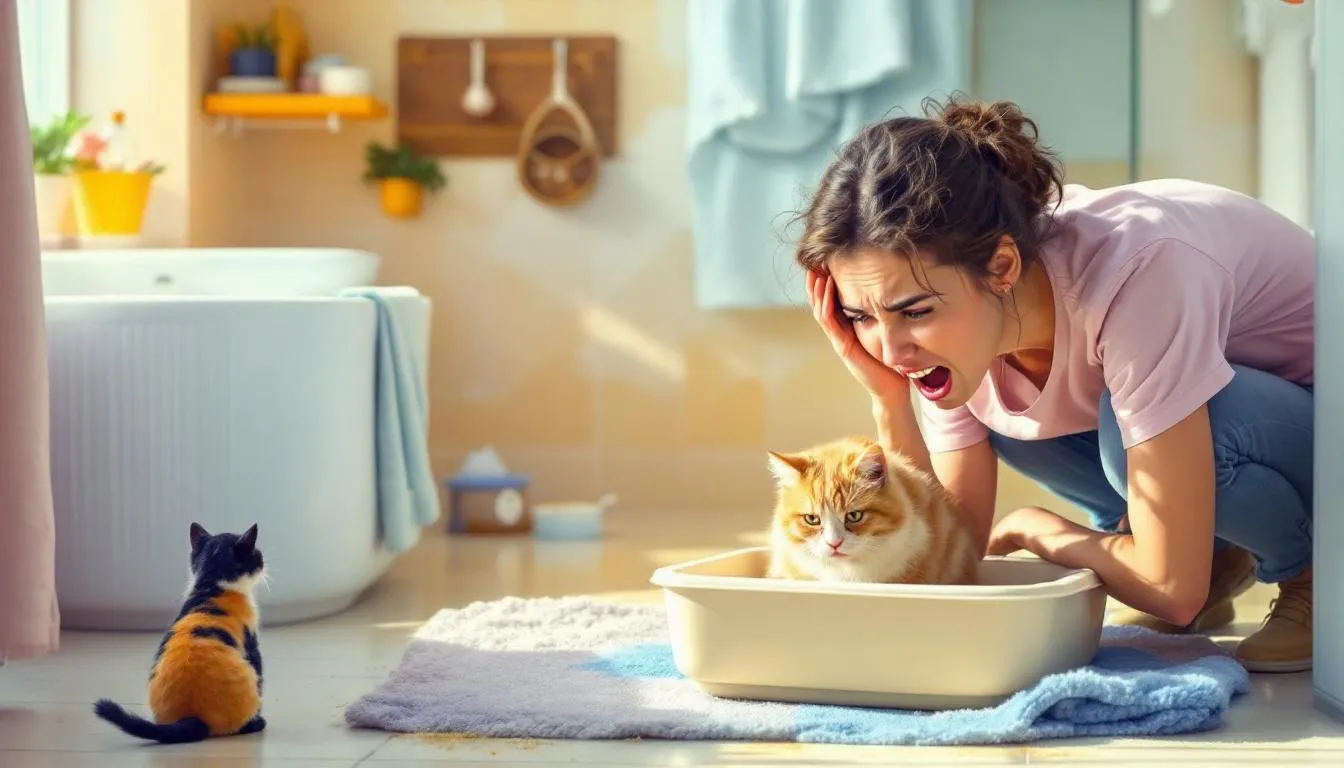
Cats sometimes avoid their litter boxes for several reasons. Understanding why helps solve this common problem. Cats are sensitive creatures with specific needs and habits. If their litter box does not meet these needs, they may refuse to use it. This section explores the main causes behind this behavior. Recognizing these causes can guide better training and care.
Common Behavioral Reasons
- Cats dislike dirty litter boxes. They prefer cleanliness.
- Boxes placed in noisy or busy areas cause stress.
- New cats or changes in the home can create anxiety.
- Cats may mark territory outside the box.
- Some cats dislike the type of litter used.
- Uncomfortable box size or shape can deter use.
- Previous bad experiences with the box cause avoidance.
Health Issues Affecting Training
- Urinary tract infections cause pain during urination.
- Kidney problems may increase urination frequency.
- Arthritis can make entering or exiting the box painful.
- Digestive problems may cause sudden changes in habits.
- Parasites or other illnesses affect bathroom behavior.
- Stress from health issues leads to litter box avoidance.
How Potty Training Sprays Work
Potty training sprays help guide cats to use the right spot for their bathroom needs. They work by using scents that either attract or repel cats. These scents influence a cat’s natural instincts and behaviors. The sprays encourage cats to use a specific area or avoid certain places. Understanding the ingredients in these sprays can help you choose the best one for your cat.
Ingredients That Attract Cats
Some sprays contain ingredients that cats find appealing. These scents encourage cats to visit and use the area sprayed. Common attractants include:
- Catnip extract – stimulates curiosity and comfort
- Silver vine – a natural attractant similar to catnip
- Valerian root – known to relax cats and draw them in
- Feliway – a synthetic pheromone that creates a sense of security
These ingredients make the spray area inviting for cats. They help redirect cats to use the litter box or a designated potty spot.
Ingredients That Repel Cats
Other sprays contain ingredients that cats dislike. These scents prevent cats from visiting or marking certain areas. Common repellents include:
- Citrus oils – cats usually dislike lemon or orange scents
- Eucalyptus – a strong smell that cats avoid
- Lavender – can deter cats from specific spots
- Vinegar – a sharp odor that cats find unpleasant
Repellent sprays help keep cats away from furniture or unwanted areas. They support training by discouraging bad habits and marking behavior.
Types Of Potty Training Sprays
Cats are clever creatures, but potty training can be challenging. Potty training sprays can help guide them. These sprays can either attract cats to the right spot or deter them from inappropriate areas. Knowing which type suits your needs can make training easier.
Attractant Sprays
Attractant sprays guide cats to their litter box. They contain scents that mimic pheromones. Cats find these scents appealing. This encourages them to use the designated potty area. Simply spray in the litter box or on training pads.
These sprays are convenient. They help reinforce good habits. With regular use, your cat learns where to go. It’s a helpful tool in your training kit.
Deterrent Sprays
Deterrent sprays keep cats away from unwanted areas. They have smells cats dislike. Applying them to furniture or floors helps prevent marking or accidents. These sprays are useful for discouraging bad behaviors. They are easy to use. Just spray on areas where your cat should not go.
Deterrent sprays protect your home. They help maintain clean spaces. Your cat learns to avoid those spots. It’s a straightforward solution to prevent potty mishaps.
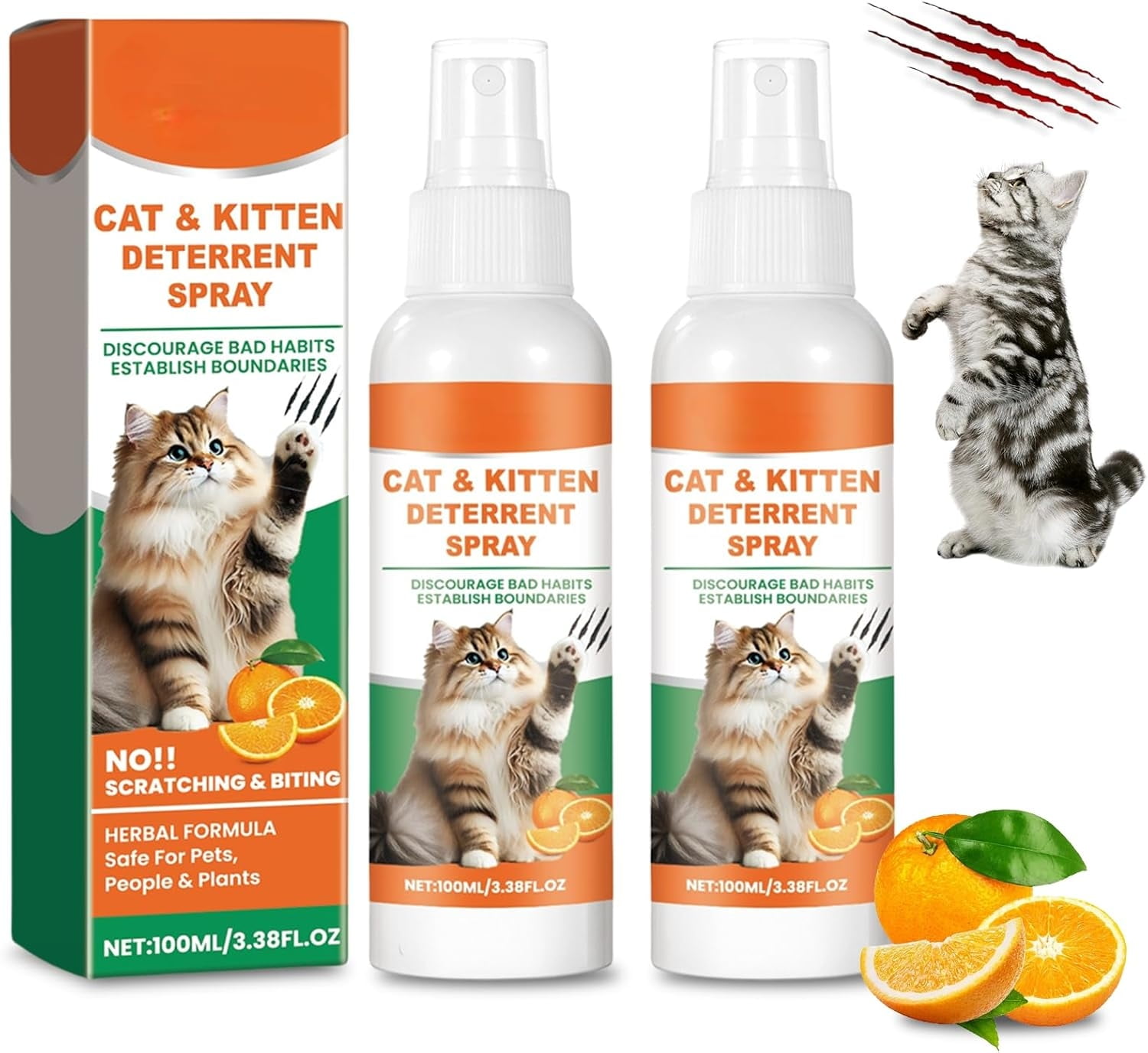
Credit: www.walmart.com
Choosing The Right Spray For Your Cat
Choosing the right potty training spray for your cat is a crucial step toward effective litter habits. Not all sprays work the same for every cat, so understanding your cat’s unique needs makes a big difference. The right spray can encourage positive behavior and avoid frustration for both you and your feline friend.
Assessing Your Cat’s Behavior
Before buying a spray, observe how your cat currently behaves around the litter box. Does your cat avoid certain areas or show signs of stress? Some cats react strongly to smells, while others may ignore sprays entirely.
Think about whether your cat is more motivated by attractive scents or deterrents that keep them away from unwanted spots. If your cat is shy or anxious, a calming spray might help more than a strong-smelling deterrent. Have you noticed any patterns in where your cat chooses to go? This insight helps you pick a spray that targets those specific behaviors.
Considering Safety And Ingredients
Safety should be your top priority when selecting a potty training spray. Cats are sensitive creatures, so avoid sprays with harsh chemicals or artificial fragrances that could irritate their skin or respiratory system.
Look for sprays made with natural ingredients like herbs or essential oils known to be safe for cats. Check product labels carefully and research any unfamiliar components. Have you ever seen your cat react negatively to certain scents or cleaning products? Use that knowledge to steer clear of harmful sprays.
Always test the spray on a small area first and watch for any adverse reactions. A safe spray not only supports training but also keeps your cat happy and healthy in the long run.
Applying Potty Training Sprays Effectively
Applying potty training sprays effectively can make a big difference in how quickly your cat learns to use the litter box. These sprays work by encouraging your cat to associate a specific area with bathroom habits. But to get the best results, you need to apply them correctly and consistently.
Best Practices For Use
- Choose the right spray:Look for sprays designed specifically for potty training, not just general odor eliminators. Some contain attractants that encourage cats to use the spot.
- Clean the area thoroughly first:If your cat has already gone outside the litter box, clean that spot well before applying the spray. This prevents mixed signals.
- Apply directly to the litter or training mat:Spray the product evenly to cover the desired area without soaking it. Too much liquid can deter your cat.
- Reapply regularly:Most sprays lose effectiveness after a few days. Keep a schedule to refresh the scent and maintain your cat’s interest.
- Combine with positive reinforcement:Reward your cat when they use the sprayed area correctly. This strengthens the connection between the spray and good behavior.
Common Mistakes To Avoid
- Ignoring cleaning first:Applying spray over old urine or feces smells will confuse your cat and might make the problem worse.
- Overusing the spray:Using too much spray can repel your cat instead of attracting them. Less is often more.
- Using the wrong type of spray:Avoid sprays with harsh chemicals or strong perfumes that your cat might dislike.
- Not being patient:Expecting immediate results can lead to frustration. Some cats take time to adjust to the new scent and routine.
- Failing to address other issues:Sometimes litter box avoidance is due to health problems or litter preferences. Don’t rely on sprays alone if your cat seems stressed or uncomfortable.
Have you noticed a difference when you changed how you applied the spray? Sometimes small adjustments can lead to big improvements. Try experimenting with placement and frequency to find what works best for your cat’s unique habits.
Additional Tips For Successful Potty Training
Potty training a cat needs patience and care. Small changes can make a big difference. These additional tips help build good habits and keep your cat comfortable. Focus on creating the right space and encouraging good behavior.
Creating A Comfortable Litter Environment
Choose a quiet spot for the litter box. Cats like privacy while doing their business. Keep the box clean by scooping it daily. Use litter your cat prefers, like clumping or non-clumping. Avoid strong scents that may repel your cat. Place the box on a flat surface to avoid tipping. Provide enough boxes if you have multiple cats. A good rule is one box per cat plus one extra.
Positive Reinforcement Techniques
Reward your cat after using the litter box. Use treats, gentle petting, or soft praise. Avoid punishment; it can cause fear or confusion. Watch for signs of progress and celebrate small wins. Consistency helps your cat learn faster. Try to keep feeding and litter times regular. Positive reinforcement builds trust and good habits.
When To Seek Professional Help
Knowing when to seek professional help is key in potty training your cat. Some issues go beyond simple training sprays or home remedies. Recognizing these moments can save your cat from discomfort and prevent bad habits from forming.
Ignoring problems might make them worse. Early action helps your cat stay healthy and happy. Professionals have the skills to diagnose and treat underlying problems that you might miss.
Signs Of Medical Problems
- Sudden changes in urination habits
- Frequent accidents outside the litter box
- Visible signs of pain during urination
- Blood in urine or stool
- Excessive licking of genital area
- Loss of appetite or lethargy
- Strong or unusual odor in urine
These signs may point to infections or other health issues. Acting quickly can prevent serious conditions.
Consulting A Veterinarian Or Behaviorist
A veterinarian can rule out medical causes. They provide treatments for infections or urinary problems.
Animal behaviorists focus on habits and environment. They help identify stress or anxiety triggers. Professionals offer tailored advice for your cat’s unique needs. Their guidance improves training success and your cat’s well-being.

Credit: www.amazon.in
Frequently Asked Questions
What Is A Potty Training Spray For Cats?
A potty training spray is a product that helps train cats to use a specific area. It contains scents that attract cats to their litter box or designated spot. This makes it easier to prevent unwanted urination around the house.
How Does A Cat Potty Training Spray Work?
The spray uses natural or synthetic pheromones that appeal to cats. These scents encourage cats to mark or use the sprayed area. It helps guide cats to their litter box, reducing accidents and promoting good bathroom habits.
Are Potty Training Sprays Safe For Cats?
Yes, most potty training sprays are made with pet-safe ingredients. They are non-toxic and designed specifically for cats. Always check the label and avoid products with harmful chemicals to ensure your cat’s health and safety.
Can Potty Training Sprays Stop Cats From Spraying Indoors?
Potty training sprays can help reduce indoor spraying by redirecting cats. However, they work best combined with other training methods. Addressing stress or territorial issues is also important for long-term success.
Conclusion
Potty training sprays for cats can help guide their behavior. These sprays often use scents cats like or dislike to encourage using the litter box. Results may vary with each cat’s personality. Patience and consistency remain key to success. Combining sprays with good litter box habits works best.
Remember, every cat learns in its own time. Keep trying different methods if one does not work. Training your cat takes care and attention, but it is possible.

Leave a Reply