If you have a cat, you know that keeping their litter box clean is one of your top priorities. But how often should you really change the cat litter box to keep your furry friend happy and your home fresh?
You might be surprised how much it impacts your cat’s health and behavior. You’ll discover simple tips and expert advice on the perfect cleaning schedule. By the end, you’ll know exactly when and how to change the litter box to make life easier for both you and your cat.
Keep reading to unlock the secrets to a cleaner, happier home!
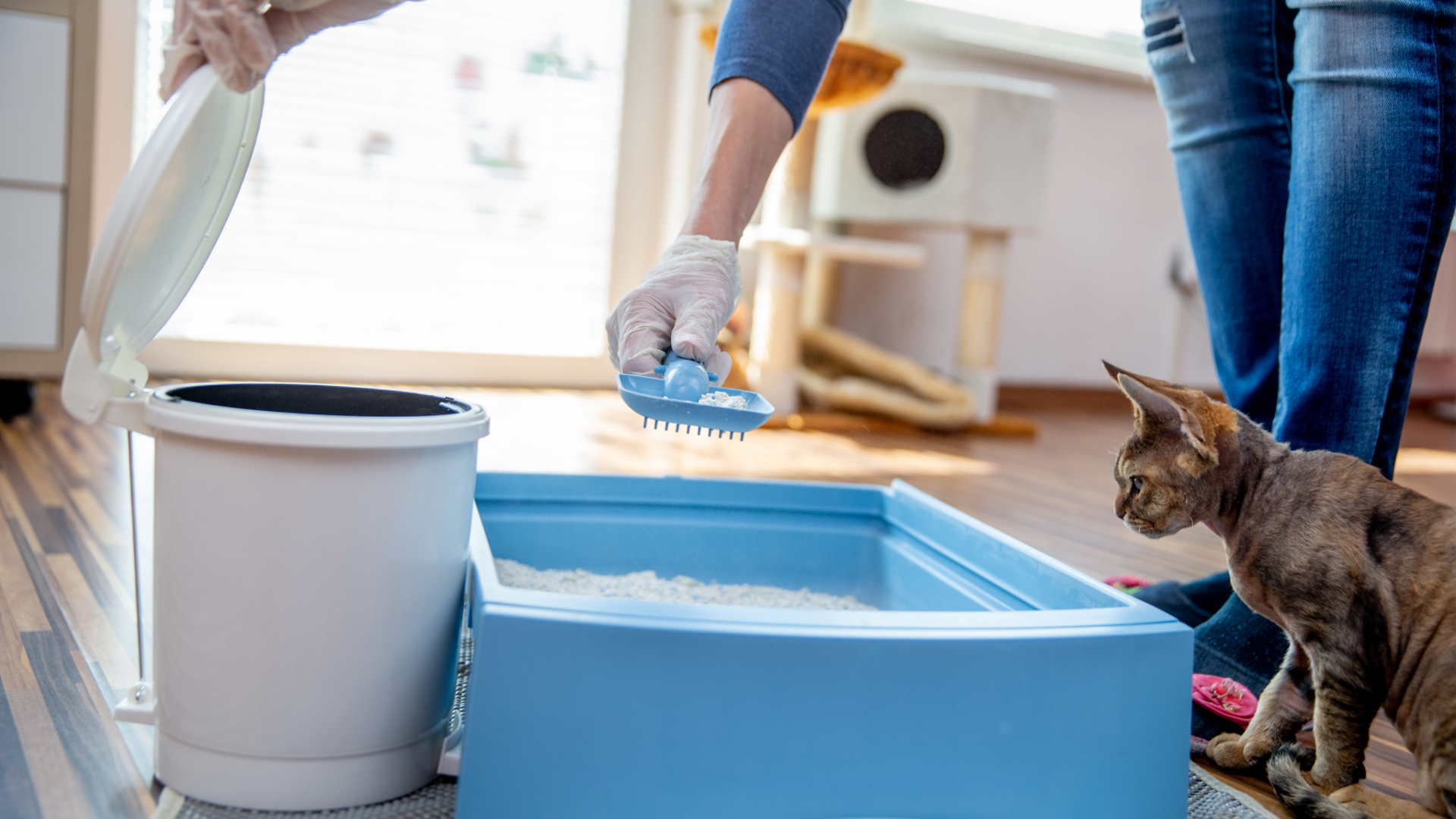
Credit: www.petsradar.com
Frequency Of Changing Cat Litter
Knowing how often to change your cat’s litter box is key to keeping your home fresh and your feline friend happy. The frequency depends on several factors, including the type of litter, number of cats, and your cat’s habits. Let’s break down what you need to do daily, weekly, and what might affect these routines.
Daily Scooping Benefits
Removing waste from the litter box every day keeps odors under control and makes your cat more likely to use the box consistently. It also helps prevent the buildup of bacteria and keeps the litter fresher for longer. From personal experience, scooping daily has made a noticeable difference in my home’s smell and my cat’s comfort.
Daily scooping takes just a few minutes but can save you from bigger cleaning jobs later. It’s a simple habit that supports both hygiene and your cat’s well-being.
Weekly Full Litter Replacement
Even with daily scooping, it’s important to completely change out the litter at least once a week. This refreshes the box and removes any lingering odors or dirt that scooping alone can’t fix. If you use clumping litter, a full replacement once a week usually keeps the box in great shape.
Some cat owners may find they need to replace litter more often if odors persist or if the box looks dirty despite scooping. If you have multiple cats, a weekly full change might feel like a chore, but it’s essential for their health and your home’s cleanliness.
Factors Influencing Change Frequency
How often you change the litter depends on several things:
- Number of cats:More cats mean more waste, requiring more frequent cleaning and litter changes.
- Type of litter:Some litters control odor better and last longer, while others need to be changed more often.
- Cat’s habits:Some cats are messier or more sensitive to dirty litter, pushing you to clean more frequently.
- Litter box size and type:Smaller boxes fill up faster; covered boxes might trap odors more, affecting change frequency.
Ask yourself: Are you noticing odors or your cat avoiding the box? These signs suggest it’s time to clean more often. Adjusting your schedule based on your unique situation will keep your cat happy and your home fresh.

Credit: perfectpetzzz.com
Types Of Cat Litter And Their Impact
Choosing the right type of cat litter affects how often you need to clean the litter box. Different litters absorb waste and control odor in unique ways. The litter type also impacts how easy it is to maintain a fresh box.
Understanding the differences between litter types helps keep your home clean and your cat happy. It also guides how frequently you should change the litter.
Clumping Vs Non-clumping Litter
Clumping litter forms solid clumps when wet. It makes scooping urine and feces easier. This type usually requires changing the entire box less often.
Non-clumping litter absorbs moisture but does not form clumps. It may need full replacement more often to avoid bad smells. Non-clumping litter can be better for cats with sensitive paws.
Natural And Biodegradable Options
Natural litters use materials like corn, wheat, or wood. They break down in compost or landfills faster than clay litters. These options are safer for the environment.
Biodegradable litters often need changing more frequently. They absorb less liquid than clay-based litters. However, natural litters may reduce dust and allergies for cats.
Odor Control Capabilities
Strong odor control can reduce how often you must clean the box. Some litters contain baking soda or activated charcoal. These ingredients help absorb and neutralize smells.
Litters with poor odor control need more frequent changes. Odors can make the home unpleasant and may bother your cat. Picking a litter with good odor control keeps the area fresh longer.
Number Of Cats And Litter Maintenance
The number of cats in your home greatly affects litter box maintenance. Each cat produces waste, which impacts how often the litter needs cleaning. Keeping the litter box clean prevents odors and keeps cats happy. Adjusting the cleaning schedule based on how many cats you have is key to good hygiene. This section explains how to manage litter boxes for different household sizes.
Single Cat Households
For one cat, scooping the litter box daily is essential. Remove solid waste and clumps every day to keep the box fresh. Fully change the litter and clean the box with soap once a week. This routine prevents bad smells and keeps your cat comfortable. Single cats usually do not need multiple boxes, but keep the area tidy.
Multi-cat Homes
Homes with two or more cats need more frequent cleaning. Scoop each litter box twice a day if possible. Waste builds up faster with more cats, causing odors and discomfort. Provide one litter box per cat, plus one extra box to reduce crowding. Change the litter fully and wash the boxes every week or every few days if needed.
Adjusting Cleaning Schedule
Watch your cats’ behavior to adjust cleaning times. If they avoid the box, clean more often. Strong odors signal a need for faster cleaning or more litter boxes. Use clumping litter to make scooping easier and quicker. Clean boxes regularly with mild detergent to remove bacteria. A clean box encourages proper use and keeps your home fresh.
Credit: www.purina.com
Health And Hygiene Considerations
Keeping a cat’s litter box clean is vital for health and hygiene. A clean litter box prevents disease and promotes a pleasant environment. Regular maintenance ensures your cat’s well-being and your home’s cleanliness.
Preventing Odors And Bacteria
Odors can quickly develop in a dirty litter box. Regular cleaning reduces smells and keeps the area fresh. Bacteria thrive in unclean litter, posing health risks to both cats and humans. Changing litter frequently minimizes these risks.
Monitoring Cat Health Through Litter Box
The litter box can indicate your cat’s health status. Unusual waste or behavior could signal health issues. Regularly changing the litter helps you notice these signs early. Prompt detection leads to timely veterinary care.
Allergy And Sensitivity Issues
Dust and scents from the litter may cause allergies. This affects both cats and their owners. Choosing low-dust, unscented litter can reduce allergic reactions. Regular changes prevent buildup of irritating substances.
Tips For Easy Litter Box Cleaning
Keeping the cat litter box clean makes life easier for both you and your cat. A tidy box helps control odors and keeps your cat healthy. Simple tips and routines can make cleaning quick and less messy. The right tools and good habits make all the difference. Follow these easy tips for a fresh litter box every day.
Tools And Supplies Needed
- Scoop with slotted holes to remove clumps
- Trash bags for disposing of waste
- Mild soap or pet-safe cleaner for washing
- Paper towels or cloth for wiping
- Gloves to protect your hands
- Optional: Baking soda to reduce odor
Best Cleaning Practices
- Scoop waste daily to keep the box fresh
- Change all litter at least once a week
- Wash the box with mild soap before adding new litter
- Dry the box completely to prevent mold
- Use gloves to avoid germs and smells
- Sprinkle a small amount of baking soda for odor control
Maintaining Litter Box Longevity
- Choose a durable litter box material like plastic
- Avoid harsh chemicals that can damage the box
- Clean regularly to prevent stains and odors
- Replace the box every 6 to 12 months
- Check for cracks or rough spots that harm your cat’s paws
- Use liners to keep the box cleaner longer
Frequently Asked Questions
How Often Should I Scoop The Cat Litter Box?
Scoop the litter box daily to keep it clean and odor-free. Frequent scooping prevents bacterial growth and keeps your cat healthy.
When Should I Completely Change The Cat Litter?
Change the entire litter every 1-2 weeks. This depends on the number of cats and litter type used.
Can Infrequent Litter Changes Harm My Cat?
Yes, infrequent changes cause odor and bacteria buildup. This can stress your cat and cause health issues.
What Is The Best Litter For Easy Cleaning?
Clumping litter is best for easy scooping and cleaning. It helps remove waste quickly and keeps the box fresh.
Conclusion
Changing the cat litter box often keeps your home clean and fresh. Scoop out waste daily to stop bad smells and germs. Replace all the litter every one to two weeks, depending on use. Clean the box with soap and water during changes.
Healthy cats prefer a tidy, comfortable space. Regular care also helps avoid litter box problems. Keep your cat happy by staying on top of litter cleaning. Simple steps make a big difference for you and your pet. A clean litter box is key to a happy cat.

Leave a Reply