
Getting your cat to use an automatic litter box can feel like a challenge. You want to make life easier for both you and your furry friend.
But how do you help your cat adjust to this new gadget without stress? If you’ve ever worried about your cat refusing to use the automatic litter box, you’re not alone. This guide will walk you through simple, effective steps to encourage your cat to embrace the change.
Keep reading, and you’ll discover how to turn this transition into a smooth experience for your pet—and enjoy a cleaner, hassle-free home.
Choosing The Right Litter Box
Choosing the right automatic litter box is key to helping your cat adjust quickly. The perfect box fits your cat’s size, preferences, and your home environment. Picking the right type, size, and noise level makes the switch easier for your pet.
Types Of Automatic Litter Boxes
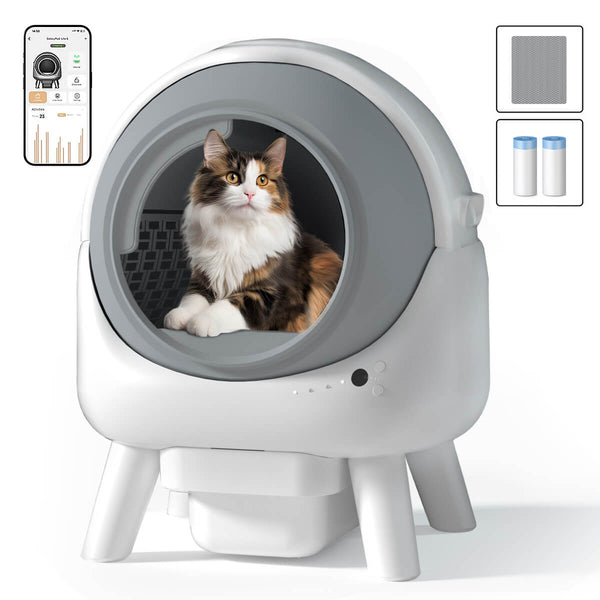
Several types of automatic litter boxes exist. Some use a rake system to scoop waste after your cat finishes. Others rotate or sift the litter to separate waste. Self-cleaning trays use disposable liners for simple cleanup. Each type works differently, so choose one that suits your cat’s habits.
Size And Design Considerations
Pick a litter box big enough for your cat to move comfortably. Small boxes can make cats feel trapped or stressed. Look for models with high sides if your cat tends to kick litter. Open designs help shy cats feel less confined. Check the entrance height for older or small cats.
Noise Levels And Sensitivity
Automatic litter boxes make noise during cleaning. Some are quieter than others. Cats can get scared by loud or sudden sounds. Find a model with adjustable sensitivity to avoid activating while your cat is inside. Quiet and gentle operation helps your cat feel safe and relaxed.

Credit: www.youtube.com
Preparing Your Cat
Preparing your cat for an automatic litter box takes patience and care. Cats like routine. Sudden changes can confuse or scare them. Helping your cat adjust smoothly makes the switch easier. This preparation builds trust and comfort with the new box.
Introducing The Litter Box Gradually
Start by placing the automatic box near the old one. Let your cat explore it without pressure. Keep both boxes available for a few days. Watch how your cat reacts and uses each box. This slow introduction helps reduce fear or stress.
Placing The Box In A Comfortable Spot
Choose a quiet and private area for the new litter box. Avoid busy or noisy places. Cats need calm spaces to feel safe. Make sure the spot is easy to reach at all times. This encourages your cat to use the box confidently.
Maintaining Familiar Litter
Use the same type of litter inside the automatic box. Cats prefer familiar smells and textures. Changing litter suddenly may cause rejection. Gradually mix a small amount of new litter if needed. Keeping litter consistent helps your cat accept the new box quickly.
Training Techniques
Introduce the cat to the automatic litter box slowly, letting them explore it at their own pace. Reward the cat with treats or praise when they approach or use the box. Keep the area clean and quiet to help the cat feel comfortable and safe.
Training your cat to use an automatic litter box can be an exciting endeavor. It involves patience, understanding, and a few clever tricks up your sleeve. As you embark on this journey, you’ll find that a little bit of training can go a long way in ensuring a smooth transition for your feline friend. Let’s dive into some effective training techniques to make this process easier and more rewarding for both you and your cat.Using Positive Reinforcement
Positive reinforcement is a powerful tool in any training regime. Reward your cat with treats or affection whenever they show interest in the automatic litter box. This reinforces the idea that the new litter box is a positive place. You can start by placing treats near the box, gradually moving them closer. Whenever your cat approaches the box on their own, give them a treat or some extra cuddles. Over time, your cat will associate the automatic litter box with positive experiences.Encouraging Exploration
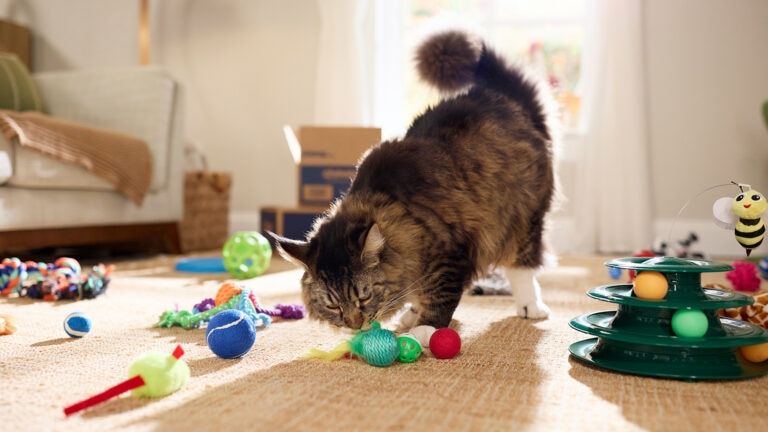
Cats are naturally curious creatures. Encourage your cat to explore the automatic litter box by leaving the lid open or placing familiar items around it. This can include their favorite toys or a blanket they often nap on. Allow your cat to sniff and investigate the new addition to their environment without pressure. You might even catch them pawing around the edges, showing their growing comfort. By allowing them to explore at their own pace, you’re setting the stage for a smooth transition.Establishing A Routine
Cats thrive on routine. Establishing a consistent schedule can help your cat adapt to the new litter box. Try to keep feeding times, play sessions, and litter box visits regular. When your cat uses the automatic litter box, make it a part of their daily routine. Consistency will help reduce any anxiety your cat might feel about the change. Have you noticed how your cat seems to know when it’s time for dinner? The same applies here—routine brings comfort. Training your cat to use an automatic litter box might require some patience, but the reward is well worth the effort. What techniques will you try today?
Credit: www.elspet.com
Troubleshooting Common Issues
Getting your cat comfortable with an automatic litter box can sometimes come with a few bumps. Troubleshooting these common issues helps you create a smoother transition for your feline friend. Understanding the root of the problem lets you make small changes that lead to big improvements in your cat’s behavior and comfort.
Addressing Fear Or Anxiety
Many cats feel uneasy around automatic litter boxes because of the unfamiliar noises or movement. You can help by placing the box in a quiet, low-traffic area to reduce stress. Try running the box on a manual setting or turning it off at first so your cat can explore without surprises.
Using treats and gentle praise when your cat approaches the box encourages positive associations. Have you noticed your cat freeze or avoid the area entirely? That’s a clear sign to slow down and give them time to adjust at their own pace.
Dealing With Accidents
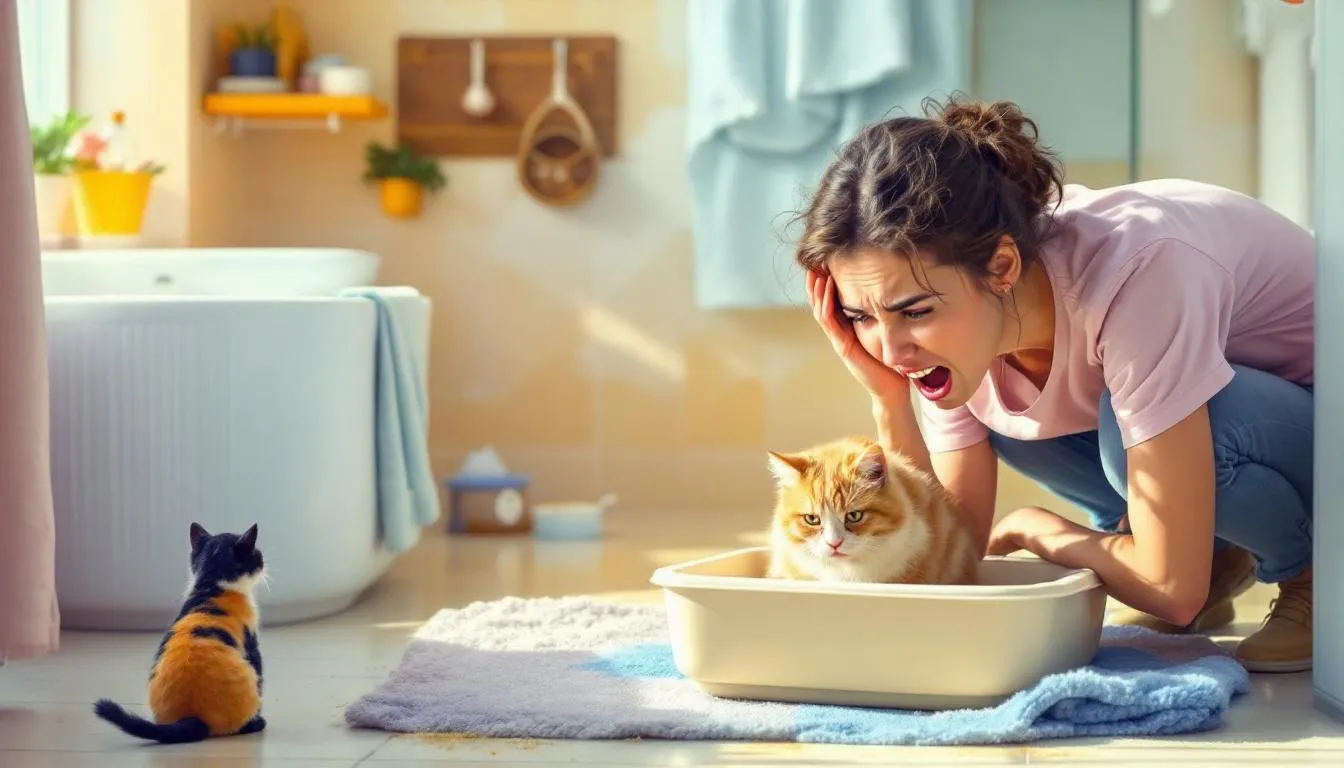
Accidents outside the litter box can be frustrating but often point to specific issues. Check that the box is cleaned regularly; cats dislike using dirty litter, especially in an automatic box. Also, make sure the litter type inside the box matches your cat’s preferences—some cats are picky about texture and scent.
If your cat seems hesitant, try placing an additional traditional litter box nearby temporarily. This gives them options and reduces stress. Remember, accidents can signal confusion, so patience and consistency are key.
When To Seek Veterinary Advice
Persistent refusal to use the automatic litter box might indicate health problems like urinary tract infections or arthritis. If your cat suddenly stops using any litter box or shows signs of pain, a vet visit is necessary. Early diagnosis can prevent discomfort and improve your cat’s quality of life.
Have you observed any changes in your cat’s behavior beyond litter box issues? Sharing these details with your vet can help identify underlying causes faster. Your cat’s health is the foundation for successful litter box training.
Maintenance Tips
Keeping your cat’s automatic litter box in good shape is key to its success. Regular maintenance helps the box work smoothly and keeps your cat happy. Cleanliness and proper care encourage your cat to keep using it. Simple upkeep steps prevent problems and extend the device’s life.
Cleaning The Litter Box Regularly
Remove waste daily to avoid odors and mess. Wipe down surfaces with mild soap and water weekly. Avoid harsh chemicals that can harm your cat or the machine. Clean the sensors carefully to keep them working well. A clean box feels fresh and inviting for your cat.
Checking For Mechanical Issues
Listen for unusual sounds that may signal a problem. Inspect moving parts for dirt or debris that block motion. Ensure the power supply and connections are secure. Test the automatic scoop function regularly. Fix small issues early to avoid bigger repairs.
Replacing Litter And Filters
Use the recommended litter type for best results. Change the litter completely every week or as needed. Replace filters according to the manufacturer’s schedule. A fresh filter helps control odor and dust. Clean litter and filters create a healthier environment for your cat.
Credit: www.elspet.com
Frequently Asked Questions
How To Introduce A Cat To An Automatic Litter Box?
Start by placing the automatic litter box near the old one. Let your cat explore it without pressure. Gradually encourage use by transferring some litter from the old box. Praise and reward your cat when it uses the new box to build positive association.
How Long Does It Take For Cats To Adapt?
Most cats adapt within one to two weeks. Some may take longer, especially if they dislike change. Be patient, and keep the environment calm. Avoid forcing your cat to use the box to prevent stress or anxiety.
What If My Cat Refuses The Automatic Litter Box?
Check if the box is clean and functioning properly. Ensure the litter type suits your cat’s preference. Try gradual introduction or consult a vet if refusal continues. Sometimes, a different model or manual box works better.
How To Maintain An Automatic Litter Box For Cats?
Clean the box regularly according to manufacturer instructions. Remove waste promptly to keep the box odor-free. Use recommended litter types for optimal performance. Regular maintenance encourages your cat to continue using it consistently.
Conclusion
Getting your cat to use an automatic litter box takes time and patience. Start slow and let your cat explore the new box. Keep the area clean and quiet. Reward your cat with treats and praise for using the box.
Watch your cat’s behavior and adjust if needed. Most cats adapt well with gentle guidance. A happy cat means a happy home. Trust the process and enjoy the benefits of a cleaner litter routine. Small steps lead to success. Keep calm and stay consistent.

Leave a Reply