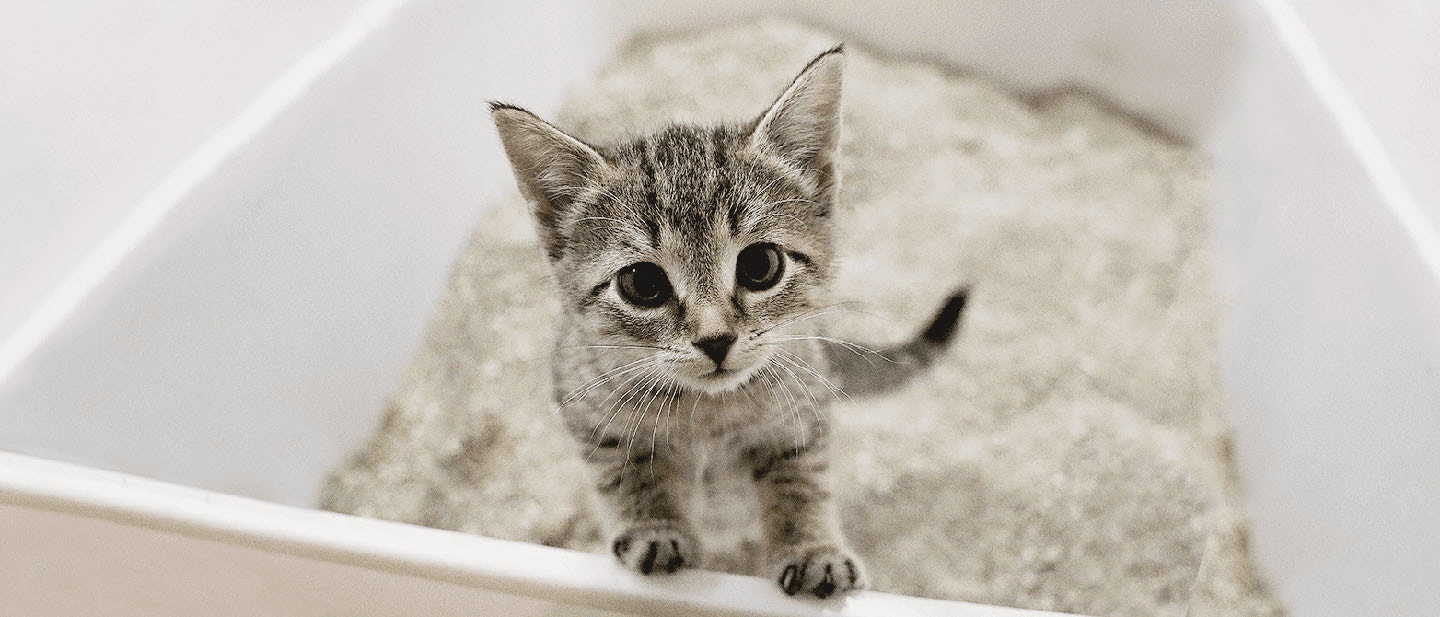
Potty training a cat might sound tricky, but it doesn’t have to be. If you want your home to stay clean and your kitty to feel comfortable, learning the right steps is key.
Imagine never having to worry about accidents or unpleasant surprises again. You’ll discover simple, effective tips that make potty training your cat easier than you think. Ready to turn your furry friend into a litter box pro? Keep reading, and you’ll find out exactly how to do it.

Credit: www.amazon.com
Choosing The Right Toilet Trainer
Choosing the right toilet trainer is key to making potty training smooth for both you and your cat. The right trainer fits your cat’s size and personality, which can make the process quicker and less stressful. Picking poorly might lead to frustration or setbacks, so it pays to think carefully about what suits your furry friend.
Types Of Toilet Training Kits
Toilet training kits come in various styles designed to ease your cat into using the human toilet. Some kits feature a removable tray that fits over the toilet bowl, filled with litter that gradually decreases over time.
Other kits have adjustable rings that help your cat balance as they learn to squat on the toilet seat. You’ll find kits with different materials—plastic trays, mesh inserts, or even training seats shaped like a cat toilet.
- Tray-style kits:These hold litter and can be removed step-by-step.
- Ring-style kits:Provide a stable platform for your cat to sit on the toilet.
- Mesh or perforated inserts:Encourage the cat to go through the holes, mimicking litter use.
Selecting Based On Cat’s Size And Temperament
Your cat’s size is a practical factor. A tiny kitten might struggle with larger trays or rings designed for adult cats. Conversely, a big cat may need a sturdier, wider seat to feel comfortable and safe.
Temperament plays a big role, too. If your cat is shy or nervous, a simple tray that feels familiar could work better than a complex ring setup. Bold cats might adapt quickly to different styles but make sure it doesn’t frighten or overwhelm them.
Ask yourself: Does your cat like exploring new things, or do they prefer sticking to what they know? This insight helps you pick a trainer that matches their personality and reduces anxiety during training.
Preparing Your Cat
Preparing your cat for potty training sets the foundation for success. Cats need a calm and familiar space to feel safe. Patience helps them learn new habits quickly. Understanding your cat’s nature makes the process easier. Start with the right setup and gentle encouragement.
Litter Box Placement
Choose a quiet, low-traffic area for the litter box. Avoid noisy or busy spots that might scare your cat. Keep the box away from their food and water bowls. Make sure the location is easy for your cat to reach at all times. A consistent spot helps your cat remember where to go.
Encouraging Litter Box Use
Show your cat the litter box as soon as you set it up. Gently place them inside after meals and naps. Praise them softly when they use the box correctly. Clean the box daily to keep it fresh and inviting. Avoid punishment; instead, reward good behavior with treats or petting.
Introducing The Training Seat
Introducing the training seat is a crucial step in potty training your cat. This special seat replaces the traditional litter box and gradually teaches your cat to use the toilet. Your cat needs time and patience to adjust to this new setup, but with consistent effort, it can become a smooth transition.
Familiarizing Your Cat With The Seat
Start by placing the training seat inside your cat’s regular litter box. This way, your cat sees it as part of their usual routine. Let your cat explore and sniff the seat without forcing interaction.
Try sprinkling some of your cat’s favorite litter on the training seat to encourage curiosity. You can also praise and reward your cat with treats when they show interest. This positive reinforcement helps build a good association.
Have you noticed how cats respond differently to new objects? Pay attention to your cat’s behavior and adjust the time you leave the seat in the litter box accordingly. Some cats need a few days, others longer.
Gradual Transition From Litter Box To Toilet
Once your cat is comfortable with the seat in the litter box, it’s time to move the seat to the toilet bowl. Initially, keep the seat at the same height as the litter box, so the change isn’t too abrupt.
Gradually raise the seat height over several days or weeks, depending on your cat’s comfort level. This slow adjustment helps your cat get used to jumping onto the toilet without stress.
During this phase, continue to add a small amount of litter to the training seat. This keeps the familiar scent and texture your cat associates with bathroom time.
Have you considered how your cat’s confidence plays a role here? If your cat seems hesitant, pause the height increase and give extra encouragement. Patience is key to avoid setbacks.
Step-by-step Training Process
Training your cat to use the toilet can be an exciting journey. This step-by-step process will guide you through the stages, making the transition smooth for both you and your feline friend. Each stage builds on the last, ensuring your cat feels comfortable and confident with the change.
Stage 1: Litter Box Next To Toilet
Start by placing your cat’s litter box next to the toilet. Allow your cat to get used to this new location for a few days. Observe their behavior to ensure they are comfortable with the change.
Stage 2: Litter Box On Toilet Seat
Once your cat is comfortable, move the litter box onto the toilet seat. This step helps your cat get used to jumping onto the toilet. Make sure the box is stable to prevent any accidents that could scare your cat.
Stage 3: Using Training Seat With Litter
Introduce a training seat designed for cats on the toilet. Fill it with litter to mimic the familiar environment. Gradually reduce the litter in the training seat, encouraging your cat to adapt to the new setup.
Stage 4: Reducing Litter Amount
Continue to decrease the amount of litter in the training seat. This helps your cat adjust to using less litter and prepares them for the final transition. Be patient and ensure your cat is comfortable at each stage.
Stage 5: Removing Training Seat
Finally, remove the training seat altogether. Your cat should now be comfortable using the toilet without any assistance. Celebrate this achievement, and enjoy the convenience of a litter-free home!
Handling Challenges
Potty training a cat can test your patience and creativity. Challenges are common, but they don’t have to derail your progress. Understanding how to handle setbacks will keep you on track and strengthen your bond with your feline friend.
Dealing With Accidents
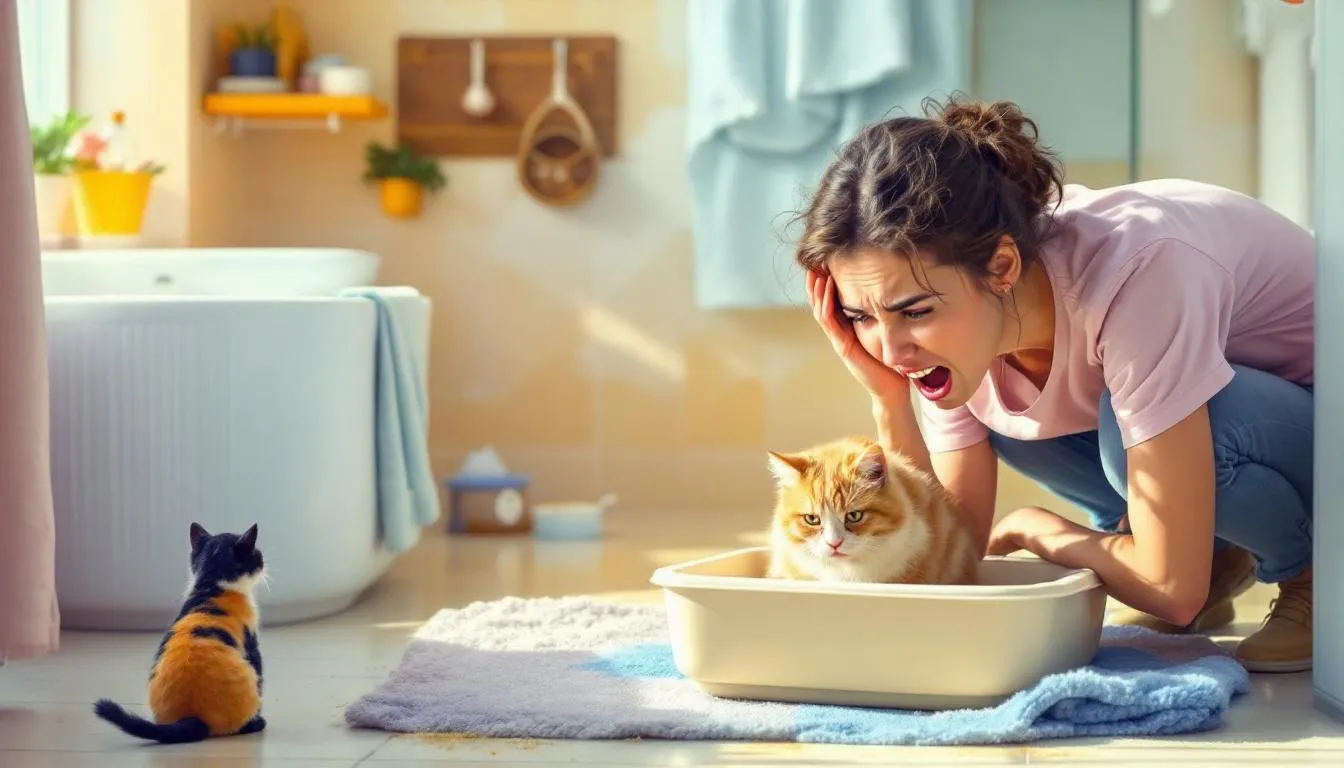
Accidents happen, especially in the early days of training. Instead of reacting with frustration, focus on cleaning the area thoroughly to remove any scent that might encourage repeat behavior.
Use an enzymatic cleaner designed for pet stains to eliminate odors. Avoid ammonia-based products, as they can mimic urine and confuse your cat.
If you catch your cat in the act, gently interrupt without scaring them and immediately place them in the litter box. This helps connect the dots between the act and the appropriate location.
Managing Cat’s Resistance
Some cats resist litter training due to fear or discomfort. Observe your cat’s reactions to the litter box setup—try different types of litter and box placements to find what they prefer.
If your cat avoids the box, consider whether it’s too noisy, too exposed, or if the box is hard to access. Moving it to a quiet, low-traffic area can make a big difference.
Patience and positive reinforcement work wonders. Reward your cat with treats or affection when they use the box correctly. Have you noticed what motivates your cat most?
Maintaining Hygiene
Maintaining hygiene is essential when potty training your cat. It keeps both your pet and your home clean, reducing the risk of unpleasant odors and health issues. Paying close attention to cleanliness helps your cat stay comfortable and encourages consistent toilet use.
Cleaning The Toilet Area
Regular cleaning of the toilet area is a must. Use mild, pet-safe cleaners to wipe down the seat and surrounding surfaces. Avoid harsh chemicals that might irritate your cat or discourage them from using the toilet.
Make cleaning a quick daily habit to prevent buildup of dirt and germs. If your cat has an accident, clean it immediately to avoid lingering smells. This also helps reinforce good potty behavior.
Keeping The Toilet Lid Up
Keeping the toilet lid up is crucial for your cat’s access and comfort. Cats need an open space to jump in and out easily without feeling trapped or stressed. Closing the lid can confuse your cat and might lead to accidents elsewhere.
Think about how you use the toilet yourself—would you feel comfortable if the lid was always closed? Your cat feels the same way. Make it a routine to keep the lid up whenever the toilet is designated for your cat’s use.
Tips For Success
Potty training a cat takes time and effort. Success depends on simple but important habits. Use clear routines and positive signals. Small steps lead to big results. Here are key tips to help your cat learn quickly.
Positive Reinforcement
Reward good behavior right away. Use treats, gentle petting, or soft praise. Cats respond well to kindness. This helps them know what you want. Avoid punishment. It causes fear and confusion. Make the litter box a happy place. Keep it clean and easy to find.
Patience And Consistency
Stay calm and steady. Cats learn best with regular routines. Take your cat to the litter box often. Do this especially after meals and naps. Be patient with accidents. Clean messes without scolding. Repeat the routine every day. Consistency builds trust and good habits.

Credit: www.youtube.com
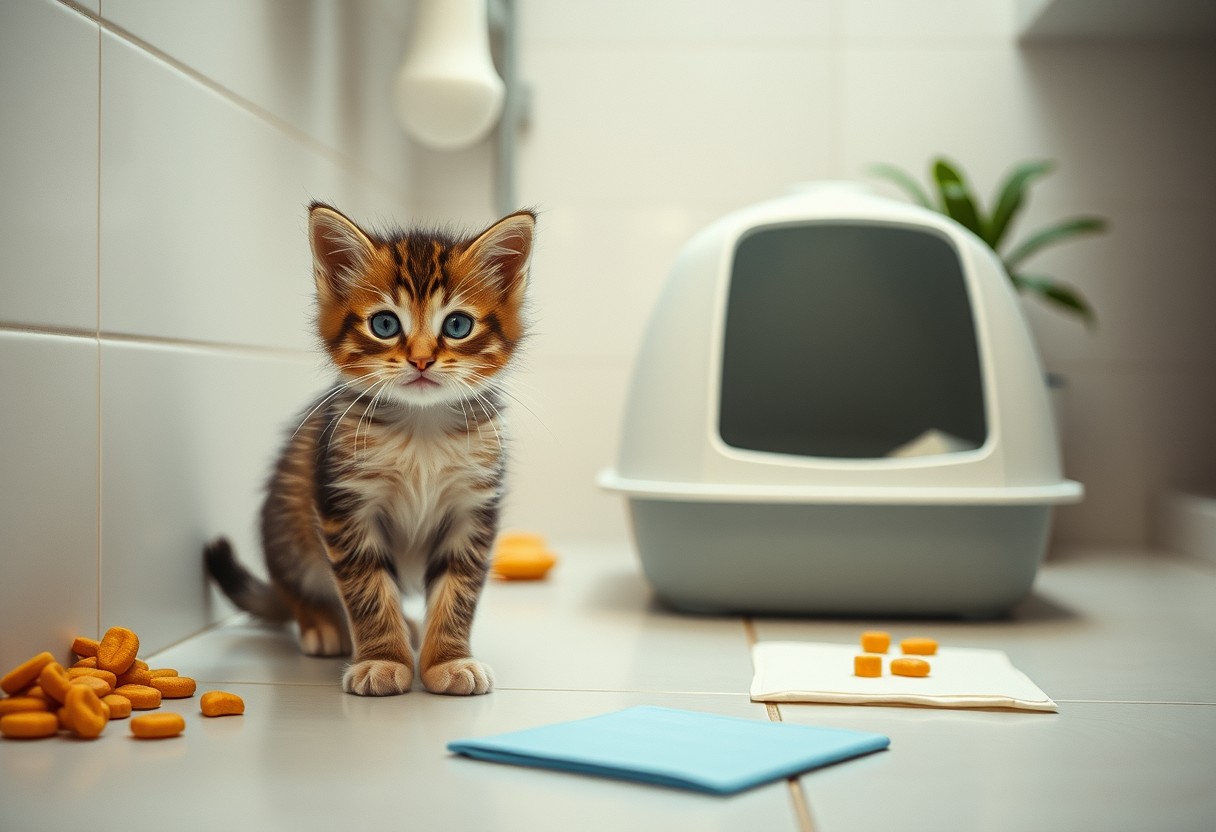
Credit: drpashu.com
Frequently Asked Questions
How Long Does It Take To Potty Train A Cat?
Potty training a cat usually takes 2 to 4 weeks. Consistency and patience are key. Regularly reward your cat for using the litter box. Progress depends on the cat’s age and temperament.
What Is The Best Litter For Potty Training Cats?
Clumping, unscented litter is best for potty training cats. It absorbs moisture well and is gentle on paws. Avoid scented or dusty litter to prevent discomfort or allergies.
Can I Potty Train An Adult Cat?
Yes, adult cats can be potty trained. It requires patience and gradual introduction to the litter box. Consistent routines and positive reinforcement help adult cats adapt quickly.
How Do I Stop My Cat From Avoiding The Litter Box?
Clean the litter box daily and place it in a quiet area. Avoid harsh cleaners and ensure the box is large enough. Address stress or medical issues if avoidance continues.
Conclusion
Potty training a cat takes time and patience. Start with a clean litter box in a quiet spot. Praise your cat when it uses the box. Watch for accidents and gently guide your cat back. Stay consistent with your routine every day.
Small steps lead to great progress. Soon, your cat will learn where to go. Enjoy a cleaner home and a happy pet. Keep calm and be patient. Success will come with love and care.

Leave a Reply