
Have you ever wondered why cats seem to take to the litter box almost naturally, while potty training a dog can feel like a long, frustrating battle? If you’ve tried teaching your dog where to go and found it challenging, you’re not alone.
Understanding why cats are easier to potty train than dogs can save you time, stress, and even some messes. You’ll discover the surprising reasons behind this difference and get tips to make training your furry friend smoother—whether you have a cat, a dog, or both.
Keep reading to unlock the secrets that can make your life with pets much easier.
Natural Instincts Of Cats
Cats have natural instincts that make potty training much smoother compared to dogs. These instincts guide their behavior around cleanliness and territory, helping them quickly learn where and how to relieve themselves. Understanding these instincts can give you an edge in training your feline friend effectively.
Self-cleaning Behavior
Cats are known for their meticulous grooming habits. They spend a significant part of their day licking themselves clean, which reflects their strong desire to stay tidy.
This self-cleaning behavior extends to their bathroom habits. Cats avoid soiling themselves, which motivates them to use a litter box promptly and consistently.
Have you noticed how quickly your cat cleans up after using the litter box? This natural drive reduces accidents around your home.
Burial Of Waste
One of the most distinctive instincts of cats is their habit of burying their waste. This behavior helps keep their environment clean and free from predators in the wild.
Because cats instinctively cover their urine and feces, they adapt easily to litter boxes filled with suitable materials. This makes training them to use a specific spot much easier.
Try providing different types of litter and observe which one your cat prefers to bury their waste. This simple trick can boost your success in potty training.
Territorial Marking
Cats mark their territory with scent, but they usually prefer to keep their main living area clean. They mark boundaries through scratching and rubbing rather than leaving waste around.
This behavior means cats are less likely to urinate or defecate in the wrong places once they understand the designated potty area. They want to keep their space neat and respected.
Have you ever noticed your cat scratching near the litter box or rubbing against nearby furniture? These are signs they recognize and respect their territory, making training easier.
Credit: pethero.co.za
Differences In Animal Behavior
Understanding the differences in animal behavior helps explain why cats are easier to potty train than dogs. Cats and dogs have unique instincts and habits that shape their bathroom routines. These natural tendencies influence how quickly and easily they learn where to go.
Cats’ Independent Nature
Cats are naturally independent animals. They prefer to take care of themselves without much help. This independence makes cats use a litter box instinctively. They bury their waste to hide their scent from predators. This behavior is strong and automatic.
Cats also like clean spaces. They avoid dirty areas and prefer to stay neat. This habit helps them learn to use a litter box quickly. They often choose the same spot for their bathroom needs. This consistency makes training easier.
Dogs’ Social Dependency
Dogs are social animals that rely on their human family. They look for guidance and approval from their owners. Dogs need more training and patience to learn bathroom rules. They do not have a natural instinct to bury their waste.
Dogs enjoy exploring outdoors and often mark territory with urine. This behavior can confuse potty training efforts. They also need scheduled bathroom breaks and reminders. This dependence means training takes more time and effort.
Litter Box Convenience
Cats naturally use litter boxes because they bury their waste, making potty training simpler. Their instinct to stay clean helps them learn quickly compared to dogs. This convenience saves time and effort for cat owners.
Cats have a reputation for being more independent, and when it comes to potty training, their natural instincts make the process smoother. Litter box convenience plays a crucial role in this ease of training. Unlike dogs, who need to be taken outside, cats can easily access their litter box indoors, providing both comfort and privacy.Accessibility And Setup
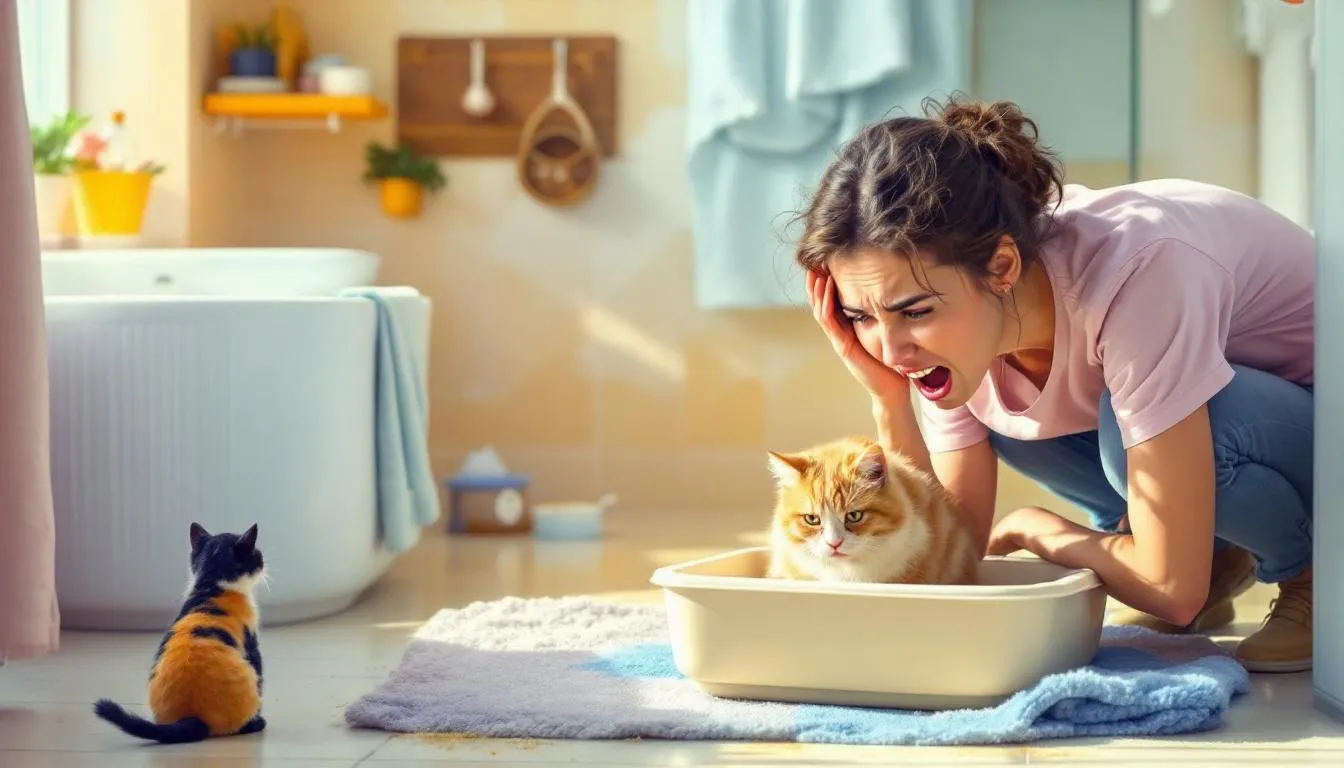
A litter box can be placed almost anywhere in your home, making it incredibly accessible for your feline friend. Consider a quiet corner or a low-traffic area where your cat feels safe. The setup is straightforward—just add some litter, and your cat’s instincts will guide them to use it. Cats naturally bury their waste, and the litter box setup mimics this behavior. You don’t need to guide them much; their instincts do the heavy lifting. Plus, you avoid the hassle of taking your pet outdoors multiple times a day.Consistency In Location
Keeping the litter box in a consistent location helps your cat feel secure. Cats are creatures of habit, and moving their litter box can confuse them. Once they know where to go, they’ll stick to it. Imagine if someone kept rearranging your bathroom. It would be disorienting, right? The same principle applies to cats. Ensure their litter box remains in a stable spot, and you’ll find that potty training becomes less of a chore. Have you tried moving your cat’s litter box before? What was the result? Stability and routine can significantly influence how quickly your cat adapts to using their litter box. By maintaining consistency, you make it easier for them—and for you.
Credit: pethero.co.za
Training Challenges With Dogs
Training dogs to use the bathroom in the right place can feel like a full-time job. Unlike cats, dogs don’t instinctively use a designated spot, which means you have to guide them patiently. Understanding the challenges you face with dogs helps set realistic expectations and improves your training approach.
Need For Frequent Outdoor Trips
Dogs need to go outside often, sometimes every couple of hours, especially when they are puppies. This means you have to be ready to stop whatever you’re doing and take them out. Missing these trips can lead to accidents inside the house, which can be frustrating for both you and your dog.
Think about your daily schedule. Are you able to commit to frequent outdoor breaks? If not, training your dog might take longer. Using a consistent routine helps your dog learn when and where to go.
Variability In Dog Breeds
Not all dogs learn at the same speed or have the same needs. Some breeds are more independent, while others need more attention and guidance. For example, smaller breeds often have smaller bladders and need to go out more often, making potty training more demanding.
Have you noticed how your dog’s breed affects their behavior? Tailoring your training to your dog’s breed and size can make the process smoother. Understanding these differences helps you avoid frustration and adapt your methods effectively.
Role Of Owner’s Involvement
The role of the owner’s involvement greatly affects how easy it is to potty train pets. Cats and dogs need different levels of attention and care during this process. Understanding these differences helps explain why cats are usually easier to potty train.
Time Commitment For Dogs
Dogs need more time and patience from owners. Owners must take dogs outside frequently. This can mean several times a day, especially for puppies. Consistent schedules are important to prevent accidents inside. Owners must watch dogs closely to learn their signals. Training requires active participation and reminders. Without enough time, dogs may have accidents or develop bad habits.
Minimal Supervision For Cats
Cats need much less supervision during potty training. They naturally use litter boxes without much prompting. Owners usually just need to provide a clean, accessible box. Cats instinctively bury their waste, which helps keep things tidy. This reduces the need for constant reminders or trips outside. Owners can trust cats to manage their own bathroom habits quickly. Less involvement means easier and faster training overall.
Health And Hygiene Factors
Health and hygiene play a big role in why cats are easier to potty train than dogs. Cats naturally keep themselves clean and avoid dirty places. This habit helps them learn to use the litter box quickly. Dogs, on the other hand, often create messes that are harder to manage. Understanding these habits explains the difference in potty training ease.
Cats’ Fastidiousness
Cats are very clean animals. They spend a lot of time grooming their fur. This behavior shows their natural desire to stay clean. Cats prefer a clean litter box and avoid soiling their living area.
- They bury their waste to hide smell and dirt.
- They dislike strong odors and dirty spots.
- This makes them more willing to use a designated potty area.
These habits make potty training simpler for cats. They learn to use the litter box quickly and consistently.
Dogs’ Messier Habits
Dogs often have messier bathroom habits. They do not bury their waste or clean themselves like cats. Dogs may urinate or defecate in different places around the house.
- They might not avoid dirty or smelly spots.
- Sometimes dogs mark territory with urine.
- They need more supervision and cleaning during potty training.
These habits make potty training dogs more challenging. Owners must be patient and consistent to teach proper bathroom behavior.
Environmental Influences
Environmental factors play a big role in how easily cats and dogs learn to use the bathroom properly. Cats have natural habits shaped by their surroundings, which make potty training simpler. Understanding these influences helps explain why cats often adjust faster than dogs.
Indoor Vs Outdoor Habits
Cats usually prefer indoor spaces for their bathroom needs. They instinctively bury their waste, which keeps their area clean. This behavior fits well with using a litter box inside the home.
Dogs, in contrast, often need outdoor space to relieve themselves. Their habits depend on walks or yard access. This makes training more complex due to weather, timing, and outdoor distractions.
Impact Of Household Setup
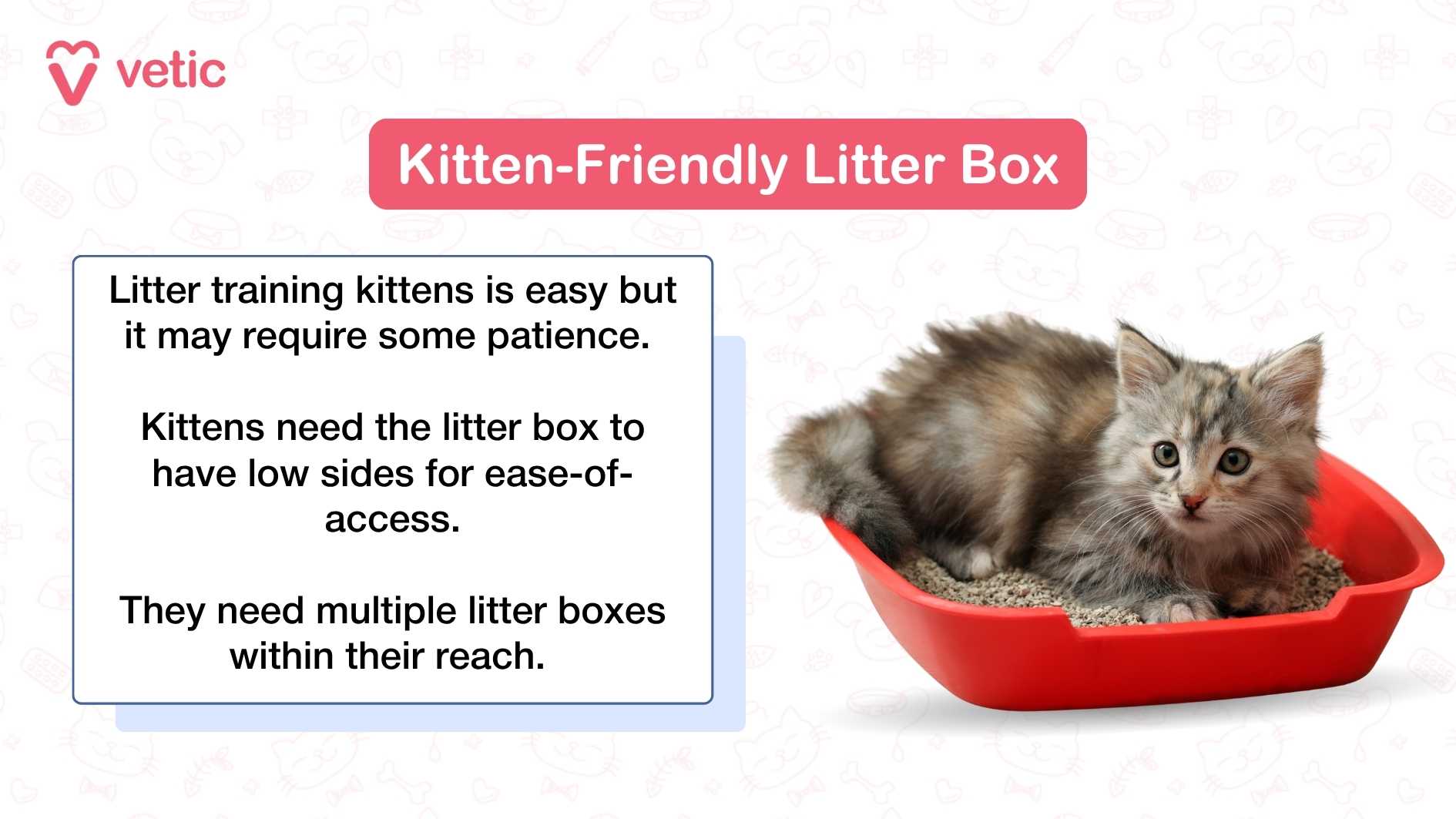
The way a home is arranged affects potty training success. Cats require a quiet, accessible spot for their litter box. A calm environment encourages regular use without stress.
Dogs need consistent outdoor access and a routine. Homes without easy yard access or busy schedules can hinder dog potty training. The setup must support regular bathroom breaks for dogs to learn quickly.
Credit: vetic.in
Frequently Asked Questions
Why Are Cats Naturally Easier To Potty Train?
Cats have an instinct to bury their waste, making litter box use natural. They learn quickly to use a designated spot, unlike dogs who need more guidance.
How Does Cat Behavior Simplify Potty Training?
Cats prefer cleanliness and avoid soiled areas. This instinct encourages them to use a litter box consistently, speeding up potty training compared to dogs.
Can Dogs Be Potty Trained As Easily As Cats?
Dogs require more time and patience. They lack the instinct to bury waste and need consistent outdoor training and positive reinforcement.
What Role Does Litter Box Play In Cat Potty Training?
A litter box provides a specific place for cats to relieve themselves. It appeals to their natural habits, making training straightforward and efficient.
Conclusion
Cats naturally use litter boxes, making training simpler and faster. They have instincts to bury waste, which helps them learn quickly. Dogs need more guidance and time to adapt to potty rules. Patience and consistency help both pets succeed. Choosing the right method fits each animal’s nature.
Understanding these differences leads to better training results. Potty training becomes less stressful with the right approach. Enjoy the process and celebrate small wins along the way.

Leave a Reply