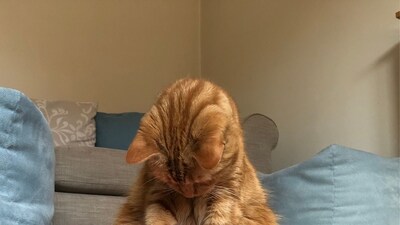
Have you ever noticed your cat chasing that tiny red dot from a laser pointer with endless energy? It looks fun and harmless, right?
But have you ever stopped to wonder if those laser games might actually be affecting your cat’s mental health? If you care deeply about your furry friend’s happiness and well-being, understanding the hidden effects of laser pointers is crucial. Keep reading to discover what experts say and how you can keep playtime safe and joyful for your cat.

Credit: www.amazon.com
How Laser Pointers Attract Cats
Laser pointers have a unique way of grabbing your cat’s attention. Their quick, darting movements mimic prey, making it almost impossible for your feline friend to resist joining the chase. But what exactly draws cats in so strongly? Understanding how laser pointers attract cats helps you see both the fun and potential pitfalls of this popular toy.
Instinctive Chase Response
Your cat’s hunting instincts kick in the moment they spot that tiny red dot zipping across the floor or walls. This response is hardwired from their wild ancestors who relied on sharp reflexes to catch fast-moving prey.
Even well-fed cats can’t ignore the urge to chase because it’s about more than hunger—it’s about instinct. Have you noticed how your cat suddenly becomes laser-focused and energized during laser play? That’s their natural prey drive at work, triggered by the erratic movement of the light.
Visual Stimulation Factors
The way the laser light moves is a big part of its appeal. Cats are attracted to quick, unpredictable motions, which make the red dot hard to ignore. The contrast between the bright dot and the background grabs their attention immediately.
Also, cats see certain colors better than others. Red and green lasers tend to be the most stimulating because they stand out clearly in your cat’s vision. This makes the experience more engaging and exciting for them.
Have you thought about how the speed and direction changes of the laser affect your cat’s interest? Varying these can keep your cat mentally sharp and physically active, but remember to balance it with other types of play that allow your cat to actually catch and “win.”
Potential Stress Effects On Cats
Laser pointers can cause stress in some cats. The quick, moving light excites their natural hunting instincts. Yet, the inability to catch the light may lead to frustration. This stress can affect their mental health over time. Understanding the potential stress effects helps in deciding how to use laser pointers wisely.
Frustration From Uncatchable Targets
Chasing a laser is fun at first. Cats love to stalk and pounce on moving objects. The laser pointer mimics prey perfectly. But the light can never be caught or held. This creates a feeling of failure for the cat. Constant failure may cause frustration and confusion. The cat might lose interest or become anxious. Some cats may even develop obsessive behaviors. Stopping the play without a reward can make things worse.
Signs Of Anxiety In Cats
Stress shows in different ways. Watch for these signs of anxiety:
- Restlessness or pacing
- Hiding more than usual
- Excessive grooming or licking
- Aggression or irritability
- Loss of appetite
- Changes in sleeping habits
Noticing these signs early can help prevent deeper stress. Offering real toys or treats after laser play can ease anxiety. A calm and happy cat needs balance in play and rest.
Behavioral Changes Linked To Laser Play
Laser pointers offer endless fun for cats. Yet, this playtime tool might affect their mental health. Some cats develop unusual behaviors after frequent laser play. Understanding these changes is key for their well-being. Below, we explore some behavioral changes linked to laser play.
Obsessive Chasing Habits
Many cats become fixated on chasing the laser dot. It can lead to obsessive behavior. They might start chasing shadows or light reflections. This constant chasing could stress them out. Their natural hunting instincts remain unfulfilled, leading to frustration.
Impact On Daily Activity Patterns
Laser play can disrupt a cat’s daily routine. Some cats may show increased restlessness. Others might become lethargic after intense sessions. This change in energy levels can affect their eating and sleeping patterns. Maintaining a balanced routine becomes challenging for them.
Safe Laser Play Practices
Playing with laser pointers can be a fun way to keep your cat active, but it’s important to use safe practices to protect their mental health. Without careful management, laser play might lead to frustration or anxiety. You can make laser sessions enjoyable and mentally stimulating by adding clear boundaries and rewarding your cat’s efforts.
Ending Sessions With Physical Rewards
Laser play often ends abruptly, leaving your cat chasing an invisible target with nothing to catch. This can cause confusion or stress. Always finish laser sessions by pointing the light at a tangible toy or treat your cat can catch.
Giving your cat a physical reward helps satisfy their hunting instinct. I noticed my cat became calmer and more content after I started ending playtime with a small ball or a favorite snack. This simple change made laser play feel more like a complete game, not just a frustrating chase.
Limiting Playtime Duration
Too much laser play can overwhelm your cat. Short, focused sessions prevent stress and keep the activity fun. Aim for 5 to 10 minutes at a time.
Breaking play into short bursts keeps your cat interested without exhausting them. Pay attention to their energy levels—if they seem tired or disinterested, it’s time to stop. Have you noticed how your cat’s mood changes after long periods of laser chasing?
Alternative Interactive Toys
Finding alternatives to laser pointers can greatly benefit your cat’s mental health. Interactive toys not only keep your cat entertained but also stimulate their natural hunting instincts in a healthy way. These toys encourage physical activity and problem-solving, which can reduce stress and prevent boredom.
Feather Wands And String Toys
Feather wands and string toys mimic the movement of prey, which instantly grabs your cat’s attention. You control the toy’s movement, making playtime interactive and engaging for your cat. This interaction builds trust and strengthens your bond.
Try moving the feather wand in quick, unpredictable patterns to really excite your cat. You’ll notice how they leap, pounce, and stalk—behaviors that laser pointers encourage but with a tangible target to catch. It’s satisfying for your cat to physically touch or catch the toy, which helps reduce frustration.
Puzzle Feeders And Treat Dispensers
Puzzle feeders and treat dispensers challenge your cat’s mind and reward them for solving problems. These toys slow down eating, prevent overeating, and provide mental stimulation all at once. They’re perfect if you want to keep your cat busy while you’re away.
Watch your cat figure out how to get treats out of these toys—it’s like a game that provides mental exercise. You can find feeders with adjustable difficulty levels to keep your cat challenged as they improve. Have you ever seen your cat’s face light up when they finally get a treat? It’s a simple way to boost their confidence.

Credit: www.petmd.com
Expert Opinions On Laser Pointer Use
Experts share varied views on laser pointers and cats’ mental health. Their opinions help pet owners understand risks and benefits. This section covers insights from veterinarians and animal behaviorists.
Veterinary Perspectives
Veterinarians see laser pointers as a tool for exercise and fun. They warn about possible frustration when cats cannot catch the light. Some vets note laser play should be balanced with real toys.
Experts suggest ending laser pointer games with a tangible toy. This helps cats feel rewarded and reduces stress. Overuse of laser play alone may cause anxiety or obsessive behaviors.
Animal Behaviorist Insights
Behaviorists focus on cats’ mental stimulation and natural hunting instincts. Laser pointers mimic prey but lack physical capture, which can confuse cats. This may lead to frustration or compulsive chasing.
They recommend mixing laser play with interactive toys like feather wands. This combination provides physical and mental satisfaction. Behaviorists also stress watching for signs of stress during play.

Credit: www.mdspca.org
Frequently Asked Questions
Can Laser Pointers Harm Cats’ Mental Health?
Yes, excessive use of laser pointers can frustrate cats. The inability to catch the “prey” may cause stress and anxiety.
How Do Laser Pointers Affect Cat Behavior?
Laser pointers can lead to obsessive chasing and restlessness. Cats may become overly fixated or develop anxiety without physical rewards.
Are Laser Pointers Safe For Cats To Play With?
Laser pointers are safe if used moderately. Always end play with a tangible toy to satisfy your cat’s hunting instincts.
What Signs Show Laser Play Is Stressing My Cat?
Watch for increased aggression, restlessness, or obsessive behavior. These indicate your cat may be mentally stressed by laser play.
Conclusion
Laser pointers can be fun for cats but may cause frustration. Cats might never catch the light, leading to stress. It is important to watch your cat’s behavior closely. Use toys that your cat can catch and feel satisfied. Balance playtime to keep your cat happy and calm.
Mental health matters as much as physical health for pets. Choose safe, interactive toys to support your cat’s well-being. Play smart, and your cat will enjoy healthy, joyful moments.



Leave a Reply