Looking for fun and affordable ways to keep your cat entertained? You don’t need to buy expensive toys to make your furry friend happy.
With a little creativity, you can turn everyday items from around your house into exciting cat toys. Imagine your cat chasing, pouncing, and playing with something you crafted yourself. Ready to discover simple tricks that will not only save you money but also strengthen the bond with your pet?
Keep reading, because your cat’s new favorite toy is just a few steps away!
Choosing Safe Household Items
Choosing safe household items for cat toys is very important. Cats explore with their mouths and paws. Unsafe materials can hurt them or cause choking. Use items that pose no risk to your pet’s health. Always check for small parts that can break off easily.
Focus on items that are non-toxic, durable, and free of sharp edges. Cleanliness matters too. Avoid anything with chemicals or residues. Safe toys keep playtime fun and worry-free.
Materials To Avoid
- Plastic bags or wrappers – risk of suffocation
- Small parts like buttons or beads – choking hazard
- String or yarn – can cause internal blockages if swallowed
- Sharp objects such as pins or staples
- Items with toxic paint or chemicals
- Foam pieces that can break apart easily
Best Items For Cat Toys
- Cardboard tubes – lightweight and chewable
- Paper balls – easy to bat around
- Old socks – fill with catnip for extra fun
- Fabric scraps – soft and safe to bite
- Plastic bottle caps – large enough to avoid swallowing
- Feathers from safe sources – encourage natural hunting instincts
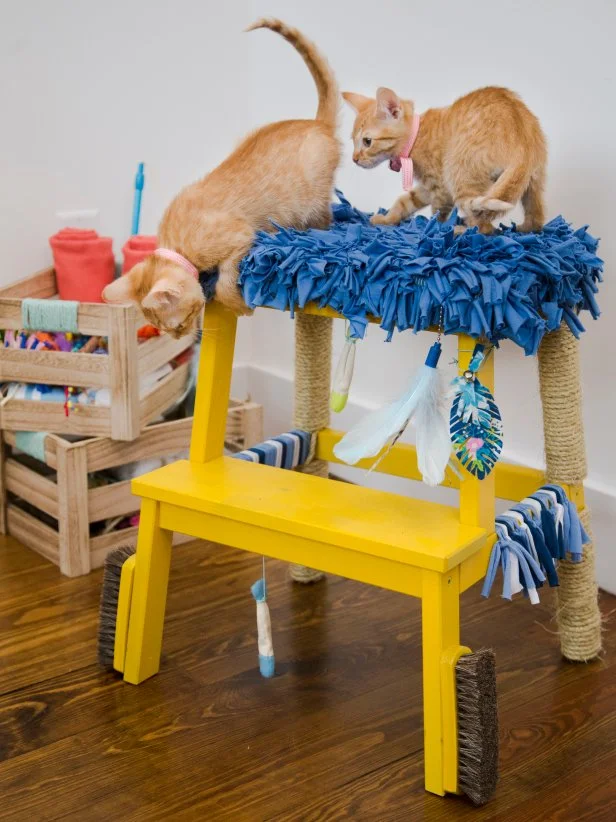
Credit: www.hgtv.com
Simple Diy Cat Toy Ideas
Making your own cat toys at home can be both fun and rewarding. You already have many materials lying around that your cat will find irresistible. These simple DIY ideas will help you turn everyday items into exciting playthings, keeping your furry friend entertained and active.
Sock And String Toy
Take an old sock and tie a piece of string securely around its opening. Add a few small bells or crinkle paper inside for extra sound and texture. Dragging this toy on the floor will spark your cat’s hunting instincts and provide hours of fun.
I tried this with a worn-out sock, and my cat immediately loved chasing it around the living room. It’s soft, safe, and perfect for interactive play sessions. Could your cat resist a toy that moves unpredictably with a simple tug?
Paper Ball Chase
Grab a sheet of plain paper and crumple it into a small ball. Make sure it’s tight enough to hold its shape but light enough to be batted around easily. Cats love the sound and feel of paper balls as they dart and pounce after them.
This is a quick fix when you don’t have time to craft something elaborate. You can even toss a few paper balls in different rooms to encourage your cat to explore and exercise. How often do you watch your cat lose focus and then get instantly excited by something so simple?
Cardboard Scratcher
Cut layers of cardboard into strips and stack them together to form a thick block. Glue or tape the edges securely, then cut the block into a rectangle or circle. Your cat will enjoy scratching on this homemade alternative to pricey store-bought scratchers.
I made one using leftover boxes, and it quickly became my cat’s favorite spot to stretch and sharpen claws. Plus, it’s easy to replace when worn out, so you save money and reduce waste. Why not turn those old boxes into a new favorite toy?
Adding Catnip And Other Enhancements
Adding catnip and other enhancements can turn simple homemade toys into irresistible playthings for your cat. These little extras boost the fun and keep your feline engaged longer. But it’s important to use them carefully to ensure your cat’s safety and enjoyment.
Using Catnip Safely
Catnip is a favorite for many cats, but not all react the same way. Some cats become hyperactive, while others might get sleepy. Observe your cat’s reaction before adding a lot of catnip to the toy.
Use dried catnip in small amounts inside a sewn pouch or sprinkle a pinch on the toy. Avoid using catnip too often—once a week is enough to keep it special and avoid overstimulation.
Keep in mind that kittens under three months usually don’t respond to catnip, so it’s better to wait until they’re older. Also, if your cat shows any signs of irritation or allergic reaction, stop using catnip immediately.
Incorporating Bells And Feathers
Bells add a fun sound element that can excite your cat’s hunting instincts. Choose small, lightweight bells that won’t bother your cat or get stuck in their mouth. Secure the bell firmly to avoid choking hazards.
Feathers mimic the look and feel of birds, sparking your cat’s curiosity. Attach feathers safely to the toy’s surface, making sure they won’t easily come off during play. Natural feathers work best, but synthetic ones can be a durable alternative.
Combining these elements with catnip creates a multi-sensory toy that keeps your cat entertained. Have you noticed your cat’s favorite sounds or textures during play? Adding those can make your homemade toy a hit.

Credit: www.yahoo.com
Ensuring Toy Durability
Choose strong, non-toxic materials to keep homemade cat toys safe and long-lasting. Secure all parts tightly to prevent choking hazards. Test toys regularly and replace any worn pieces for your cat’s safety.
Ensuring Toy Durability Creating cat toys from house made items can be both fun and resourceful. However, ensuring these toys are durable is crucial for your cat’s safety and your peace of mind. A toy that falls apart easily is not just disappointing; it can also pose a choking hazard to your furry friend. Let’s explore how to reinforce and safely assemble these toys for lasting enjoyment.Reinforcing Fragile Parts
Focus on strengthening the weak points of the toy. Use duct tape or fabric glue to reinforce areas that might tear, such as the edges of cardboard or the seams of fabric. Consider wrapping fragile parts with additional layers of cloth or yarn. This adds an extra barrier that can withstand your cat’s playful antics. Do you have an old sock? Slide it over a toilet paper roll to give the roll extra strength and turn it into a durable chase toy.Safe Assembly Tips
When putting together homemade toys, it’s crucial to use non-toxic materials. Avoid using staples, sharp objects, or anything that can break off easily and become a hazard. Instead, opt for sewing or using strong adhesives designed for fabric and paper. Ensure all pieces are securely attached and consider how your cat interacts with toys. If your cat loves to pounce and scratch, prioritize secure attachments and smooth surfaces. Testing the toy’s strength by pulling or twisting it can help ensure it can withstand a cat’s playtime. By carefully considering how to make your homemade toys durable, you can create safe and long-lasting entertainment for your cat. What creative materials will you use to build your next feline masterpiece?Interactive Playtime Tips
Interactive playtime boosts your cat’s happiness and health. Homemade toys can turn into fun tools for bonding and exercise. Use simple tricks to keep play lively and fun. Engaging your cat and changing toys often stops boredom. Both help cats stay active and sharp.
Engaging Your Cat
Use toys that mimic prey movements to catch your cat’s eye. Move toys slowly at first to spark curiosity. Let your cat chase, pounce, and bat toys freely. Talk softly to encourage your cat to join play. Watch your cat’s reactions to find favorite toy types.
Try different textures and sounds for variety. Use feathers, strings, or crinkly paper in toys. Make sure toys are safe and free of small parts. Always supervise play to keep your cat safe and happy.
Rotating Toys To Maintain Interest
Keep a few homemade toys handy and switch them regularly. Hide some toys for a few days before bringing them back out. This rotation makes old toys feel new and exciting again. Store toys in a box out of your cat’s reach.
Change the way you play with each toy. Use fast movements with some and slow with others. Varying play styles helps hold your cat’s attention longer. Keep play sessions short but frequent for best results.
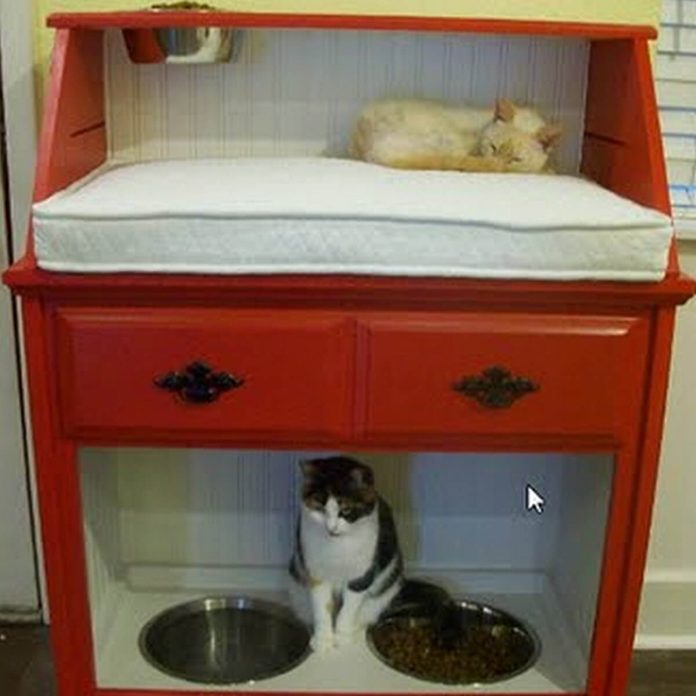
Credit: www.familyhandyman.com
Cleaning And Maintenance
Keeping homemade cat toys clean and safe is essential for your pet’s health. Dirt, dust, and germs can build up quickly. Regular cleaning helps keep toys fresh and fun. It also prevents bacteria or mold growth that could harm your cat.
Checking toys for damage prevents accidents. Cats love to chew and scratch, which can wear out toys. Damaged toys may have sharp edges or loose parts. These pose choking or injury risks. A simple inspection ensures playtime stays safe and enjoyable.
Washing Homemade Toys
Use mild soap and warm water for cleaning. Avoid harsh chemicals that can irritate your cat. Soft cloths or gentle brushes work well to remove dirt. Rinse toys thoroughly to remove soap residue. Air dry completely before giving them back to your cat. Some fabric toys can be machine washed on a gentle cycle. Always check the materials before washing.
Inspecting For Wear And Tear
Look for loose threads, holes, or tears. Check for small parts that could come off. Replace or repair damaged toys immediately. Use scissors to trim loose strings that can be swallowed. Pay attention to stuffing that might escape. Regular checks keep toys safe and extend their life.
Frequently Asked Questions
What Household Items Make Safe Cat Toys?
Common safe items include cardboard boxes, paper balls, and fabric scraps. Avoid small parts or toxic materials. Always supervise playtime for safety.
How To Create Interactive Cat Toys At Home?
Use string, feathers, or bells attached to sticks. These toys stimulate your cat’s hunting instincts and encourage exercise.
Can Homemade Cat Toys Replace Store-bought Ones?
Yes, homemade toys can be just as engaging. They are cost-effective, customizable, and often made from safer materials. Variety is key.
How To Ensure Homemade Toys Are Safe For Cats?
Check for loose parts, sharp edges, or toxic materials. Use non-toxic glue and durable fabrics. Regularly inspect toys for wear.
Conclusion
Making cat toys from household items saves money and reduces waste. Cats love new textures and shapes to explore. Simple materials like paper, fabric, and string bring hours of fun. Always check toys for safety before giving them to your cat.
Creative play helps keep your pet happy and healthy. Try different ideas and see what your cat enjoys most. Homemade toys build a stronger bond between you and your furry friend. Keep experimenting and enjoy watching your cat play with your handmade creations.



Leave a Reply