
Have you ever watched one cat gently licking another and wondered what it really means? When you see this sweet behavior, it’s more than just cleaning.
It’s a powerful way cats connect with each other—and it can tell you a lot about their feelings and relationships. If you want to understand your furry friends better and deepen the bond you share with them, keep reading. You’ll discover surprising facts about why one cat grooms another and how this simple act speaks volumes in the secret language of cats.
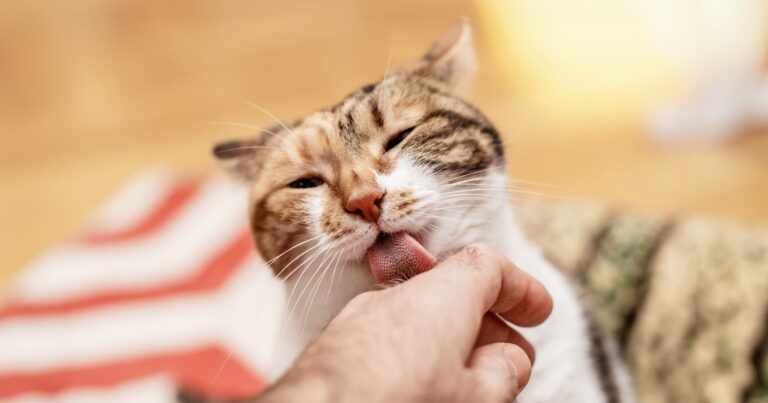
Credit: www.diamondpet.com
Cat Grooming Basics
Understanding cat grooming basics helps you see why one cat grooming another is more than just a cute moment. Grooming is a vital part of a cat’s life and social behavior. It keeps them clean, comfortable, and connected to each other.
Why Cats Groom Themselves
Cats groom themselves to stay clean by removing dirt and loose fur. This behavior also helps regulate their body temperature and reduce stress. Have you noticed your cat licking its fur more when it’s feeling anxious or restless?
Grooming stimulates blood flow and keeps the skin healthy. It also allows cats to spread natural oils, giving their coat a shiny appearance. When your cat spends time grooming, it’s really taking care of its health.
Types Of Grooming Behaviors
Cats don’t just lick themselves; they show different grooming behaviors depending on the situation.
- Self-grooming:The classic licking and nibbling to clean and soothe themselves.
- Allogrooming:When one cat grooms another, often seen between cats that are close friends or family. This builds trust and strengthens their bond.
- Mutual grooming:Two cats grooming each other, which helps keep hard-to-reach spots clean.
- Overgrooming:Excessive licking that may indicate stress, allergies, or skin problems.
Have you ever caught your cats grooming each other and wondered what it means? It’s often a sign of friendship and comfort, not just hygiene. Watching these moments can reveal a lot about their relationship and emotional state.
Social Grooming Among Cats
Social grooming among cats is more than just a cute behavior you might catch on camera. It’s a powerful form of communication and bonding that plays a key role in their social lives. When one cat grooms another, it signals trust, friendship, and a sense of community within their group.
What Is Allogrooming
Allogrooming is the term used to describe one cat grooming another. It’s different from self-grooming, where a cat cleans itself. This behavior usually happens between cats that share a close relationship, like siblings or long-time companions.
You might notice a cat licking another’s head, neck, or back. These spots are often hard for the cat to reach on its own. Allogrooming helps keep each other clean and comfortable.
Benefits For Cats
Allogrooming offers several benefits that go beyond hygiene. It helps reduce stress by releasing feel-good hormones like oxytocin. This hormone strengthens the bond between cats and can even lower aggression in multi-cat households.
It also plays a role in social structure. Cats that groom each other tend to have stronger, more stable relationships. This can make your home a more peaceful place if you have multiple cats.
- Improves social bonds and trust
- Helps maintain cleanliness in hard-to-reach areas
- Reduces stress and promotes relaxation
- Decreases tension and conflicts among cats
Have you ever observed your cats grooming each other and wondered what it meant? Watching these moments can give you valuable clues about their social dynamics and emotional well-being.
Reasons Cats Groom Each Other
When you see one cat grooming another, it’s more than just keeping clean. This behavior reveals how cats connect and communicate. Understanding why they groom each other can help you better care for your feline friends.
Building Bonds
Grooming helps cats create strong social bonds. It’s a way they show trust and affection. If your cats groom each other, they likely feel safe and comfortable together.
Think about your own pets—have you noticed them licking or cleaning one another after playtime? This shared activity strengthens their relationship and keeps peace in the group.
Establishing Hierarchy
Sometimes grooming is about setting social order. The dominant cat often grooms others to assert control. This doesn’t mean aggression but a clear signal of who leads.
Have you seen one cat patiently grooming another while the second stays still? It’s a sign of respect and acceptance of roles within their little community.
Reducing Stress
Grooming also calms cats down. It helps lower anxiety and creates a soothing environment. When your cats groom each other, they’re helping each other relax.
Imagine your cat’s purring while being groomed by a friend—that peaceful moment reflects a shared sense of security. Could you encourage this behavior to reduce stress in your multi-cat household?
How To Recognize Grooming Patterns
Cats grooming each other shows trust and friendship. Watch for gentle licking, focused on the head and neck, to spot this behavior. This act helps them bond and stay clean together.
Recognizing grooming patterns in cats helps understand their social behavior. Cats often groom each other to show affection and build bonds. This mutual grooming, called allogrooming, strengthens their relationship. To better understand this behavior, observe the grooming patterns.Common Grooming Spots
Cats groom specific areas on each other’s bodies. Common spots include the head, ears, and neck. These areas are hard for cats to reach themselves. Grooming here shows trust and friendship. Cats often use their tongues to clean fur and remove dirt. Observing these spots can reveal the depth of their bond.Duration And Frequency
The length and frequency of grooming sessions vary. Some cats groom each other daily. Others may do so only a few times a week. The duration can last a few minutes or extend longer. Short, frequent grooming sessions indicate a strong bond. Long sessions show deep affection and comfort. Watching these patterns helps understand the relationship between cats.When Grooming Signals Problems
Cat grooming usually shows care and friendship. But sometimes, grooming can point to problems between cats. It is important to watch their behavior closely. Changes in grooming style or frequency may mean stress or conflict.
Understanding these signals helps keep cats happy and safe. Pay attention to signs that grooming is no longer gentle or relaxed.
Over-grooming Concerns
Over-grooming means one cat licks or cleans another too much. This can cause sore spots or bald patches on the fur. It often happens when a cat feels anxious or stressed. The groomer may be trying to calm itself or the other cat.
Look for:
- Red, irritated skin
- Hair loss in certain areas
- Repeated licking that seems intense
Over-grooming may also show health problems. A vet visit might be needed to check for allergies or parasites.
Aggressive Grooming Signs
Aggressive grooming is rough and forceful. It can include biting, scratching, or holding the other cat down. This behavior often shows dominance or tension between cats.
Watch for these signs:
- Growling or hissing during grooming
- One cat tries to escape or hide
- Sudden swatting or chasing after grooming
Aggressive grooming can lead to fights and injuries. Separate cats if this happens often. Help them relax and rebuild trust slowly.
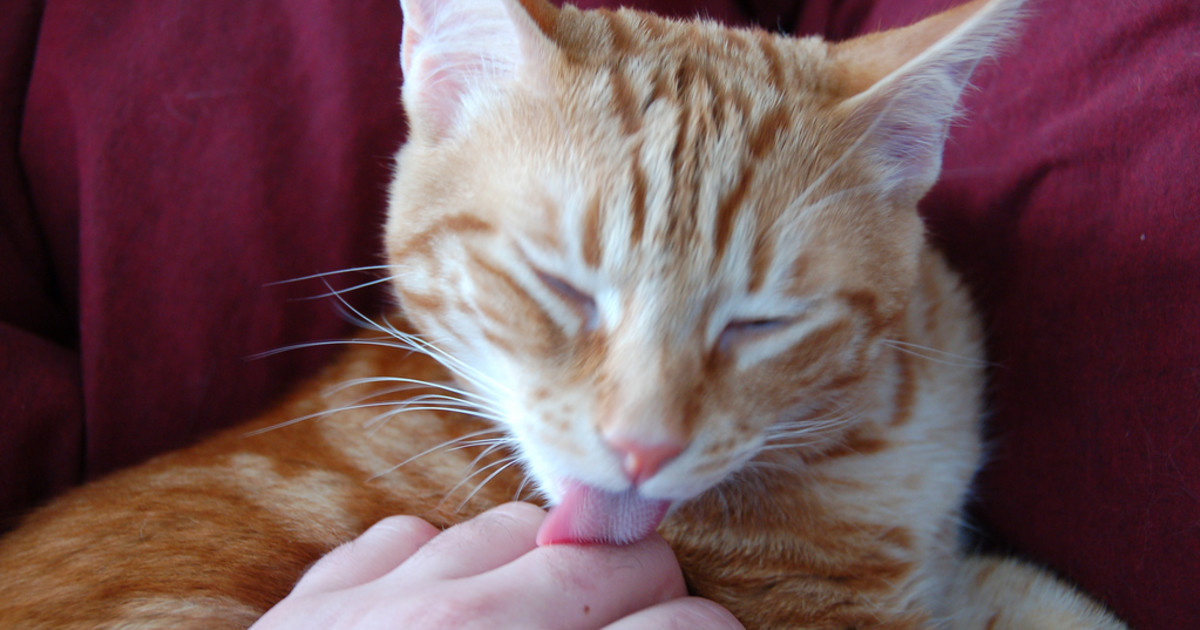
Credit: pethelpful.com
Encouraging Healthy Grooming
Encouraging healthy grooming between cats goes beyond just keeping their coats clean. It’s a powerful way to build trust and strengthen bonds in your feline family. When one cat grooms another, it’s a sign of affection and social connection, but it also promotes good hygiene and reduces stress.
Creating A Comfortable Environment
Your cats need a safe, calm space to feel relaxed enough for grooming each other. Loud noises, unfamiliar smells, or too much activity can make them anxious and less likely to engage in grooming behaviors.
Make sure they have cozy spots where they can retreat and relax together. Adding soft bedding and quiet corners encourages them to spend time near each other, which often leads to grooming sessions naturally developing.
Have you noticed how your cats behave differently in a busy room versus a quiet one? Observing their comfort levels can guide you in setting up the best environment for healthy grooming.
Introducing New Cats
Introducing a new cat to your home requires patience and thoughtful steps to foster positive grooming interactions. Sudden introductions can cause stress, making cats less likely to groom one another.
Start by letting them sniff each other’s scent through blankets or toys before face-to-face meetings. Gradually increase their time together in supervised sessions.
- Use treats and gentle praise to reward calm behavior around each other.
- Allow them to approach at their own pace without forcing contact.
- Monitor body language closely to prevent tension.
When cats feel safe and accepted, grooming becomes a natural expression of their growing friendship. Have you tried slow introductions before, and how did your cats respond?
Grooming And Cat Communication
Cat grooming is more than just cleaning fur; it’s a key way cats communicate with each other. When one cat grooms another, they exchange signals that show feelings and build bonds. This behavior helps you understand your cats better and notice how they interact.
Expressing Affection
Grooming between cats is a clear sign of affection. Cats don’t groom just anyone; they choose companions they trust and like. If your cats are grooming each other, it means they feel safe and connected.
Think about your own pets: when they lick or nibble each other gently, they are showing care. This mutual grooming helps reduce stress and strengthens their friendship. Have you noticed your cats stopping to groom after a play session? That’s their way of saying, “I’m here for you.”
Sharing Scent
Grooming also helps cats share their unique scents. Cats have scent glands around their face and paws, and when they groom each other, they mix their scents. This makes the group smell alike and feel like a family.
This scent sharing is very practical. It helps cats recognize who belongs in their group and who doesn’t. If you see your cats grooming each other often, it means they are building a strong social bond through scent.
Next time your cats groom each other, watch closely. You’re witnessing a silent conversation that deepens their relationship and keeps them feeling secure together.
Credit: catcuddlezone.com
Frequently Asked Questions
What Does Cat Grooming Another Signify?
Cat grooming another shows social bonding and trust. It strengthens relationships and helps reduce stress between cats.
Is Grooming A Sign Of Cat Friendship?
Yes, grooming is a clear sign of friendship and affection among cats. It indicates comfort and mutual care.
Can Grooming Indicate Dominance In Cats?
Sometimes grooming shows dominance when one cat controls the interaction. But mostly, it’s about bonding and cooperation.
How Often Do Cats Groom Each Other?
Cats groom each other regularly, especially in multi-cat households. It helps maintain hygiene and social harmony.
Conclusion
Cats grooming each other shows trust and friendship. This behavior helps them stay clean and calm. It also strengthens their bond and makes them feel safe. Watching cats groom can teach us about their feelings and social life. Next time you see this, remember it means they care.
Understanding this helps you know your cat better. It’s a simple way cats show love without words. Keep observing and enjoy these quiet moments. They tell a story of friendship and comfort.



Leave a Reply