Are you wondering when it’s the right time to switch your cat to adult food? Feeding your feline friend the right diet at the right age is crucial for their health and happiness.
If you get this wrong, your cat might miss out on important nutrients or even face health problems. You’ll discover exactly when your kitten should start eating adult food and why timing matters more than you think. Keep reading to make sure your cat grows strong and stays healthy for years to come.
Transitioning To Adult Cat Food
Transitioning your cat from kitten food to adult food is an important step in their growth journey. This change supports their evolving nutritional needs and helps maintain their health. Making the switch at the right time and with the right approach ensures your cat stays happy and strong.
Age To Switch Diet
Most cats are ready to switch to adult food between 9 and 12 months old. However, some larger breeds may benefit from staying on kitten food a bit longer, up to 18 months. Watch your cat’s behavior and growth—if they seem less energetic or their weight is fluctuating, it might be time to adjust their diet.
Have you noticed changes in your cat’s activity level or appetite as they approach their first year? These can be clues that their diet should evolve too.
Differences Between Kitten And Adult Food
Kitten food is packed with extra protein and calories to support rapid growth and high energy. Adult cat food contains fewer calories and is balanced to maintain a healthy weight and provide long-term nourishment.
- Protein:Kitten food has higher protein levels to build muscles and organs.
- Fat:More fat in kitten food fuels their busy, playful days.
- Vitamins and Minerals:Kitten diets include extra nutrients like DHA for brain development.
- Calorie Content:Adult food lowers calories to prevent obesity as activity levels slow.
Switching too early or too late can cause health issues. If your cat seems to be gaining too much weight or losing interest in food, the timing might be off. How carefully have you observed your cat’s needs during their growth stages?
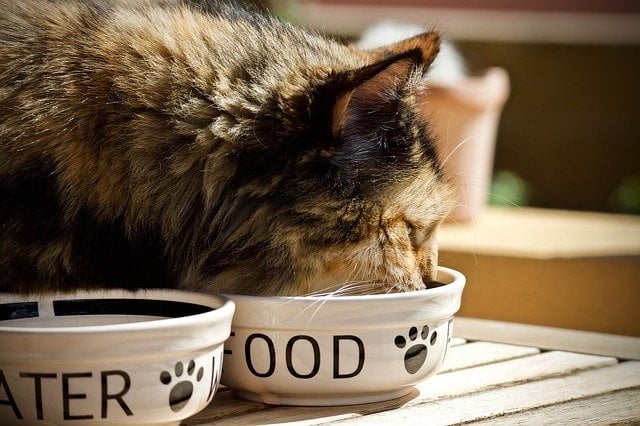
Credit: companion-vets.com
Signs Your Cat Is Ready
Knowing when your cat is ready for adult food is key to their health. Cats grow fast, and their diet must change to meet their new needs. Signs your cat is ready for adult food come in different forms. Watch for growth changes, behavior shifts, and dental development. These clues help you decide the right time to switch their diet.
Changes In Growth And Weight
Cats slow down their rapid growth after a few months. You may notice their weight gain becomes steady, not fast. Their body shape starts to fill out, looking less like a kitten. These changes mean their nutritional needs are shifting. Adult food offers the right balance for their mature body.
Behavioral Indicators
Kittens are very playful and curious. As they grow, their activity may calm down. They begin to eat less often but take in more food each time. You might see your cat showing interest in different textures and flavors. This behavior shows they are ready for more complex food types.
Dental Development
Teeth growth is a clear sign of readiness. Kittens lose baby teeth between 3 to 6 months. Adult teeth come in strong and sharp. Once teeth are fully developed, your cat can handle tougher food. This stage signals a good time to introduce adult cat food.
Choosing The Right Adult Food
Choosing the right adult food for your cat is important for their health and happiness. Adult cats have different needs than kittens. Their diet should support steady energy and overall well-being. Quality food helps maintain a healthy weight and strong immune system. Understanding what to look for makes feeding time easier and more effective.
Nutritional Requirements
Adult cats need balanced nutrients to stay healthy. Protein should be the main ingredient. It helps build and repair muscles. Cats also need fat for energy and healthy skin. Vitamins and minerals support their body functions. Taurine is essential; cats cannot make it themselves. Look for food labeled complete and balanced for adult cats.
Wet Vs Dry Food Options
Both wet and dry foods have pros and cons. Wet food has more moisture, which helps with hydration. It is often easier to chew and tastes good. Dry food is convenient and helps keep teeth clean. It can be left out longer without spoiling. Some owners mix both types for variety and benefits.
Special Dietary Needs
Some cats need special diets for health reasons. Cats with allergies may require limited ingredient food. Weight management formulas help overweight cats lose pounds. Senior cats may need food with joint support. Always check with a vet before changing diets. Special food helps manage health problems and improves life quality.
Feeding Tips From Experts
Feeding your cat correctly as they transition to adult food is vital. Experts offer essential tips to ensure a smooth change. Proper feeding habits keep your cat healthy and happy. Here are key insights from professionals.
Gradual Food Transition
Switching your cat’s diet should happen slowly. Start by mixing a small amount of adult food with their usual kitten food. Gradually increase the adult food over a week or two. This helps prevent digestive issues. Cats are creatures of habit. Sudden changes can upset their system.
Portion Control
Proper portion sizes are crucial. Overfeeding can lead to obesity. Underfeeding can cause nutritional deficiencies. Check the packaging for recommended portion sizes based on your cat’s weight and age. Adjust portions as needed. Monitor your cat’s weight and activity level. Consult with your vet for personalized advice.
Feeding Schedule
Establish a regular feeding schedule. Cats thrive on routine. Feed them at the same times each day. This helps regulate their digestion and energy levels. Most adult cats do well with two meals a day. Morning and evening feeding times work best. Consistency is key for a healthy cat.
Monitoring Cat’s Health
Monitoring your cat’s health is key when switching to adult food. Careful observation helps spot changes early. This ensures your cat stays happy and healthy during the diet change. Watch for signs in weight, activity, and digestion.
Tracking Weight And Activity
Keep a regular check on your cat’s weight. Sudden gain or loss can signal problems. Note changes in energy levels and playfulness. Less movement might mean discomfort or illness. Use a journal to track daily activity and weight.
Recognizing Digestive Issues
Watch your cat’s stool for any changes. Diarrhea, constipation, or unusual smell can be warning signs. Vomiting after meals is another red flag. Look for signs of discomfort after eating. These issues might mean the food does not agree with your cat.
When To Consult A Vet
Contact your vet if you see sudden weight changes. Persistent digestive problems need professional advice. Loss of appetite for more than a day is serious. Your vet can recommend the best diet and care. Early consultation helps avoid bigger health problems.
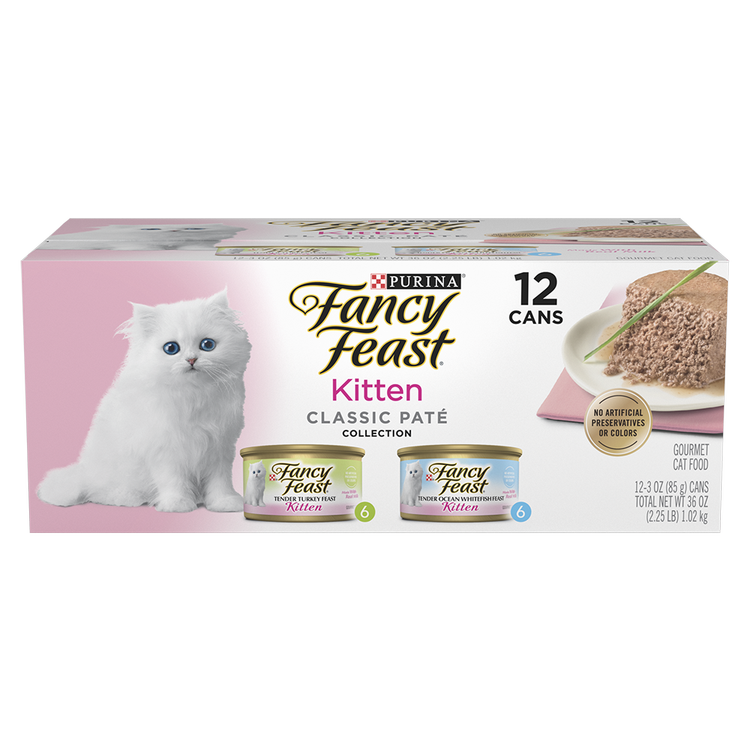
Credit: www.purina.com

Credit: www.purina.com
Frequently Asked Questions
When Should Cats Transition To Adult Food?
Cats should switch to adult food at about 12 months old. This timing supports their changing nutritional needs as they finish growing. Using adult food too early or late can affect their health and development.
What Are Signs Cats Need Adult Food?
Signs include slower growth, reduced playfulness, and stable weight. Cats may also show less interest in kitten food. These changes indicate they need food with adult cat nutrients for maintenance.
Can Kittens Eat Adult Cat Food?
Kittens need kitten-specific food for growth. Adult food lacks sufficient nutrients for kittens. Feeding adult food too soon may cause nutritional deficiencies and slow development.
How To Transition Cats To Adult Food?
Mix increasing amounts of adult food with kitten food over 7-10 days. This gradual shift helps avoid digestive upset. Monitor your cat’s response and adjust feeding amounts as needed.
Conclusion
Cats start eating adult food around one year old. This change helps support their grown bodies. Feeding the right food keeps them healthy and active. Watch your cat’s weight and energy for signs. Always choose good quality food made for adults.
Switching too early or late can cause problems. Pay attention to your cat’s needs and habits. This way, your cat stays happy and strong. Simple care makes a big difference in their life.



Leave a Reply