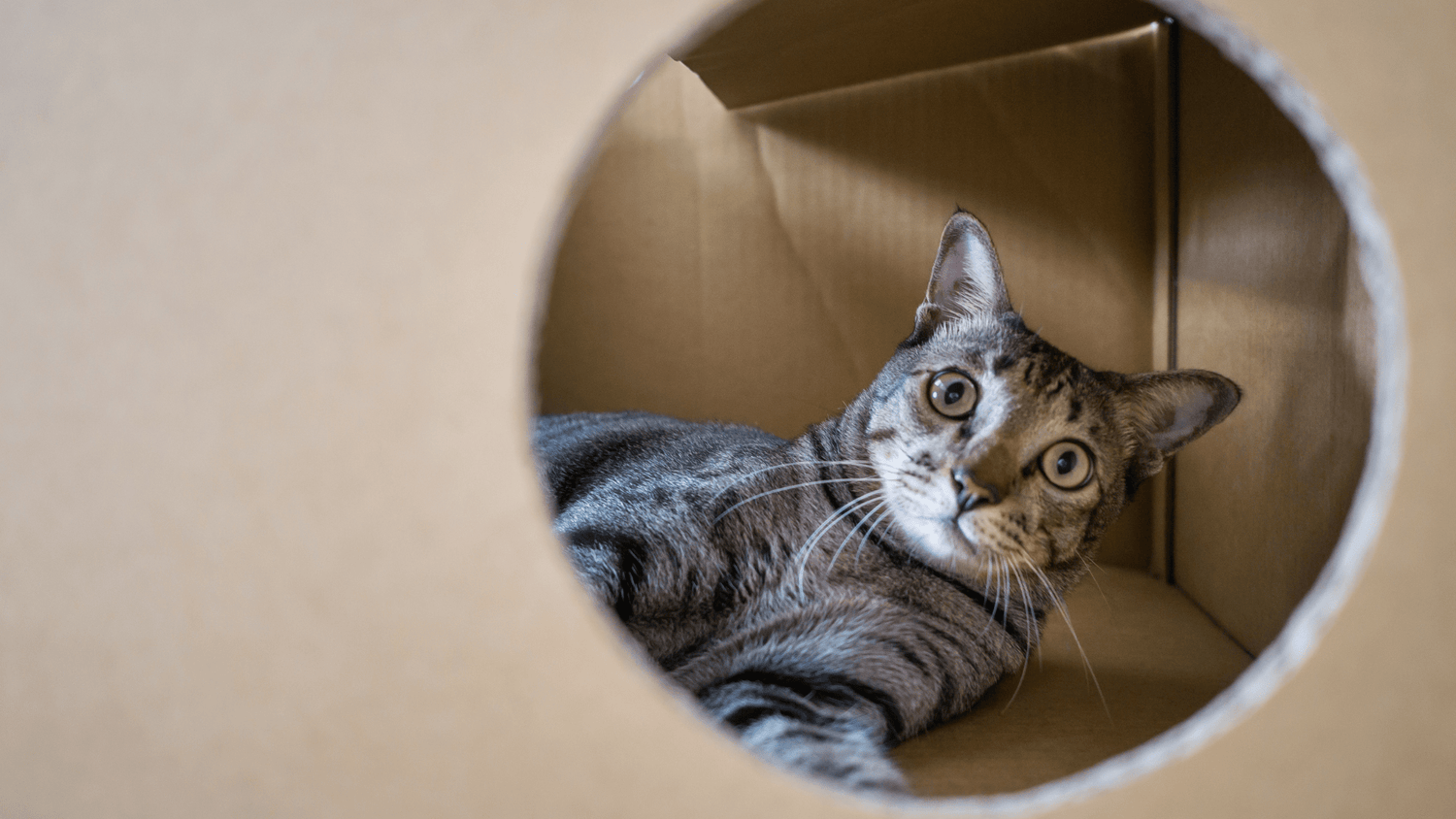
Are you looking for fun and easy ways to keep your cat entertained without spending a lot of money? Making cat toys from household items is a simple and creative solution that anyone can try.
Not only will you save money, but you’ll also give your furry friend new toys that feel special because you made them yourself. You’ll discover quick steps and clever ideas to turn everyday things into exciting playthings your cat will love.
Ready to see how simple it is to bring joy to your pet’s day? Let’s get started!
Choosing Safe Materials
Choosing the right materials for homemade cat toys is crucial for your pet’s safety and enjoyment. Not every item around the house is suitable, so careful selection can prevent accidents and health issues. Your cat’s well-being depends on avoiding harmful substances and picking durable, non-toxic items.
Common Household Items To Use
Many everyday objects can turn into fun cat toys. Soft fabrics like old t-shirts or socks are perfect for creating small, safe pouches filled with catnip. Cardboard tubes from paper towels or toilet paper make great tunnels or batting toys.
Wooden spoons, clean bottle caps, and crumpled paper balls can also entertain your cat without much risk. Just make sure these items are intact—no sharp edges or loose parts that your cat could swallow. Have you checked what simple items you already have that could spark your cat’s curiosity?
Avoiding Toxic Substances
Some household items can be harmful or even deadly to cats. Avoid anything treated with chemicals, such as scented papers, plastic with BPA, or materials with glue and paint. These substances can cause poisoning or allergic reactions in your cat.
Also, steer clear of small parts that can be swallowed or cause choking, like buttons, beads, or rubber bands. Always inspect toys for loose threads or pieces that might break off during play. How often do you check your cat’s toys for safety?

Credit: www.yahoo.com
Simple Diy Cat Toys
Simple DIY cat toys bring joy to your pet and save money. These toys use common household items. They are easy and fast to make. Cats love toys that move, make noise, or have interesting textures. Making these toys at home keeps your cat active and happy.
Sock And Feather Teaser
Use an old sock and a feather to create a fun teaser toy. Insert the feather inside the sock’s toe. Tie a knot at the open end to secure it. Drag the sock along the floor to mimic prey movement. Your cat will enjoy chasing and pouncing on it.
Paper Ball Chase
Make a simple paper ball by crumpling a sheet of paper. Use clean, non-toxic paper for safety. The ball should be small enough for your cat to bat around. Toss it gently for your cat to chase. This toy encourages exercise and sharpens hunting skills.
Cardboard Scratch Pad
Cut a piece of cardboard into a flat shape. Layer multiple pieces for thickness and glue them together. Let your cat scratch and claw the cardboard. This protects furniture and satisfies natural scratching instincts. Add catnip on top to make it more attractive.
Interactive Play Ideas
Interactive play keeps cats active and happy. It strengthens the bond between you and your pet. Using household items, you can create fun and safe toys. These toys encourage your cat to chase, pounce, and explore. Simple materials can turn into exciting playthings that stimulate your cat’s mind and body.
String And Wand Toys
Use a sturdy stick or a wooden dowel as the wand. Attach a piece of string or yarn to one end. Tie small, lightweight objects like feathers or fabric scraps to the string. Move the wand slowly to mimic prey movements. Your cat will enjoy chasing and swatting at the dangling toy.
Make sure the string is not too long to avoid tangling. Always supervise your cat during play to keep it safe. This toy encourages exercise and sharpens hunting skills.
Tunnel Adventures With Boxes
Collect several cardboard boxes of different sizes. Cut holes in the sides to create entrances and exits. Connect the boxes to form a tunnel or maze. Place toys or treats inside to encourage exploration.
The tunnel offers a cozy hideout and a play area. Cats love crawling through and hiding in tight spaces. This activity provides mental stimulation and physical exercise. Change the tunnel layout regularly to keep it interesting.
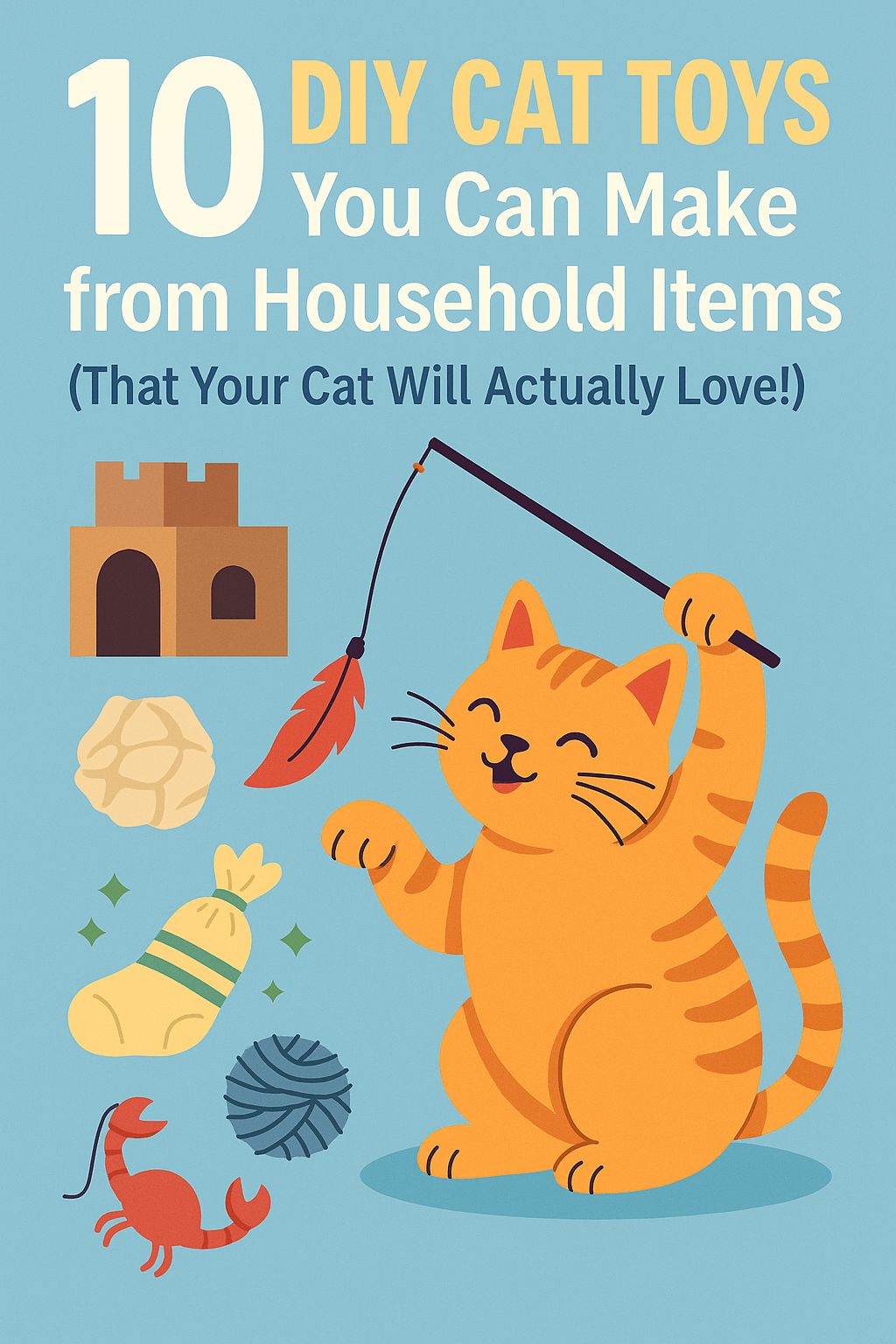
Credit: whiskernest.co.uk
Customizing Toys For Your Cat
Customizing toys for your cat makes playtime more fun and engaging. Each cat has unique tastes. Some like soft toys, others prefer something firm or crunchy. Tailoring toys helps meet your cat’s specific needs and keeps them interested longer.
Personalizing toys also encourages exercise and mental stimulation. It strengthens the bond between you and your pet. Simple changes can make a big difference in how much your cat enjoys the toy.
Adding Catnip
Catnip is a favorite for many cats. It can make homemade toys more exciting. Sprinkle dried catnip inside fabric toys or tape a small pouch to the toy. Fresh catnip leaves can be tied inside as well.
Not all cats react to catnip, so try a small amount first. If your cat likes it, refill the toy regularly. This keeps the scent strong and the toy interesting. Use catnip to turn a plain sock or ball into a captivating plaything.
Adjusting Size And Texture
Size matters for safety and fun. Small toys can be swallowed, while large toys may be hard to carry. Use materials that fit your cat’s mouth and paws comfortably. Soft fabrics suit gentle chewers, while rough textures appeal to cats who like to scratch.
Mix materials like felt, cotton, and crinkly paper for variety. Test the toy for durability to avoid loose parts. Tailor the shape to your cat’s hunting style—long for batting, small for pouncing. This keeps your cat active and happy.
Safety Tips During Play
Creating cat toys from household items can be fun and cost-effective. Safety should be a top priority during play. Cats are curious and playful, but they can get into trouble. Follow these safety tips to ensure a fun and secure playtime for your furry friend.
Supervising Playtime
Always keep an eye on your cat during play. Supervision helps prevent accidents. If your cat is playing with a new toy, watch for any risky behavior. Be ready to intervene if something seems unsafe. Cats can swallow small parts, leading to choking.
Regular Toy Inspection
Inspect toys regularly for wear and tear. Check for loose threads or broken pieces. Damaged toys can be dangerous. Replace or repair any broken toys immediately. Keeping toys in good condition ensures safe play. Rotate toys to keep your cat interested. Regular inspection also extends the toy’s lifespan.

Credit: www.youtube.com
Benefits Of Diy Cat Toys
Making cat toys at home brings many benefits. These toys are simple to create and fun for cats to use. They keep cats happy and active without spending much money. Plus, they help build a stronger bond between you and your pet.
Cost Savings
DIY cat toys save money. Household items like paper, fabric scraps, or bottle caps can become fun toys. There is no need to buy expensive toys at the store. This helps keep your budget low while giving your cat new playthings.
Bonding With Your Cat
Creating toys together strengthens your bond. Cats enjoy playing with toys you make. Spending time crafting and playing builds trust. It shows your cat you care and keeps them close to you.
Encouraging Exercise
Homemade toys inspire movement and play. Cats stay active chasing simple toys. Exercise is important for their health and happiness. These toys keep cats fit and reduce boredom.
Frequently Asked Questions
What Household Items Make Safe Cat Toys?
Common safe items include paper balls, cardboard boxes, and empty toilet paper rolls. Avoid sharp or toxic materials to keep cats safe.
How Can I Make A Cat Toy From Fabric?
Cut old fabric into strips, tie them into knots, or sew small pouches filled with catnip. Fabric toys are soft and fun.
Are Diy Cat Toys Better Than Store-bought?
DIY toys are cost-effective and customizable but may lack durability. Store-bought toys often use safer materials and last longer.
How Do I Add Scent To Homemade Cat Toys?
Use catnip, silvervine, or valerian root inside fabric pouches or sprinkle on paper toys. These scents attract cats and encourage play.
Conclusion
Making cat toys from household items saves money and reduces waste. Cats enjoy simple, safe toys made from things around the house. You can use paper, fabric, or even bottle caps to create fun playthings. These toys keep your cat active and happy.
Plus, crafting them is a fun way to bond with your pet. Try making different toys to see what your cat likes best. Homemade toys bring joy to both you and your furry friend every day. Give it a try and watch your cat have fun!




Leave a Reply