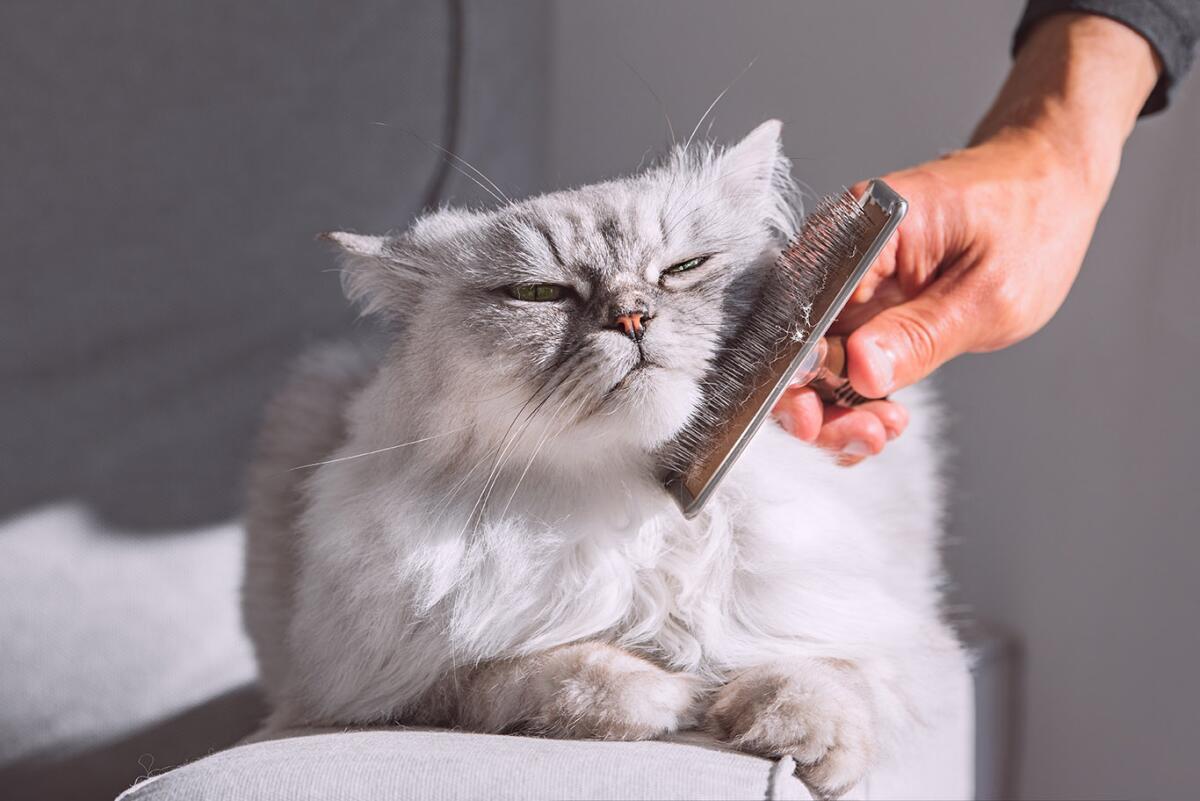
If you want your cat to look and feel its best, grooming is key. But getting your cat groomed can sometimes feel like a challenge.
You might wonder how to make the process smooth and stress-free for both you and your furry friend. This guide will show you simple, effective ways to get your cat groomed without the hassle. By the end, you’ll have the confidence to keep your cat clean, comfortable, and happy.
Ready to learn how? Keep reading!

Credit: services.petsmart.com
Preparing Your Cat For Grooming
Preparing your cat for grooming sets the tone for a smooth experience. Cats can feel nervous or stressed if not ready. Taking time to prepare helps your cat stay calm and cooperative. It also makes grooming safer and easier for both of you. Follow simple steps to get your cat ready.
Choosing The Right Time
Pick a moment when your cat feels relaxed and happy. Avoid grooming right after meals or playtime. A quiet time during the day works best. Watch your cat’s behavior for signs of calmness. Grooming when your cat is sleepy can make the process easier.
Creating A Calm Environment
Find a quiet, comfortable spot free from noise and distractions. Soft lighting helps your cat feel safe. Speak in a gentle, soothing voice. Use slow, gentle movements to avoid startling your cat. Play soft music if it helps your cat relax.
Gathering Necessary Tools
Have all grooming tools ready before you start. This avoids leaving your cat alone mid-groom. Basic tools include:
- A soft brush or comb
- Nail clippers designed for cats
- A damp cloth for cleaning
- Towels to wrap your cat if needed
- Treats to reward good behavior
Keep tools within reach to maintain control. Using the right tools makes grooming faster and safer.
Credit: hellopetsinc.com
Brushing Techniques For Different Coats
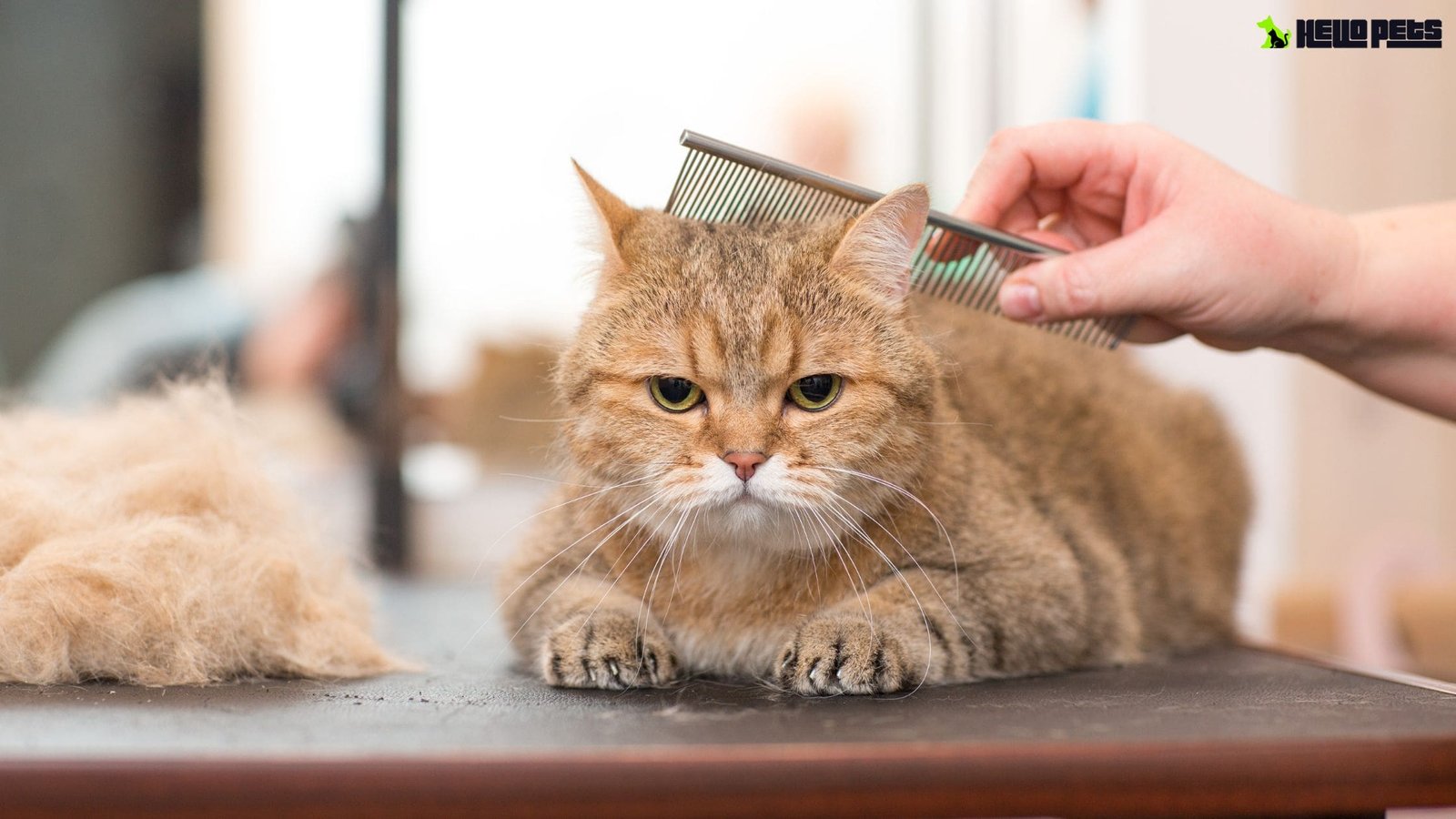
Brushing your cat is essential for healthy fur and skin. Different coat types need different care. Using the right brushing technique keeps your cat comfortable. It also prevents hairballs and matting. Understanding how to brush short and long-haired cats helps you groom better.
Short-haired Cats
Short-haired cats have smooth, dense fur. Use a soft-bristle brush or rubber grooming mitt. Brush in the direction of hair growth. This removes loose hair and dirt gently. Brush two to three times a week to reduce shedding. Focus on the neck, back, and sides. Avoid pressing too hard to keep your cat calm.
Long-haired Cats
Long-haired cats need more care to avoid tangles. Use a wide-toothed comb first to detangle. Then use a slicker brush to smooth the coat. Brush daily to prevent mats and knots. Be gentle and patient to avoid hurting the cat. Pay special attention to behind ears and under legs. These areas trap dirt and form tangles easily.
Dealing With Mats And Tangles
Mats can cause discomfort and skin problems. Use a detangling spray to soften mats. Gently work through tangles with your fingers first. Then use a wide-toothed comb to loosen mats slowly. Avoid cutting mats as it can hurt your cat. Regular brushing helps stop mats from forming. Check your cat’s coat often for early signs of tangles.
Bathing Your Cat Safely
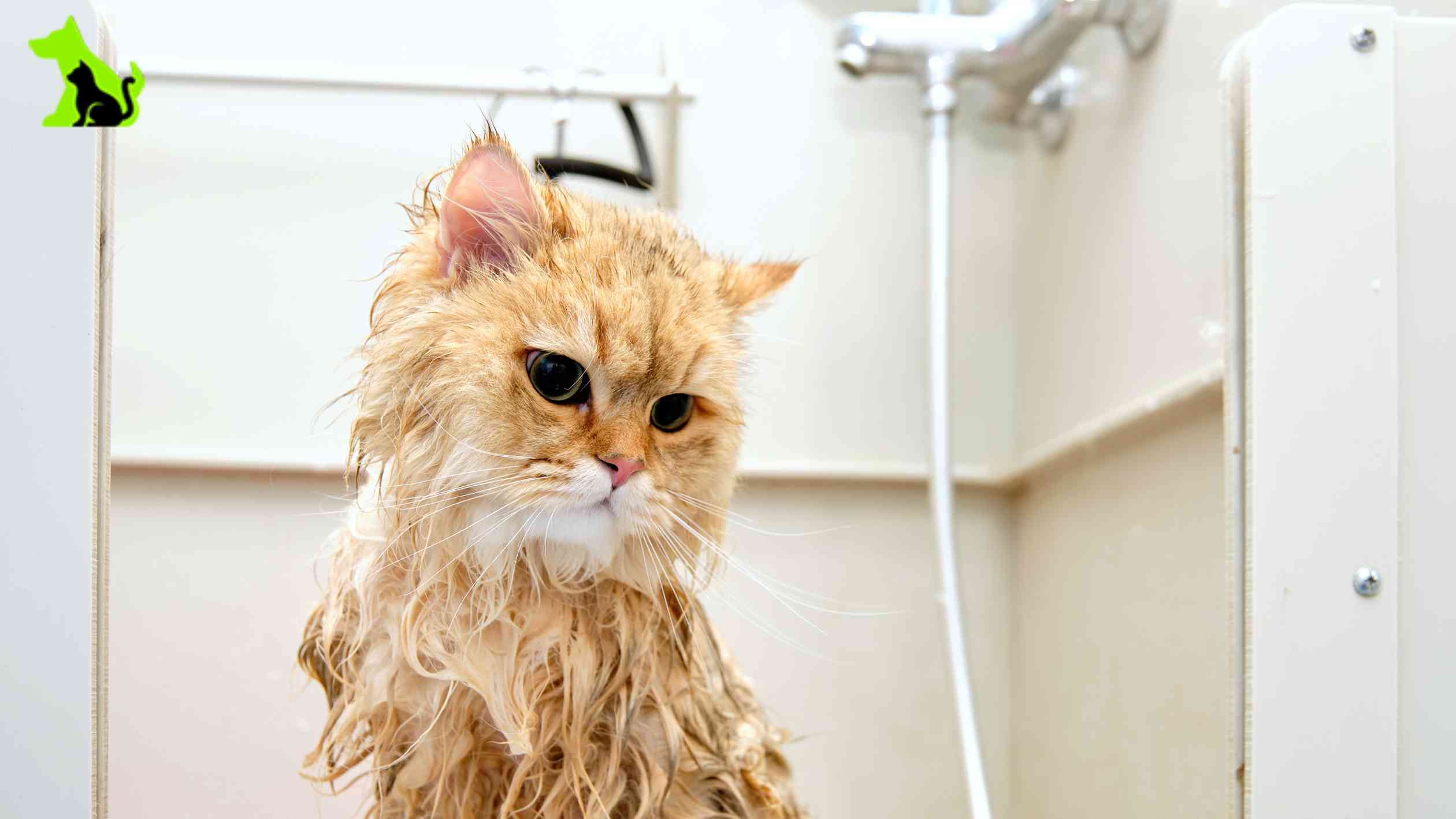
Bathing your cat can be a stressful task for both of you. Cats usually dislike water, so it is important to prepare well. Bathing your cat safely means using the right products and gentle techniques. This helps keep your cat calm and healthy during the bath.
Selecting Cat-friendly Shampoo
Choose a shampoo made specifically for cats. Human shampoos can harm their skin and fur. Look for shampoos that are gentle and free from harsh chemicals. A shampoo with natural ingredients is better for sensitive skin. Avoid anything with strong fragrances or dyes. Always read the label to ensure it is safe for cats.
Step-by-step Bathing Process
- Brush your cat’s fur before the bath to remove loose hair.
- Fill a sink or tub with a few inches of lukewarm water.
- Place a non-slip mat at the bottom to prevent slipping.
- Gently wet your cat’s body with a cup or sprayer.
- Apply a small amount of shampoo and lather softly.
- Rinse thoroughly to remove all soap from the fur.
- Keep your cat’s head dry to avoid water in eyes or ears.
- Speak softly to soothe your cat during the bath.
Drying Tips
Wrap your cat in a soft, absorbent towel right after the bath. Pat the fur gently to soak up water. Avoid rubbing hard, as it can tangle the fur.
Use a hairdryer only if your cat allows it. Keep the dryer on low heat and noise. Hold it far from the fur to prevent burns.
Make sure your cat stays in a warm room until completely dry. This prevents chills and keeps your cat comfortable.
Credit: hellopetsinc.com
Trimming Nails Without Stress
Trimming your cat’s nails can be a calm and easy task. The key is to keep your cat relaxed and safe. Stress-free nail trimming helps your cat stay happy and healthy.
Choosing The Right Clippers
Select clippers made for cats. Small, sharp nail trimmers work best. Avoid using human nail clippers. They can crush or split the cat’s nails. Scissor-style or guillotine clippers are good choices. Keep the clippers clean and sharp for smooth cuts.
Proper Nail Cutting Method
Hold your cat gently but firmly. Press the paw pad to extend the nail. Cut only the sharp tip of the nail. Avoid the pink area called the quick. Cutting the quick causes pain and bleeding. Trim a little at a time. Check the nail color to avoid cutting too deep.
Handling Resistance
Stay calm and speak softly to your cat. Take breaks if your cat feels scared. Use treats and praise to reward good behavior. Try trimming nails in a quiet room. Let your cat get used to the clippers first. Use a towel to gently hold your cat if needed. Patience helps your cat feel safe and calm.
Cleaning Ears And Eyes
Cleaning your cat’s ears and eyes is essential for their grooming. Use a soft cloth to gently wipe any dirt or debris. Regular checks ensure your cat stays healthy and comfortable.
Cleaning a cat’s ears and eyes is vital for their health. These areas can collect dirt, wax, and debris. Regular grooming helps prevent infections and discomfort. But, it’s important to know the right techniques. This ensures your cat feels comfortable and safe during the process.Identifying Normal Vs. Problem Signs
Cats’ ears should look clean and pink inside. If you see redness or a bad smell, it could mean trouble. Check their eyes for clear vision and no discharge. Cloudiness or excessive tearing may indicate an issue. Always consult a vet if you notice anything unusual.Safe Cleaning Techniques
Use a soft cloth or cotton ball for cleaning. Moisten it with warm water. Gently wipe around the ear, avoiding deep insertion. For eyes, gently clean around the edges. Never use sharp objects or excessive force. Always be gentle and patient with your cat.Keeping Grooming Stress-free
Keeping grooming stress-free helps your cat enjoy the process. Calm and gentle care makes a big difference. Understanding your cat’s feelings and rewards makes grooming easier and quicker.
Recognizing Cat’s Body Language
Watch your cat’s body signals during grooming. Ears pulled back or tail flicking means discomfort. Slow blinking and purring show contentment. Stop or pause if your cat seems upset. Respect these signs to keep trust strong.
Using Treats And Positive Reinforcement
Use treats to reward calm behavior during grooming. Small, tasty snacks create positive feelings. Praise your cat softly to build confidence. Repeat rewards after each good session. This makes grooming a happy event your cat looks forward to.
When To Seek Professional Grooming
Knowing when to seek professional grooming for your cat can save you and your feline friend a lot of stress. While some grooming tasks are manageable at home, certain signs indicate that expert care is necessary. Recognizing these moments ensures your cat stays healthy, comfortable, and happy.
Signs Your Cat Needs Expert Care
Your cat might need professional grooming if you notice mats forming in their fur that are too tight to brush out. These mats can cause pain and skin infections if left untreated.
Other warning signs include excessive shedding, persistent bad odor, or visible skin issues like redness or bumps. If your cat starts biting or scratching more than usual, it may be time to get a groomer involved.
Additionally, older cats or those with health problems often struggle with self-grooming. Professional groomers have the right tools and experience to handle delicate situations without causing discomfort.
Finding A Trusted Groomer
Finding the right groomer for your cat takes some research. Start by asking for recommendations from your veterinarian or fellow cat owners in your community.
Look for groomers who specialize in cats and have experience with different breeds and temperaments. Don’t hesitate to visit the salon beforehand to check cleanliness and ask about their handling techniques.
Pay attention to how the groomer interacts with your cat during the initial visit. A good groomer will be patient, gentle, and able to keep your cat calm throughout the process.
Frequently Asked Questions
How Often Should I Get My Cat Groomed?
Cats should be groomed every 4 to 6 weeks to maintain healthy fur. Regular grooming prevents matting, reduces shedding, and controls hairballs. Long-haired cats may require more frequent sessions. Consistent grooming also helps spot skin issues early, keeping your cat comfortable and clean.
What Tools Are Best For Cat Grooming?
Use a soft-bristle brush for short-haired cats and a wide-toothed comb for long-haired cats. Nail clippers designed for pets and gentle cat shampoo are essential. Avoid human grooming tools to prevent discomfort or injury. Quality tools make grooming easier and safer for your cat.
Can Grooming Reduce Cat Shedding?
Yes, regular grooming significantly reduces cat shedding by removing loose fur. Brushing daily or weekly helps prevent fur from spreading around your home. It also distributes natural oils, promoting a healthy coat. Grooming keeps your cat cleaner and minimizes allergens in your environment.
Is It Safe To Groom My Cat At Home?
Yes, home grooming is safe if done gently and with proper tools. Start slowly to help your cat get used to the process. Avoid forcing your cat to prevent stress or injury. If unsure, consult a professional groomer for guidance or assistance.
Conclusion
Getting your cat groomed helps keep them healthy and happy. Regular brushing stops mats and reduces shedding. Use gentle tools and calm voices to ease stress. Keep grooming short and positive to build trust. Watch for signs your cat needs a break or help.
Clean ears, trim nails, and check fur often. Small, steady steps make grooming easier for both. Your cat will thank you with a shiny coat and bright eyes. Simple care routines protect your pet’s comfort and well-being.




Leave a Reply