Have you ever noticed your cat looking a little messy or less clean than usual? Maybe you’ve wondered, “Why does my cat not groom herself?”
Grooming is a natural habit for cats, helping them stay healthy and comfortable. When your cat stops this routine, it can be a sign that something is wrong. You’ll discover the common reasons behind this behavior and what you can do to help your furry friend feel better.
Keep reading to learn how to spot the signs and support your cat’s well-being.
Credit: pethelpful.com
Common Grooming Habits
Cats are naturally clean animals. Grooming helps them stay healthy and comfortable. Understanding common grooming habits explains why your cat might not groom herself.
Normal Grooming Behavior
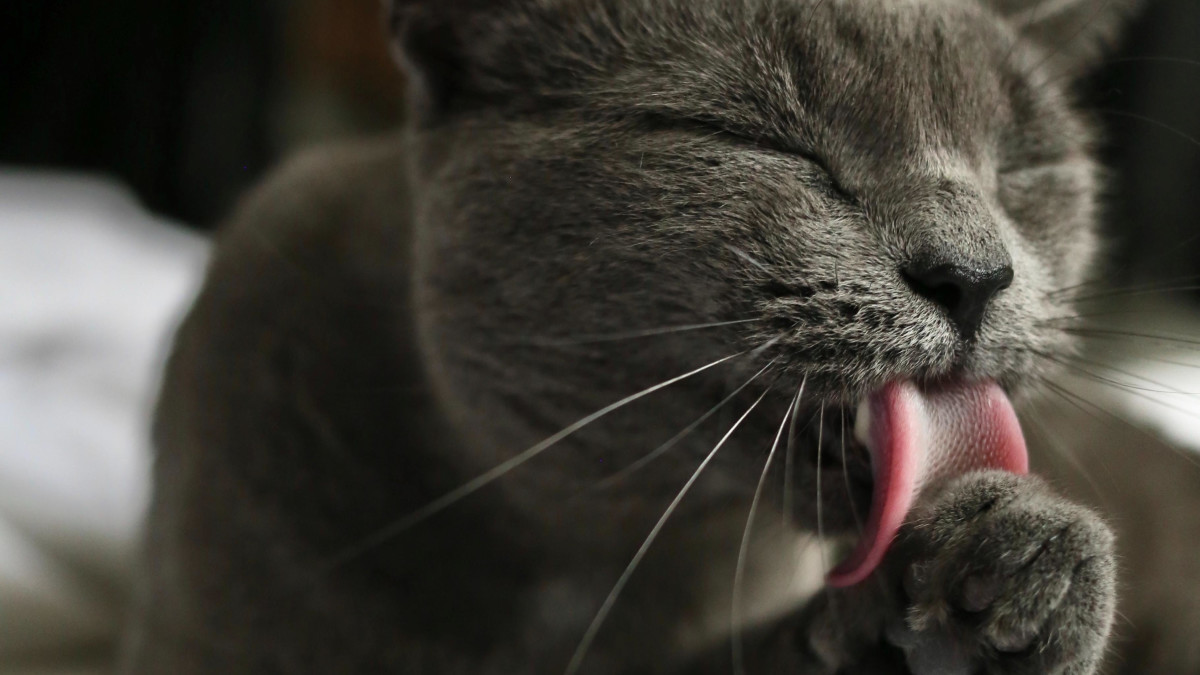
Cats use their tongues to clean fur and skin. They lick to remove dirt and loose hair. Grooming also spreads natural oils on their coats. This keeps their fur soft and shiny. Cats may also nibble or scratch to help remove debris.
Besides cleaning, grooming calms cats. It reduces stress and helps them relax. Cats groom after eating, waking, or before sleeping. They often spend a lot of time on this routine.
Frequency Of Grooming
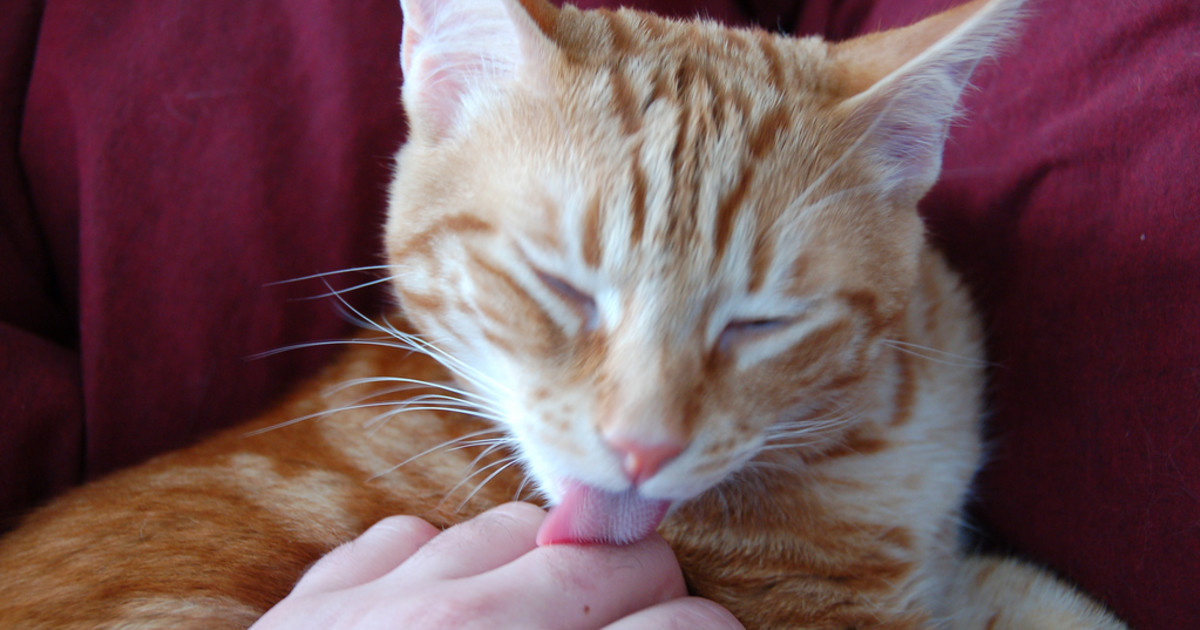
Healthy cats groom several times a day. The average cat spends about 30-50% of their day grooming. This means grooming can last for hours. Short grooming sessions happen often throughout the day.
Frequency depends on the cat’s age, breed, and health. Younger cats may groom more than older ones. Long-haired cats need extra grooming to avoid mats. Changes in grooming habits can indicate health problems.
Credit: pethelpful.com
Health Issues Affecting Grooming
When your cat stops grooming herself, it might be a sign that something is wrong beneath the surface. Health problems can interfere with your cat’s natural grooming habits, making her fur look dull or matted. Understanding these health issues can help you spot problems early and provide the care your cat needs.
Skin Conditions
Skin problems like allergies, infections, or parasites can make grooming painful or uncomfortable for your cat. If your cat has itchy, inflamed, or scaly skin, she might avoid licking those areas. You might notice hair loss or constant scratching, which means it’s time to check with your vet.
Dental Problems
Have you ever tried brushing your teeth with a sore mouth? Your cat faces the same struggle if she has dental pain. Tooth decay, gum disease, or mouth sores can make licking and grooming painful, leading your cat to skip these important routines. Look for signs like bad breath, drooling, or reluctance to eat hard food.
Arthritis And Pain
Older cats or those with arthritis may find it hard to reach all parts of their body. Joint pain can limit their flexibility, so grooming becomes a tough task. Notice if your cat stops cleaning her back or tail area—this could be a sign she’s hurting and needs support from you or your vet.
Emotional And Psychological Factors
Emotional and psychological issues can stop a cat from grooming itself. Cats rely on grooming to stay clean and healthy. Stress, anxiety, and depression can affect this behavior deeply. Understanding these factors helps in caring for your cat better.
Stress And Anxiety
Stress can come from many sources like loud noises, new pets, or changes in routine. An anxious cat may stop grooming because it feels unsafe or distracted. Stress also causes physical tension, making grooming uncomfortable.
Signs of stress include hiding, aggression, or excessive meowing. Grooming is a calming activity, but anxiety might block this instinct. Reducing stress with quiet spaces and gentle attention helps your cat feel secure.
Depression In Cats
Depression is less obvious but affects grooming too. A sad or depressed cat may ignore self-care entirely. Loss of appetite, lethargy, and withdrawal often come with poor grooming.
Depression can follow trauma, illness, or loss of a companion. Providing love, playtime, and routine support can improve their mood. Sometimes, a vet visit is needed to rule out medical causes.
Credit: www.preventivevet.com
Age And Physical Limitations
Cats are usually very clean animals. Grooming is a big part of their daily life. But as cats get older or face physical problems, grooming can become hard. Age and physical limits often stop cats from cleaning themselves well. Understanding these factors helps us care for them better.
Senior Cats
Older cats may struggle with grooming. Their joints can become stiff and painful. This makes bending and reaching spots tough. Senior cats might also lose flexibility. Their energy levels drop, so grooming feels tiring. Sometimes, they forget the habit or cannot keep up.
Signs your senior cat may need help:
- Mattes or knots in fur
- Oily or dirty coat
- Bad smell from fur
- Visible skin problems
Injuries And Mobility
Injuries can stop cats from grooming. A hurt paw, leg, or back limits movement. Cats avoid painful areas, leaving fur unclean. Arthritis also reduces mobility and comfort. Limited mobility means cats cannot reach all body parts.
Watch for these signs:
- Reluctance to jump or climb
- Swelling or limping
- Changes in behavior or mood
- Areas of fur missing or dirty
Environmental Influences
Cats are usually clean and diligent groomers. They spend hours licking and cleaning their fur. But sometimes, environmental factors can disrupt this routine. Changes in their surroundings or lack of stimulation can lead to neglect in grooming.
Changes In Surroundings
A cat’s environment plays a key role in its behavior. If there are sudden changes, it can affect their grooming habits. Moving to a new home or rearranging furniture might unsettle them. Loud noises or new pets can also cause stress. This stress may lead to decreased grooming. Cats prefer a stable, quiet environment. They need time to adjust to new settings.
Lack Of Stimulation
Cats need mental and physical stimulation. A dull environment might make them less active. Without toys or interaction, they can become bored. Boredom can result in less grooming. Providing toys or playtime can help. Consider interactive toys or climbing trees. These can keep them entertained and active. An engaged cat is more likely to groom regularly.
Solutions To Encourage Grooming
Encouraging your cat to groom herself again can take a bit of patience and attention to her needs. Understanding why she stopped grooming helps you find the right solutions. Here are practical ways to support her return to a healthy grooming routine.
Regular Vet Checkups
Health issues often stop cats from grooming. Pain, dental problems, or skin conditions can make grooming uncomfortable or impossible.
Schedule vet visits to catch hidden problems early. Your vet can recommend treatments or pain relief to help your cat feel better and more willing to groom.
Have you noticed changes in her behavior or appetite along with grooming issues? Mention these to your vet for a fuller picture.
Improving Comfort And Mobility
Older cats or those with arthritis might struggle to reach certain areas. Improving her comfort can make grooming easier.
Try providing soft bedding and easy-to-access resting spots. Gentle massage or light stretching exercises can also help with joint stiffness.
Small changes, like trimming her nails to prevent pain or using ramps for easier movement, can make a big difference.
Reducing Stress
Stress can cause cats to stop grooming. Changes in the home, new pets, or loud noises may be the culprits.
Create a calm environment with quiet spaces and familiar scents. Using pheromone diffusers or playing soft music can soothe your cat’s nerves.
Observe her triggers. Does she stop grooming after visitors leave or during thunderstorms? Understanding this can guide your calming strategies.
Assisted Grooming Techniques
If your cat isn’t grooming herself, you can help by gently brushing her fur daily. This keeps her coat clean and reduces mats.
- Use a soft brush or comb designed for cats.
- Brush in the direction of hair growth to avoid discomfort.
- Be gentle around sensitive areas like the belly and tail.
Regular grooming sessions can also strengthen your bond. Try to make it a relaxing time with treats and praise. Have you tried using grooming gloves or wipes? They can be a less intimidating way to start.
Frequently Asked Questions
Why Is My Cat Not Grooming Herself Regularly?
Cats may stop grooming due to illness, pain, or stress. Dental issues, arthritis, or skin infections can cause discomfort. Behavioral changes or anxiety also affect grooming habits. A vet checkup is important to identify and treat underlying causes promptly.
Can Stress Cause A Cat To Stop Grooming?
Yes, stress can lead cats to neglect grooming. Changes in environment, new pets, or loud noises can trigger anxiety. Stress disrupts normal routines and self-care. Providing a calm, secure space helps reduce stress and encourages grooming.
How Does Illness Affect A Cat’s Grooming Behavior?
Illness often reduces a cat’s grooming activity. Pain, fatigue, or fever make grooming difficult or uncomfortable. Conditions like arthritis or skin diseases interfere with mobility and cause discomfort. Early veterinary diagnosis ensures proper treatment and restores grooming habits.
Could Dental Problems Prevent My Cat From Grooming?
Dental pain can discourage cats from grooming. Mouth discomfort makes cleaning fur painful, leading to neglect. Regular dental checkups and cleanings help detect issues early. Treating dental problems improves comfort and encourages normal grooming behavior.
Conclusion
Cats may stop grooming due to health or stress issues. Watch your cat closely for changes in behavior. Regular vet visits can help catch problems early. You can help by keeping their environment calm and clean. Grooming is important for your cat’s health and happiness.
Taking small steps can make a big difference. Remember, your cat relies on you for care and comfort. Stay patient and observant to support your furry friend.




Leave a Reply