Are you looking for fun and easy ways to keep your cat and dog entertained? Making your own pet toys can be a rewarding experience that saves money and strengthens your bond with your furry friends.
Imagine seeing your pets happily playing with toys you crafted yourself—it’s possible, and simpler than you think. In this guide, you’ll discover step-by-step tips to create safe, engaging toys that your pets will love. Ready to bring more joy and excitement to your pet’s playtime?
Let’s get started!
Materials Needed
Choosing the right materials is key to making safe and fun toys for cats and dogs. These materials must be gentle on your pet’s skin and strong enough to last. This section covers the basic supplies you need for creating pet toys at home.
Safe Fabrics And Textiles
Pick fabrics that are soft and durable. Cotton and fleece are great choices. Avoid materials that shed easily or have small parts that can come off. Look for fabrics that can be washed often to keep toys clean.
Non-toxic Fillings
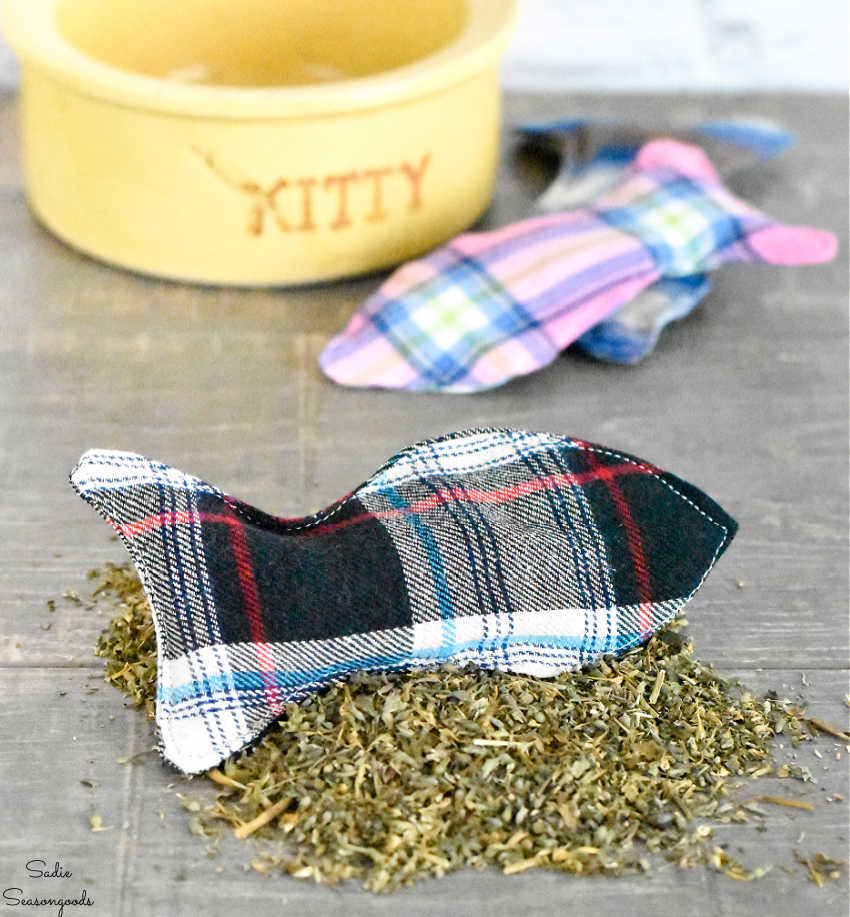
Fillings should be safe if your pet chews or swallows some stuffing. Use polyester fiberfill or cotton batting. Avoid foam or beads, which can be harmful. Natural materials like dried herbs or catnip work well for cats.
Essential Tools
- Sharp scissors for clean cuts
- Needle and thread or a sewing machine
- Fabric glue for quick fixes
- Measuring tape or ruler
- Markers or chalk for fabric marking
Simple Cat Toy Ideas
Simple cat toys keep your feline friend happy and active. They are easy to make and use common household items. These toys encourage your cat to jump, chase, and pounce. Making toys at home saves money and ensures safe play. Here are some fun ideas you can try today.
Feather Wand
A feather wand is a classic toy that cats love. Use a stick or pencil as the base. Attach a few colorful feathers to one end with string or tape. Move the wand slowly to mimic the movement of a bird. This stimulates your cat’s hunting instincts and provides great exercise.
Sock Mice
Sock mice are soft and fun for cats to bat around. Take an old sock and fill it with cotton or fabric scraps. Tie the end tightly to close it. Add a few drops of catnip inside for extra attraction. You can also sew on small buttons or fabric pieces for eyes and ears.
Pom-pom Balls
Pom-pom balls are light and easy to toss. Use yarn to create a small, fluffy ball by wrapping it around your fingers. Tie the yarn securely in the middle and cut the loops to form a ball. These balls are safe and fun for cats to chase across the floor.
Easy Dog Toy Projects
Making your own dog toys can be a fun and rewarding experience. It not only saves money but also lets you customize toys to fit your dog’s personality and play style. These easy dog toy projects use simple materials you probably already have at home, so you can get started quickly and safely.
Tug Rope
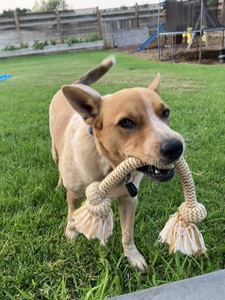
A tug rope is a classic dog toy that encourages interactive play and strengthens your bond with your pet. To make one, grab some old t-shirts or fleece fabric and cut them into strips.
Braid the strips tightly and knot the ends to create a durable rope. This toy is great for games like tug-of-war and can even help with your dog’s dental health by massaging their gums.
Treat-dispensing Toys
Treat-dispensing toys keep your dog entertained and mentally stimulated. You can easily create one by taking a plastic bottle and cutting holes just big enough for treats to fall out.
Fill the bottle with your dog’s favorite small treats or kibble, and watch as they figure out how to roll and shake it to get the goodies. Just make sure to remove the cap and any sharp edges before giving it to your dog.
Tennis Ball Puzzle
Turn a simple tennis ball into a brain teaser for your dog. Cut a slit or small hole in the ball, large enough to insert treats but not so big that they fall out too easily.
Hide treats inside and let your dog figure out how to get them. This toy challenges your dog’s problem-solving skills and keeps them busy for longer periods.

Credit: www.youtube.com
Step-by-step Crafting Tips
Choose safe materials like soft fabric or rope for making pet toys. Cut pieces carefully and sew or tie them securely. Test the toy’s strength to ensure it lasts during playtime.
Crafting toys for your furry friends can be a rewarding experience that not only saves money but also provides a personalized touch. Whether you have a curious cat or a playful pup, making toys at home ensures they’re tailored to your pet’s preferences. Here are some step-by-step crafting tips to guide you through creating engaging toys that will keep your pet entertained for hours.Measuring And Cutting
Accurate measurements are crucial for a successful DIY pet toy. Begin by choosing a soft, durable fabric like fleece or cotton. Use a measuring tape to determine the size of the toy based on your pet’s size—small toys for cats, larger ones for dogs. Once you’ve decided on the dimensions, mark the fabric with chalk. This ensures clean lines and makes cutting easier. Use sharp scissors to cut along the lines, maintaining precision to avoid uneven edges.Sewing Techniques
Even if you’re a beginner at sewing, creating pet toys is a great way to practice. Start by using a basic running stitch to sew the pieces of fabric together. Make sure to leave a small opening for stuffing. For added durability, reinforce the seams with a backstitch. This makes the toy last longer, even when subjected to rough play. Use a needle and thread color that complements your fabric for a neat finish.Adding Interactive Elements
Consider what excites your pet. Adding bells inside the toy can captivate a cat’s attention. For dogs, inserting a squeaker can make playtime more engaging. Secure these elements within the stuffing to ensure they don’t fall out during play. If you’re working with a cat toy, adding a pinch of catnip can make it irresistible. Always ensure the toy is safely sealed to prevent any choking hazards. Crafting pet toys is not just about the end product; it’s about the joy of making something special for your pet. Have you ever thought about how these little projects can strengthen the bond between you and your furry companion? Give it a try and watch your pet’s excitement grow!Safety Tips For Diy Toys
Creating DIY toys for your cat or dog can be a rewarding experience, but safety should always come first. Homemade toys need to be as secure as store-bought ones to protect your furry friends from accidents. Let’s focus on key safety tips to keep your pets happy and healthy while they play.
Avoiding Choking Hazards
Small parts can easily become choking hazards. Avoid using buttons, beads, or anything your pet can swallow. Instead, choose larger pieces that your pet can’t fit entirely in their mouth.
Think about the size and shape of each component. If it looks like it could get stuck in your pet’s throat, it’s best to leave it out. Remember, even seemingly harmless items like strings or ribbons can cause serious problems if ingested.
Choosing Durable Materials
Pets, especially dogs, can be tough on toys. Use strong materials like thick fabric, rope, or rubber that won’t tear or break easily. This prevents your pet from swallowing bits that could cause blockages.
Try to avoid toxic materials like certain plastics or treated fabrics. Natural fibers like cotton or fleece are usually safer and gentler on your pet’s teeth. Have you ever seen a toy fall apart after just one play session? Durable materials save you time and keep your pet safe.
Supervised Playtime
Even the safest toys can become dangerous if left unattended. Always watch your pet during play, especially with new homemade toys. This way, you can quickly remove any parts that break or cause trouble.
Supervised play also helps you learn what types of toys your pet enjoys and handles well. Could a simple change in design make your pet’s playtime safer and more fun? Keeping an eye on your pet is the best way to find out.
Credit: www.sadieseasongoods.com
Customizing Toys For Your Pet
Customizing toys for your pet makes playtime more fun and safe. Each pet has unique needs and preferences. Creating toys that fit their size, favorite smells, and play style keeps them happy. Tailoring toys also helps avoid boredom and promotes healthy activity.
Considering Pet Size And Breed
Choose toy size based on your pet’s body. Small dogs and cats need smaller toys. Large dogs need bigger, tougher toys to avoid choking hazards. Breed traits affect toy choice too. Active breeds enjoy durable and interactive toys. Gentle breeds may prefer soft and cuddly ones.
Incorporating Favorite Scents
Pets love familiar smells. Add scents like lavender or chamomile to calm them. Use pet-safe essential oils or sprinkle a bit of their food scent. Avoid strong or harmful fragrances. Scented toys create comfort and attract your pet to play more.
Adjusting Toy Complexity
Simple toys work well for young or less active pets. Complex toys challenge smart and energetic pets. Use puzzles, treat dispensers, or toys with moving parts. Change toy difficulty over time to keep your pet engaged. Watch how they respond and adjust as needed.
Credit: midlandlibrary.com
Frequently Asked Questions
What Materials Are Best For Homemade Pet Toys?
Safe, non-toxic materials like cotton, felt, and natural fibers work best. Avoid small parts that pets can swallow. Durable fabrics ensure long-lasting play and safety.
How Can I Make Toys Suitable For Both Cats And Dogs?
Choose versatile designs like soft balls or tug toys. Use pet-safe materials and ensure toys match both pets’ size and play style.
Are Diy Pet Toys Safer Than Store-bought Ones?
Homemade toys offer control over materials and size. However, ensure they are well-made and inspected regularly to avoid choking or ingestion hazards.
How Often Should I Replace Homemade Pet Toys?
Replace toys showing wear or damage immediately. Regularly check for loose parts or tears to keep pets safe during playtime.
Conclusion
Making toys for your cat and dog can be fun and rewarding. You save money and create items your pets will love. Use safe materials and simple steps to keep pets happy. Handmade toys also help pets stay active and healthy.
Try different ideas and see what your pets enjoy most. Enjoy the process and share your creations with friends. Small efforts bring big smiles to your furry friends. Keep crafting and watching your pets play joyfully.



Leave a Reply