Is your cat constantly licking or biting its fur until the skin looks raw? Over grooming in cats isn’t just a bad habit—it can be a sign of stress, allergies, or health problems.
If you’ve noticed your furry friend spending too much time grooming, you might feel worried and unsure about what to do next. The good news is that you can help your cat feel better and stop this behavior before it causes serious harm.
You’ll discover simple and effective ways to treat over grooming in cats, so your pet can be comfortable, happy, and healthy again. Keep reading to learn how to spot the signs, understand the causes, and take action that truly works.

Credit: www.latimes.com
Causes Of Over Grooming
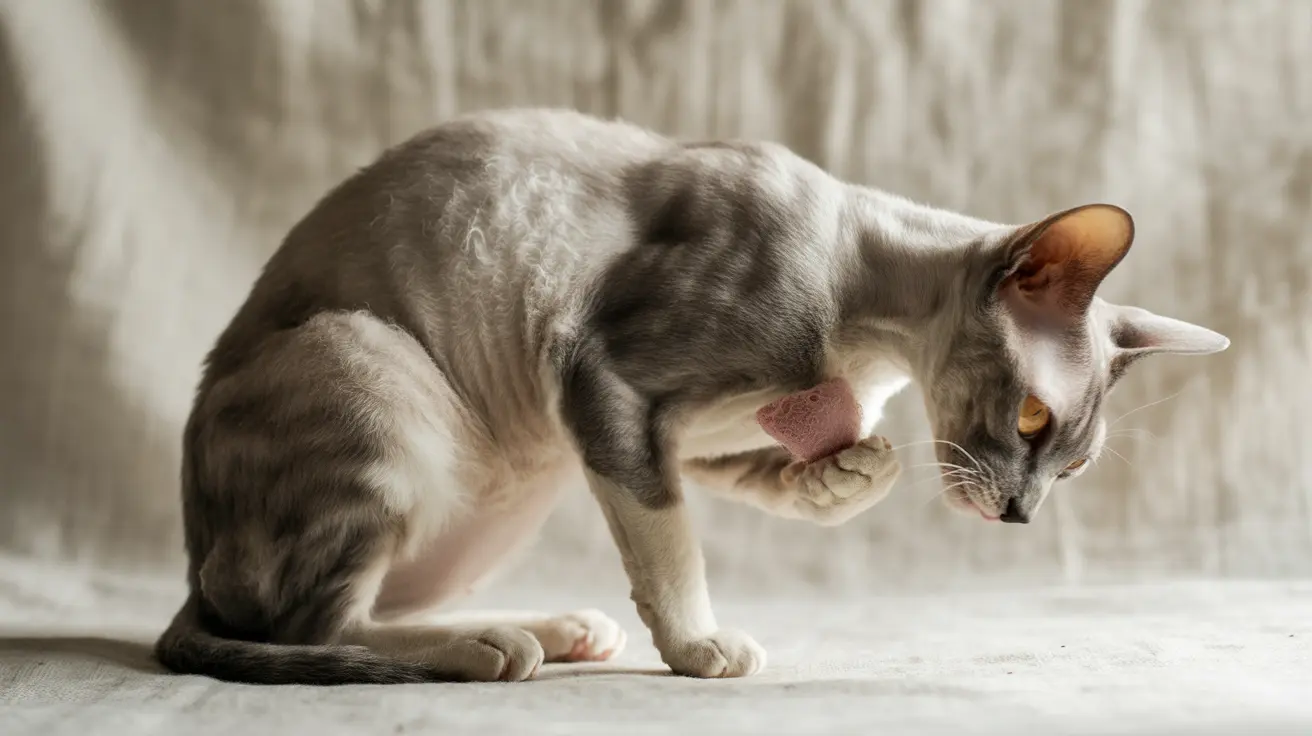
Over grooming in cats is a common issue that can signal deeper problems. Understanding the causes helps in providing the right care. Cats may groom themselves too much due to physical discomfort or emotional stress. Identifying the root cause is essential for effective treatment.
Stress And Anxiety
Stress triggers over grooming in many cats. Changes in the environment or routine cause anxiety. Loud noises, new pets, or moving homes can upset them. Grooming acts as a way to calm down. Persistent stress leads to excessive licking and hair loss.
Allergies And Skin Irritations
Allergies often cause itching and discomfort. Food, pollen, or dust can irritate the skin. Cats may lick or bite the affected areas to find relief. This behavior can worsen the skin condition. A vet can help identify and treat allergies properly.
Parasites And Infections
Fleas, mites, and ticks irritate a cat’s skin. These parasites cause itching and sores. Cats respond by grooming excessively to reduce irritation. Skin infections can also result from constant licking. Proper parasite control and medical care are crucial.
Behavioral Factors
Some cats develop grooming habits due to boredom. Lack of stimulation or play causes them to lick too much. Obsessive grooming can become a repetitive behavior. Providing toys and interaction helps reduce this habit. Behavioral issues may need professional advice.
Credit: www.petscare.com
Identifying Over Grooming Signs
Over grooming in cats can signal health or emotional issues. Spotting the signs early helps protect your cat’s skin and fur. Watch your cat closely to catch symptoms of over grooming.
Bald Patches And Redness
Bald spots appear where your cat licks or chews too much. The skin beneath may look red or irritated. These areas can be sensitive or sore to touch. Check places like the belly, legs, and tail base.
Excessive Licking And Chewing
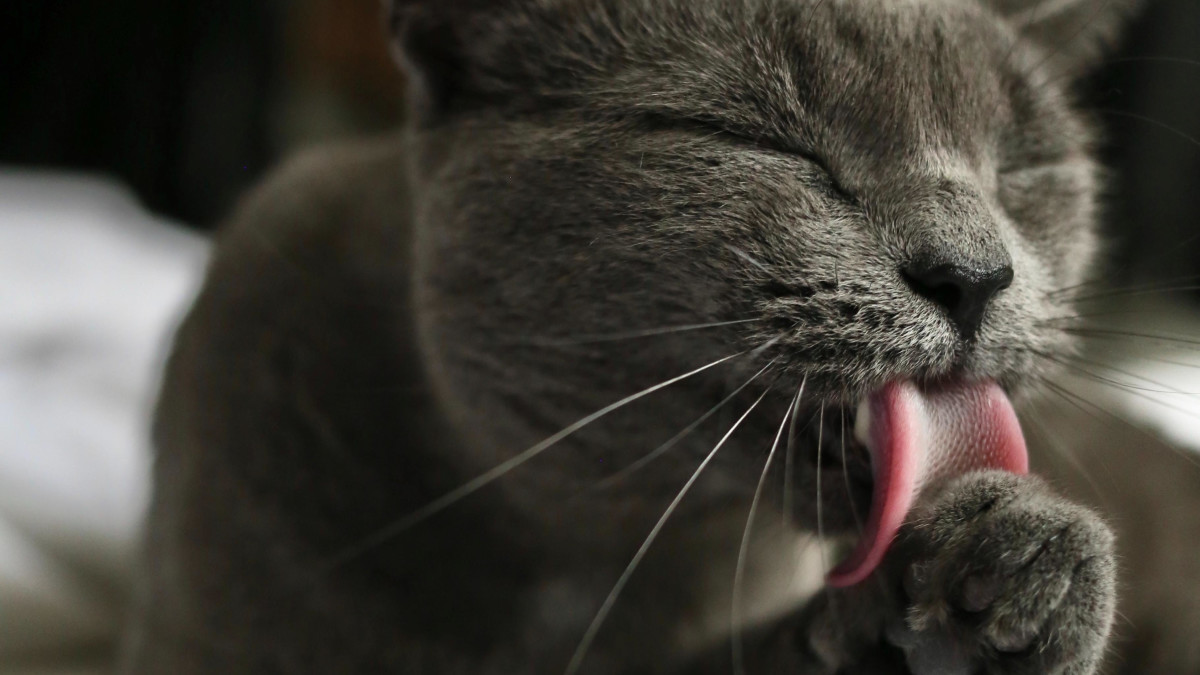
Notice if your cat grooms more than usual. Licking and chewing repeatedly on the same spot is a red flag. It may seem like a habit but often shows discomfort or stress. This behavior can worsen skin damage over time.
Changes In Behavior
Over grooming often comes with shifts in mood or activity. Your cat may become restless or hide more often. Watch for signs of anxiety or irritability. These changes might hint at underlying problems causing over grooming.
Veterinary Diagnosis
Veterinary diagnosis plays a vital role in treating over grooming in cats. It helps identify the root cause of this behavior. A thorough diagnosis guides the right treatment plan. Veterinarians use various tools to understand the problem better. These include physical checks, tests, and behavior studies. Each step reveals important clues about your cat’s health.
Physical Examination
The vet starts with a close physical examination. They check the skin and fur for signs of injury or infection. Look for redness, wounds, or hair loss areas. The vet also examines the ears, eyes, and mouth. This helps rule out other health issues. A full body check ensures no hidden problems exist. The vet may also feel the cat’s body for lumps or pain.
Skin Tests And Allergy Screening
Skin tests help find allergies or infections causing over grooming. The vet may take skin scrapings to check for mites or fungi. Allergy screening identifies reactions to food or environment. Blood tests can also help detect allergies. These tests narrow down possible causes. Accurate results allow targeted treatment to relieve discomfort.
Behavioral Assessment
Behavioral assessment focuses on the cat’s habits and environment. The vet asks about daily routines, stress levels, and changes at home. Stress and anxiety often trigger over grooming. Understanding these factors helps address emotional causes. Sometimes, the vet may suggest consulting a pet behaviorist. This step improves the cat’s mental well-being and reduces over grooming.

Credit: www.latimes.com
Treatment Options
Treating over grooming in cats involves identifying stress triggers and providing a calm environment. Using calming sprays or collars and consulting a vet for medication can help reduce excessive licking. Offering toys and regular playtime also distracts cats from over grooming.
Cats are known for their grooming habits, but when grooming turns into over-grooming, it can signal underlying issues. Addressing this behavior early can prevent further health complications and improve your cat’s quality of life. Here are some treatment options you can consider.Medical Treatments
When over-grooming stems from medical issues, a visit to the veterinarian is crucial. They can diagnose conditions like allergies, infections, or parasites that might be causing discomfort. Medications, such as antihistamines or topical treatments, may be prescribed to alleviate symptoms. Regular check-ups can catch issues before they escalate. Consult with your vet to tailor a treatment plan that suits your cat’s specific needs.Behavioral Therapy
Sometimes, over-grooming is linked to stress or anxiety. Identifying triggers, like a new pet or changes in the home, can help you address the root cause. Behavioral therapy focuses on reducing stress through positive reinforcement and creating a stable environment. You might find that extra playtime or interactive toys can distract your cat from over-grooming. Have you considered how your daily routine affects your cat’s behavior?Environmental Enrichment
A stimulating environment can deter over-grooming by keeping your cat engaged. Introduce a variety of toys, scratching posts, and climbing structures to provide both mental and physical exercise. Rotate toys to maintain interest and challenge your cat with puzzle feeders. An enriched environment not only curbs over-grooming but also enhances your cat’s overall happiness. Incorporating these strategies can make a significant difference in your cat’s behavior. Have you tried any of these methods, and what changes did you observe?Home Care Tips
Over grooming in cats can be stressful for both you and your furry friend. Luckily, there are simple home care strategies that can help reduce this behavior and support your cat’s well-being. Paying close attention to your cat’s environment and daily routine plays a big role in calming their nerves and promoting healthier habits.
Calming Techniques
Your cat’s over grooming often signals anxiety or stress. Try creating a quiet, safe space where your cat can retreat without disturbances. Soft music or white noise can also help soothe your cat’s nerves during noisy or busy times.
Interactive toys and puzzle feeders keep your cat mentally engaged, reducing boredom that triggers over grooming. Have you noticed how your cat reacts to gentle petting or brushing? Many cats find slow, rhythmic strokes calming, which can distract them from excessive licking.
Proper Nutrition
Good nutrition supports your cat’s skin and overall health, which may reduce the urge to over groom. Feeding a balanced diet rich in omega-3 and omega-6 fatty acids helps maintain a healthy coat and skin barrier.
Consider discussing with your vet about hypoallergenic or special diets if food allergies are suspected. Do you observe any connection between your cat’s diet and flare-ups of over grooming? Keeping a food journal can reveal patterns you might otherwise miss.
Regular Grooming
Regular grooming provides physical comfort and bonding time for you and your cat. Brushing removes loose fur and reduces skin irritation, which can decrease your cat’s need to groom excessively.
Be gentle and patient, especially if your cat is already stressed. Use soft brushes and short grooming sessions to keep the experience positive. Have you tried grooming your cat during calm moments to build trust and reduce anxiety?
Preventing Future Over Grooming
Preventing future over grooming is key to keeping your cat healthy and happy. Over grooming often signals stress or discomfort. Avoiding the causes helps reduce this behavior. Creating a calm, stimulating environment supports your cat’s well-being.
Reducing Stress Triggers
Stress causes many cats to groom excessively. Identify what makes your cat anxious. Common triggers include loud noises, changes in routine, or new pets.
- Keep a quiet space for your cat to retreat.
- Maintain a consistent daily schedule.
- Introduce new pets slowly and carefully.
- Use calming sprays or diffusers designed for cats.
Routine Health Checks
Regular vet visits prevent health problems linked to over grooming. Skin infections, allergies, or parasites may cause discomfort. Early detection stops these issues from worsening.
- Schedule check-ups every six months or as advised.
- Monitor your cat’s skin and coat for changes.
- Discuss any grooming changes with your vet promptly.
Interactive Play
Playtime reduces boredom and stress in cats. Engaging toys and activities distract from over grooming habits. Mental and physical exercise keeps cats balanced and calm.
- Use wand toys or laser pointers for active play.
- Offer puzzle feeders to challenge your cat’s mind.
- Set aside daily play sessions to build routine.
Frequently Asked Questions
What Causes Over Grooming In Cats?
Over grooming in cats is often caused by stress, allergies, parasites, or skin infections. Identifying the root cause is crucial for effective treatment. Behavioral issues like anxiety can also trigger excessive licking or chewing. Consulting a vet helps determine the exact cause and appropriate care.
How Can I Stop My Cat From Over Grooming?
To stop over grooming, address underlying causes like allergies or stress. Provide a calm environment and use vet-recommended treatments. Regular grooming and interactive play reduce anxiety. In severe cases, medication or behavior therapy may be necessary to control excessive grooming habits.
When Should I See A Vet For Cat Over Grooming?
See a vet if your cat’s skin is red, bald, or bleeding. Persistent licking or chewing lasting more than a week needs professional evaluation. Early vet intervention prevents infections and identifies health or behavioral issues causing over grooming.
Can Diet Affect My Cat’s Over Grooming Behavior?
Yes, diet can impact over grooming. Food allergies or nutritional deficiencies may cause skin irritation and itching. Switching to hypoallergenic or balanced diets often helps reduce excessive grooming. Consult your vet before making dietary changes to ensure proper nutrition and allergy management.
Conclusion
Over grooming in cats needs care and patience. Watch your cat closely for signs of stress or pain. Provide a calm and safe space for your pet. Try to keep your cat active and entertained daily. Visit the vet if the problem stays or worsens.
Early care helps your cat feel better fast. Treating over grooming keeps your cat happy and healthy. Small changes can make a big difference in recovery. Stay gentle and consistent with your cat’s needs. Your love and attention will help your pet heal.

Leave a Reply