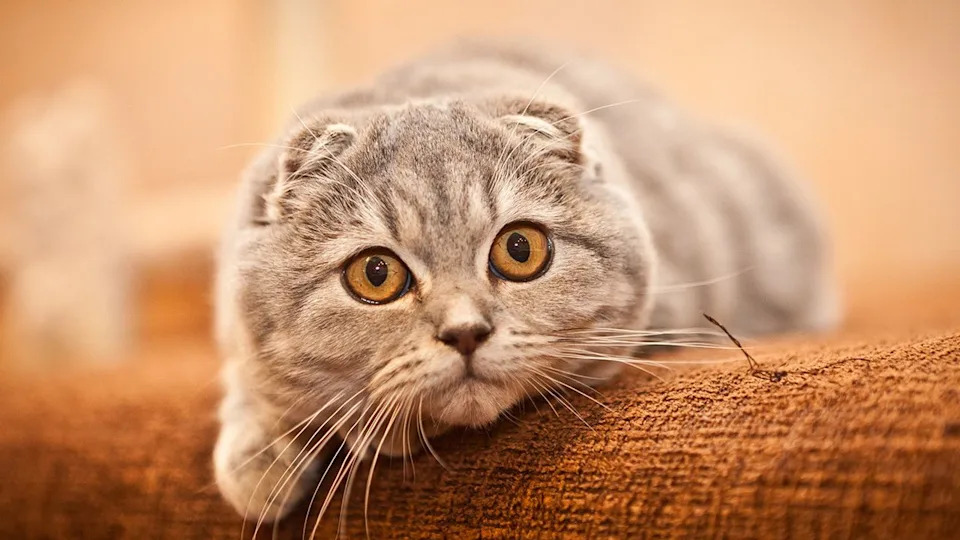
Do you have a skittish cat that hides at the slightest noise? You might wonder if breeding your cat could help calm their nervous nature.
Many cat owners ask, “Does breeding a skittish cat mellow them out? ” If you want to understand how breeding affects your cat’s behavior and whether it can bring peace to your home, keep reading. This article will reveal surprising insights that could change how you see your shy feline friend.
Skittish Cats And Their Nature
Skittish cats often leave their owners wondering if their nervous behavior will ever calm down. Their natural tendencies can make them seem distant or overly cautious. Understanding what makes these cats tick is the first step toward helping them feel safe and perhaps even more relaxed over time.
Traits Of Skittish Cats
Skittish cats usually display quick reflexes and heightened alertness. They tend to startle easily at sudden noises or movements. These cats often prefer hiding spots and may avoid direct interaction, especially with strangers.
They might also show:
- Rapid tail flicking or twitching
- Wide, dilated pupils
- Attempting to flee when approached too quickly
These signs aren’t just cute quirks—they’re survival instincts in action.
Common Causes Of Fearfulness
Fear in skittish cats often stems from past trauma or lack of socialization during kittenhood. Loud environments, unfamiliar people, or other pets can trigger their anxiety. Even something as simple as a change in routine can make a timid cat uneasy.
Think about your own experiences with fear—does a sudden change unsettle you? Cats are no different, and their reactions are very much tied to their environment and history.
Behavioral Patterns In Timid Cats
Timid cats may show a mix of avoidance and defensive behaviors. They often freeze, hide, or retreat rather than confront a perceived threat. Sometimes, they might hiss or swat if cornered, which is more about self-protection than aggression.
These cats might also:
- Become more active at night when the house is quiet
- Follow you cautiously from a distance
- Slowly warm up only to familiar people over time
How patient are you willing to be with your cat’s process of trust-building? Their pace is often slower but worth respecting.
Breeding And Temperament
Understanding the connection between breeding and a cat’s temperament is key if you’re hoping to see changes in a skittish cat’s behavior. Many pet owners wonder if breeding can calm a nervous cat or if personality traits are set in stone. The truth lies in how genetics and selective breeding influence behavior, but it’s not a simple switch you can flip.
Genetic Influence On Cat Behavior
Genes play a significant role in shaping a cat’s personality. Traits like shyness, aggression, or friendliness often have genetic roots passed down from parent cats.
However, environment and socialization also impact how these traits show up. Even a cat with shy genes might become more confident with the right care and exposure.
Think about your own experience: have you noticed personality differences between siblings? That’s genetics at work, mixed with their unique life experiences.
Can Breeding Change Personality?
Breeding can influence the likelihood of certain behaviors, but it doesn’t guarantee a complete personality overhaul. You might breed two calm cats and get kittens that are still quite nervous.
This happens because personality is a complex mix of many genes and how a cat interacts with its environment. Breeding can nudge tendencies but can’t erase deeply ingrained traits.
Ask yourself: Are you expecting breeding to fix behavior issues, or are you prepared to support each cat’s unique needs?
Selective Breeding Practices
Selective breeding focuses on choosing cats with desirable traits to produce kittens with those same qualities. Breeders often select for friendliness, calmness, or sociability in hopes of passing these on.
But selective breeding requires careful observation over several generations to see real changes in temperament. It’s not a quick fix.
If you’re considering breeding to mellow out a skittish cat, remember it’s a long-term commitment. Supporting a cat’s behavior through training and environment might be more effective for immediate results.
Breeding Skittish Cats Specifically
Breeding skittish cats specifically is a delicate task that requires patience and a deep understanding of feline behavior. These cats often react strongly to unfamiliar stimuli, making breeding efforts more complex than with more confident cats. If you are considering breeding a timid cat, it’s important to be prepared for unique challenges and uncertain outcomes.
Challenges In Breeding Timid Cats
Timid cats can be unpredictable during the breeding process. They may resist mating or become stressed by the presence of other cats and new environments.
Handling these cats requires extra care to avoid increasing their anxiety. This can slow down the breeding timeline and complicate efforts to produce healthy kittens.
Additionally, timid cats may need a calm, quiet space free from loud noises and sudden movements. Have you created a safe environment that meets these needs?
Expectations Vs Reality
You might expect that breeding a skittish cat will naturally result in offspring that are more mellow and social. However, this is not always the case.
Skittishness has a strong genetic component and can be passed down through generations. Trying to “breed out” shyness isn’t guaranteed to work.
Instead, focus on socializing kittens early and consistently. How you raise them can influence their confidence more than genetics alone.
Impact On Offspring Temperament
The temperament of the offspring often reflects a mix of genetics and environment. Kittens from shy parents may inherit a tendency toward caution.
Yet, with patient socialization and positive experiences, these kittens can grow into friendly, adaptable cats.
If you want kittens with calmer temperaments, start socializing them from day one. Introduce gentle handling, new sights, and sounds gradually to build their trust.
Credit: www.petsradar.com
Alternatives To Breeding For Calming Cats
Breeding a skittish cat does not guarantee a calmer temperament. Gentle handling, patience, and a quiet environment often help cats feel safer and more relaxed. Socializing cats slowly can also reduce fear and build trust over time.
When dealing with a skittish cat, you might wonder if breeding is the key to calming them down. However, there are several alternatives that can help create a more relaxed and comfortable environment for your feline friend. These methods focus on understanding your cat’s unique personality and needs, providing a more compassionate and effective approach.Behavioral Training Methods
Behavioral training is a powerful way to help your skittish cat gain confidence. Simple techniques like clicker training can work wonders. By associating positive experiences with specific actions, your cat learns to trust and feel secure. Consider starting with basic commands. Use treats as rewards to encourage desired behavior. Over time, your cat will associate these commands with positive outcomes.Environmental Enrichment
Cats thrive in an environment that stimulates their natural instincts. Ensure your home is filled with engaging toys, scratching posts, and climbing trees. These additions not only entertain but also provide an outlet for pent-up energy. Think about creating safe spaces where your cat can retreat when feeling overwhelmed. A cozy nook or a high perch can be a sanctuary, offering a sense of security and control.Patience And Socialization
Patience is essential when helping a skittish cat become more relaxed. Spend quality time with your feline, gradually increasing the time and type of interaction. Encourage socialization by introducing your cat to new experiences and people slowly. This gentle approach allows your cat to explore at their own pace, building trust and reducing anxiety over time. Have you ever noticed how some cats warm up to new people faster than others? It’s often a result of consistent socialization and patience. Ask yourself, how can you make your home a haven of comfort and security for your skittish cat?Expert Opinions And Research Findings
Understanding if breeding a skittish cat can mellow them out requires looking at what experts say and what research shows. Opinions vary, but solid evidence helps clarify how much temperament is influenced by genetics versus environment. Let’s examine what studies, veterinarians, and breeders reveal about this topic.
Studies On Cat Temperament Heritability
Scientific research indicates that some aspects of cat temperament are inherited, but the environment plays a big role too. Studies measuring heritability suggest traits like sociability and fearfulness have moderate genetic influence.
One study observed that kittens from anxious parents were more likely to display skittish behavior themselves. However, early socialization and consistent positive interactions often reduced these tendencies over time.
So, breeding alone doesn’t guarantee a calmer cat. Are you willing to invest in proper socialization alongside choosing breeding pairs?
Veterinarian Insights
Veterinarians often see the effects of both genetics and upbringing in feline behavior. They emphasize that a cat’s environment, stress levels, and health significantly impact their temperament.
Many vets recommend that breeders not only select for temperament but also provide enriched, low-stress environments. This helps kittens develop confidence and reduces skittishness.
If you’ve owned a nervous cat, you know how much patience and care it takes to help them relax. Vets suggest that breeding alone won’t erase fearfulness; ongoing support is crucial.
Breeder Experiences
Experienced breeders share mixed results about breeding skittish cats for calmer offspring. Some report improvement after several generations, while others find traits persist despite careful pairing.
Successful breeders often combine selective breeding with early handling and socialization. They introduce kittens to various sights, sounds, and people to encourage adaptability.
Breeders warn that expecting instant temperament changes through genetics alone is unrealistic. Would you consider adopting this dual approach if you want a mellow cat?
Credit: us.feliway.com

Credit: pethelpful.com
Frequently Asked Questions
Does Breeding Calm A Naturally Skittish Cat?
Breeding does not guarantee a skittish cat will become calm. Temperament is influenced by genetics and environment. Proper socialization and patience are key to helping anxious cats feel secure and relaxed over time.
Can Breeding Change A Cat’s Personality Traits?
Breeding can influence some traits but won’t drastically alter a cat’s personality. A skittish cat may pass on nervous tendencies. Environment and care play a bigger role in shaping behavior than breeding alone.
Is Breeding A Good Way To Reduce Cat Anxiety?
Breeding is not a reliable method to reduce anxiety in cats. Behavioral training and a safe environment work better to calm nervous cats. Focus on positive reinforcement and gradual exposure instead of breeding.
How Can I Help My Skittish Cat Become More Social?
Create a calm, safe space and use gentle socialization techniques. Offer treats and playtime to build trust slowly. Avoid sudden movements or loud noises. Patience and consistency are vital to help shy cats become more confident.
Conclusion
Breeding a skittish cat does not always make them calmer. Each cat has its own personality and needs time to adjust. Patience and gentle care help build their trust. Creating a safe space helps cats feel more relaxed. Small, consistent steps can improve their comfort around people.
Remember, change takes time, and every cat is different. Treat your cat with kindness and respect. This approach encourages a happier, more confident pet over time.



Leave a Reply