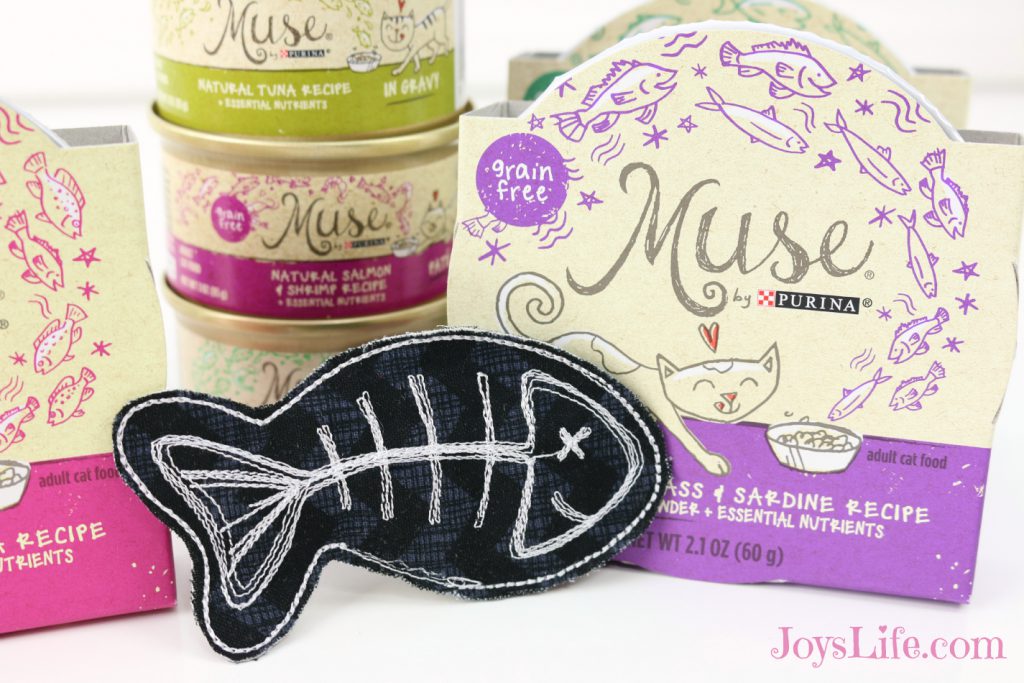
Are you looking for a fun and simple way to keep your cat entertained? Making a cat set toy at home can be easier than you think.
Not only will you save money, but you’ll also create something your furry friend will love. Imagine watching your cat pounce, chase, and play with a toy you made yourself. Ready to learn how? Keep reading, and you’ll discover step-by-step tips to craft the perfect cat set toy that will keep your pet happy and active.

Credit: www.youtube.com
Materials Needed
Gathering the right materials is key to making a safe and fun cat set toy. Choose items that cats enjoy but also keep them protected. Quality supplies help create durable toys that last and keep your cat happy.
Focus on simple, natural materials. Avoid anything sharp or toxic. Selecting the right tools also makes the crafting process smooth and enjoyable. Prepare everything before starting to save time and effort.
Safe And Cat-friendly Supplies
- Soft cotton fabric or felt
- Natural sisal rope or yarn
- Non-toxic stuffing like polyester fiberfill
- Catnip or dried herbs for scent
- Small bells or feathers (optional and safe)
- Strong, pet-safe glue or thread
- Scissors with rounded tips
Tools For Crafting
- Sharp fabric scissors for clean cuts
- Needle and strong thread for sewing
- Hot glue gun with low-temperature setting
- Measuring tape or ruler
- Marker or chalk for fabric markings
- Cutting mat to protect surfaces
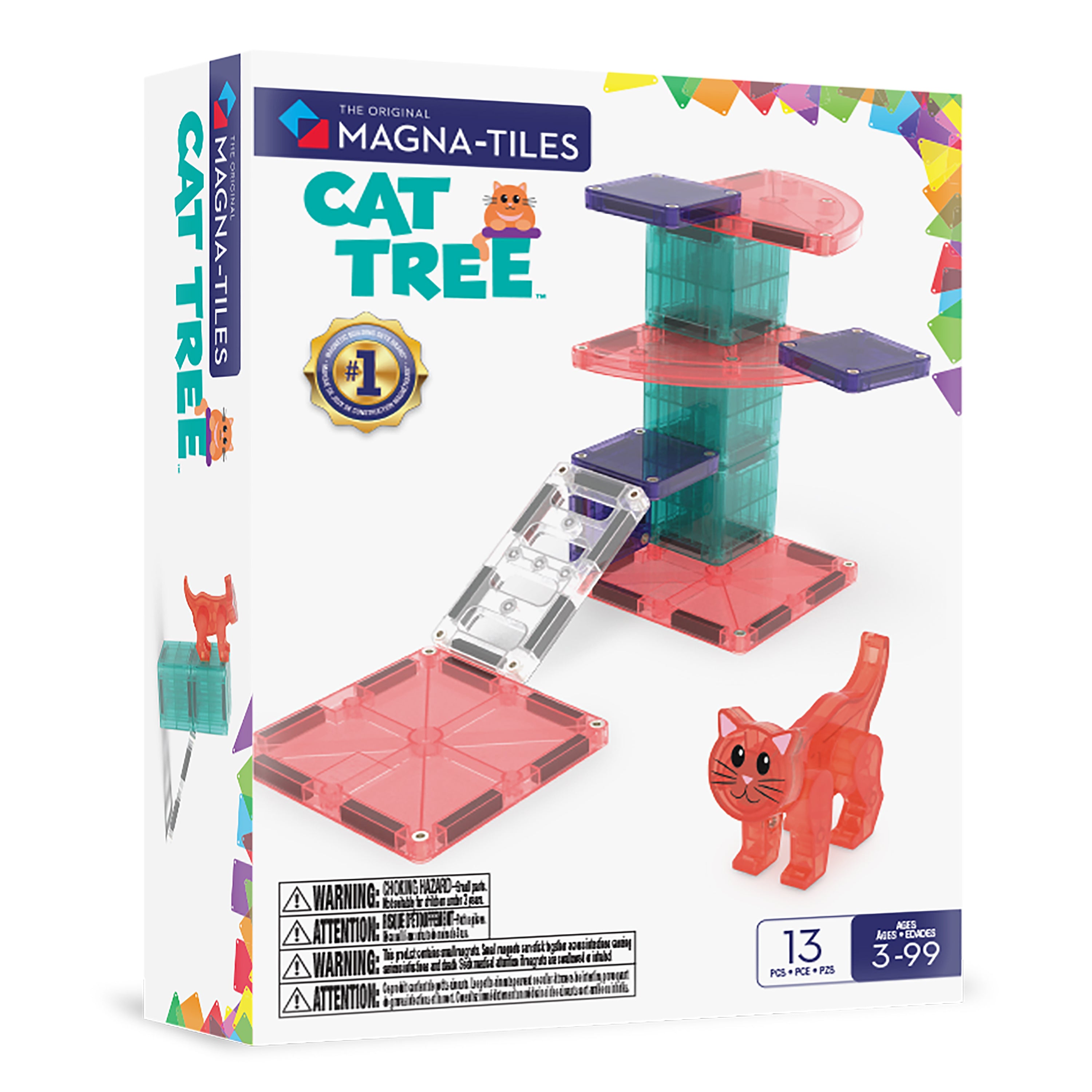
Credit: magnatiles.com
Simple Diy Cat Toys
Creating simple DIY cat toys is a fun way to keep your feline friend entertained without spending much money. These toys are easy to make and can be customized to your cat’s preferences. You’ll find that using everyday household items can spark your cat’s curiosity and encourage playful behavior.
Feather Wand Toy
A feather wand toy is a classic that cats love to chase. All you need is a stick or dowel, some string, and a few feathers. Tie the feathers securely to one end of the string, then attach the other end to the stick.
Wave the wand around to mimic the movement of a bird or small animal. This simple toy encourages your cat to jump and pounce, providing great exercise and mental stimulation. Have you noticed how your cat’s hunting instincts kick in with just a flick of the feathers?
Pom-pom Ball
Pom-pom balls are soft, lightweight, and perfect for batting around the house. You can make them easily with yarn—just wrap it around your fingers multiple times and tie it tightly before cutting the loops to form a ball.
These balls roll unpredictably, which keeps your cat engaged longer. Plus, they won’t damage your furniture or make noise that startles your pet. Try tossing one down a hallway and watch your cat sprint after it excitedly.
Crinkle Sock Toy
Turn an old sock into a crinkle toy by stuffing it with crinkly materials like plastic wrappers or paper. Tie the open end securely so nothing falls out during play. The crinkle sound grabs your cat’s attention right away.
Many cats enjoy batting and carrying around noisy toys. You might find your cat uses it as a comfort object or a prize to hide away. What makes your cat pick one toy over another? Experiment with different fillings to see what drives your cat wild.
Interactive Cat Toy Ideas
Interactive cat toys keep your pet active and happy. They also stimulate their minds and bodies. Creating homemade toys is fun and saves money. These ideas use simple materials found at home.
Treat-dispensing Puzzle
Use a small box or container with holes. Place treats inside for your cat to find. The cat will paw and nudge to get the treats out. This toy encourages problem-solving and rewards effort.
Diy Cat Tunnel
Make a tunnel using cardboard boxes or fabric tubes. Connect several boxes for a longer tunnel. Cats love hiding and running through tunnels. This toy supports exercise and curiosity.
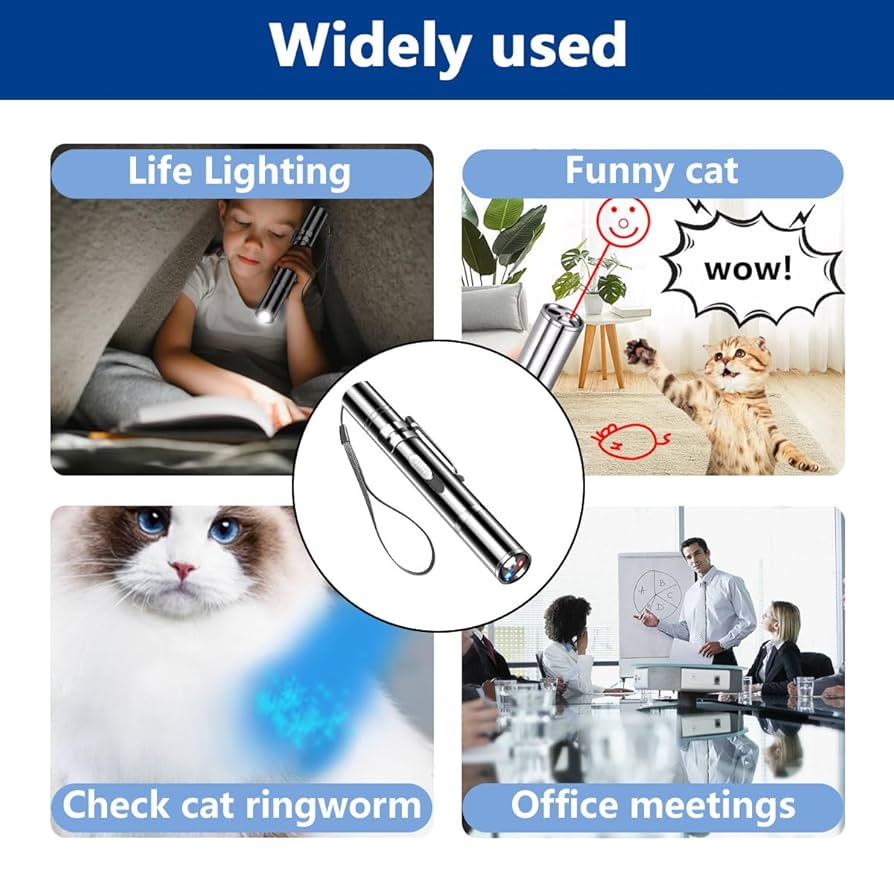
Homemade Laser Pointer Holder
Build a holder to move a laser pointer safely. Use a small box or plastic cup to hold the laser. Create a simple mechanism to move the light around. Cats chase the moving light, giving them good exercise.

Credit: www.amazon.com
Toy Assembly Tips
Assembling a cat set toy goes beyond just putting pieces together. The way you build it affects your cat’s safety and how long the toy lasts. Paying attention to construction details can make playtime more fun and worry-free for both of you.
Safe Construction Practices
Always choose materials that are non-toxic and free from sharp edges. Cats explore with their mouths, so avoid small parts that could be swallowed accidentally.
Secure all components tightly. Loose parts can become choking hazards or cause injury. Using strong glue or screws designed for pet toys helps keep everything in place.
Check for any exposed wires or splinters. Cover or sand them down to protect your cat’s paws and mouth. Safety isn’t just about materials but also how you finish the toy.
Durability Enhancements
Think about how your cat plays. Do they scratch vigorously or prefer gentle pawing? Choose fabrics and materials that can handle that kind of wear.
Reinforce weak spots with extra stitching or stronger adhesives. Double layers of fabric or thicker wood can prevent quick damage and save you from frequent repairs.
Test the toy by pulling or shaking it before giving it to your cat. If it feels flimsy, add more support. Durable toys keep your cat entertained longer and protect your investment.
Customization For Your Cat
Create a cat set toy by choosing safe materials and simple shapes your cat will enjoy. Personalize it with colors and textures to suit your cat’s play style. Small, soft parts work well for fun and safe playtime.
Customization for your cat can make their toy more engaging. Personalizing a cat set toy ensures your pet’s happiness. It allows you to tailor the toy to their preferences. This adds an extra layer of fun and interaction.Choosing Favorite Colors And Textures
Cats often have color and texture preferences. Observe which colors attract your cat the most. Some cats respond well to bright reds or blues. Others might prefer softer, muted colors. Texture plays a crucial role too. Some cats enjoy toys with soft fabrics. Others might prefer rougher surfaces like sisal. Pick materials that your cat loves to touch. This makes the toy more inviting and stimulating.Adjusting Toy Size And Features
Size matters in cat toys. Some cats prefer small toys they can bat around. Others enjoy larger toys to wrestle with. Gauge your cat’s play style to choose the right size. Features can also be customized. Add bells or feathers for sound and movement. You can include catnip pockets for extra excitement. Adjusting these elements caters to your cat’s unique play needs. This personalization keeps your cat engaged and entertained.Maintaining Cat Toys
Maintaining cat toys keeps them safe and fun for your pet. Regular care helps extend their life and keeps your cat interested. Dirty or broken toys can harm your cat or lose their appeal. Simple upkeep steps can make a big difference.
Cleaning Techniques
Clean cat toys often to remove dirt and germs. Use mild soap and warm water for washable toys. Rinse well to avoid soap residue that can irritate your cat. For fabric toys, hand wash or use a gentle machine cycle. Let toys dry completely before giving them back to your cat. Avoid harsh chemicals that may be toxic.
Replacing Worn Parts
Check toys regularly for loose or broken parts. Replace torn fabric, frayed strings, or missing pieces immediately. Loose parts can be a choking hazard. Use safe materials for repairs, like strong thread or non-toxic glue. If a toy is too damaged, it’s safer to discard it. Keeping toys in good shape ensures your cat’s playtime stays safe and fun.
Frequently Asked Questions
What Materials Are Needed To Make A Cat Set Toy?
You need safe, non-toxic materials like fabric, feathers, string, and bells. Use soft fabrics and avoid small parts that cats can swallow. Recyclable items like cardboard or paper tubes also work well for DIY cat toys.
How Do I Make A Cat Toy Safe For My Pet?
Ensure all parts are securely attached to prevent choking hazards. Use pet-safe glue or stitching. Avoid toxic materials and sharp edges. Always supervise your cat when playing with new toys to ensure safety.
How Long Does It Take To Make A Cat Set Toy?
Making a cat set toy typically takes 30 to 60 minutes. It depends on the complexity of the design and your crafting skills. Simple toys like feather wands are quicker, while multi-part sets take longer.
Can Homemade Cat Toys Stimulate My Cat’s Hunting Instincts?
Yes, homemade toys can mimic prey movements using feathers, strings, or bells. This encourages natural hunting behaviors, keeping your cat active and mentally engaged. Rotate toys regularly to maintain their interest.
Conclusion
Making a cat set toy is simple and fun. Use safe materials your cat will enjoy. Watch your pet play and stay active daily. Homemade toys save money and bring joy. Try different shapes and colors to find favorites. Your cat will thank you with happy purrs.
Keep creating and sharing toys for your furry friend. A little effort means lots of fun and love.

Leave a Reply