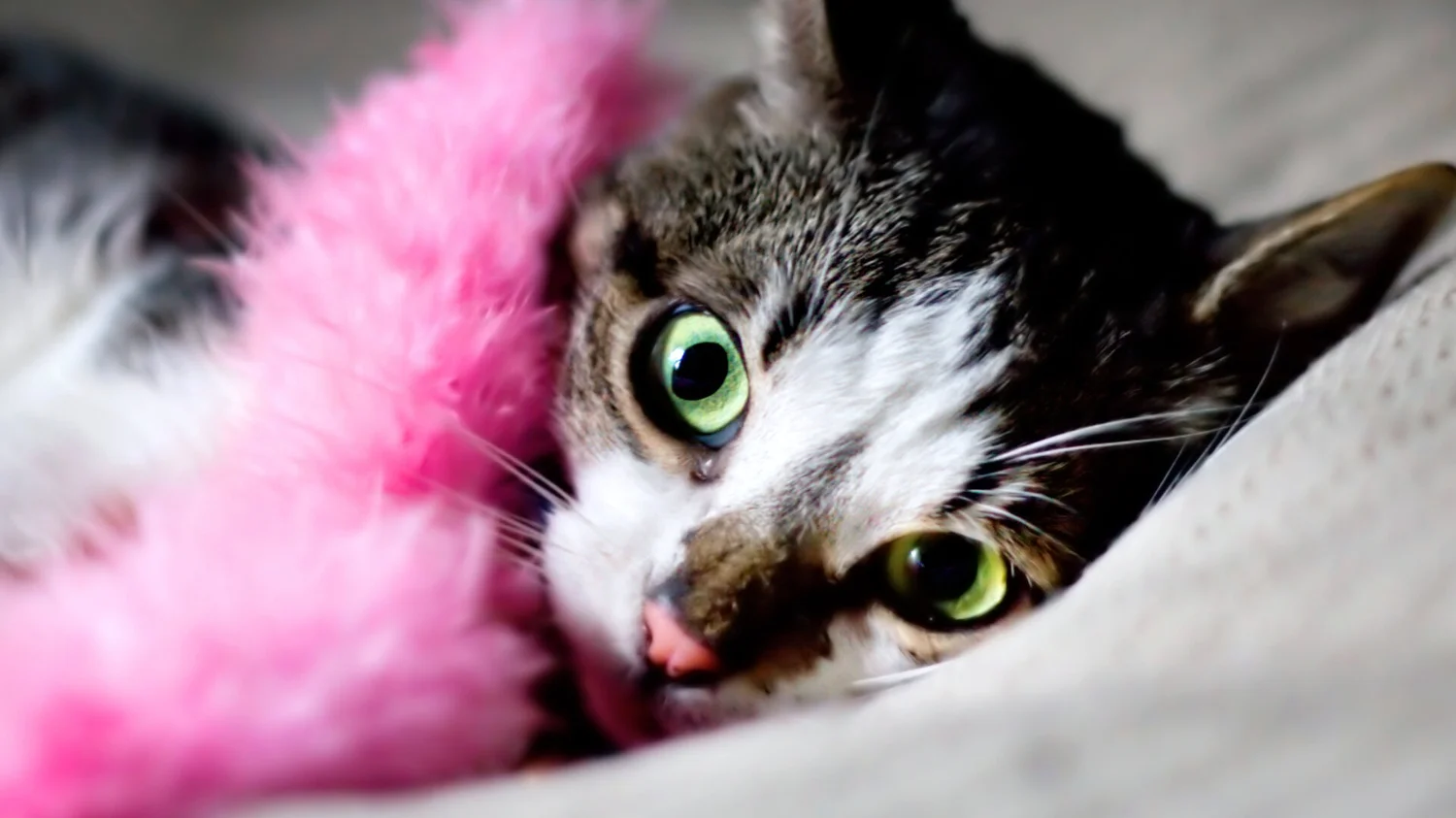
Have you ever wondered why your cat suddenly starts howling at night while playing with a toy? It can be surprising and even a little puzzling to hear those loud cries coming from your usually quiet feline friend.
Understanding this behavior can help you connect better with your cat and ensure they feel happy and safe. You’ll discover the reasons behind your cat’s nighttime howling and learn what you can do to keep those late-night serenades under control.
Keep reading—you might be surprised by what your cat is trying to tell you!

Credit: felinefancy.co.uk
Cat Howling Behavior
Cats use sounds to communicate many feelings. Howling at night with a toy shows a mix of emotions. It can mean excitement, loneliness, or a call for attention. Understanding cat howling helps owners respond better. It also strengthens the bond between cat and human.
Common Cat Vocalizations
Cats make different sounds to express needs and moods. Each sound has a special meaning. Here are common cat vocalizations:
- Meow:Used mostly to talk with humans.
- Hiss:A warning to stay away.
- Purr:A sign of comfort or calm.
- Chirps and Trills:Friendly greetings or attention calls.
- Howl:A long, loud cry that can mean distress, calling, or play.
Howling Versus Meowing
Howling is louder and lasts longer than meowing. It often happens at night or during play. Meowing is short and softer, used for daily talks. Cats howl to get attention or express strong feelings. Meowing is more about simple requests or greetings. Recognizing the difference helps in understanding your cat’s needs.
Credit: www.chewy.com
Nighttime Activity
Have you noticed your cat howling at night while playing with a toy? This nighttime activity often puzzles cat owners, but it’s deeply rooted in their natural instincts and energy patterns. Understanding why your feline friend becomes so vocal and active after dark can help you respond in ways that satisfy their needs and keep your home peaceful.
Cats As Nocturnal Hunters
Cats are natural hunters, and their instincts are strongest at night. In the wild, they rely on darkness to stalk and catch prey. Your cat’s howling during nighttime play mimics hunting calls or signals to other cats.
This behavior shows they are fully engaged in their role as predators, even if the “prey” is just a toy. You might notice your cat crouching, pouncing, and vocalizing, which are all part of their hunting sequence. Does your cat’s howl sound like a cry of excitement or a warning to others? Paying attention to these sounds can help you understand their mood.
Increased Energy After Dark
Cats often experience a surge of energy when the sun goes down. This burst of activity is a leftover trait from their ancestors, who were most active during dawn and dusk. If your cat howls while playing, it’s likely because they are trying to burn off that extra energy.
To keep your cat happy, provide interactive toys and play sessions during the evening. This can help redirect their energy and reduce disruptive howling. Have you tried scheduling dedicated playtime before bed to see if it calms your cat’s nighttime enthusiasm?
Role Of Toys In Howling
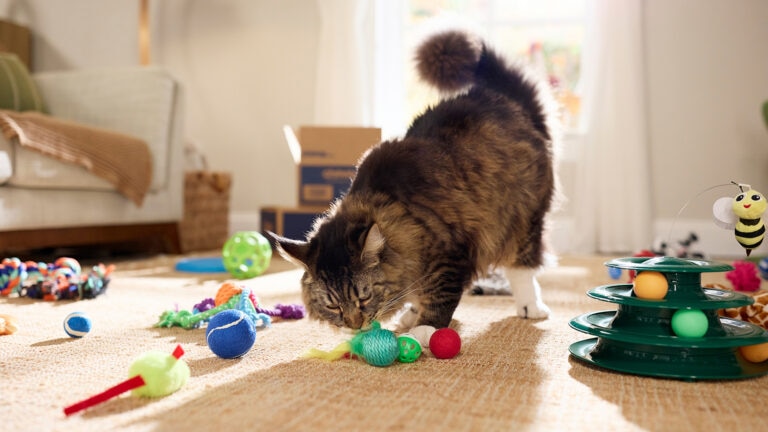
Toys play a key role in why cats howl at night. They spark energy and emotions in cats. This often leads to vocal sounds like howling. Understanding this connection helps pet owners manage their cat’s nighttime behavior better.
Stimulating Play And Vocalization
Toys encourage cats to play actively. Playtime excites cats and makes them vocal. Some cats howl to express excitement or frustration. They use sounds to communicate during intense play. Toys that move or make noise can increase this reaction.
Interactive toys keep cats alert and engaged. This high energy can cause more nighttime howling. Cats may want more attention or to continue the play. The noise signals their desire for interaction or more fun.
Toys Triggering Hunting Instincts
Toys often mimic prey like mice or birds. This triggers a cat’s natural hunting instincts. Howling can be part of the hunting behavior. It may be a way to announce a catch or challenge.
When cats hunt toys at night, they use sounds to express focus or excitement. The howling can also serve to intimidate or scare off other animals. This instinctive reaction is strong, especially in indoor cats.
Communication Through Howling
Cats use howling as a form of communication, especially at night. This vocal behavior helps them share their feelings and needs. When a cat howls while playing with a toy, it often sends messages to its owner or other animals. Understanding these sounds can improve your bond with your pet.
Seeking Attention
Howling can be a cat’s way to ask for attention. Your cat might want you to join the play. The toy becomes a focus for their call. They want interaction, not just solo play. This vocal signal shows they want to connect with you.
Expressing Frustration Or Excitement
Sometimes howling means your cat feels excited or frustrated. They might want to catch the toy but miss it. The howl expresses their strong feelings. It can also show their high energy during playtime. These sounds help release emotions without harm.
Health And Behavioral Factors
Cats may howl at night with toys due to stress, boredom, or seeking attention. Changes in health or behavior often trigger this vocalizing. Understanding these factors helps address your cat’s nighttime howling.
Cats howling at night with a toy can puzzle any cat owner. This behavior often ties to health and behavioral factors. Understanding these can help address your cat’s nocturnal howling.Pain Or Discomfort
Cats may howl due to pain or discomfort. An underlying health issue might be the cause. Arthritis, dental problems, or other ailments can cause distress. A visit to the vet ensures your cat isn’t in pain. Regular check-ups can catch issues early.Loneliness And Anxiety
Cats need companionship. Loneliness can make them anxious, leading to howling. A toy might be their way of seeking comfort. Spending time with your cat eases their anxiety. A comforting routine can also help reduce nighttime howling.Managing Nighttime Howling
Nighttime howling with a toy can disrupt your sleep and leave you wondering how to calm your feline friend. Managing this behavior involves a mix of play, comfort, and sometimes professional advice. Understanding your cat’s needs at night helps create a peaceful environment for both of you.
Providing Interactive Playtime
Cats often howl at night because they have excess energy. Giving your cat interactive playtime during the day and early evening helps burn off this energy. Toys like feather wands or laser pointers engage their hunting instincts and keep them mentally sharp.
Try dedicating 15-20 minutes before bedtime to active play. This can reduce the urge to howl for attention or entertainment later. Have you noticed how your cat’s behavior changes after a good play session?
Creating A Comfortable Sleep Environment
Your cat’s howling might be a sign they’re uncomfortable or anxious. Make sure their sleeping area is cozy, quiet, and away from household noise. Soft bedding and access to a favorite toy can make a big difference.
Consider adding a nightlight or leaving a radio on low volume for company if your cat seems lonely. Small changes like these can help your cat feel safe and less likely to howl. What small tweaks could make your cat’s space more inviting?
Consulting A Veterinarian
If your cat’s nighttime howling persists, health issues might be causing discomfort or confusion. Sometimes cats howl due to pain, cognitive dysfunction, or other medical conditions. A vet visit can rule out these possibilities.
Be ready to describe your cat’s behavior and any changes you’ve observed. Professional advice can guide you toward effective solutions tailored to your cat’s needs. When was the last time your cat had a thorough checkup?

Credit: moderncat.com
Frequently Asked Questions
Why Does My Cat Howl At Night With A Toy?
Cats may howl at night with toys due to excitement or frustration. The toy triggers hunting instincts, causing vocalization. It’s a way for cats to express emotions or seek attention.
Is Night Howling Normal Cat Behavior?
Yes, night howling is normal, especially in active or younger cats. It relates to their natural hunting and communication instincts during quiet hours.
How Can I Stop My Cat’s Night Howling?
Provide regular playtime during the day to tire your cat. Use interactive toys and ensure a calm environment before bedtime to reduce night howling.
Does My Cat Howl Because Of Loneliness?
Cats often howl at night due to loneliness or boredom. Offering companionship or engaging toys can help reduce nighttime vocalizations.
Conclusion
Cats often howl at night with toys to express excitement or stress. They may want attention or feel lonely in the dark. Playing with your cat during the day can help reduce night howling. Give them safe toys and a cozy space to feel calm.
Understanding your cat’s behavior builds a stronger bond. Every cat is unique, so patience matters most. Keep observing, and you will find what comforts your furry friend. Night howling shows your cat’s feelings in a simple way.


Leave a Reply