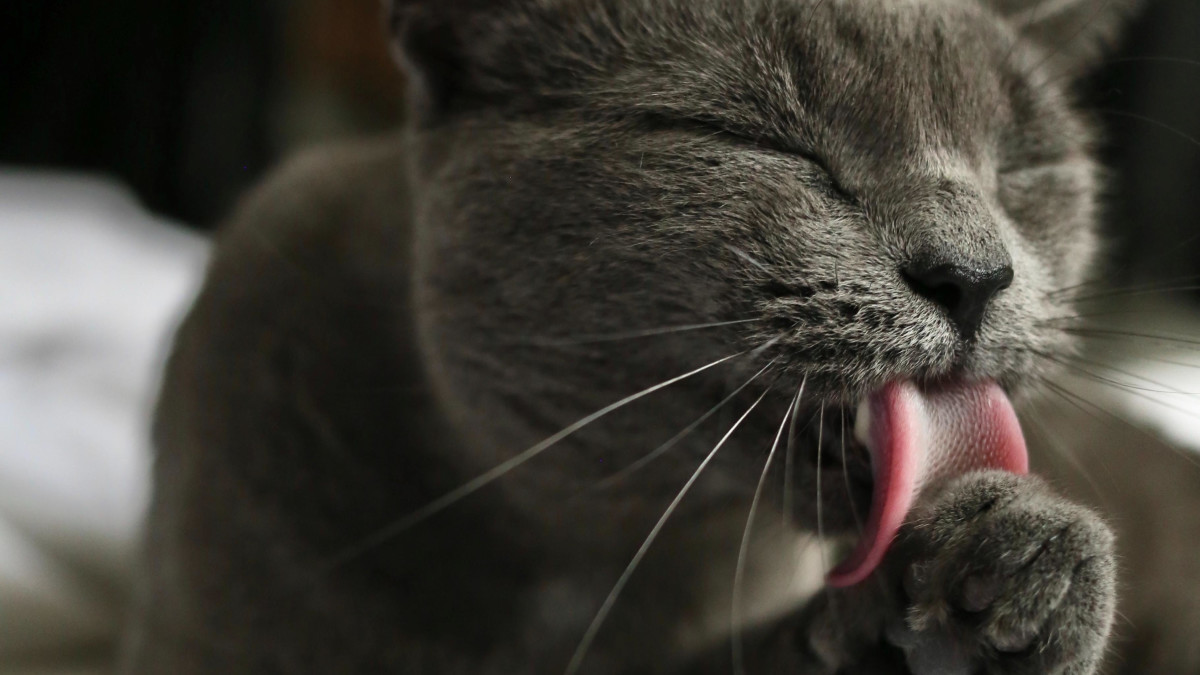
Have you ever noticed your cat licking itself more than usual and wondered why? Excessive grooming in cats can be more than just a quirky habit—it might be a sign that something is wrong.
If your furry friend spends hours cleaning, it could mean stress, allergies, or even health issues. Understanding why your cat grooms excessively is key to keeping them happy and healthy. Keep reading, because what you discover here could help you protect your beloved pet from discomfort and improve their well-being.
Reasons For Excessive Grooming
Excessive grooming in cats often signals that something is off in their environment or health. Understanding why your feline friend licks or scratches more than usual helps you address the root cause promptly. Let’s break down some common reasons behind this behavior so you can better support your cat’s well-being.
Stress And Anxiety
Cats can groom excessively when they feel stressed or anxious. Changes like moving to a new home, loud noises, or the arrival of another pet can trigger this behavior.
Have you noticed your cat licking more after a vet visit or during thunderstorms? This self-soothing action may seem harmless but can lead to skin problems if it goes on too long.
Skin Allergies And Irritations
Allergies to food, pollen, or cleaning products often cause itchy skin, prompting cats to groom repeatedly. You might see redness, bumps, or flaky patches on their fur.
Consider what’s changed in your cat’s diet or environment recently. Identifying allergens early can prevent discomfort and excessive grooming from worsening.
Parasite Infestations
Fleas, mites, and ticks are notorious for irritating cats and causing them to groom obsessively. Even if you don’t spot the parasites immediately, your cat’s persistent scratching is a clue.
Regularly check your cat’s fur and skin, especially around the neck and tail base. Prompt treatment stops infestations from escalating and your cat from damaging their skin.
Pain And Discomfort
Sometimes grooming focuses on a painful or uncomfortable area, like an injury or arthritis. Cats instinctively try to clean wounds but might overdo it, causing further harm.
Watch for limping or sensitivity when you touch certain spots. If you suspect pain, a vet visit is essential to diagnose and relieve your cat’s discomfort.
Boredom And Behavioral Issues
Lack of stimulation can lead cats to groom excessively as a way to pass time or relieve frustration. Indoor cats without enough playtime or mental challenges are especially prone to this.
Have you tried interactive toys or scheduled play sessions to keep your cat engaged? Adding variety to their day can reduce boredom-related grooming and improve their mood.
Health Risks From Over Grooming
Excessive grooming in cats might seem like a harmless habit, but it can lead to serious health risks that affect your feline friend’s quality of life. When cats over groom, their skin and fur pay the price, causing discomfort and sometimes requiring veterinary care. Understanding these risks helps you spot problems early and protect your pet.
Skin Infections
Over grooming often damages the skin’s protective barrier, making it vulnerable to infections. Small scratches or open sores can become breeding grounds for bacteria and yeast. If your cat is licking or biting the same spot repeatedly, watch for redness, swelling, or a bad smell—these signs could mean infection.
Hair Loss And Bald Patches
Have you noticed unusual bald spots on your cat? Excessive grooming can pull out fur faster than it grows back, leaving thin or bald areas. These patches aren’t just cosmetic issues; they expose your cat’s skin to environmental irritants and increase the risk of injury.
Wounds And Scarring
Persistent licking and biting can cause wounds that sometimes don’t heal properly. Over time, this can lead to scarring, which reduces skin elasticity and may cause permanent discomfort. Wounds can also become hotspots for further infections, creating a painful cycle for your cat.
Impact On Overall Well-being
Over grooming often signals underlying stress or health problems that affect your cat’s well-being. It can lead to behavioral changes like withdrawal or aggression, making your cat less playful and affectionate. Have you considered how your cat’s grooming habits might be a cry for help?
Diagnosing The Problem
Excessive grooming in cats can signal underlying issues that need careful attention. Diagnosing the cause is essential for effective treatment and to keep your cat comfortable. Understanding the steps your veterinarian takes can prepare you to support your pet through the process.
Veterinary Examination
Your vet will start with a thorough physical checkup to spot any skin problems, wounds, or parasites. They often look for redness, hair loss, or bumps that could explain the grooming behavior.
It’s important to be honest about your cat’s environment and habits. Sometimes, small details you notice—like a new cleaning product or a recent move—can give clues that help the diagnosis.
Allergy Testing
Allergies are a common cause of excessive grooming. Your vet might recommend tests to identify specific allergens such as food ingredients, pollen, or dust mites.
Testing can include blood work or skin tests, which help pinpoint what triggers your cat’s discomfort. Knowing the exact allergen lets you make changes that reduce irritation and stop over-grooming.
Behavioral Assessment
If medical causes are ruled out, the focus shifts to your cat’s mental well-being. Stress, boredom, or anxiety can lead to repetitive grooming as a coping mechanism.
Consider your cat’s daily routine and environment. Are there new pets or changes in the household? Sometimes simple adjustments, like more playtime or a cozy hiding spot, can ease their stress and reduce grooming.

Credit: medium.com
Treatment Options
Excessive grooming in cats can signal underlying problems that need attention. Understanding the right treatment options helps you support your feline friend better. Each case is unique, so combining approaches often works best.
Medical Interventions
Sometimes, excessive grooming is linked to health issues like allergies, parasites, or skin infections. Your vet can run tests and prescribe treatments such as antihistamines or medicated shampoos. Ignoring medical causes might worsen your cat’s discomfort, so timely care is crucial.
Behavioral Therapy
Stress and anxiety often trigger over-grooming. Identifying stressors in your cat’s environment is key—loud noises, new pets, or changes in routine can all play a role. Behavior modification techniques, like positive reinforcement and gentle distraction, can reduce your cat’s urge to over-groom.
Environmental Enrichment
Is your cat bored or understimulated? Lack of mental and physical activity can lead to excessive grooming as a coping mechanism. Adding toys, scratching posts, or interactive play sessions offers healthy outlets for energy and reduces stress.
Dietary Changes
Nutrition impacts your cat’s skin and coat health. Sometimes food allergies or nutrient imbalances cause itching and discomfort. Trying hypoallergenic diets or supplements rich in omega-3 fatty acids might improve your cat’s condition and decrease grooming urges.
Preventing Excessive Grooming
Excessive grooming in cats often signals stress, allergies, or skin problems. Reducing triggers and providing comfort can help prevent over-grooming. Regular vet check-ups ensure your cat stays healthy and calm.
Preventing excessive grooming in cats can often feel like a puzzle. It’s crucial to understand that cats may over-groom due to a variety of reasons, from stress to boredom. By addressing these underlying causes, you can help your feline friend maintain a healthy grooming routine. Let’s explore some practical ways to prevent excessive grooming.Reducing Stress Triggers
Cats are sensitive creatures, and even minor changes in their environment can lead to stress. Have you recently moved furniture or introduced a new pet? These changes might be triggering your cat’s grooming habits. Create a safe and calm space for your cat to retreat to, free from noise and disruption. You might consider using pheromone diffusers, which mimic the calming scents that cats naturally produce. These can help ease anxiety and reduce grooming triggered by stress. Observing your cat’s behavior can provide insights into specific stressors, allowing you to make necessary adjustments.Regular Parasite Control
Parasites such as fleas and ticks can cause significant discomfort, leading to excessive grooming. Regularly check your cat for signs of parasites, especially if they spend time outdoors. Make sure to use vet-approved flea and tick treatments consistently. Adopting a schedule for parasite control can prevent infestations before they start. Keeping your home clean, including vacuuming carpets and washing pet bedding, can also help manage potential parasite problems.Providing Mental Stimulation
Boredom is a common culprit of excessive grooming in cats. Engage your cat with interactive toys or puzzles that encourage them to think and move. You might be surprised how a simple toy can divert their attention from grooming to play. Consider rotating toys to keep their environment stimulating and exciting. Spend time each day playing with your cat, strengthening your bond while providing them much-needed exercise and mental engagement.Monitoring Skin Health
Skin conditions can also prompt a cat to groom excessively. Regularly check your cat’s skin for redness, bumps, or any unusual changes. If you notice something concerning, consult your vet promptly. Diet plays a significant role in skin health. Ensuring your cat receives a balanced diet rich in omega-3 fatty acids can promote a healthy coat and skin. Regular grooming sessions with a gentle brush can also help distribute natural oils, enhancing skin and coat health. By taking these steps, you’re not just preventing excessive grooming, but also enhancing your cat’s overall well-being.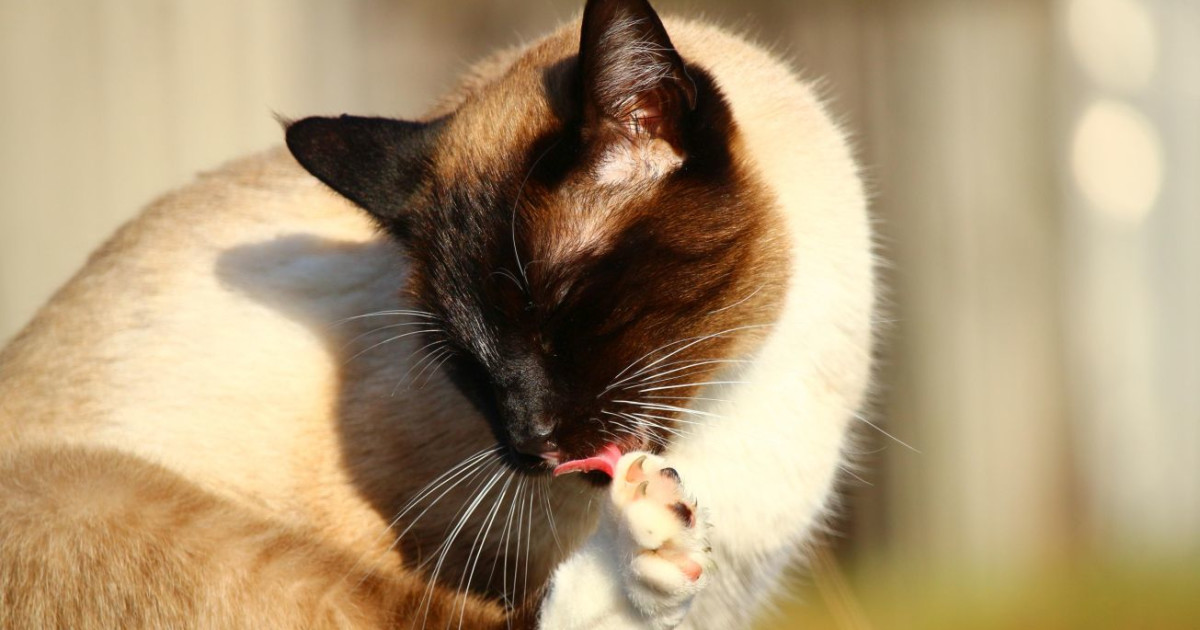
Credit: pethelpful.com

Credit: www.petoska.com
Frequently Asked Questions
Why Do Cats Groom Themselves So Often?
Cats groom to clean their fur, remove parasites, and regulate body temperature. Excessive grooming may indicate stress or health issues.
Can Excessive Grooming Harm My Cat’s Skin?
Yes, too much grooming can cause skin irritation, redness, or hair loss. It may lead to infections if untreated.
What Health Problems Cause Cats To Groom Excessively?
Allergies, parasites, infections, and pain often trigger excessive grooming. Stress and anxiety are common non-medical causes too.
How Can I Reduce My Cat’s Excessive Grooming Behavior?
Identify and treat underlying health issues. Provide a calm environment and engage your cat with toys to reduce stress.
Conclusion
Excessive grooming in cats can signal stress or health problems. Watch your cat’s behavior closely. Changes in grooming habits need attention. A vet visit helps find the cause. Proper care can reduce over-grooming. Keep your cat comfortable and calm. Understanding why cats groom too much supports their well-being.
Small steps make a big difference. Your cat’s health matters every day. Stay patient and observant for best results.




Leave a Reply