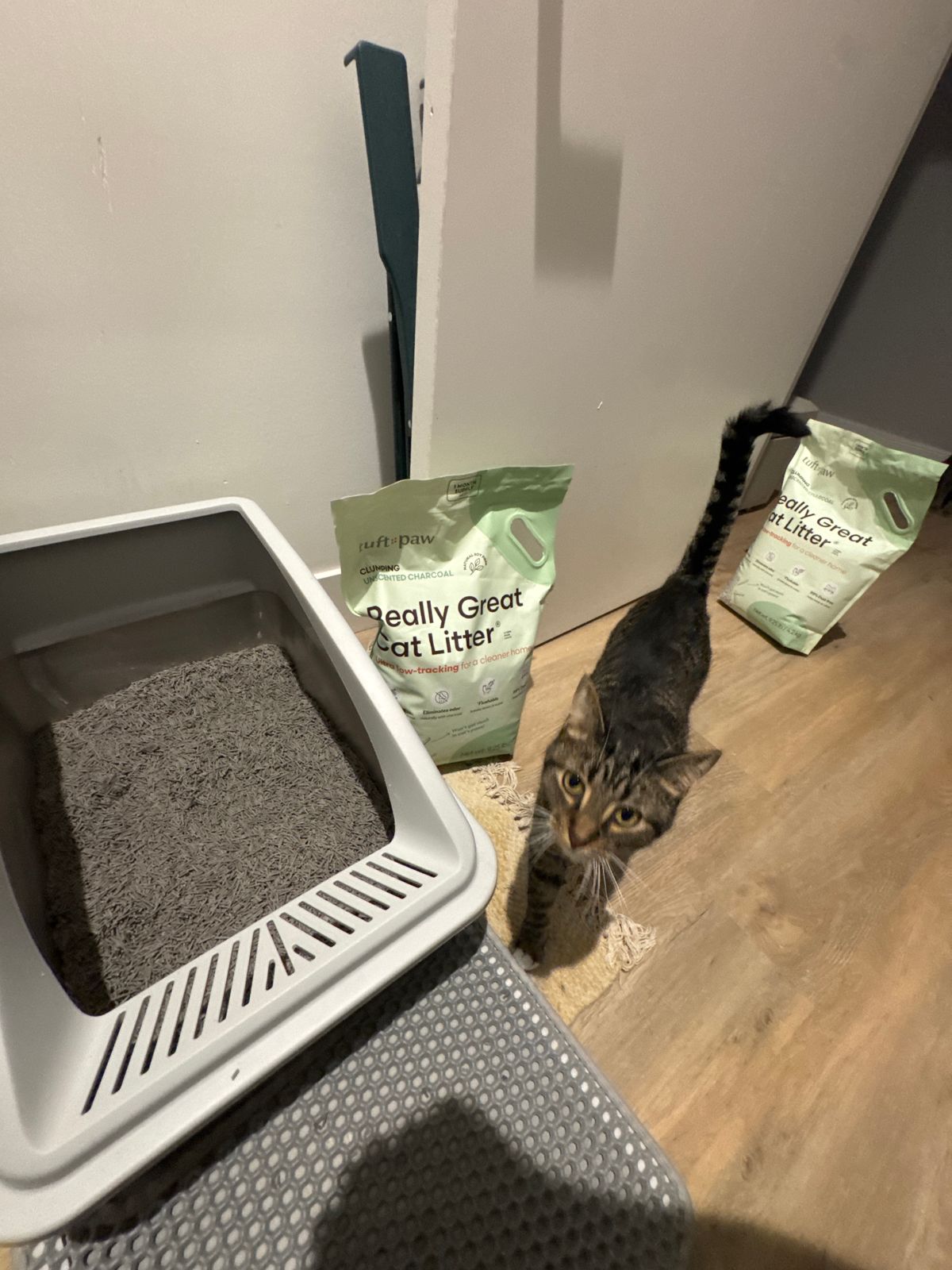
If you’re tired of finding cat litter scattered all over your floor, you’re not alone. Keeping cat litter inside the box can feel like a constant battle, but it doesn’t have to be that way.
Imagine a cleaner home where your cat’s litter stays put, saving you time and frustration every day. You’ll discover simple and effective tips to keep your cat litter exactly where it belongs. Ready to take control and make your space cleaner?
Let’s dive in.

Credit: www.amazon.com
Choose The Right Litter Box
Choosing the right litter box is key to keeping cat litter inside the box. It affects your cat’s comfort and helps reduce mess. A box that fits your cat well can stop litter from scattering around.
Think about your cat’s size and habits before buying a litter box. The perfect box keeps litter contained and makes cleaning easier. There are many designs to pick from, each serving different needs.
Size And Design Matters
Pick a litter box big enough for your cat to turn and dig. Small boxes cause spills and discomfort. A larger box holds more litter, reducing the chance of litter outside the box.
Look for smooth edges and rounded corners. These help keep litter inside and make cleaning quick. Shallow boxes can cause litter to scatter if your cat digs too hard.
Covered Vs. Open Boxes
Covered boxes trap litter better but may feel cramped to some cats. They help contain odors and litter scatter. Open boxes give cats more space and fresh air, reducing stress.
Some cats prefer open boxes for easy access. Covered boxes suit cats that kick litter out often. Test both types to see which your cat likes best.
High-sided Options
High-sided litter boxes stop litter from spilling out during digging. They are great for cats who kick litter a lot. Tall sides also keep urine and waste inside the box.
Make sure your cat can easily enter and exit. Some high-sided boxes have low entry points for easy access. This style keeps your floor cleaner without much effort.

Credit: www.amazon.com
Pick The Best Cat Litter
Choosing the right cat litter plays a big role in keeping the litter inside the box. The right type can reduce mess, control odor, and make cleaning easier. Think about your cat’s habits and preferences, as well as your own cleaning routine, before picking a litter.
Clumping Vs. Non-clumping
Clumping litter forms solid clumps when wet, making it easy to scoop out waste. This helps keep the box cleaner for longer and reduces odor. Non-clumping litter absorbs moisture but doesn’t form clumps, so it usually needs a full change more often.
If you want to clean less frequently and keep litter in the box, clumping might be a better choice. However, some cats prefer the feel of non-clumping litter, so observe your cat’s reaction before switching.
Litter Texture And Weight
Texture matters a lot. Fine-grained litters tend to stick to your cat’s paws and get tracked outside the box. Coarser litters often stay put better but might be less comfortable for some cats.
Weight is another factor. Lightweight litters are easier to carry and clean but are more likely to scatter around. Heavier litters stay in the box better but can be harder to handle during cleaning.
Dust-free And Low-tracking Types
Dust can irritate your cat’s respiratory system and create a mess outside the box. Dust-free litters reduce this problem and keep your home cleaner. Low-tracking litters are designed to minimize the litter stuck to your cat’s paws.
Look for products labeled as “low dust” or “low tracking” if you’re tired of finding litter all over the floor. Have you noticed how some litters just seem to follow your cat everywhere? Choosing the right type can save you time and frustration.
Proper Litter Box Placement
Placing the litter box in a quiet, low-traffic area helps cats feel safe and use it properly. Avoid spots near food or loud appliances to reduce mess outside the box. Proper placement keeps litter inside and your home cleaner.
Proper litter box placement is crucial for keeping cat litter where it belongs. The right spot can significantly reduce the chances of your feline friend scattering litter everywhere. By considering your cat’s preferences and the dynamics of your home, you can ensure a cleaner, more pleasant environment for both of you.Quiet And Accessible Spots
Cats value their privacy, especially during their bathroom breaks. Placing the litter box in a quiet, low-traffic area can encourage your cat to use it more consistently. Consider areas like a corner of a laundry room or a spare bathroom where there’s minimal noise and disruption. Accessibility is just as important as privacy. Make sure the box is easy for your cat to reach, especially if you have an older cat or a kitten. Avoid putting it in places that require navigating stairs or tight spaces, as this could discourage use.Avoiding High-traffic Areas
High-traffic areas can be stressful for cats and lead to litter being scattered around. Placing the litter box in busy spots like hallways or near the entrance of a room might make your cat reluctant to use it. Think about your own habits too. If you’re constantly moving through a space, your cat might feel interrupted or anxious. Would you like to be disturbed during your private moments? Your cat probably feels the same way. By placing the litter box in a quiet, accessible spot away from high-traffic areas, you’re creating a space where your cat feels secure and comfortable. This simple adjustment can make a big difference in keeping the litter where it belongs.Keep The Box Clean
Keeping your cat’s litter box clean is key to preventing litter from spilling out and controlling odors. A tidy box encourages your cat to use it properly, reducing mess around the house. It also makes your job easier and keeps your home smelling fresh.
Daily Scooping Routine
Scooping waste every day is the best way to keep the litter box neat. Removing clumps promptly stops them from breaking apart and spreading. It only takes a few minutes but makes a huge difference in preventing odors and litter tracking.
Try setting a specific time each day for scooping. You might find doing it after your morning coffee or before bed works well. How much cleaner would your home feel if you made scooping a quick daily habit?
Weekly Deep Cleaning
Even with daily scooping, the litter box needs a thorough cleaning once a week. Empty all the litter, wash the box with mild soap and warm water, and dry it completely before adding fresh litter. This removes lingering bacteria and odors that simple scooping can’t handle.
Use this deep clean as a moment to check the box for cracks or damage. A scratched or old box can trap odors and be harder to keep clean. Could a deeper clean be the secret to stopping your cat from avoiding the box?
Replacing Litter Regularly
Refilling the box with fresh litter regularly keeps it inviting for your cat. Over time, litter loses its absorbency and becomes less effective at controlling smell. Changing the litter fully every 1-2 weeks helps maintain a fresh environment.
Pay attention to the type of litter you use. Some litters last longer and control odor better, which might reduce how often you need to replace it. What kind of litter does your cat prefer, and how often do you change it?
Use Litter Mats And Traps
Litter mats and traps help keep cat litter inside the box area. They catch loose litter on your cat’s paws. This reduces the mess outside the box. Using these tools creates a cleaner, more pleasant space for both you and your cat.
Choosing Effective Mats
Pick mats made of soft, flexible material. They should trap litter without hurting your cat’s paws. Look for mats with a textured surface or small grooves. These catch litter grains easily. Size matters too. Choose a mat large enough to cover the exit area of the litter box.
- Rubber or silicone mats work well
- Easy to clean and dry quickly
- Water-resistant to avoid odors
- Non-slip backing prevents movement
Positioning For Maximum Coverage
Place the mat directly in front of the litter box. Ensure it covers the area where your cat steps out. Add a second mat if your cat jumps or walks sideways. Position traps inside the box or at the entrance to catch litter early. Check mats daily and shake off trapped litter. This keeps the space tidy and comfortable for your cat.
Train Your Cat
Training your cat to use the litter box properly helps keep litter inside the box. Cats learn habits through gentle guidance and routine. Teaching good litter box manners reduces mess and makes cleaning easier. Patience and consistency are key to successful training. Observe your cat’s behavior and adjust your approach as needed.
Encouraging Good Habits
Place the litter box in a quiet, easy-to-reach spot. Make sure it is always clean and fresh. Cats prefer clean litter to avoid discomfort. Praise your cat softly after each successful use. Use treats or gentle petting as rewards. Keep the litter depth consistent, not too shallow or deep. Choose a litter type your cat likes to encourage use. Regularly check for signs your cat avoids the box.
Discouraging Litter Tracking
Choose a litter with larger granules or clumping ability. This type sticks less to paws and fur. Place a litter mat outside the box to catch loose litter. Teach your cat to pause and clean paws before leaving. Trim your cat’s nails and paw fur regularly. This reduces litter clinging and spreading. Clean the surrounding floor often to discourage repeat tracking. Discourage digging too vigorously by providing a larger box or different litter texture.
Additional Tips To Reduce Mess
Keeping cat litter inside the box can be a tricky challenge. Even with the best litter boxes, some mess is almost inevitable. However, a few smart habits can help you reduce the mess and keep your space tidy.
Keep Surrounding Area Clean
Make it a habit to sweep or vacuum around the litter box daily. This small effort stops litter from spreading throughout your home. You might be surprised how much difference a quick clean-up makes in controlling stray litter.
Place a washable mat under and around the litter box. Mats with grooves or textures catch litter stuck to your cat’s paws. This simple addition can save you time and frustration later.
Use Barriers Or Enclosures
Consider using a litter box with high sides or a covered design to contain litter scatter. Some cats take time to adjust, but many adapt quickly. If your cat dislikes covers, try partial enclosures or DIY barriers to block litter from flying out.
Have you tried placing a small fence or barrier around the box? It acts as a shield and keeps the litter confined to a smaller area. This can be especially helpful for energetic cats who like to dig vigorously.
Regular Grooming To Reduce Tracking
Brushing your cat regularly reduces loose fur and debris that stick to their paws. Less fur means less litter carried around your home. It’s also a great way to bond with your cat and keep them healthy.
Pay special attention to your cat’s paws after litter box visits. Wiping their paws gently with a damp cloth can prevent litter from spreading. Have you noticed how much less mess there is when you do this consistently?

Credit: aminpetshop.com
Frequently Asked Questions
How Can I Prevent Cat Litter From Spilling Outside?
Use a litter box with high sides or a covered lid. Place a litter mat outside the box to catch stray litter. Regularly scoop and clean to reduce tracking. These steps help keep litter contained and your floor clean.
What Type Of Litter Box Keeps Litter Inside Best?
Boxes with high walls or covered designs work best. They prevent cats from kicking litter out. Self-cleaning litter boxes also reduce mess. Choose one that suits your cat’s size and habits for optimal containment.
How Often Should I Clean The Litter Box?
Clean the litter box at least once a week. Scoop waste daily to keep litter fresh. Regular cleaning prevents odors and litter scattering. Cleanliness encourages your cat to use the box consistently.
Does The Type Of Cat Litter Affect Litter Tracking?
Yes, clumping litter with larger granules tracks less. Lightweight litters tend to scatter more easily. Experiment with different litter types to find one that minimizes tracking for your cat.
Conclusion
Keeping cat litter inside the box is easier than you think. Use a litter mat to catch stray bits. Choose a box with high sides to stop spills. Clean the box regularly to reduce mess. Place the box in a quiet, low-traffic spot.
These small steps help keep your home clean. Your cat will also enjoy a tidy space. Try these tips and see the difference today. Simple habits make a big impact over time.



Leave a Reply