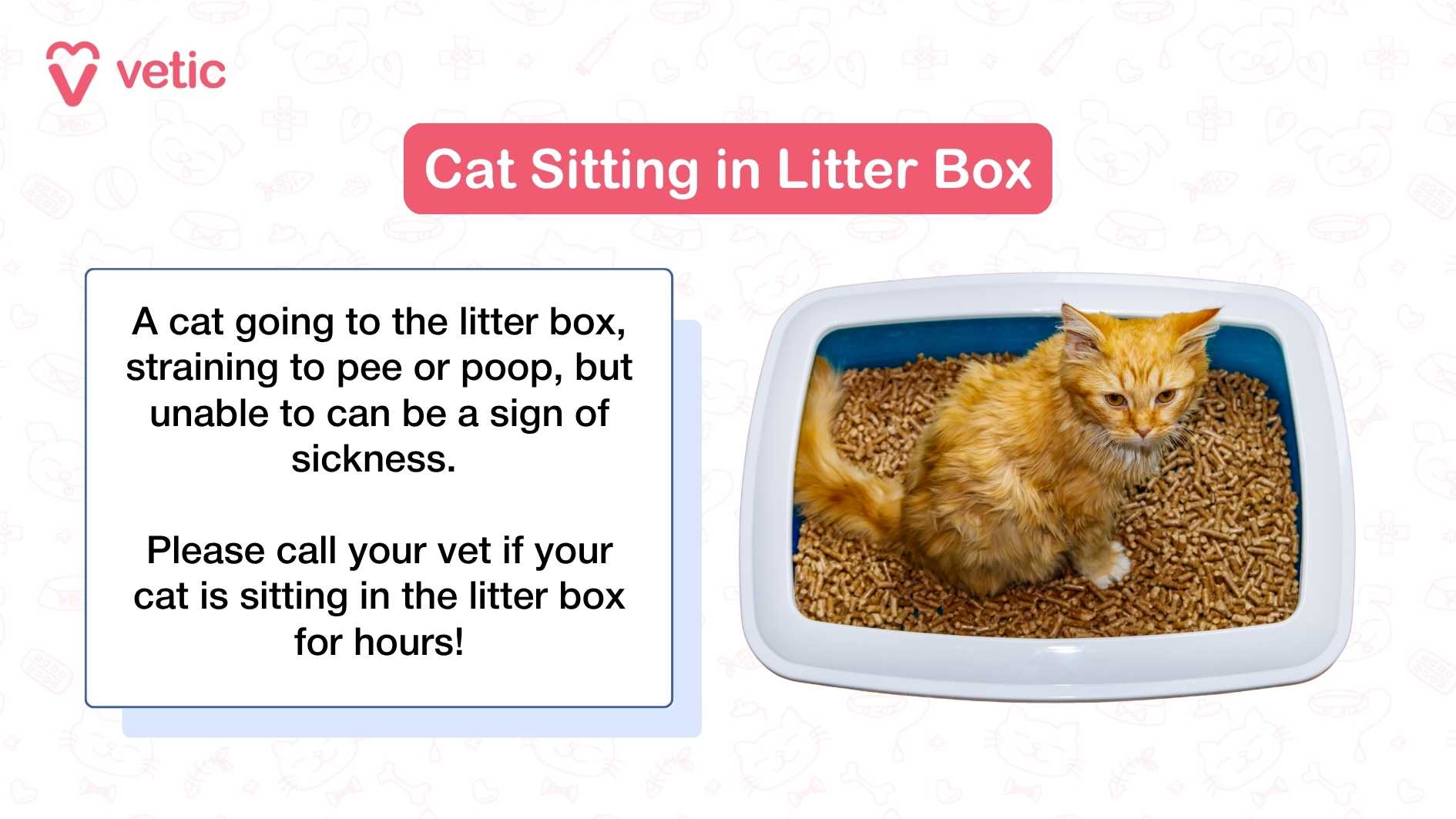
Have you ever walked into a room only to find your cat has pooped outside his litter box? It’s frustrating, confusing, and maybe even a little gross.
You might be asking yourself, “Why is this happening? What did I do wrong? ” The truth is, your cat isn’t trying to upset you. There are surprising reasons behind this behavior that you might not have considered. Keep reading, because understanding why your cat is avoiding his litter box could save you stress and help your furry friend feel more comfortable at home.

Credit: www.reddit.com
Common Health Issues
When your cat suddenly starts pooping outside the litter box, health issues are often at the root. Ignoring these signs can make the problem worse for both you and your pet. Understanding common health problems can help you spot when your cat needs a vet’s attention.
Urinary Tract Infections
Urinary tract infections (UTIs) are a frequent cause of litter box avoidance. Your cat might associate the litter box with pain during urination, leading to accidents elsewhere. If you notice your cat straining or crying while peeing, it’s time to consult your vet immediately.
Digestive Problems
Digestive issues like constipation or diarrhea can make your cat avoid the litter box. When your cat feels discomfort or urgency, it may not reach the box in time. Keep an eye on changes in stool consistency or frequency—these are clues your cat’s digestive system might be struggling.
Pain Or Discomfort
Any pain, whether from arthritis or injury, can prevent your cat from using the litter box comfortably. If the box is hard to access or the litter is uncomfortable, your cat might look for easier spots. Have you noticed your cat limping or hesitating before jumping into the box? That’s a sign to check for pain or discomfort.
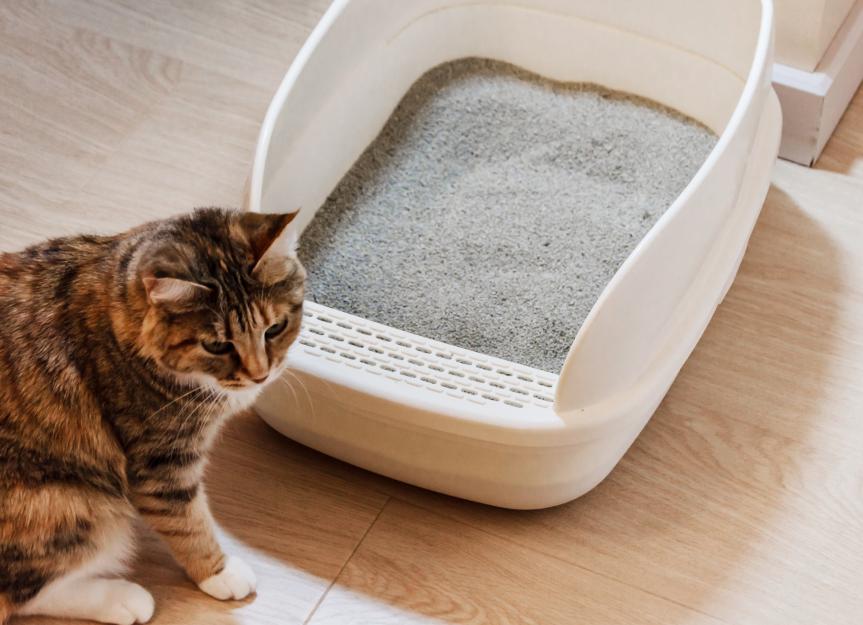
Credit: www.petmd.com
Litter Box Problems
Cats rely on their litter boxes for comfort and privacy. Problems with the litter box often cause cats to poop outside it. Understanding common issues can help fix this behavior quickly. Cats can be very picky about their bathroom habits.
Dirty Litter Box
Cats avoid dirty litter boxes. They like a clean place to do their business. If the box smells bad or is full of waste, cats will find another spot. Cleaning the litter box daily keeps cats happy and healthy.
Wrong Litter Type
Not all litter types suit every cat. Some cats dislike strong scents or rough textures. They may refuse to use a litter box with the wrong litter. Trying different litters helps find the one your cat prefers.
Box Location
The litter box needs a quiet, private spot. Loud noises or busy places scare cats away. Avoid putting the box near food or water bowls. A calm location encourages your cat to use the box.
Size And Accessibility
The box must be big enough for your cat to turn easily. Older or disabled cats need easy access. High sides or small entrances can block them. Choose a box that fits your cat’s size and needs.
Behavioral Causes
Stress or changes in the home can cause a cat to avoid its litter box. Sometimes, marking territory or dislike of the box’s location leads to accidents outside.
Behavioral issues often cause cats to poop outside their litter box. Understanding these behaviors can help address the issue effectively. Cats, like humans, have reasons for their actions. Identifying the root cause can lead to a harmonious home.Stress And Anxiety
Cats are sensitive creatures. Changes in their environment can cause stress. Stress might lead to unusual behaviors, like inappropriate pooping. New pets, loud noises, or even a change in routine can trigger anxiety. Observing your cat’s behavior can provide clues. Look for signs of distress. Addressing stress can help resolve litter box issues.Territorial Marking
Cats are territorial animals. They might mark their territory by pooping outside the box. This behavior is common in multi-cat households. Cats may feel the need to assert dominance. They use poop as a territorial marker. Ensuring each cat has its own space can help. Providing multiple litter boxes may also reduce this behavior.Changes In Environment
Environmental changes can disrupt a cat’s routine. A new home or rearranged furniture can confuse them. This confusion might lead to litter box avoidance. Cats rely on familiar surroundings for comfort. Sudden changes can make them uneasy. Gradual changes, with familiar objects, can ease the transition. Keeping a consistent environment is key to a happy cat.Age And Development Factors
Age and development play a big role in why your cat might be avoiding the litter box. As cats grow, their habits, abilities, and needs change. Understanding these shifts can help you spot the cause and find the right solution for your furry friend.
Kittens Learning Habits
Kittens don’t come into the world knowing where to go potty. They learn by watching their mom or through gentle guidance from you. If a kitten hasn’t fully grasped the idea of using the litter box, accidents outside the box can happen.
Sometimes, a kitten might feel scared or overwhelmed by the litter box’s location or texture. Have you noticed if your kitten avoids certain spots or seems uncomfortable when near the box? Offering a shallow, easy-to-access box with unscented litter can make a big difference.
Remember, patience is key here. Reward your kitten with praise or a small treat when they use the box correctly. This positive reinforcement helps build good habits early on.
Senior Cat Issues
Older cats can struggle with litter box use too, but for very different reasons. Arthritis or other health issues might make it hard for them to climb into or move around inside the box. If your senior cat suddenly stops using the litter box, think about their physical comfort first.
Sometimes, cognitive decline affects older cats, causing confusion or forgetfulness about litter box routines. You might notice your cat hesitates or seems uncertain around the box. Placing multiple boxes in quiet, accessible locations can help reduce stress for your senior cat.
Have you checked with your vet to rule out medical problems? Pain, urinary tract infections, or kidney issues often cause litter box avoidance. Addressing these health concerns early can improve your cat’s quality of life and prevent accidents.
Solutions To Try
Finding your cat pooping outside the litter box can be frustrating, but there are practical solutions you can try to fix this behavior. Understanding the root cause is key, and these solutions target common issues that might be affecting your cat. Let’s look at some effective ways to encourage your cat to use the litter box again.
Medical Checkups
First, rule out any health problems by taking your cat to the vet. Urinary tract infections, digestive issues, or arthritis can make it painful or uncomfortable for your cat to use the litter box. A quick medical checkup can save you time and help avoid unnecessary stress for both you and your cat.
Have you noticed any signs like frequent licking, straining, or accidents in unusual places? These symptoms often point to medical issues that need treatment before behavior correction will work.
Litter Box Maintenance
Cleanliness matters more than you might think. Cats are very particular, and a dirty litter box can push them to find other places to go. Scoop the box daily and completely change the litter regularly to keep it fresh.
Also, consider the type of litter you use. Some cats dislike scented or clumping litters. Try different options to see what your cat prefers. Adding extra litter boxes around the house can also reduce accidents, especially if you have multiple cats or a large living space.
Environmental Adjustments
Think about your cat’s environment. Is the litter box in a noisy or hard-to-reach area? Cats need a quiet, private spot. Moving the box to a calm corner might make your cat feel more comfortable.
Stress from new pets, changes in routine, or even loud noises can cause your cat to avoid the box. Creating a calm environment with hiding spots and routine playtime can reduce anxiety and encourage proper litter habits.
Behavioral Training
Use positive reinforcement to encourage your cat to use the litter box. Praise or give treats immediately after your cat uses it. Avoid punishment, as it can increase stress and make the problem worse.
If your cat has developed a habit of going outside the box, gently redirect them to the litter box. You can place them in the box after meals or naps to build the routine. Patience and consistency are crucial here—how will you keep yourself motivated during this training phase?

Credit: www.reddit.com
Frequently Asked Questions
Why Is My Cat Pooping Outside The Litter Box?
Cats may poop outside due to stress, illness, or litter box issues. Check for medical problems first. Ensure the box is clean and in a quiet place. Changes in routine or environment can also cause this behavior.
How Can I Stop My Cat From Pooping Outside?
Keep the litter box clean and accessible. Use the right type of litter your cat prefers. Reduce stress by maintaining routine and providing a calm environment. Consult a vet if behavior persists to rule out health issues.
Can Health Problems Cause Litter Box Avoidance?
Yes, health issues like urinary tract infections or constipation can cause avoidance. If your cat suddenly stops using the litter box, see a vet. Early diagnosis ensures proper treatment and prevents further accidents.
Does Litter Box Size Affect Cat’s Bathroom Habits?
Yes, a small or crowded litter box can deter use. Cats prefer roomy boxes for comfort and privacy. Choose a litter box 1. 5 times your cat’s length for best results.
Conclusion
Cats may poop outside the litter box for many reasons. Stress, health problems, or a dirty box can cause this behavior. Watch your cat closely to find the cause. Keep the litter box clean and in a quiet place. Try different types of litter to see what your cat prefers.
If the problem continues, visit a vet to rule out illness. Patience and care help your cat feel safe and happy. Understanding your cat’s needs makes a big difference. Small changes can lead to better habits and a happier home.

Leave a Reply